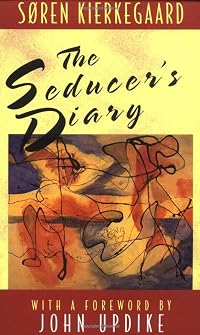
The Seducer's Diary
by Søren Kierkegaard
On This Page
Description
"In the vast literature of love, The Seducer's Diary is an intricate curiosity--a feverishly intellectual attempt to reconstruct an erotic failure as a pedagogic success, a wound masked as a boast," observes John Updike in his foreword to Søren Kierkegaard's narrative. This work, a chapter from Kierkegaard's first major volume, Either/Or, springs from his relationship with his fiancée, Regine Olsen. Kierkegaard fell in love with the young woman, ten years his junior, proposed to her, but show more then broke off their engagement a year later. This event affected Kierkegaard profoundly. Olsen became a muse for him, and a flood of volumes resulted. His attempt to set right, in writing, what he feels was a mistake in his relationship with Olsen taught him the secret of "indirect communication." The Seducer's Diary, then, becomes Kierkegaard's attempt to portray himself as a scoundrel and thus make their break easier for her. Matters of marriage, the ethical versus the aesthetic, dread, and, increasingly, the severities of Christianity are pondered by Kierkegaard in this intense work. show lessTags
Recommendations
















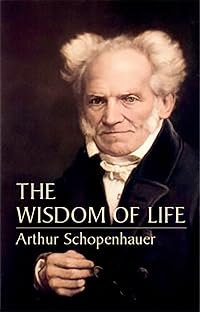



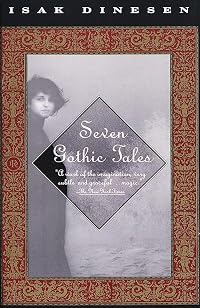
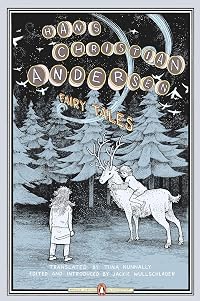
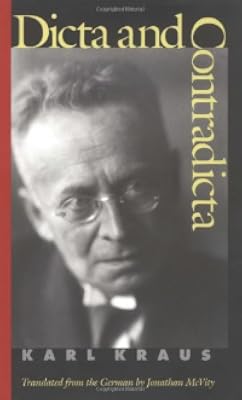

Member Recommendations

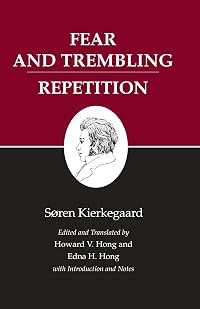
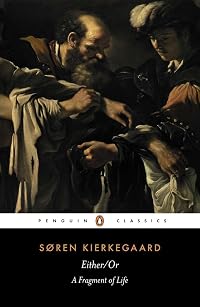
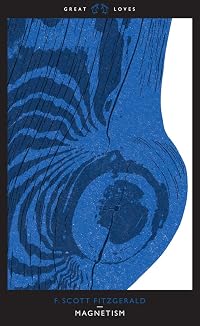
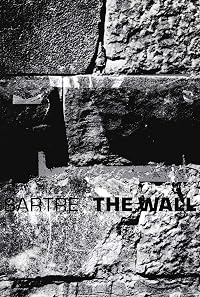
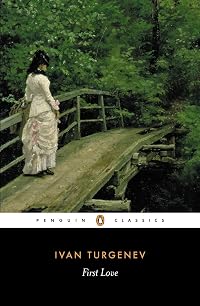
bluepiano There are interesting connections between these books: The Seducer is based on the life of P.L. Moller, a critic with whom Kierkegaard had a bitter and notorious feud that plays a large part in Stangereup's novel.. Diary of a Seducer was quite possibly a dig at Moller. And Stangerup's book is one of a trilogy of historical novels each of which depicts one of Kierkegaard's 'life's stages'.
Member Reviews
5 stars? Really though, I had such a hard time putting this one down I've literally spent the last five days reading the final three pages because I don't want it to end :(
It truly is a masterpiece on aesthetics and the true follies of a passionate relationship between a young man and a younger girl. Love is fleeting, as much as Søren Kierkegaard's clever character named: 'Johannes' hates to admit, he wrote an entire diary about it but with a cunnilingus, I mean cunning yet charming style that could only be pulled off in the 19th century yet so many of the affairs of the heart presented are still very true to this day. Brilliant, absolute classic. thank you penguin, yet again. If only I had met your GreatIdeas/GreatLoves series earlier show more in my life. Still...I've managed with the American canon quite well............
Kierkegaard, the witty devil he is, sneaks in his own synposis on the book he just wrote for the final sentence:
"Nevertheless, it would really be wothwhile knowing whether one couldn't poetize oneself out of a girl, whether one couldn't make her so proud that she imagined it was she who had wearied of the relationship. It could become a quite interesting epilogue, which in its own right might be of psychological interest, and besides that, enrich one with many erotic observations."
PS if you read it without the intense edge of knowing that it's based on a true story just purposely made with a more evil edge, than you may not enjoy it as much. show less
It truly is a masterpiece on aesthetics and the true follies of a passionate relationship between a young man and a younger girl. Love is fleeting, as much as Søren Kierkegaard's clever character named: 'Johannes' hates to admit, he wrote an entire diary about it but with a cunnilingus, I mean cunning yet charming style that could only be pulled off in the 19th century yet so many of the affairs of the heart presented are still very true to this day. Brilliant, absolute classic. thank you penguin, yet again. If only I had met your GreatIdeas/GreatLoves series earlier show more in my life. Still...I've managed with the American canon quite well............
Kierkegaard, the witty devil he is, sneaks in his own synposis on the book he just wrote for the final sentence:
"Nevertheless, it would really be wothwhile knowing whether one couldn't poetize oneself out of a girl, whether one couldn't make her so proud that she imagined it was she who had wearied of the relationship. It could become a quite interesting epilogue, which in its own right might be of psychological interest, and besides that, enrich one with many erotic observations."
PS if you read it without the intense edge of knowing that it's based on a true story just purposely made with a more evil edge, than you may not enjoy it as much. show less
This story was just not for me. It's prose was flowery and voluminous. It takes about 12 chapters, or getting through about 30% of the book before the reader is used to the language and flow of the book. I'm going to give the author the benefit of the doubt that it was his intent for his 'hero' to sound arrogant, misogynist and superior to every one, from his peers in his story to the reader let in on his inner thoughts through his own words in his diary. As for the ending? It seemed a bit contrived and rather cowardly to me. But as I said, this story was just not for me.
3.5, es increíble la representación del hombre estético, usando manipulación para alcanzar su goce momentáneo.
Johannes! I do not call you ‘mine,’ I realize very well that you have never been. My seducer, my deceiver, my foe, my murderer, source of my unhappiness, grave of my joy, abyss of my ruin.
The seducer’s diary chapter from 4 april to 25 september.
I don’t know why, but it just did not keep my attention at all
The seducer’s diary chapter from 4 april to 25 september.
I don’t know why, but it just did not keep my attention at all
Actually read this as a part of the Either/Or Volume I. Diary of one of the most despicable people I've come across in a literary sense.
Johannes Forførerens Dagbog er et af Søren Kierkegaards (1813-1855) mest kendte og elskede værker. Det udkom i 1843 som en del af Kierkegaards hovedværk Enten-Eller og er en fortælling om den dæmoniske Johannes’ forførelse af den unge pige Cordelia Wahl. Den berømte og berygtede dagbog, der er elsket af både mænd og kvinder, skildrer en anden forførertype end den man møder i Mozarts Don Juan som Kierkegaard har skrevet om i det musikfilosofiske essay De umiddelbare erotiske stadier eller det musikalsk-erotiske fra Enten-Eller (der i vores udgivelse har fået titlen Hør, hør, hør Mozarts Don Juan). Filosoffen Jens Staubrand har skrevet en indledning til Johannes Forførerens Dagbog, der er gennemredigeret og meget show more nænsomt bearbejdet til nudansk. show less
A purportedly found diary and letters covering a detached look at an affair. Heart versus head.
Members
- Recently Added By
Lists

Tom's Bookstore
346 works; 2 members
Author Information

633+ Works 33,165 Members
Born in Copenhagen, Denmark, Søren Kierkegaard was the son of a wealthy middle-class merchant. He lived all his life on his inheritance, using it to finance his literary career. He studied theology at the University of Copenhagen, completing a master's thesis in 1841 on the topic of irony in Socrates. At about this time, he became engaged to a show more woman he loved, but he broke the engagement when he decided that God had destined him not to marry. The years 1841 to 1846 were a period of intense literary activity for Kierkegaard, in which he produced his "authorship," a series of writings of varying forms published under a series of fantastic pseudonyms. Parallel to these, he wrote a series of shorter Edifying Discourses, quasi-sermons published under his own name. As he later interpreted it in the posthumously published Point of View for My Work as an Author, the authorship was a systematic attempt to raise the question of what it means to be a Christian. Kierkegaard was persuaded that in his time people took the meaning of the Christian life for granted, allowing all kinds of worldly and pagan ways of thinking and living to pass for Christian. He applied this analysis especially to the speculative philosophy of German idealism. After 1846, Kierkegaard continued to write, publishing most works under his own name. Within Denmark he was isolated and often despised, a man whose writings had little impact in his own day or for a long time afterward. They were translated into German early in the twentieth century and have had an enormous influence since then, on both Christian theology and the existentialist tradition in philosophy. (Bowker Author Biography) show less
All Editions
Some Editions
Series
Belongs to Publisher Series
Work Relationships
Common Knowledge
- Canonical title
- The Seducer's Diary
- Original title
- Forføererens Dagbog
- Original publication date
- 1843
- People/Characters
- Cordelia; Søren Kierkegaard; Regine Olsen; Victor Emerita
- First words
- I cannot conceal from myself, can scarcely master, the anxiety which grips me at this moment...
- Original language
- Danish
Classifications
Statistics
- Members
- 1,138
- Popularity
- 22,182
- Reviews
- 13
- Rating
- (3.52)
- Languages
- 19 — Bulgarian, Catalan, Czech, Danish, Dutch, English, Estonian, Finnish, French, German, Hungarian, Italian, Norwegian (Bokmål), Polish, Russian, Spanish, Swedish, Turkish, Portuguese (Portugal)
- Media
- Paper, Ebook
- ISBNs
- 119
- ASINs
- 26