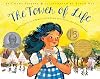
The Tower of Life: How Yaffa Eliach Rebuilt Her Town in Stories and Photographs
by Chana Stiefel
On This Page
Description
"The story begins with Yaffa Eliach, a spirited young girl who grows up in a vibrant, happy 800-year-old town in Poland, filled with family life and rich traditions. Yaffa's grandmother, who receives a gift of a camera from America, becomes the village photographer, and takes photos of all the family events: weddings, bar mitzvahs, and family gatherings. And on the Jewish New Year, the villagers send photos to their relatives overseas to wish them a "Gut Yontif"! But one dark day, the town show more is invaded. And quickly the once happy home to 5,000 Jewish people is uprooted. Yaffa survives the war and becomes a Professor of History and America's foremost Holocaust expert. And when President Jimmy Carter invites her to create an exhibit for the new National Holocaust Museum in Washington, DC, she travels around the world hunting down her grandmother's photos taken of people who fled from her beloved town, Eishyshok, along with their stories and memories. This breathtaking revival of the town's collective spirit, which is a permanent exhibit at The National Holocaust Museum in Washington DC, will inspire all who read it"-- show lessTags
Recommendations














Member Reviews
First sentence: There once was a girl named Yaffa. She was a spirited girl who loved her home and her family. She was born in a shtetl, a small Jewish town that pulsed with love, laughter, and light. The name of her shtetl was Eishyshok (Ay-shi-shok). The family roots of the people in Eishyshok ran deep. For 900 years, their histories and spirits were woven into the fabric of the town.
Premise/plot: Nonfiction picture book and/or nonfiction picture book biography. I could see it being classified as either/both. The jacket copy says it is the biography of Yaffa Eliach the woman who created "the Tower of Faces" (aka The Tower of Life) at the Holocaust Memorial Museum in Washington, DC. It is definitely the story of her life, her work, her show more life's work. But it is also so much more than that. It is the story of her community, and the story of the Holocaust as well.
My thoughts: I found this one FASCINATING. I really loved this nonfiction picture book. I loved learning the story behind The Tower of Faces. Though I'd not heard of this particular exhibit, I have heard of the Holocaust Memorial Museum. I would love to learn more about this exhibit and the others as well. I loved, loved, loved the photographs of this one.
I found it a powerfully compelling read. I'm not surprised a bit that it won the Sydney Taylor Book Award. (It was also a Robert F. Sibert Honor book). show less
Premise/plot: Nonfiction picture book and/or nonfiction picture book biography. I could see it being classified as either/both. The jacket copy says it is the biography of Yaffa Eliach the woman who created "the Tower of Faces" (aka The Tower of Life) at the Holocaust Memorial Museum in Washington, DC. It is definitely the story of her life, her work, her show more life's work. But it is also so much more than that. It is the story of her community, and the story of the Holocaust as well.
My thoughts: I found this one FASCINATING. I really loved this nonfiction picture book. I loved learning the story behind The Tower of Faces. Though I'd not heard of this particular exhibit, I have heard of the Holocaust Memorial Museum. I would love to learn more about this exhibit and the others as well. I loved, loved, loved the photographs of this one.
I found it a powerfully compelling read. I'm not surprised a bit that it won the Sydney Taylor Book Award. (It was also a Robert F. Sibert Honor book). show less
Yaffa was born in the Jewish shtetl of Eishyshok, Poland, a town with a 900-year history. That history was wiped out when Germans invaded ("darkness came to Eishyshok"). Six-year-old Yaffa escaped with her family and a few photographs; they hid throughout the war, and afterward, Yaffa built a life in Jerusalem and then America. Later, she helped create an exhibit at the U.S. Holocaust Memorial Museum, a years-long project that involved collecting photographs that former residents of Eishyshok had sent to relatives elsewhere. "Yaffa decided she would find the survivors and rebuid Eishyshok, not brick by brick, but photograph by photograph, story by story." Illustrated versions of the photographs are included on several pages, and a show more dramatic 90-degree page turn shows a vertical spread of the "tower of life," a three-story-high exhibit of over 1,000 photos.
A deeply impactful story, and an important one for a generation who will not know living Holocaust survivors.
Back matter: timeline ("a snapshot of Yaffa's life and legacy"), bibliography, further reading for children, author's note ("every person, a world") show less
A deeply impactful story, and an important one for a generation who will not know living Holocaust survivors.
Back matter: timeline ("a snapshot of Yaffa's life and legacy"), bibliography, further reading for children, author's note ("every person, a world") show less
Eishishok was part of Poland when World War II began. However, the area changed hands multiple times during the war. When German forces occupied the town in June 1941, it was part of Lithuania. It used to be one of the oldest Jewish communities. The founding families of Jewish Eishyshok were believed to have come from a sect dating from eighth-century Babylonia, which by the eleventh century had shifted one of its centers from the Middle East to Europe.
Before the Holocaust, or Nazi Germany's deliberate, organized, state-sponsored persecution and genocide of approximately six million European Jews, the Jewish population of Eishyshok was around 3,500. Contemporary Eishyshok is a town without Jews.
The Germans arrived in Eishistok in June show more of 1941, collecting and confiscating Jewish valuables, and initiating a program of abuse and humiliation. On September 21, an SS mobile killing squad arrived, accompanied by Lithuanian volunteers. Four thousand jews from both Eishistok and the surrounding area were herded into three synagogues. On September 25, the men were led in groups of 250 to the old Jewish cemetery, ordered to undress at the edge of open pits, and shot by Lithuanian guards. The next day, on September 26, 1941, the women and children were shot near the Christian cemetery. As the U.S. Holocaust Memorial reports:
“Nine hundred years of Jewish life and culture in Eishishok came to an end in two days.”
Yaffa Eliach was born in this small Jewish town or “shtetl” in 1935.
Yaffa’s Grandma Alte had a photography studio just above the family’s pharmacy, and Yaffa loved to help out in the studio.
The author recounts:
“…on the eve of each Jewish New Year, people from all over Eishyshok would mail their treasured photographs to their families around the world with greetings for good health and happiness.”
Yaffa was six years old when the Nazis came. After most of the Jews in Eishyshok were rounded up and packed inside the town’s synagogue, Yaffa’s father escaped through a synagogue window and convinced his family to flee. Yaffa tucked a few family photographs into her shoes before they left.
In just two days, nearly all of Eishyshok’s Jewish residents were murdered by the Nazis. But miraculously, Jaffa, her parents, and her brother Yitzchak escaped.
They hid throughout the entire war, in pigsties and potato sheds. Jaffa held on to her photos every time they had to move their hiding place:
“They reminded her of home. Snapshots of light - and life - captured in time.”
After the war, Yaffa ended up in Israel. She grew up, got married, had children, and moved to America. She became a professor of history: “a world-renowned scholar of that terrible time period.” But Eishyshok was still in her heart, and she still had her photographs.
Thirty-five years after World War II was over, President Jimmy Carter reached out to Yaffa for her help in building a memorial to victims for the new Holocaust Museum. Yaffa thought maybe other survivors or their relatives had, like her, kept the many photographs taken of people in Eishyshok. She decided to find as many of those pictures as she could and “shine a light” onto the lives of the people who were lost.
She followed leads around the globe, and retrieved photographs from attics and basements. Many of the survivors she found remembered Yaffa or her family. They shared stories and helped bring new life to her beloved shtetl.:
“The photos showed heroes, not victims. Dignity, not disaster. Lives lived, not lost. Every photograph a world in itself.”
Her journey took 17 years, spanned six continents, and nearly all 50 US states:
“She collected 6,000 photographs and stories that included almost every man, woman, and child of Eishyshok’s Jewish community from the past 100 years.”
The author tells readers that today, if you go the US Holocaust Museum, you can see Yaffa’s “Tower of Life.” It is made of more than 1,000 photos that rise up three stories high. They document what was destroyed in a way just as poignant as the piles of shoes and ID cards confiscated from Jews about to be incinerated. Instead of focusing on loss, Yaffa built “a world filled with love, laughter, and light - a world that will never be forgotten.”
The book concludes with a timeline of Yaffa’s life and a bibliography including a link to the Holocaust Museum Tower of Life exhibit.
Illustrations by Susan Gal use watercolor, ink, and digital elements. She juxtaposes colorful scenes of Yaffa’s life in Eishyshok with sepia drawings representing the postcards sent by residents to relatives around the world, thanks to her grandma’s photography studio.
Evaluation: For those worried about the content's impact on children, please note that I have included more background about the massacre in Eishyshok than the book's narrative does. (Some unpleasant information is, however, included in the timeline, such as the fact that Yaffa’s mother and baby brother were shot in 1944, after the Russians liberated Eishyshok). But the main portion of this book for readers aged 6 and over is ultimately uplifting, just as was Yaffa’s approach to creating the “Tower of Life.” The focus is on the rich lives experienced by Eishyshok residents. One actual photograph from Eishyshok reproduced at the end of the book shows Yaffa being held by her father.
The author concludes: “May her spirit and legacy continue to shine forever.”
This book serves as a tribute to Yaffa and the light she indeed shone on the lives of the residents of Eishyshok. The photographs also serve as a reminder that the Jews who died in the Holocaust were ordinary people trying to live ordinary lives at a time when, on average, three thousand Jews were murdered every day, for five and a half years, for no other reason than the extreme antisemitic and racist ideology of Adolf Hitler and the Nazi Party. show less
Before the Holocaust, or Nazi Germany's deliberate, organized, state-sponsored persecution and genocide of approximately six million European Jews, the Jewish population of Eishyshok was around 3,500. Contemporary Eishyshok is a town without Jews.
The Germans arrived in Eishistok in June show more of 1941, collecting and confiscating Jewish valuables, and initiating a program of abuse and humiliation. On September 21, an SS mobile killing squad arrived, accompanied by Lithuanian volunteers. Four thousand jews from both Eishistok and the surrounding area were herded into three synagogues. On September 25, the men were led in groups of 250 to the old Jewish cemetery, ordered to undress at the edge of open pits, and shot by Lithuanian guards. The next day, on September 26, 1941, the women and children were shot near the Christian cemetery. As the U.S. Holocaust Memorial reports:
“Nine hundred years of Jewish life and culture in Eishishok came to an end in two days.”
Yaffa Eliach was born in this small Jewish town or “shtetl” in 1935.
Yaffa’s Grandma Alte had a photography studio just above the family’s pharmacy, and Yaffa loved to help out in the studio.
The author recounts:
“…on the eve of each Jewish New Year, people from all over Eishyshok would mail their treasured photographs to their families around the world with greetings for good health and happiness.”
Yaffa was six years old when the Nazis came. After most of the Jews in Eishyshok were rounded up and packed inside the town’s synagogue, Yaffa’s father escaped through a synagogue window and convinced his family to flee. Yaffa tucked a few family photographs into her shoes before they left.
In just two days, nearly all of Eishyshok’s Jewish residents were murdered by the Nazis. But miraculously, Jaffa, her parents, and her brother Yitzchak escaped.
They hid throughout the entire war, in pigsties and potato sheds. Jaffa held on to her photos every time they had to move their hiding place:
“They reminded her of home. Snapshots of light - and life - captured in time.”
After the war, Yaffa ended up in Israel. She grew up, got married, had children, and moved to America. She became a professor of history: “a world-renowned scholar of that terrible time period.” But Eishyshok was still in her heart, and she still had her photographs.
Thirty-five years after World War II was over, President Jimmy Carter reached out to Yaffa for her help in building a memorial to victims for the new Holocaust Museum. Yaffa thought maybe other survivors or their relatives had, like her, kept the many photographs taken of people in Eishyshok. She decided to find as many of those pictures as she could and “shine a light” onto the lives of the people who were lost.
She followed leads around the globe, and retrieved photographs from attics and basements. Many of the survivors she found remembered Yaffa or her family. They shared stories and helped bring new life to her beloved shtetl.:
“The photos showed heroes, not victims. Dignity, not disaster. Lives lived, not lost. Every photograph a world in itself.”
Her journey took 17 years, spanned six continents, and nearly all 50 US states:
“She collected 6,000 photographs and stories that included almost every man, woman, and child of Eishyshok’s Jewish community from the past 100 years.”
The author tells readers that today, if you go the US Holocaust Museum, you can see Yaffa’s “Tower of Life.” It is made of more than 1,000 photos that rise up three stories high. They document what was destroyed in a way just as poignant as the piles of shoes and ID cards confiscated from Jews about to be incinerated. Instead of focusing on loss, Yaffa built “a world filled with love, laughter, and light - a world that will never be forgotten.”
The book concludes with a timeline of Yaffa’s life and a bibliography including a link to the Holocaust Museum Tower of Life exhibit.
Illustrations by Susan Gal use watercolor, ink, and digital elements. She juxtaposes colorful scenes of Yaffa’s life in Eishyshok with sepia drawings representing the postcards sent by residents to relatives around the world, thanks to her grandma’s photography studio.
Evaluation: For those worried about the content's impact on children, please note that I have included more background about the massacre in Eishyshok than the book's narrative does. (Some unpleasant information is, however, included in the timeline, such as the fact that Yaffa’s mother and baby brother were shot in 1944, after the Russians liberated Eishyshok). But the main portion of this book for readers aged 6 and over is ultimately uplifting, just as was Yaffa’s approach to creating the “Tower of Life.” The focus is on the rich lives experienced by Eishyshok residents. One actual photograph from Eishyshok reproduced at the end of the book shows Yaffa being held by her father.
The author concludes: “May her spirit and legacy continue to shine forever.”
This book serves as a tribute to Yaffa and the light she indeed shone on the lives of the residents of Eishyshok. The photographs also serve as a reminder that the Jews who died in the Holocaust were ordinary people trying to live ordinary lives at a time when, on average, three thousand Jews were murdered every day, for five and a half years, for no other reason than the extreme antisemitic and racist ideology of Adolf Hitler and the Nazi Party. show less
Thirty-five years after Nazis destroyed her beloved shtetl of Eishyshok, Poland, Yaffe Eliach recovered thousands of precious photographs preserved by relatives and survivors to recreate her community at the US Holocaust Memorial Museum in Washington, DC. Susan Gal’s expressive illustrations bring to life this true story of love and remembrance. 2023 Sydney Taylor Book Award winner
Gr 3–5—There are many picture books about the Holocaust, but this one stands out with Gal's beautiful watercolor
pictures and the shattering true account of one woman's goal that her community never be forgotten.
pictures and the shattering true account of one woman's goal that her community never be forgotten.
Family story; Jewish family story; elimination of almost all Jews in a particular town; finding the photographs from before WWII and creating a 'Tower of Life' in US Holocaust Memorial
A moving biography of the woman who created The Tower of Faces, a powerful exhibit at the US Holocaust Memorial Museum in Washington, DC. Sydney Taylor Book Award (Gold Medal) A Robert F. Sibert Honor Book
Members
- Recently Added By
Lists

Robert F. Sibert Informational Book Medal
102 works; 1 member
Author Information

31 Works 969 Members
All Editions
Awards and Honors
Awards
Distinctions
Notable Lists
Common Knowledge
- Important events
- Holocaust
Classifications
Statistics
- Members
- 120
- Popularity
- 271,733
- Reviews
- 8
- Rating
- (4.50)
- Languages
- English
- Media
- Paper, Ebook
- ISBNs
- 2