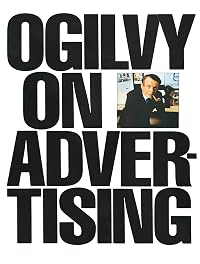
Ogilvy on Advertising
by David Ogilvy
On This Page
Description
A candid and indispensable primer on all aspects of advertising from the man Time has called "the most sought after wizard in the business." Told with brutal candor and prodigal generosity, David Ogilvy reveals: * How to get a job in advertising * How to choose an agency for your product * The secrets behind advertising that works * How to write successful copy--and get people to read it * Eighteen miracles of research * What advertising can do for charities And much, much more.Tags
Recommendations

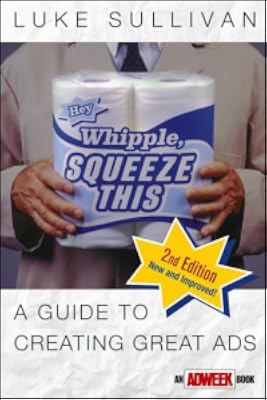
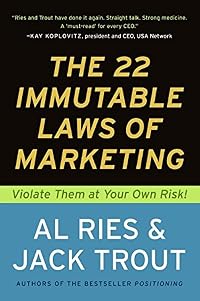
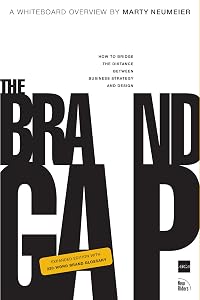
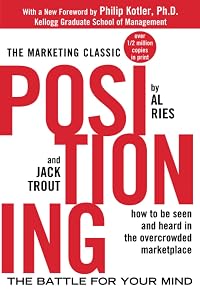



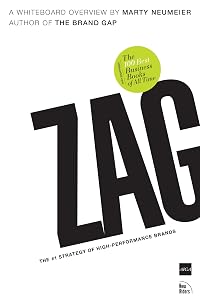
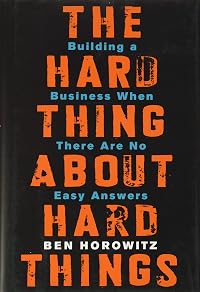
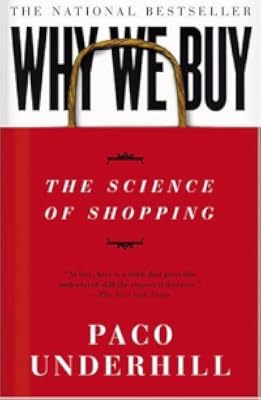
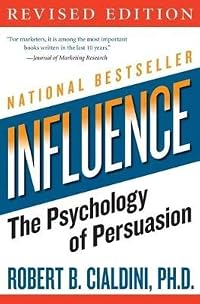




Member Recommendations

Member Reviews
Very fun. Ogilvy is such a caricature, so shallow and full of himself. I hope it gives an accurate view of the advertising industry at the time, because it is too funny not to be true. I read this book to learn a little about the advertising industry. Usually I find work stories fascinating; I love to learn how different careers work. Ogilvy does his best to share the lessons he has learned, but it comes across as a very shallow and dull field.
> a French magazine lists me as the only survivor among a group of men who, they aver, contributed to the Industrial Revolution – alongside Adam Smith, Edison, Karl Marx, Rockefeller, Ford and Keynes
> If more copywriters were ambitious, they too would find fame and fortune. This is Touffou, the show more medieval castle where the author holes up when he is not visiting one of the Ogilvy & Mather offices.
> the concept of brand images, which I popularized in 1953, was not really new; Claude Hopkins had described it 20 years before. The so-called Creative Revolution, usually ascribed to Bill Bernbach and myself in the fifties, could equally well have been ascribed to N. W. Ayer and Young & Rubicam in the thirties
> My first ad for Austin cars took the form of a letter from an "anonymous diplomat" who was sending his son to Groton with money he had saved driving an Austin. A combination of snobbery and economy. Unfortunately, a Time editor guessed that I was the anonymous diplomat
> In the past, just about every advertiser has assumed that in order to sell his goods he has to convince consumers that his product is superior to his competitor's. This may not be necessary. It may be sufficient to convince consumers that your product is positively good. If the consumer feels certain that your product is good and feels uncertain about your competitor's, he will buy yours.
> do your homework, avoid committees, learn from research, watch what the direct-response advertisers do, and stay away from irrelevant sex.
> Never use a jingle without trying it on people who have not read your script. If they cannot decipher the words, don't put your jingle on the air. show less
> a French magazine lists me as the only survivor among a group of men who, they aver, contributed to the Industrial Revolution – alongside Adam Smith, Edison, Karl Marx, Rockefeller, Ford and Keynes
> If more copywriters were ambitious, they too would find fame and fortune. This is Touffou, the show more medieval castle where the author holes up when he is not visiting one of the Ogilvy & Mather offices.
> the concept of brand images, which I popularized in 1953, was not really new; Claude Hopkins had described it 20 years before. The so-called Creative Revolution, usually ascribed to Bill Bernbach and myself in the fifties, could equally well have been ascribed to N. W. Ayer and Young & Rubicam in the thirties
> My first ad for Austin cars took the form of a letter from an "anonymous diplomat" who was sending his son to Groton with money he had saved driving an Austin. A combination of snobbery and economy. Unfortunately, a Time editor guessed that I was the anonymous diplomat
> In the past, just about every advertiser has assumed that in order to sell his goods he has to convince consumers that his product is superior to his competitor's. This may not be necessary. It may be sufficient to convince consumers that your product is positively good. If the consumer feels certain that your product is good and feels uncertain about your competitor's, he will buy yours.
> do your homework, avoid committees, learn from research, watch what the direct-response advertisers do, and stay away from irrelevant sex.
> Never use a jingle without trying it on people who have not read your script. If they cannot decipher the words, don't put your jingle on the air. show less
Previously read Ogilivy's "Confessions" so I was looking forward to this one. The chief advantage of this book is that Ogilicy includes a wide variety of ads to illustrate his points. Most examples from the the US and UK, but there are some from other countries. This book is most helpful if you are in the advertising agency business. However, there is much of value in terms of testing.
Significant parts of the book feel quite dated (e.g. references to television as the major innovation, references to the Soviet Union). Still, there are nuggets of value in here if you look past those dated examples. I appreciate the author draws from his experience, states who he admires in the business and is careful to state when he has no expertise on show more other points. show less
Significant parts of the book feel quite dated (e.g. references to television as the major innovation, references to the Soviet Union). Still, there are nuggets of value in here if you look past those dated examples. I appreciate the author draws from his experience, states who he admires in the business and is careful to state when he has no expertise on show more other points. show less
This was a quick read. Light and fun in parts. More directed toward someone looking to understand how the advertising business has worked, rather than instructive about good advertising. Had elements of a cranky old advertising master sitting back and telling stories about how other people had gotten it all wrong.
Not bad. No mention of the internet but still a lot of the stuff seems to be quite useful.
Ogilvy would have hated today's clickbaiting sooo much. Don't we all?
Ogilvy would have hated today's clickbaiting sooo much. Don't we all?
My first book on Advertisement. I took this book to understand the past of Advertisement. I appreciated the differences among cultures. Ogilvy talks about India, but I must say things have changed in India.
A Great read with humour, insights into Ogilvy's business. I would recommend this to anyone who is into Advertisement. Claude Hopkins book is classic in Advertisement.
--Deus Vult
Gottfried
A Great read with humour, insights into Ogilvy's business. I would recommend this to anyone who is into Advertisement. Claude Hopkins book is classic in Advertisement.
--Deus Vult
Gottfried
A quick, easy and enjoyable read that provides numerous insights into the advertising world (circa 1975, of course).
An old classic on advertising, probably slightly outdated now but good principles that can always be applied.
Members
- Recently Added By
Lists

My List
302 works; 1 member
Author Information

5+ Works 1,652 Members
Some Editions
Common Knowledge
- Canonical title
- Ogilvy on Advertising
- Original title
- Ogilvy on advertising
- Original publication date
- 1983
- People/Characters
- David Ogilvy
Classifications
Statistics
- Members
- 945
- Popularity
- 28,264
- Reviews
- 8
- Rating
- (3.90)
- Languages
- 7 — Czech, English, French, German, Italian, Russian, Spanish
- Media
- Paper, Ebook
- ISBNs
- 23
- ASINs
- 6