On This Page
Description
Reverend Merrily Watkins finds herself replacing a retiring exorcist who is determined to make the transition as unpleasant as possibleDiocesan Exorcist: a job viewed by the Church of England with such extreme suspicion that they changed the name. It's Deliverance Consultant now. Still, it seems, no job for a woman. But when the Bishop offers it to Merrily Watkins, parish priest and single mother, she's in no position to refuse. It starts badly for Merrily and gets no easier. As an early show more winter slices through the old city of Hereford, a body is found in the River Wye, an ancient church is desecrated, and signs of evil appear in the cathedral itself, where the tomb of a medieval saint lies in pieces.
. show less
Tags
Recommendations













Member Recommendations
ehines The magic of the English countryside. Herbert's version is far more 1970s post-hippy in feel, Rickman's new-agey 1990s.
Member Reviews
This is the second novel in Phil Rickman’s Merrily Watkins series, and like the first one it is an odd and unexpected mixture of cozy mystery and horror novel that manages to work surprisingly well. This time, Rickman moves the supernatural rather more into the foreground than it was in The Wine of Angels where it was only a very subtle presence that might very well not have existed at all. In Midwinter of the Spirit (I really love that title), we have ghosts, demonic possession, satanism - a whole range of supernatural phenomena. It is getting almost too much, and one can’t help but feel that Rickman is laying it on a bit too thick with an ending of almost apocalyptic proportions. Still, he manages to keep things in balance, if show more just barely, and never comes quite down on the side of a supernatural explanation of events; also there is a definite sense that human greed and ambition are at least as evil as any supernatural forces.
So in the end, Midwinter of the Spirit is a mystery novel with strong horror elements (rather than a horror novel structured like a mystery). It is also a very entertaining read; Rickman begins evoking an ominous atmosphere of dread and things being not quite right very early on this time, but still sneaks in a portrait of a British cathedral city to complement The Wine of Angel’s small village. I personally found that aspect of the novel very fascinating to read, but if you are mostly interested in crime or horror you might find parts of the novel a bit of a slog. I for one really enjoyed it, but then I’m a self-confessed anglophile.
In contrast to the more outrageous plot, the narrative structure is much cleaner this time than it was in the previous novel – there are only three points of view this time (all of them familiar from The Wine of Angels), and Rickman does an excellent job on having them illuminate events and each other from different perspectives. I also really liked the characters, among them one of the more credible depictions of a teenager I have read in fiction, he gets the balance between precocious and exasperating, lovable and frustrating perfectly. Overall, the dialogue is credible, the descriptions atmospheric, and having his vicar heroine become an exorcist is a stroke of sheer genious on Rickman’s part that opens up a lot of possibilities for the later volumes. One of them possibly the rather interesting parellels that the novel draws between satanists and Soviet spies – is seems that the author is dropping clues that the Holy War has become a Holy Cold War and I am curious to see if and how he follows this up in the sequels. show less
So in the end, Midwinter of the Spirit is a mystery novel with strong horror elements (rather than a horror novel structured like a mystery). It is also a very entertaining read; Rickman begins evoking an ominous atmosphere of dread and things being not quite right very early on this time, but still sneaks in a portrait of a British cathedral city to complement The Wine of Angel’s small village. I personally found that aspect of the novel very fascinating to read, but if you are mostly interested in crime or horror you might find parts of the novel a bit of a slog. I for one really enjoyed it, but then I’m a self-confessed anglophile.
In contrast to the more outrageous plot, the narrative structure is much cleaner this time than it was in the previous novel – there are only three points of view this time (all of them familiar from The Wine of Angels), and Rickman does an excellent job on having them illuminate events and each other from different perspectives. I also really liked the characters, among them one of the more credible depictions of a teenager I have read in fiction, he gets the balance between precocious and exasperating, lovable and frustrating perfectly. Overall, the dialogue is credible, the descriptions atmospheric, and having his vicar heroine become an exorcist is a stroke of sheer genious on Rickman’s part that opens up a lot of possibilities for the later volumes. One of them possibly the rather interesting parellels that the novel draws between satanists and Soviet spies – is seems that the author is dropping clues that the Holy War has become a Holy Cold War and I am curious to see if and how he follows this up in the sequels. show less
There's no avoiding it: this series is problematic, and some of the motifs would normally be a red rag to a bull for me. Packaging it up with a charming single Mum priest and her smart, difficult teenage daughter goes a long way to making it irresistible though, and I devoured this outing in 2 days despite some of the issues the bit of my brain I locked up for the duration would have liked to froth over.
Merrily has lived down the difficulties of her first months in Ledwardine, and picked up a new challenge: the reforming new Bishop of Hereford wants her to be his new exorcist. As dark clouds gather over the county in the run up to Christmas, she must decide whether she really believes in evil - and whether she's really ready to face it.
Merrily has lived down the difficulties of her first months in Ledwardine, and picked up a new challenge: the reforming new Bishop of Hereford wants her to be his new exorcist. As dark clouds gather over the county in the run up to Christmas, she must decide whether she really believes in evil - and whether she's really ready to face it.
First Line: This is where it walks...
Merrily Watkins is in her thirties. She's a single mother, and she's the parish priest of Ledwardine, a small village in Herefordshire, England. And-- after the events that occurred in The Wine of Angels-- she's been approached by the new bishop to be a Deliverance Consultant. It's a job that's viewed with so much suspicion by the Church of England that it now goes by this kinder, gentler name instead of the old title: Diocesan Exorcist. Although she has misgivings as to her ability, she wants to do good, to make a difference, so she goes on the training course.
The training course gives her more doubts because even the instructor believes that it's not a job for a woman, but when she returns to her show more own parish, she has to hit the ground running. A seemingly unending stream of phone calls demand her help with some very strange goings on. The current Deliverance Consultant, a curmudgeonly old man on the verge of retirement, is not about to give her even a molecule of help, and neither is the bishop. The bishop, a handsome, self-assured political animal, wants to see if she's got the right stuff. Even her sixteen-year-old daughter Jane is bent on rebellion, not help.
The new position has begun badly for Merrily and shows no signs of improving. The old city of Hereford is experiencing an early winter. The body of an unidentified man is found in the River Wye. An ancient church is desecrated. Even the cathedral itself shows signs of evil, where the tomb of a medieval saint lies in pieces....
When I read the first book in this series, I fell in love with the setting and the atmosphere that Rickman created as well as his characters, but I had a bit of a problem with the length of the book (over 600 pages). When I picked up Midwinter of the Spirit to read, I didn't even remember the quibble about the previous book's length. All I remembered were the characters, the setting, and the atmosphere. That's all I needed to remember. At over 500 pages, this book isn't lightweight either, but I didn't care. Not one jot. I immediately fell into that setting-- the ancient buildings, the centuries-old traditions, the feeling that the past is always with us-- and Rickman's wonderful characters.
Merrily with her self doubts and her real need to do good... her infuriating and lovable teenage daughter Jane... the self-effacing Lol Robinson... they had all been indelibly imprinted on my mind from reading the first book, and I felt as though I were renewing acquaintance with old friends. I dove headlong into the story and grudgingly came up for air only when real life demanded that I do so.
I know many readers who do not care to read about the paranormal or the supernatural. I used to be one of them. One of the things that I love about Phil Rickman's Merrily Watkins series is that so much of the supernatural is implied; you can choose just how deeply you want to go into the story. It would be easy to read Midwinter of the Spirit and pay little to no attention to the supernatural elements. The motivations of the characters are no different: greed, jealousy, ambition, and Rickman certainly knows how to put together a plot by interweaving all these characters and all these reasons to cause harm.
Characters, setting, plot... and the delicious eerie atmosphere that can cause a tingle... or the hair to rise on the back of your neck. Wonderful! If you're in the mood for a rich, meaty, slightly spooky read just perfect for Halloween (or any other time of year), I can give you a tip: get your hands on one of Phil Rickman's Merrily Watkins books. Chances are, once you've read one, you'll be reaching for more. Can you read the books out of order? Yes, you can, but character development is key to the series, and I would advise against it. Why deny yourself the pleasure of reading Merrily from the beginning? show less
Merrily Watkins is in her thirties. She's a single mother, and she's the parish priest of Ledwardine, a small village in Herefordshire, England. And-- after the events that occurred in The Wine of Angels-- she's been approached by the new bishop to be a Deliverance Consultant. It's a job that's viewed with so much suspicion by the Church of England that it now goes by this kinder, gentler name instead of the old title: Diocesan Exorcist. Although she has misgivings as to her ability, she wants to do good, to make a difference, so she goes on the training course.
The training course gives her more doubts because even the instructor believes that it's not a job for a woman, but when she returns to her show more own parish, she has to hit the ground running. A seemingly unending stream of phone calls demand her help with some very strange goings on. The current Deliverance Consultant, a curmudgeonly old man on the verge of retirement, is not about to give her even a molecule of help, and neither is the bishop. The bishop, a handsome, self-assured political animal, wants to see if she's got the right stuff. Even her sixteen-year-old daughter Jane is bent on rebellion, not help.
The new position has begun badly for Merrily and shows no signs of improving. The old city of Hereford is experiencing an early winter. The body of an unidentified man is found in the River Wye. An ancient church is desecrated. Even the cathedral itself shows signs of evil, where the tomb of a medieval saint lies in pieces....
When I read the first book in this series, I fell in love with the setting and the atmosphere that Rickman created as well as his characters, but I had a bit of a problem with the length of the book (over 600 pages). When I picked up Midwinter of the Spirit to read, I didn't even remember the quibble about the previous book's length. All I remembered were the characters, the setting, and the atmosphere. That's all I needed to remember. At over 500 pages, this book isn't lightweight either, but I didn't care. Not one jot. I immediately fell into that setting-- the ancient buildings, the centuries-old traditions, the feeling that the past is always with us-- and Rickman's wonderful characters.
Merrily with her self doubts and her real need to do good... her infuriating and lovable teenage daughter Jane... the self-effacing Lol Robinson... they had all been indelibly imprinted on my mind from reading the first book, and I felt as though I were renewing acquaintance with old friends. I dove headlong into the story and grudgingly came up for air only when real life demanded that I do so.
I know many readers who do not care to read about the paranormal or the supernatural. I used to be one of them. One of the things that I love about Phil Rickman's Merrily Watkins series is that so much of the supernatural is implied; you can choose just how deeply you want to go into the story. It would be easy to read Midwinter of the Spirit and pay little to no attention to the supernatural elements. The motivations of the characters are no different: greed, jealousy, ambition, and Rickman certainly knows how to put together a plot by interweaving all these characters and all these reasons to cause harm.
Characters, setting, plot... and the delicious eerie atmosphere that can cause a tingle... or the hair to rise on the back of your neck. Wonderful! If you're in the mood for a rich, meaty, slightly spooky read just perfect for Halloween (or any other time of year), I can give you a tip: get your hands on one of Phil Rickman's Merrily Watkins books. Chances are, once you've read one, you'll be reaching for more. Can you read the books out of order? Yes, you can, but character development is key to the series, and I would advise against it. Why deny yourself the pleasure of reading Merrily from the beginning? show less
The first Merrily Watkins book struck me as a bit too cutesy, but here Rickman seems to hit his stride and the tone is better balanced between satire, domestic comedy and supernatural menace. This number in the series is on par with his better non-series books.
This was the first Phil Rickman I ever read, and I was immediately struck by his wit and originality. I still think it's the best of the Merrily books. Anyone who can create characters as real and diverse as forbidding old Canon Dobbs and trendy bishop Mick Hunter has to have a remarkable imagination, and even more skill in putting them onto paper. This is the one where Eirion Lewis and Frannie Bliss make their first appearances.
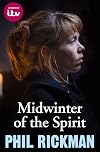
Unfortunately a very poor TV adaptation was made in 2015, with characters just standing around rather than acting, but we'll draw a veil over that.
I absolutely love the Merrily books, which deserve to be far better known, even though the later ones are a bit less vivid and inventive (it's bound to happen if Mr show more Rickman is obliged to churn one out every couple of years). However, let me just get a few disappointments off my chest (ha ha):
1) Merrily's chain-smoking. If I had a pound for every time Merrily lights up, I'd be a rich woman. If the reader doesn't smoke, these constant references are at best meaningless, and at worst deeply irritating. Also, we like Merrily (and Gomer) and don't want them to get cancer, ok?
2) The distant mother in Cheltenham and father in Canada mentioned in "Wine of Angels" fade into nothingness in the subsequent books. Now Merrily, as a caring sort, even if she doesn't get on with mum, would surely have some kind of involvement. There could even be a granny flat in that great rambling old vicarage...
3) Merrily appears to have few friends, apart from Sophie, Huw Owen, and sometimes Jane. Oh, and Lol of course. But she lacks female support; most women get through because they confide in friends and support one another, whereas Merrily behaves more like a chap in going it alone and struggling valiantly against stuff on her own. Isn't there a local support group for women priests or something?
But these niggles aside, I do reread these books with enormous pleasure. show less
Unfortunately a very poor TV adaptation was made in 2015, with characters just standing around rather than acting, but we'll draw a veil over that.
I absolutely love the Merrily books, which deserve to be far better known, even though the later ones are a bit less vivid and inventive (it's bound to happen if Mr show more Rickman is obliged to churn one out every couple of years). However, let me just get a few disappointments off my chest (ha ha):
1) Merrily's chain-smoking. If I had a pound for every time Merrily lights up, I'd be a rich woman. If the reader doesn't smoke, these constant references are at best meaningless, and at worst deeply irritating. Also, we like Merrily (and Gomer) and don't want them to get cancer, ok?
2) The distant mother in Cheltenham and father in Canada mentioned in "Wine of Angels" fade into nothingness in the subsequent books. Now Merrily, as a caring sort, even if she doesn't get on with mum, would surely have some kind of involvement. There could even be a granny flat in that great rambling old vicarage...
3) Merrily appears to have few friends, apart from Sophie, Huw Owen, and sometimes Jane. Oh, and Lol of course. But she lacks female support; most women get through because they confide in friends and support one another, whereas Merrily behaves more like a chap in going it alone and struggling valiantly against stuff on her own. Isn't there a local support group for women priests or something?
But these niggles aside, I do reread these books with enormous pleasure. show less
They're not poltergeists, they're volatiles. It's not possession, it's squatting. It isn't an exorcism, it's Deliverance. Parish priest Merrily Watkins has been appointed as Deliverance consultant by the new Bishop and she's not sure she's up for the job. It's a bold statement putting a young, attractive woman in such a role and Merrily understands Church politics. What really weighs on her heart is whether she's strong enough to face true evil, even when she finds it within the walls of her own cathedral.
I wasn't prepared for the length of this book and when the librarian plopped it down on the counter I was a bit surprised. Rickman takes his time laying the ground work, building the burn, but like a lot of thrillers once it picks up show more steam it goes quickly on from there. Frankly, I found the beginning creepier than the end. Towards the middle it just stopped working for me. show less
I wasn't prepared for the length of this book and when the librarian plopped it down on the counter I was a bit surprised. Rickman takes his time laying the ground work, building the burn, but like a lot of thrillers once it picks up show more steam it goes quickly on from there. Frankly, I found the beginning creepier than the end. Towards the middle it just stopped working for me. show less
Merrily Watkins, Pfarrerin von Ledwardine, wird vom Bischof als erste Frau zur Exorzistin ernannt, mit dem neuen Titel 'Beraterin für spirituelle Grenzfragen'. Denn Michael Hunter, recht frisch in seinem Amt als Bischof und dazu ungewöhnlich jung, frei von jeglicher Spiritualität, sieht diese Aufgabe eher als Dienstleistung im beratenden Bereich an mit größtmöglicher Offenheit nach außen. Ganz im Gegensatz zu Merrilys Vorgänger, der, zwar krank, aber noch amtierende Dobbs, der seine Aufgaben möglichst im Verborgenen erfüllte. Merrily erkennt bald, dass sie sich zwischen zwei gegnerischen Auffassungen befindet: Der des Bischof, dem jegliche Form von Exorzismus völlig fremd und zuwider ist. Und der ihres Vorgängers, einem show more überzeugten Exorzisten, dessen Einstellung auch von vielen anderen Mitgliedern der Kirchenhierarchie geteilt wird. Noch nicht richtig im Amt wird Merrily mit Geschehnissen konfrontiert, die sie daran zweifeln lassen, ob die Auffassung ihres Vorgesetzten die richtige ist...
Mittwinternacht ist ganz klar ein Mystery-Krimi. Es geht um Visionen, Satanisten, das Böse an sich undundund. Doch Rickman behandelt all die aussergewöhnlichen Ereignisse erst intensiv unter rationalen Aspekten und Gesichtspunkten, sodass am Ende die übernatürlichen Erklärungen beinahe wie selbstverständlich als Einzige noch in Frage kommen und somit auch (Noch)Nicht-Mystery-Fans ihren Spass beim Lesen haben werden. Neber der eigentlichen Krimihandlung stellt Rickman auch ein stimmiges Bild der aktuellen Situation der Kirchen dar: die Konkurrenz durch Esoterik, der Zweifel insbesondere der jungen Leute am Sinn der Kirche und ihren Ritualen, die Sinnsuche der Menschen die die Kirche nicht unterstützt usw.
Das Ganze liest sich gut und flüssig weg, lediglich die Handlung bleibt recht vorhersehbar und stellenweise wenig überraschend, so dass es über einen, wenn auch soliden, Durchschnittskrimi nicht hinauskommt. show less
Mittwinternacht ist ganz klar ein Mystery-Krimi. Es geht um Visionen, Satanisten, das Böse an sich undundund. Doch Rickman behandelt all die aussergewöhnlichen Ereignisse erst intensiv unter rationalen Aspekten und Gesichtspunkten, sodass am Ende die übernatürlichen Erklärungen beinahe wie selbstverständlich als Einzige noch in Frage kommen und somit auch (Noch)Nicht-Mystery-Fans ihren Spass beim Lesen haben werden. Neber der eigentlichen Krimihandlung stellt Rickman auch ein stimmiges Bild der aktuellen Situation der Kirchen dar: die Konkurrenz durch Esoterik, der Zweifel insbesondere der jungen Leute am Sinn der Kirche und ihren Ritualen, die Sinnsuche der Menschen die die Kirche nicht unterstützt usw.
Das Ganze liest sich gut und flüssig weg, lediglich die Handlung bleibt recht vorhersehbar und stellenweise wenig überraschend, so dass es über einen, wenn auch soliden, Durchschnittskrimi nicht hinauskommt. show less
Members
- Recently Added By
Lists

Crime-Solving Clerics
57 works; 3 members
Author Information

43+ Works 6,971 Members
Awards and Honors
Notable Lists
Series

Belongs to Publisher Series
rororo (24906)
Work Relationships
Is contained in
Common Knowledge
- Canonical title
- Midwinter of the Spirit
- Original title
- Midwinter of the spirit
- Original publication date
- 1999
- People/Characters
- Merrily Watkins; Jane Watkins; Lol Robinson; Annie Howe; Frannie Bliss; Eirion "Irene" Lewis (show all 9); Sophie Hill; Huw Owen; Athena White
- Important places
- Ledwardine, Herefordshire, England, UK; Herefordshire, England, UK
- First words
- This is where it walks...
- Last words
- (Click to show. Warning: May contain spoilers.)'Come on,then, Tommy.' he said.
Classifications
Statistics
- Members
- 459
- Popularity
- 66,793
- Reviews
- 17
- Rating
- (3.95)
- Languages
- English, German
- Media
- Paper, Audiobook, Ebook
- ISBNs
- 15
- ASINs
- 5