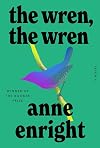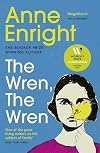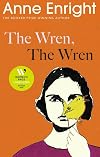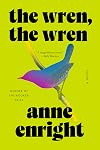
The Wren, The Wren
by Anne Enright
On This Page
Description
An incandescent novel from one of our greatest living novelists (The Times) about the inheritance of trauma, wonder, and love across three generations of women. Nell McDaragh never knew her grandfather, the celebrated Irish poet Phil McDaragh. But his love poems seem to speak directly to her. Restless and wryly self-assured, at twenty-two Nell leaves her mother Carmel's orderly home to find her own voice as a writer (mostly online, ghost-blogging for an influencer) and to live a poetical show more life. As she chases obsessive love, damage, and transcendence, in Dublin and beyond, her grandfather's poetry seems to guide her home. Nell's mother, Carmel McDaragh, knows the magic of her Daddo's poetry too wellthe kind of magic that makes women in their nighties slip outside for a kiss and then elope, as her mother Terry had done. In his poems to Carmel, Phil envisions his daughter as a bright-eyed wren ascending in escape from his hand. But it is Phil who departs, abandoning his wife and two young daughters. Carmel struggles to reconcile "the poet" with the father whose desertion scars her life, along with that of her fiercely dutiful sister and their gentle, cancer-ridden mother. To distance herself from this betrayal, Carmel turns inward, raising Nell, her daughter, and one trusted love, alone. The Wren, the Wren brings to life three generations of McDaragh women who must contend with inheritancesof poetic wonder and of abandonment by a man who is lauded in public and carelessly selfish at home. Their other, stronger inheritance is a sustaining love that is "more than a strand of DNA, but a rope thrown from the past, a fat twisted rope, full of blood." In sharp prose studded with crystalline poetry, Anne Enright masterfully braids a family story of longing, betrayal, and hope. show lessTags
Recommendations



Member Recommendations

Member Reviews
Margaret Mead has been quoted as saying that grandchildren and their grandfathers have a common bond because they have in common an enemy - the mother. Like many quotes and stories attributed to Dr Mead it’s probably not quite what the anthropologist actually said, but I see some truth in it.
“The Wren, the Wren” is a love poem written by the fictional famed Irish poet Phil McDaragh to his grand daughter Nell when she was a child. The Wren the Wren is a short fictional book about three generations of an Irish family, starting with Phil and ending with Nell. Each chapter is titled with the names of the poet, the mother Carmel, and Nell. Nell is the “title” of the bookend chapters - it’s essentially her story. In between the show more bookends, there are chapters about each of the three main characters. They appear as if randomly, each character spanning several non-contiguous chapters, not necessarily chronologically. .
Phil is a rake, a cad, who treats his wife badly, leaving her while she’s healing from a double mastectomy. Nevertheless he’s famous in the family’s country, Ireland where he’s seen as a beloved though eccentric poet, his sins forgiven. Today he would be silenced.
But that was then, and this is now. Carmel has led an inward-looking life, it is Nell, a millennial who bursts from the pages of the book full of life and ideas.
She loves her grandfather though she hates how he lived. She sees herself as becoming like his victims - women abused by lustful unconscionable men. But she is a strong woman, a child of the new millennium.
Nell aspires to be a writer. She is surrounded by her grandfather’s heritage. His poetry is scattered throughout the book.
Nell is smart, empathetic and funny. She is the center and narrator of the book. She uses an ap to track her periods and hates her mothers seventies-colored gifts.
“I tap symptoms. Acne, cramps and tender breasts. I’m having a ghost period. I log vaginal discharge as egg white as opposed to creamy. I don’t know what egg white means. I press three times turning it on and off. Egg white, egg white egg white.And then the mood icon angry angry, angry angry. The app sends me a message telling me that it cares about my well-being.”
Nell stole my heart. I kept waiting in anticipation for one of her chapters to come up. Nell’s chapters kept me going, though every chapter is so well-written that at times the book reads almost like a collection of poems. This is especially so when Phil’s poems interrupt Enright’s delightful prose.
The Wren is more than your usual three generation novels that appear to be expanding as exponentially as the individuals that inhabit our planet. I’d love to write more, especially about the birds, especially about the one that looks like an upturned pinecone. I’d like to write more on Nell. Her thoughts on life. Like this -
“Down in the crappy kitchen I put a pan of water onto boil and crack an egg to poach. I think about picking some of the gloop up between thumb and four finger and don’t. The egg slops into a silicone cup, one of a poaching set in blue and green, which was a present from my mother. She also gifted me orange cooking tongs, one blue and green … {she} also gifted me an orange cooking mold for making quartet pasta, and four different color chopping boards. These tasteful objects fit in my smelly kitchen. How come I can afford a designer dress and not the house to hang it in? What happened there? We are the redundant generation.”
Yes, I’d have like to have written more. But I had to return the book to the library and am writing this review from memory, wishing I had the book at hand to refer to and savor. show less
“The Wren, the Wren” is a love poem written by the fictional famed Irish poet Phil McDaragh to his grand daughter Nell when she was a child. The Wren the Wren is a short fictional book about three generations of an Irish family, starting with Phil and ending with Nell. Each chapter is titled with the names of the poet, the mother Carmel, and Nell. Nell is the “title” of the bookend chapters - it’s essentially her story. In between the show more bookends, there are chapters about each of the three main characters. They appear as if randomly, each character spanning several non-contiguous chapters, not necessarily chronologically. .
Phil is a rake, a cad, who treats his wife badly, leaving her while she’s healing from a double mastectomy. Nevertheless he’s famous in the family’s country, Ireland where he’s seen as a beloved though eccentric poet, his sins forgiven. Today he would be silenced.
But that was then, and this is now. Carmel has led an inward-looking life, it is Nell, a millennial who bursts from the pages of the book full of life and ideas.
She loves her grandfather though she hates how he lived. She sees herself as becoming like his victims - women abused by lustful unconscionable men. But she is a strong woman, a child of the new millennium.
Nell aspires to be a writer. She is surrounded by her grandfather’s heritage. His poetry is scattered throughout the book.
Nell is smart, empathetic and funny. She is the center and narrator of the book. She uses an ap to track her periods and hates her mothers seventies-colored gifts.
“I tap symptoms. Acne, cramps and tender breasts. I’m having a ghost period. I log vaginal discharge as egg white as opposed to creamy. I don’t know what egg white means. I press three times turning it on and off. Egg white, egg white egg white.And then the mood icon angry angry, angry angry. The app sends me a message telling me that it cares about my well-being.”
Nell stole my heart. I kept waiting in anticipation for one of her chapters to come up. Nell’s chapters kept me going, though every chapter is so well-written that at times the book reads almost like a collection of poems. This is especially so when Phil’s poems interrupt Enright’s delightful prose.
The Wren is more than your usual three generation novels that appear to be expanding as exponentially as the individuals that inhabit our planet. I’d love to write more, especially about the birds, especially about the one that looks like an upturned pinecone. I’d like to write more on Nell. Her thoughts on life. Like this -
“Down in the crappy kitchen I put a pan of water onto boil and crack an egg to poach. I think about picking some of the gloop up between thumb and four finger and don’t. The egg slops into a silicone cup, one of a poaching set in blue and green, which was a present from my mother. She also gifted me orange cooking tongs, one blue and green … {she} also gifted me an orange cooking mold for making quartet pasta, and four different color chopping boards. These tasteful objects fit in my smelly kitchen. How come I can afford a designer dress and not the house to hang it in? What happened there? We are the redundant generation.”
Yes, I’d have like to have written more. But I had to return the book to the library and am writing this review from memory, wishing I had the book at hand to refer to and savor. show less
The Wren, the Wren by Anne Enright is very highly recommended literary fiction following the legacy of trauma in an Irish family.
Celebrated Irish poet Phil McDaragh is the grandfather of Nell, father of Carmel, and was the husband of Terry. Each of them experiences the legacy of his poems differently. Nell was raised by her single mother, Carmel. She is a recent university graduate who never knew her grandfather, but his love poems speak to her. She's involved in a toxic relationship that she struggles to leave. Carmel is a hard, practical realist who knows the spells her father's poetry can spin, but also knows he abandoned his wife who had breast cancer and left his two daughters to care for her as he went off to charm women and had show more affairs. She is fiercely the mother to Nell while viewing her father realistically. She has heard how he charmed Terry and witnessed his later actions.
The novel is filled with lyrical poems featuring birds, but also very real episodes of cruelty and violence. There is a strong juxtaposition of the expressive beauty of the poetry with the realistic violence and betrayal. The narrative switches between the point-of-view of Nell, Carmel, and Phil. The complicated feeling Carmel feels for her father while also knowing the worse of his behavior illustrates the sharp contrasts between his poetry and behavior. Nell's entanglements also seem to mimic this same disparity.
Both Nell and Carmel are portrayed as realistic, fully realized characters, with flaws, struggles, and strengths. You will hope for the best for both of them and their relationship as daughter and mother while they deal with their issues and the complications from their family name.
What sets this literary family drama apart from other novels is the impeccable writing that soulfully captures the yearning, betrayal, and longing of the characters as they must each journey to their own conclusions. They have inherited the ties to Phil's poetic accomplishes, but must determine what inheritance this will mean for their lives. That Enright successfully tackles this quandary in the narrative and accomplishes this, seemingly with ease, is part of what made this an exceptional novel.
Disclosure: My review copy was courtesy of W.W. Norton & Company via NetGalley.
http://www.shetreadssoftly.com/2023/09/the-wren-wren.html show less
Celebrated Irish poet Phil McDaragh is the grandfather of Nell, father of Carmel, and was the husband of Terry. Each of them experiences the legacy of his poems differently. Nell was raised by her single mother, Carmel. She is a recent university graduate who never knew her grandfather, but his love poems speak to her. She's involved in a toxic relationship that she struggles to leave. Carmel is a hard, practical realist who knows the spells her father's poetry can spin, but also knows he abandoned his wife who had breast cancer and left his two daughters to care for her as he went off to charm women and had show more affairs. She is fiercely the mother to Nell while viewing her father realistically. She has heard how he charmed Terry and witnessed his later actions.
The novel is filled with lyrical poems featuring birds, but also very real episodes of cruelty and violence. There is a strong juxtaposition of the expressive beauty of the poetry with the realistic violence and betrayal. The narrative switches between the point-of-view of Nell, Carmel, and Phil. The complicated feeling Carmel feels for her father while also knowing the worse of his behavior illustrates the sharp contrasts between his poetry and behavior. Nell's entanglements also seem to mimic this same disparity.
Both Nell and Carmel are portrayed as realistic, fully realized characters, with flaws, struggles, and strengths. You will hope for the best for both of them and their relationship as daughter and mother while they deal with their issues and the complications from their family name.
What sets this literary family drama apart from other novels is the impeccable writing that soulfully captures the yearning, betrayal, and longing of the characters as they must each journey to their own conclusions. They have inherited the ties to Phil's poetic accomplishes, but must determine what inheritance this will mean for their lives. That Enright successfully tackles this quandary in the narrative and accomplishes this, seemingly with ease, is part of what made this an exceptional novel.
Disclosure: My review copy was courtesy of W.W. Norton & Company via NetGalley.
http://www.shetreadssoftly.com/2023/09/the-wren-wren.html show less
This is another story of generational trauma.
Gradually we learn the story of Irish poet Phil McDaragh, whose love poems are renowned, as is his poem The Wren written for his small daughter Nell.
But when his wife contracts breast cancer, McDaugh abandons her leaving her to the care of her young daughters.
Nell struggles with synchronizing the beloved romantic poet, her Daddo, with the man who deserted them at their greatest need. Her mother turns inward; eventually Nell focuses on her own daughter, Carmel, who is also destined to be a writer like the grandfather she never met.
I enjoyed the premise of the vision of a celebrated public persona versus the real man. How many generations does trauma effect before healing occurs?
I really show more liked this Author’s Note at the end of this short book: “This book is concerned with inheritance, of both trauma and wonder . It seems to me that women switch from Marthas to Marys from generation to generation: some get to tend and others to believe.” P 176
Overall, I rated this 3.5 stars. Beautiful writing, but a difficult story. I am not likely to reread this. show less
Gradually we learn the story of Irish poet Phil McDaragh, whose love poems are renowned, as is his poem The Wren written for his small daughter Nell.
But when his wife contracts breast cancer, McDaugh abandons her leaving her to the care of her young daughters.
Nell struggles with synchronizing the beloved romantic poet, her Daddo, with the man who deserted them at their greatest need. Her mother turns inward; eventually Nell focuses on her own daughter, Carmel, who is also destined to be a writer like the grandfather she never met.
I enjoyed the premise of the vision of a celebrated public persona versus the real man. How many generations does trauma effect before healing occurs?
I really show more liked this Author’s Note at the end of this short book: “This book is concerned with inheritance, of both trauma and wonder . It seems to me that women switch from Marthas to Marys from generation to generation: some get to tend and others to believe.” P 176
Overall, I rated this 3.5 stars. Beautiful writing, but a difficult story. I am not likely to reread this. show less
The Wren, The Wren is a slender book to cover three generations in Ireland, but that it does. The family we come to know begins with Phil McDaragh, a prize-winning Irish poet who wins fame and celebrity in his lifetime, but who abandons his family when his wife gets breast cancer. Carmel anchors the next generation while her sister labors in nursing and academia. Carmel spends her life alone, mostly by choice, with the exception of her only lasting love, her daughter. Carmel’s daughter Nell, like Phil, makes a career in writing, mostly as an influencer with a good following. All of them struggle with love, rejecting possibility again and again. In a way, it’s a story of one man wreaking damage down through the generations.
But Phil show more McDaragh offered more than damage. He loved Carmel and wrote to her and creating a poem to honor her. She wavers between love and hate for her father. She certainly cannot trust men so she never gives them a chance to hurt her deeply. Carmel loves her daughter Nell and is happy she needn’t share her with her father, an old lover who likely will never know he fathered Nell. Nell thinks of herself as socially awkward and she goes through a series of unsatisfying men, obsessing for a time about a cruel man. This all seems a repetition of behavior poisoning the generations but can she find a way home to a place she can love happily?
The Wren, The Wren is a beautiful book. Anne Enright writes with language that paint vivid pictures, but she’s not creating some Elysian field or glorious Otherworld. In fact, her writing is very much rooted in this world and its realities. For example, Carmel observes a beautiful zucchini flower, but what truly delights her is the how it looks as though the flower is excreting the zucchini. I love Carmel.
I read this book very slowly. When the story shifted from one character to another, I took a break. There were so many ideas I had to pause, read something else and come back after mulling on her ideas for a while. There was just so much to enjoy, like a rich and decadent chocolate torte. You cannot eat it all at once.
Some of her themes are quite simple, that empathy is how we bridge the spaces between us. Others quite complex, such as the idea that “the pain makes you feel accused of making pain up.” There is also an ongoing contrast between the urban life and the rural life in nature, sometimes only experienced in travel. The potential for rural life to be very brutal, suggested by Carmel’s visit to her lover’s family farm is driven home by the one chapter that focused on Patrick. It was brutal and violent. There is also familial violence between Carmel and her sister, Carmel and her daughter, and Patrick and the women in his life.
Nature is so present in the book, it’s like another character. The idea that all our names for things in nature miss the point, that the creature is itself and doesn’t need our name. Our observation of a bird does not change its birdly essence. Mostly she examined the central dilemmas of being human, love, sex, and family. It could be harrowing, but love endured.
Throughout the book there is poetry which we are to take as Patrick McDaragh’s poetry. They are very much focused on the land, the flowers, the birds, and the animals and, of course, on love. He wrote a poem for the important women in his life, though oddly, not for his American wife. Reading an essay Enright wrote for The Guardian, it seems some of McDaragh’s character was based on the Irish poet Patrick Kavanaugh. Of him and his relationship to women, she concluded their was “a faint creepiness.” Of Patrick McDaragh, there is always a faint creepiness, too.
Another theme running through the book was the sharp contrast between ugliness and beauty. She had no beautiful words for sex or its messy aftermath. It was often painful, disappointing, and demeaning. But the flowers, trees, the water of streams and oceans, and the birds were described with loving awe. The birds, there were always birds, another constant refrain throughout a book named for the wren.
The Wren, The Wren at W. W. Norton
Anne Enright at GoodReads (She posts essays and book recommendations.)
https://tonstantweaderreviews.wordpress.com/2024/01/06/the-wren-the-wren-by-anne... show less
But Phil show more McDaragh offered more than damage. He loved Carmel and wrote to her and creating a poem to honor her. She wavers between love and hate for her father. She certainly cannot trust men so she never gives them a chance to hurt her deeply. Carmel loves her daughter Nell and is happy she needn’t share her with her father, an old lover who likely will never know he fathered Nell. Nell thinks of herself as socially awkward and she goes through a series of unsatisfying men, obsessing for a time about a cruel man. This all seems a repetition of behavior poisoning the generations but can she find a way home to a place she can love happily?
The Wren, The Wren is a beautiful book. Anne Enright writes with language that paint vivid pictures, but she’s not creating some Elysian field or glorious Otherworld. In fact, her writing is very much rooted in this world and its realities. For example, Carmel observes a beautiful zucchini flower, but what truly delights her is the how it looks as though the flower is excreting the zucchini. I love Carmel.
I read this book very slowly. When the story shifted from one character to another, I took a break. There were so many ideas I had to pause, read something else and come back after mulling on her ideas for a while. There was just so much to enjoy, like a rich and decadent chocolate torte. You cannot eat it all at once.
Some of her themes are quite simple, that empathy is how we bridge the spaces between us. Others quite complex, such as the idea that “the pain makes you feel accused of making pain up.” There is also an ongoing contrast between the urban life and the rural life in nature, sometimes only experienced in travel. The potential for rural life to be very brutal, suggested by Carmel’s visit to her lover’s family farm is driven home by the one chapter that focused on Patrick. It was brutal and violent. There is also familial violence between Carmel and her sister, Carmel and her daughter, and Patrick and the women in his life.
Nature is so present in the book, it’s like another character. The idea that all our names for things in nature miss the point, that the creature is itself and doesn’t need our name. Our observation of a bird does not change its birdly essence. Mostly she examined the central dilemmas of being human, love, sex, and family. It could be harrowing, but love endured.
Throughout the book there is poetry which we are to take as Patrick McDaragh’s poetry. They are very much focused on the land, the flowers, the birds, and the animals and, of course, on love. He wrote a poem for the important women in his life, though oddly, not for his American wife. Reading an essay Enright wrote for The Guardian, it seems some of McDaragh’s character was based on the Irish poet Patrick Kavanaugh. Of him and his relationship to women, she concluded their was “a faint creepiness.” Of Patrick McDaragh, there is always a faint creepiness, too.
Another theme running through the book was the sharp contrast between ugliness and beauty. She had no beautiful words for sex or its messy aftermath. It was often painful, disappointing, and demeaning. But the flowers, trees, the water of streams and oceans, and the birds were described with loving awe. The birds, there were always birds, another constant refrain throughout a book named for the wren.
The Wren, The Wren at W. W. Norton
Anne Enright at GoodReads (She posts essays and book recommendations.)
https://tonstantweaderreviews.wordpress.com/2024/01/06/the-wren-the-wren-by-anne... show less
Not sure what to make of this beautifully written book.
It felt hard work, with three narrators, none particularly likeable and the narratives jumping in time, not because of the narrators and jumping per se, but because I’m trying to work out how these pieces of narrative fit together, whether they do fit together. Is there action and reaction, or does it just happen to be glimpses into the lives of millennial online daughter Nell, single successful working mother Carmel, “not terribly famous” poet grandfather Phil.
Okay, so we’re thrown into the stream of a very modern, self conscious consciousness of Irish, Trinity College graduate Nell, talking about her abusive relationship in a self consciously elliptical way (interspersed show more with blog entries (or whatever), which are the content that she is writing for an influencer).
She’s talking about sex, failure and death. This is not going to be a happy story. Is Enright taking the mick, is this a meta-fiction of some kind, are we reading this ironically, are we observers, standing outside the book, watching the reader construing what has been written by the author?
What’s it all about?
Oh, it’s an abusive love story between Nell and Felim - “my little adventure in abjection.”
“Oh, control,” says Carmel. ... “Good luck with that,” she says.
We then switch to Carmel, Nell’s mother, who is the younger daughter of a father who walked out on Carmel’s mother after a mastectomy.
Back and forth the unhappy narrative passes between Nell and Carmel, until about two thirds of the way through the book we briefly switch to Phil, the poet, whose poetry has been scattered through the book as chapter headings and breaks between voices. Phil, who has loomed large as the inspired but violent absence, after he abandoned Carmel and her mother for the American woman who became his second wife.
So the book is about the trauma of abusive relationships and how that can reverberate down generations. But, that’s a bit, well, lazy, just to hang the narrative on that “issue” and expect this reader to emotionally engage with an episodic collection of narratives. It just didn’t coalesce into something bigger, more linked, than the multi person storylines.
Beautifully written but a underwhelming narrative.
One thing I realised with Phil calling the Sidhe, Shee, and little people, fairies (all one and the same), was how mainstream English language continues to modify/corrupt what might be published in order to obtain greater comprehension from all English readers. Enright does use Irish words, blaggard for example, but I felt like the language may have been adjusted for the ease of the reader.
I received a Netgalley copy of this book, but this review is my honest opinion. show less
It felt hard work, with three narrators, none particularly likeable and the narratives jumping in time, not because of the narrators and jumping per se, but because I’m trying to work out how these pieces of narrative fit together, whether they do fit together. Is there action and reaction, or does it just happen to be glimpses into the lives of millennial online daughter Nell, single successful working mother Carmel, “not terribly famous” poet grandfather Phil.
Okay, so we’re thrown into the stream of a very modern, self conscious consciousness of Irish, Trinity College graduate Nell, talking about her abusive relationship in a self consciously elliptical way (interspersed show more with blog entries (or whatever), which are the content that she is writing for an influencer).
She’s talking about sex, failure and death. This is not going to be a happy story. Is Enright taking the mick, is this a meta-fiction of some kind, are we reading this ironically, are we observers, standing outside the book, watching the reader construing what has been written by the author?
What’s it all about?
Oh, it’s an abusive love story between Nell and Felim - “my little adventure in abjection.”
“Oh, control,” says Carmel. ... “Good luck with that,” she says.
We then switch to Carmel, Nell’s mother, who is the younger daughter of a father who walked out on Carmel’s mother after a mastectomy.
Back and forth the unhappy narrative passes between Nell and Carmel, until about two thirds of the way through the book we briefly switch to Phil, the poet, whose poetry has been scattered through the book as chapter headings and breaks between voices. Phil, who has loomed large as the inspired but violent absence, after he abandoned Carmel and her mother for the American woman who became his second wife.
So the book is about the trauma of abusive relationships and how that can reverberate down generations. But, that’s a bit, well, lazy, just to hang the narrative on that “issue” and expect this reader to emotionally engage with an episodic collection of narratives. It just didn’t coalesce into something bigger, more linked, than the multi person storylines.
Beautifully written but a underwhelming narrative.
One thing I realised with Phil calling the Sidhe, Shee, and little people, fairies (all one and the same), was how mainstream English language continues to modify/corrupt what might be published in order to obtain greater comprehension from all English readers. Enright does use Irish words, blaggard for example, but I felt like the language may have been adjusted for the ease of the reader.
I received a Netgalley copy of this book, but this review is my honest opinion. show less
3.75⭐
“The connection between us is more than a strand of DNA, it is a rope thrown from the past, a fat twisted rope, full of blood.”
As the novel begins, we meet twenty-two-year-old Nell, who seeks to carve out a life for herself as a writer. Her need to be independent prompts her to move out of her mother’s home despite the financial struggles and loneliness it might entail. Nell’s relationship with her mother is complicated. Carmel, the daughter of Irish poet Phil McDaragh, carries the scars of a troubled childhood. Her father abandoned his family – Carmel, her sister and their terminally ill mother for greener pastures but left them with a legacy of debt and emotional trauma. Nell never met her grandfather but has been show more exposed to his work and is curious to know more about him. As the narrative progresses, we follow Nell as embarks on a deeply personal journey of self-awareness and healing, dealing with her frustration with her work and her relationship with Felim, who is controlling and abusive. We also follow Carmel’s story and are given a glimpse into how her experiences have taken a toll on her personal relationships and contributed to her inability to connect with her daughter, whom she loves dearly.
The Wren, the Wren by Anne Enright is an intense novel that explores the impact of trauma and the deep scars that are passed down through generations of a family. Anne Enright does a remarkable job of portraying the complex mother-daughter dynamic between Nell and Carmen. Multiple perspectives (Nell, Carmel and a brief segment from the PoV of Phil), allow us to explore the motivations, expectations and trauma experienced by the main characters which not only impacts their relationships but also influences their worldview and life choices. Personally, I found Carmel’s perspective the most compelling. The narrative is a tad disjointed and the structure is non-linear, which renders the story somewhat difficult to follow. I loved the poetry interspersed throughout the narrative and thought the sentiments conveyed through those verses beautifully carried the story forward. Despite the lack of cohesiveness throughout the course of the narrative, the author has done a commendable job of weaving the three main threads of the story together into a satisfying ending. I should mention that I did find one particularly descriptive scene of animal cruelty disturbing.
Many thanks to W.W. Norton & Company and NetGalley for the digital review copy. All opinions expressed in this review are my own. show less
“The connection between us is more than a strand of DNA, it is a rope thrown from the past, a fat twisted rope, full of blood.”
As the novel begins, we meet twenty-two-year-old Nell, who seeks to carve out a life for herself as a writer. Her need to be independent prompts her to move out of her mother’s home despite the financial struggles and loneliness it might entail. Nell’s relationship with her mother is complicated. Carmel, the daughter of Irish poet Phil McDaragh, carries the scars of a troubled childhood. Her father abandoned his family – Carmel, her sister and their terminally ill mother for greener pastures but left them with a legacy of debt and emotional trauma. Nell never met her grandfather but has been show more exposed to his work and is curious to know more about him. As the narrative progresses, we follow Nell as embarks on a deeply personal journey of self-awareness and healing, dealing with her frustration with her work and her relationship with Felim, who is controlling and abusive. We also follow Carmel’s story and are given a glimpse into how her experiences have taken a toll on her personal relationships and contributed to her inability to connect with her daughter, whom she loves dearly.
The Wren, the Wren by Anne Enright is an intense novel that explores the impact of trauma and the deep scars that are passed down through generations of a family. Anne Enright does a remarkable job of portraying the complex mother-daughter dynamic between Nell and Carmen. Multiple perspectives (Nell, Carmel and a brief segment from the PoV of Phil), allow us to explore the motivations, expectations and trauma experienced by the main characters which not only impacts their relationships but also influences their worldview and life choices. Personally, I found Carmel’s perspective the most compelling. The narrative is a tad disjointed and the structure is non-linear, which renders the story somewhat difficult to follow. I loved the poetry interspersed throughout the narrative and thought the sentiments conveyed through those verses beautifully carried the story forward. Despite the lack of cohesiveness throughout the course of the narrative, the author has done a commendable job of weaving the three main threads of the story together into a satisfying ending. I should mention that I did find one particularly descriptive scene of animal cruelty disturbing.
Many thanks to W.W. Norton & Company and NetGalley for the digital review copy. All opinions expressed in this review are my own. show less
This is a study of a single mother (Carmel) and her twenty-something daughter (Nell). They are the daughter and granddaughter of a stereotypically bibulous, womanizing, Celtic poet, Phil McDaragh, who (years before the story opens) deserted his wife, Carmel’s mother, when she was being treated for breast cancer. Yes, he’s your garden-variety, self-centred, heartless cad. We’re apparently meant to understand that the behaviour of a lout echoes down through the generations. It’s not just Phil’s wife, Terry, but also his daughter and granddaughter who are affected by his actions.
Okay, there’s competent enough writing, but fine prose just isn’t enough if the content isn’t interesting or worthy. I’d argue it’s neither. show more Nell’s sexual relationship with a man (Felim)—what she refers to as her “little adventure in abjection”—is cringeworthy and proved to be more degradation than I cared to witness. I bailed at the halfway point.
I was disappointed by Enright’s latest offering and I heartily recommend avoiding it . . . unless abjection is your thing. show less
Okay, there’s competent enough writing, but fine prose just isn’t enough if the content isn’t interesting or worthy. I’d argue it’s neither. show more Nell’s sexual relationship with a man (Felim)—what she refers to as her “little adventure in abjection”—is cringeworthy and proved to be more degradation than I cared to witness. I bailed at the halfway point.
I was disappointed by Enright’s latest offering and I heartily recommend avoiding it . . . unless abjection is your thing. show less
Members
- Recently Added By
Lists

Books Read in 2023
5,547 works; 145 members

Books Read in 2024
4,623 works; 126 members

Women's Prize Longlist 2024
16 works; 8 members

Top Five Books of 2024
795 works; 264 members
Author Information

27+ Works 8,720 Members
Anne Teresa Enright (born 11 October 1962) is an Irish author. She received an English and philosophy degree from Trinity College, Dublin. Enright is a Fellow of the Royal Society of Literature; her novel The Gathering won the 2007 Man Booker Prize. She has also won the 1991 Rooney Prize for Irish Literature, the 2001 Encore Award and the 2008 show more Irish Novel of the Year. Enright's writings have appeared in several magazines, including The New Yorker, The Paris Review, Granta, the London Review of Books, The Dublin Review and the Irish Times. In 2015 she made the New Zealand Best Seller List with her title The Green Road. This title also made the Costa Book Award 2015 shortlist in the UK. It also won the Irish Book Award for Novel of the Year. (Bowker Author Biography) show less
Some Editions
Awards and Honors
Awards
Distinctions
Notable Lists
Common Knowledge
- Canonical title
- The Wren, The Wren
- Original publication date
- 2023
- People/Characters
- Phil McDaragh; Carmel; Nell; Felim
- Important places
- Dublin, Ireland; New Zealand
- Dedication
- For Claire Bracken
- First words
- There is a psychologist in Nevada called Russell T. Hurlburt who is interested in the different ways people think.
- Last words
- (Click to show. Warning: May contain spoilers.)If we are very lucky, the bird will always be the bird.
- Blurbers
- Rooney, Sally; Barrett, Colin; Kennedy, Louise
Classifications
Statistics
- Members
- 529
- Popularity
- 56,554
- Reviews
- 24
- Rating
- (3.57)
- Languages
- English, German, Polish
- Media
- Paper, Audiobook, Ebook
- ISBNs
- 19
- ASINs
- 6