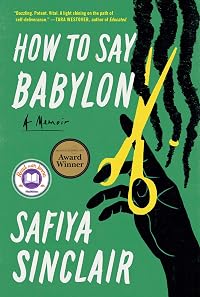
How to Say Babylon: A Memoir
by Safiya Sinclair
On This Page
Description
Throughout her childhood, Safiya Sinclair's father, a volatile reggae musician and militant adherent to a strict sect of Rastafari, became obsessed with her purity, in particular, with the threat of what Rastas call Babylon, the immoral and corrupting influences of the Western world outside their home. He worried that womanhood would make Safiya and her sisters morally weak and impure, and believed a woman's highest virtue was her obedience. In an effort to keep Babylon outside the gate, he show more forbade almost everything. In place of pants, the women in her family were made to wear long skirts and dresses to cover their arms and legs, head wraps to cover their hair, no make-up, no jewelry, no opinions, no friends. Safiya's mother, while loyal to her father, nonetheless gave Safiya and her siblings the gift of books, including poetry, to which Safiya latched on for dear life. And as Safiya watched her mother struggle voicelessly for years under housework and the rigidity of her father's beliefs, she increasingly used her education as a sharp tool with which to find her voice and break free. Inevitably, with her rebellion comes clashes with her father, whose rage and paranoia explodes in increasing violence. As Safiya's voice grows, lyrically and poetically, a collision course is set between them. show lessTags
Recommendations

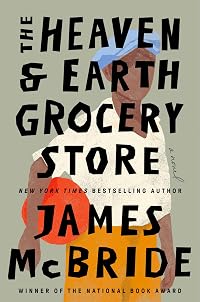
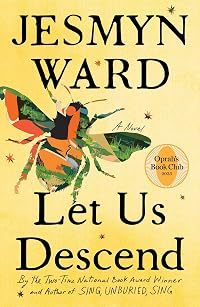
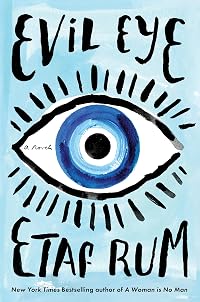

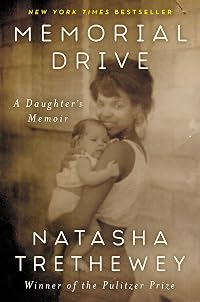


Member Recommendations
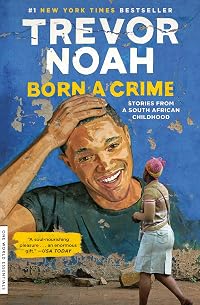
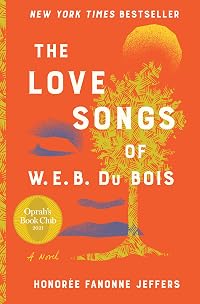
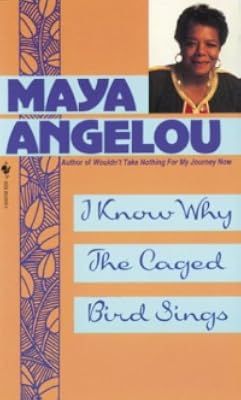
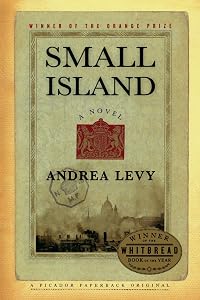
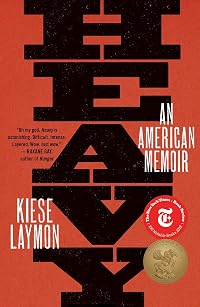
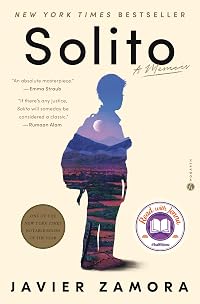
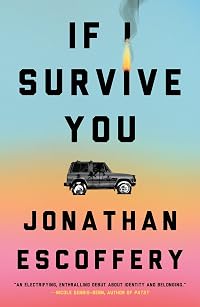
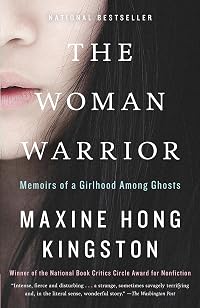
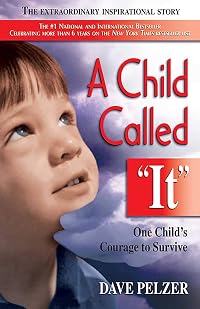
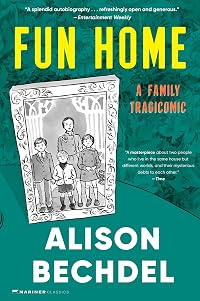
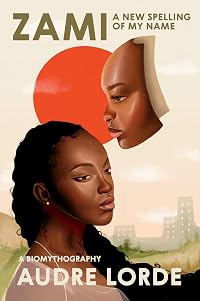
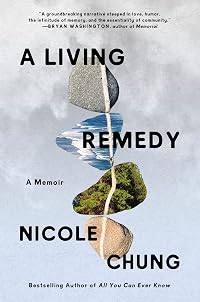
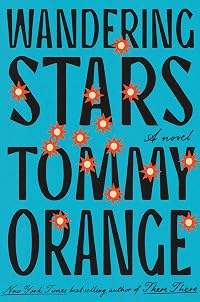
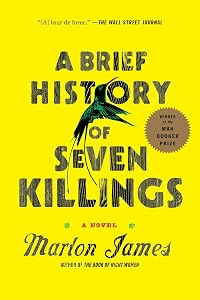
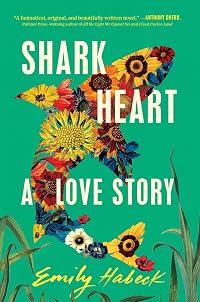
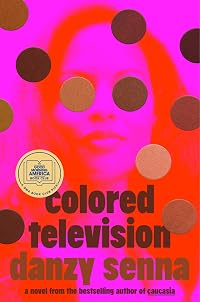
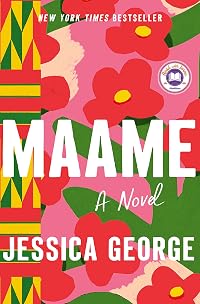
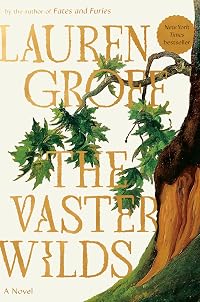
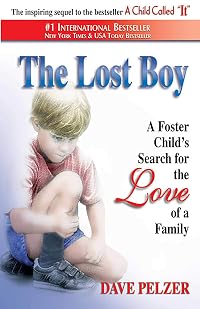
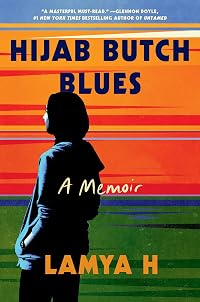
susanbooks Both books about girls growing into young women in the homes of religious patriarchs
Member Reviews
…and to how to escape a dictatorial Rastaman father. Safiya grows up in Jamaica with her parents and three siblings. She starts off her life in a blissful backwater beach town surrounded by loving relations. Her father is in a successful reggae band, but when his record company thwarts his ambitions, he strikes off on his own and he and Safi's mom start following a strict version of Rastafari, with Haile Selassie as king and everything non-Rasta as Babylon. The family moves frequently due to lack of funds, but the mother holds the family together as Howard, the father, gets more obsessive about keeping his daughters pure and forcing more restrictions on their time, their clothing, and their schooling. Safi, who is obviously a born show more poet, receives a scholarship to a private school, where she is bullied and tormented by classmates for her dreadlocks and her somber clothing. She eventually wins a scholarship to Bennington College, in "Foreign" - any other place than Jamaica - but her father demands that his children stay at home, as soldiers against the influence of Babylon. Safi, and eventually her siblings and even her mother, become fearful of his violence and his irrationality, and even when the girls complete college, they return to Jamaica and their father's tyranny, and each spends wasteful years secluded from her fellow citizens and from gainful employment. Safi wins acclaim for her poetry and the admiration of an unnamed elderly writer/mentor, but she dreams constantly of being killed with a machete wielded by her father. The tension in her story is almost overwhelming, and though Safi may come to forgive her parents for the damage done to her, no reader will want to. Kudos to Safiya Sinclair for putting out into the world such a confessional of stunning abuse, and for her ability to place the reader in her rooms, just as powerless as she.
Quotes: "My family lived in close quarters and knew the subtle dialect of each other's dreams."
"I was not the weapon. I was only the wound.” show less
Quotes: "My family lived in close quarters and knew the subtle dialect of each other's dreams."
"I was not the weapon. I was only the wound.” show less
I struggle to find a single flaw in this memoir. Sinclair, through passionate excavation of her own story and every story that entwines with it—the stories of her family, of Rastafari, of Jamaica, of colonialism and sexism and racism—weaves an incredible tapestry. The picture she paints of her life is vivid and feels so... comprehensive, for lack of a better word. The treatment of time is masterful; as readers we flow from early childhood to adolescence to adulthood so naturally. Maybe that seems like faint praise, but capturing the span of a life on the page is terribly difficult, and Sinclair makes it look easy.
It's impossible to ignore the artistic flair on display here. As a poet, Sinclair's memoir is more flowery than most, but overall I thought her style served the story well. After all, a big part of How to Say Babylon is the power of writing as liberation, as identity, as power, as hope. The only reason I've given it four stars instead of five is because I'm exceptionally picky about books I consider five-star-worthy. Regardless, I'd recommend this to anyone, it's really a triumph.
____________________
Global Challenge: Jamaica show less
Memory is a river. Memory is a pebble at the bottom of the river, slippery with the moss of our living hours. Memory isshow more
a tributary, a brackish stream returning to the ocean that dreamt it. Memory is the sea. Memory is the house on the sand with a red door I have stepped through, trying to remember the history of the waves.
It's impossible to ignore the artistic flair on display here. As a poet, Sinclair's memoir is more flowery than most, but overall I thought her style served the story well. After all, a big part of How to Say Babylon is the power of writing as liberation, as identity, as power, as hope. The only reason I've given it four stars instead of five is because I'm exceptionally picky about books I consider five-star-worthy. Regardless, I'd recommend this to anyone, it's really a triumph.
____________________
Global Challenge: Jamaica show less
Safiya Sinclair is an accomplished poet and author of the collection Cannibal. Her memoir is an intimate look inside the Jamaican Rastafarian community, providing both a history of the movement and an account of her family's practice. The writing moves between an almost unemotional recitation to beautifully lyrical. I knew nothing about Jamaican Rasta beyond Bob Marley, so I learned a lot.
Safiya's father was thrown out of his family and became a Rasta man as a way to find his place in the world. Although he hated Babylon, the white world which colonized and ruined everything it touched, he earned his living playing reggae for the tourists that stayed in the resorts that ring the island. As time passed and his career dissolved, his show more obsession with the purity of his daughters became manic and violent. Safiya and her sisters had always been treated differently than their brother, but now they were isolated and abused. Safiya's mother protected them as best she could, but she herself was under her husband's control. Eventually education and for Safiya, poetry, became their way out of an increasingly small world. show less
Safiya's father was thrown out of his family and became a Rasta man as a way to find his place in the world. Although he hated Babylon, the white world which colonized and ruined everything it touched, he earned his living playing reggae for the tourists that stayed in the resorts that ring the island. As time passed and his career dissolved, his show more obsession with the purity of his daughters became manic and violent. Safiya and her sisters had always been treated differently than their brother, but now they were isolated and abused. Safiya's mother protected them as best she could, but she herself was under her husband's control. Eventually education and for Safiya, poetry, became their way out of an increasingly small world. show less
Safiya Sinclair was born to parents who followed the Rastafari religion. She was the oldest of four, three of whom were girls. Her father was the king of his own household, and while he was loving when Safiya was young, he became obsessed with his girls' purity and physically abusive towards his family. Safiya and her siblings are encouraged to excel in school, and she finds an outlet in poetry - reading and relating to it, and then writing it.
I love a good memoir, and this one is so well done. Sinclair recounts her childhood experiences with clarity and really makes you feel for her and her siblings - and even her parents - as she processes what happened. As you'd expect from a poet, her writing is lovely and she reflects on her life, show more on her father and mother, in a way that makes the reader her confidant. There are definitely moments of intensity, abuse on the page, and things that are hard to read, but there's a lot of hope too. Great for fans of Educated and other memoirs about overcoming childhood adversity and abuse. show less
I love a good memoir, and this one is so well done. Sinclair recounts her childhood experiences with clarity and really makes you feel for her and her siblings - and even her parents - as she processes what happened. As you'd expect from a poet, her writing is lovely and she reflects on her life, show more on her father and mother, in a way that makes the reader her confidant. There are definitely moments of intensity, abuse on the page, and things that are hard to read, but there's a lot of hope too. Great for fans of Educated and other memoirs about overcoming childhood adversity and abuse. show less
The Rastafarian movement aspired to free black people to take pride in being themselves in an petulant world. Unfortunately, as Safiya Sinclair here portrays, those ideals themselves sometimes led to oppressive circumstances, especially towards women and towards the curious-at-heart. She grew up in Jamaica to a musician-father who tried to seclude his family from the rest of the world (termed “Babylon”). He pressed education, but the determination and exposures Sinclair learned in school pushed her to fight against his patriarchal structures. She did so in earnest, and this eventually led her to study and work in the United States (termed “Foreign”). It also led her to break with the strictures of her upbringing, though this show more remains a part of her.
As an adult, Sinclair is an acclaimed, well-awarded poet, and that love for images and expression carries through in this book. She evoked deep emotional responses from me while I read this book, especially around themes of patriarchal control. The middle of the book can be depressing with ubiquitous hardships, but in the conclusion, she teaches us how to heal. Though always eloquent, I didn’t find in my reading that this book was any good – until the end. And that’s just how great books are.
Indeed, though about the Rastafarian religion, her insights transcend this one group and pierce deeply into the human condition. We are all born with fathers and mothers. They shape us. They mold us… even when we don’t like it. In this memoir, Sinclair teaches us what it means to truly be ourselves. Her peace with herself despite an utterly hostile world shows us how to find our peace with ourselves when we reach safety.
Warning: This book does contain abuse, emotional violence, and physical violence. It certainly triggered many memories buried in me. I’m not sure any reader can work through this narrative unmoved. Therein lies its power. By plumbing the depths of how our experiences molded us, they show us afresh what it means to be human and what our human hearts truly speak. Sinclair transforms us all from being the abused, perhaps on the way towards abusing others, into exquisite poets. That sense of healing and personal confidence is why you should read this book and continue through these hard words. show less
As an adult, Sinclair is an acclaimed, well-awarded poet, and that love for images and expression carries through in this book. She evoked deep emotional responses from me while I read this book, especially around themes of patriarchal control. The middle of the book can be depressing with ubiquitous hardships, but in the conclusion, she teaches us how to heal. Though always eloquent, I didn’t find in my reading that this book was any good – until the end. And that’s just how great books are.
Indeed, though about the Rastafarian religion, her insights transcend this one group and pierce deeply into the human condition. We are all born with fathers and mothers. They shape us. They mold us… even when we don’t like it. In this memoir, Sinclair teaches us what it means to truly be ourselves. Her peace with herself despite an utterly hostile world shows us how to find our peace with ourselves when we reach safety.
Warning: This book does contain abuse, emotional violence, and physical violence. It certainly triggered many memories buried in me. I’m not sure any reader can work through this narrative unmoved. Therein lies its power. By plumbing the depths of how our experiences molded us, they show us afresh what it means to be human and what our human hearts truly speak. Sinclair transforms us all from being the abused, perhaps on the way towards abusing others, into exquisite poets. That sense of healing and personal confidence is why you should read this book and continue through these hard words. show less
This a beautiful, disturbing memoir of a young Jamaican woman raised in a strict Rastafari family. Sinclair writes the story of her parents' abusive marriage and the way her father controlled and isolated their family. Sinclair turns to writing and poetry, with much success.
Sinclair writes beautifully. This memoir has a poetic flow without feeling overdone or pretentious. The subject matter, though, is hard to read. I had to take lots of breaks or the abuse - both physical and emotional - that the family sustains from the father were too much for me.
I do highly recommend this memoir, but be warned that it is brutally honest and she doesn't hold back from describing the abuse and how she and her family suffered from it. It's not all show more doom and gloom, but she's had a lot to overcome. And because she's still young, it's not a completed story. It ends on a relatively hopeful note, but she will obviously still have a lot to heal from. show less
Sinclair writes beautifully. This memoir has a poetic flow without feeling overdone or pretentious. The subject matter, though, is hard to read. I had to take lots of breaks or the abuse - both physical and emotional - that the family sustains from the father were too much for me.
I do highly recommend this memoir, but be warned that it is brutally honest and she doesn't hold back from describing the abuse and how she and her family suffered from it. It's not all show more doom and gloom, but she's had a lot to overcome. And because she's still young, it's not a completed story. It ends on a relatively hopeful note, but she will obviously still have a lot to heal from. show less
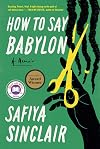
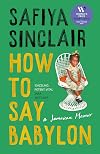
I will never look at dreadlocks the same way again. The author’s father is Rastafarian in Jamaica and raised his family to follow his strictures—his own interpretation of being a Rasta. While young, life was fine as a Rasta with its concomitant dreadlocks, but as the author matured, the father’s rules became increasingly harsher. Rastafarianism is a misogynistic and ascetic religion, for women. The author literally had to escape this life, and cutting her dreadlocks (see the cover) off was among the final acts of defiance and separation from this life-deadening religion. The author is one of Jamaica’s star poets, and this is her memoir. Highly recommended.
Members
- Recently Added By
Lists

Entertainment
174 works; 1 member

Obama Reads
181 works; 3 members

Books recommended by Barack Obama
295 works; 28 members

2024 Notable Books for Adults
26 works; 1 member

Simon & Schuster
136 works; 4 members

Top Five Books of 2024
795 works; 264 members

Best Audiobooks
240 works; 114 members

Read with Jenna
91 works; 2 members

BLM
210 works; 1 member

Books Read in 2026
1,920 works; 66 members
Author Information

3+ Works 661 Members
Awards and Honors
Awards
Distinctions
Notable Lists
Common Knowledge
- People/Characters
- Safiya Sinclair
- Important places
- Jamaica
- Dedication
- For Ife and Shari and Cataleya
and
She who is yet to come - First words
- Behind the veil of trees, night's voices shimmered. (Prologue)
- Last words
- (Click to show. Warning: May contain spoilers.)There was no one and nothing ahead of me now but the unending waves, the sky outpouring its wide expanse of horizon, and all this beckoning blue, all of tomorrow's sun, all mine.
- Blurbers
- Westover, Tara
Classifications
Statistics
- Members
- 553
- Popularity
- 53,576
- Reviews
- 35
- Rating
- (4.37)
- Languages
- Dutch, English, French, Swedish
- Media
- Paper, Audiobook, Ebook
- ISBNs
- 18
- ASINs
- 6