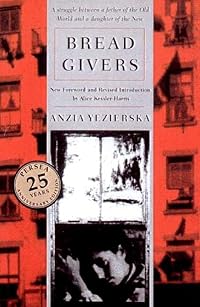
Bread Givers
by Anzia Yezierska
On This Page
Description
This masterwork of American immigrant literature is set in the 1920s on the Lower East Side of Manhattan and tells the story of Sara Smolinsky, the youngest daughter of an Orthodox rabbi, who rebels against her father's rigid conception of Jewish womanhood. Sarah's struggle towards independence and self-fulfillment resonates with a passion all can share. Compelling and beautifully written, Bread Givers is an essential historical work with enduring relevance.Tags
Recommendations



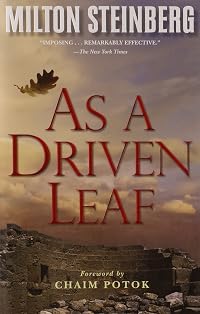

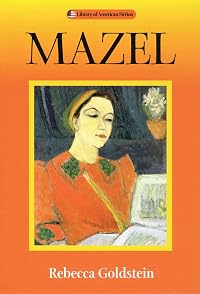

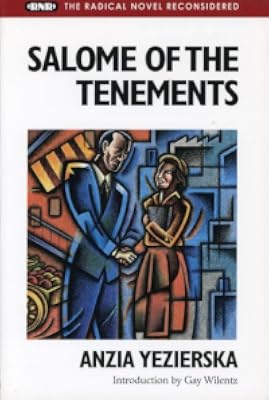

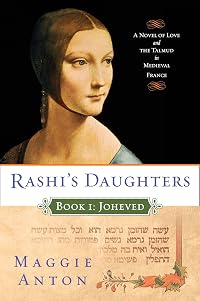










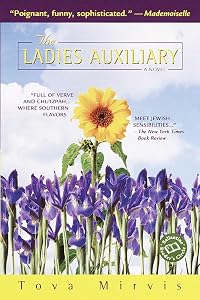
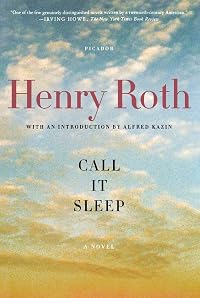
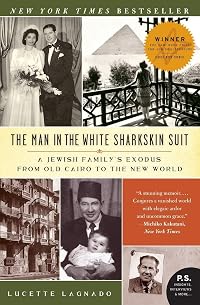
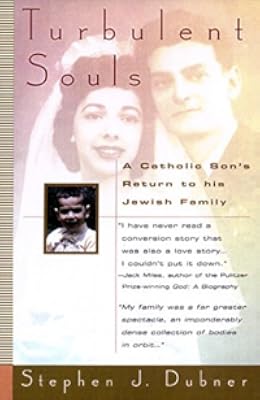





Member Recommendations
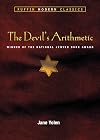
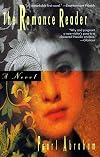
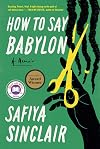
susanbooks Both books about girls growing into young women in the homes of religious patriarchs
Member Reviews
Bread Givers was written in 1925 but is still pertinent. Sara Smolinsky is one of 4 daughters of Polish Jews who immigrated to New York. There's not one healthy marriage in the group. Yet, her miserable mother and sisters insist that her ultimate life goal has to be marriage and babies while she insists on education. (Sound familiar?) As her father keeps insisting, a woman without a man is nothing. Well, that's not exactly right. They're workhorses, that's their job, and they take it on. How forgiving these women have to be. The father refers to himself, and husbands in general, as breadgivers, but the book shows who is in charge of nourishing the family if not themselves.
A pretty remarkable book! An immigrant story about our protagonist, Sara, her 3 sisters, her mother and her intensely devout and domineering Jewish father in 1920s NYC. I thoroughly enjoyed reading about Sara (and her sisters) trying to find their own place in the world and not just the world their father set out for them.
Yezierska's writing style was perfect for the type of story it was telling and her characters and imagery made me smile and laugh, tear up and shout at my book in frustration! Reb Smolinsky drove me up the wall but that's a testament to how well-written he was! I can imagine exactly the type of person he is and I know I would not get along with him! The family dynamics as a whole were highly enjoyable and I was show more rooting for the sisters at every turn. Even if the rapid succession of tragedies got to a point for me where it bordered on becoming comical, I found myself being enraptured by the strength of Sara's character and her story of utter determination. In a book like this it's so incredibly easy to have a predictable 'happily ever after' ending yet Yezierska really stuck the landing with a finale that wrenched my heart and left me with food for thought. There were absolutely times throughout the book where I wished its pace had slowed to give more time to explore the impacts of certain story beats but ultimately the quickness mimics the rush of the NYC streets that the book so depicts!
The dialect used was really enjoyable too (and I loved seeing the pronunciation of words in the New York accent being written down)
Sara Smolinsky you are too good for this world!! Would recommend :) show less
Yezierska's writing style was perfect for the type of story it was telling and her characters and imagery made me smile and laugh, tear up and shout at my book in frustration! Reb Smolinsky drove me up the wall but that's a testament to how well-written he was! I can imagine exactly the type of person he is and I know I would not get along with him! The family dynamics as a whole were highly enjoyable and I was show more rooting for the sisters at every turn. Even if the rapid succession of tragedies got to a point for me where it bordered on becoming comical, I found myself being enraptured by the strength of Sara's character and her story of utter determination. In a book like this it's so incredibly easy to have a predictable 'happily ever after' ending yet Yezierska really stuck the landing with a finale that wrenched my heart and left me with food for thought. There were absolutely times throughout the book where I wished its pace had slowed to give more time to explore the impacts of certain story beats but ultimately the quickness mimics the rush of the NYC streets that the book so depicts!
The dialect used was really enjoyable too (and I loved seeing the pronunciation of words in the New York accent being written down)
Sara Smolinsky you are too good for this world!! Would recommend :) show less
As a cultural artifact, published in 1925, this story of an Orthodox Jewish woman of the Lower East Side, subject to extreme poverty and to the domination of a father who strictly follows the religious tenets that demand women's subjugation, is probably still taking place in those communities in Brooklyn and upstate New York. Of four daughters, Sara Smolinsky is the one who decides that marriage and children are not her goals and strives to become a teacher and to escape her father's incessant scolding and stupid decisions and her mother's obedience. She wavers between love for her parents and her loathing of Rev Smolinsky's irrational control of their children's lives. Escaping away to college, Sara finds loneliness and poverty almost show more overwhelming, until a senior prize of $1000 (in those days!) and recognition from her classmates who had previously shunned her sets her up to return home in triumph. But her mother is on her deathbed as her father is wooing a widow upstairs, and her sisters are suffering from bad marriages arranged by her father. The resolution and Sara's independence are satisfying, and the writing is surprisingly modern and the plot suspenseful. show less
A fictionalized account of the author's life growing up in the Jewish ghetto of the lower east side of NY and her desperation to flee the poverty and her authoritarian father. As the described in the excellent introduction, the book has no subtleties. Sorting through the dramatizations are some interesting insights to the world of a Polish immigrant in the 1920's. The writing is in English but the yiddish cadence and phrasing is always there. An interesting bit of history despite its flaws.
Bread Givers, by Anzia Yezierska is a compelling book, not only in its vivid descriptions of life in Manhattan during the 1910s-1920s, but also its look into an Orthodox Jewish family, and its standards. It is a coming of age story, of the youngest of four daughters, told through her narration.
The familial patriarch is Rabbi Smolinksy, and his wife is Shenah, who is in awe of him, despite her nagging manner. His interactions, decisions and doctrine influence his daughters, Fania, Bessie, Mashah, and Sara in ways that mold their lives, in a negative manner. The three older daughters go along with his dogmatic and fanatical whims and attitude. His manipulations, rants and raves eventually cause them to give in to his dictates. The show more youngest daughter, Sara, learns at the age of ten, about the family dynamics, and how each daughter was expected to turn over their entire income to support the family. She learns what she wants early in life, due to her father’s looming presence and demands. She is very strong-willed. Family life is seen through her eyes, and they are the eyes of a three-dimensional person, a person of substance and depth.
The masterful writing of Anzia Yezierska has given us an inspiring character to admire. The past is ever present, no matter how hard we try to leave it behind. One world was trying to compete with another, and not always successfully, as culture clashes were abundant. The book has much historical value, giving the reader a perspective on the Jewish immigrant experience, and bringing the reader insight into the life of Jews trying to assimilate into the American/Manhattan social structure. show less
The familial patriarch is Rabbi Smolinksy, and his wife is Shenah, who is in awe of him, despite her nagging manner. His interactions, decisions and doctrine influence his daughters, Fania, Bessie, Mashah, and Sara in ways that mold their lives, in a negative manner. The three older daughters go along with his dogmatic and fanatical whims and attitude. His manipulations, rants and raves eventually cause them to give in to his dictates. The show more youngest daughter, Sara, learns at the age of ten, about the family dynamics, and how each daughter was expected to turn over their entire income to support the family. She learns what she wants early in life, due to her father’s looming presence and demands. She is very strong-willed. Family life is seen through her eyes, and they are the eyes of a three-dimensional person, a person of substance and depth.
The masterful writing of Anzia Yezierska has given us an inspiring character to admire. The past is ever present, no matter how hard we try to leave it behind. One world was trying to compete with another, and not always successfully, as culture clashes were abundant. The book has much historical value, giving the reader a perspective on the Jewish immigrant experience, and bringing the reader insight into the life of Jews trying to assimilate into the American/Manhattan social structure. show less
I really enjoyed this book. I think this may be the first time I enjoyed a book I read for school. It was educational, really well written, super easy to read and a really interesting story that shows you what life was like for immigrants in America in the 1920s. Full of imagery and amazing themes. I extremely EXTREMELY hated the father in the novel. He was disgusting and horrible and offensive and rude and hypocritical and wow.
Even though this may not be a book you'd be interested in and it's not a typical book a lot of you would read, I really recommend reading this book.
Book Challenge book #45: A Book With A Food In The Title
Even though this may not be a book you'd be interested in and it's not a typical book a lot of you would read, I really recommend reading this book.
Book Challenge book #45: A Book With A Food In The Title
Sara Smolinsky lives in a crowded, dreary tenement apartment on the east side of New York City with her Orthodox rabbi father, her hard-working mother and her three sisters. The youngest of her siblings, Sara watches as her tyrannical father berates and verbally abuses them. One by one, Sara’s sisters give up their dreams of marrying for love and find themselves matched to men who are gamblers, liars, and misogynists. Sara’s determination and iron will to make something of herself causes her to run away at age seventeen with the dream of going to college to become a teacher. Yet even when she achieves her goal, she is unable to completely free herself from the past.
Bread Givers is a novel about the clash of traditional and modern; show more the immigrant experience in the 1920s; the myth of the American Dream; hypocrisy in religion; and the dawn of women’s rights. Set in New York City’s east side, the book explores the horror of poverty and the drudgery of work in the sweat shops and on the streets to earn a few pennies for a loaf of bread and a bit of soup. Hard work, unhappiness, and poverty take their toll on each character in turn.
Beauty was in that house. But it had come out of Mashah’s face. The sunny colour of her walls had taken the colour out of her cheeks. The shine of her pots and pans had taken the lustre out of her hair. And the soda with which she had scrubbed the floor so clean, and laundered her rags to white, had burned in and eaten the beauty out of her hands. – from Bread Givers, page 147 -
Sara narrates her story beginning at the age of ten and continuing through her teens and into adulthood. Often the language of the novel is awkward with unusual word choices – reading like a work in translation. It was hard for me to understand if this was intentional (as a way to demonstrate the stilted English of an immigrant) or unintentional, but the end result was a novel that felt unedited or in draft form.
A review of Bread Givers would not be complete without an examination of one of the central characters. Reb Smolinsky, Sara’s father, is a man drenched in the piousness of his religion and filled with hypocrisy. He preaches that material gain on earth will make Heaven unattainable, yet he clings to his daughters for the money they bring in to support him and ruins his family with a bad business deal which he sees as a get rich quick scheme.
“What! Sell my religion for money? Become a false prophet to the Americanized Jews! No. My religion is not for sale. I only want to go into business so as to keep sacred my religion. I want to get into some quick money-making thing that will not take up too many hours a day, so I could get most of my time for learning.” – from Bread Givers, page 111 -
Reb Smolinsky is a tyrant, a bully, and a misogynist. His views of women are steeped in tradition and rigidly held. When it comes to his daughters, he does not consider their happiness, but instead looks at what they can offer him.
The prayers of his daughters didn’t count because God didn’t listen to women. Heaven and the next world were only for men. Women could get into Heaven because they were wives and daughters of men. Women had no brains for the study of God’s Torah, but they could be the servants of men who studied the Torah. Only if they cooked for the men, and washed for the men, and didn’t nag or curse the men out of their homes; only if they let the men study the Torah in peace, then, maybe, they could push themselves into Heaven with the men, to wait on them there. – from Bread Givers, page 9 -
But, despite the flaws in Reb Smolinsky, he does manage to give his youngest daughter the will and determination to seek her own happiness. When Sara flees her horrible home life and strikes out on her own, she learns something about sacrifice to achieve her goals. She also begins to appreciate the traits in her father which she now sees in herself.
I had it from Father, this ingrained something in me that would not let me take the mess of pottage. – from Bread Givers, page 202 -
Anzia Yezierska lived a very similar life to her protagonist Sara. Brought up in abject poverty as a Polish immigrant, she fled her family at age seventeen to make a life for herself. In Bread Givers, perhaps her most autobiographical work, she explores the themes of her own childhood and young adulthood.
Bread Givers is a simple and familiar story of rags to riches. This is not a book which blew me away with its writing (in fact, the writing is, in many ways, flawed), but I do think it offers a glimpse into the immigrant experience in America. My biggest complaint is that the characters are stereotypical: the father is too evil, the mother too downtrodden and sacrificing, the sisters too compliant to the old world traditions, the heroine too successful at finding her happiness. Despite this, I do think Bread Givers will appeal to some readers who are interested in immigration and feminist issues during the early part of the twentieth century as it provides a backdrop to a larger discussion. show less
Bread Givers is a novel about the clash of traditional and modern; show more the immigrant experience in the 1920s; the myth of the American Dream; hypocrisy in religion; and the dawn of women’s rights. Set in New York City’s east side, the book explores the horror of poverty and the drudgery of work in the sweat shops and on the streets to earn a few pennies for a loaf of bread and a bit of soup. Hard work, unhappiness, and poverty take their toll on each character in turn.
Beauty was in that house. But it had come out of Mashah’s face. The sunny colour of her walls had taken the colour out of her cheeks. The shine of her pots and pans had taken the lustre out of her hair. And the soda with which she had scrubbed the floor so clean, and laundered her rags to white, had burned in and eaten the beauty out of her hands. – from Bread Givers, page 147 -
Sara narrates her story beginning at the age of ten and continuing through her teens and into adulthood. Often the language of the novel is awkward with unusual word choices – reading like a work in translation. It was hard for me to understand if this was intentional (as a way to demonstrate the stilted English of an immigrant) or unintentional, but the end result was a novel that felt unedited or in draft form.
A review of Bread Givers would not be complete without an examination of one of the central characters. Reb Smolinsky, Sara’s father, is a man drenched in the piousness of his religion and filled with hypocrisy. He preaches that material gain on earth will make Heaven unattainable, yet he clings to his daughters for the money they bring in to support him and ruins his family with a bad business deal which he sees as a get rich quick scheme.
“What! Sell my religion for money? Become a false prophet to the Americanized Jews! No. My religion is not for sale. I only want to go into business so as to keep sacred my religion. I want to get into some quick money-making thing that will not take up too many hours a day, so I could get most of my time for learning.” – from Bread Givers, page 111 -
Reb Smolinsky is a tyrant, a bully, and a misogynist. His views of women are steeped in tradition and rigidly held. When it comes to his daughters, he does not consider their happiness, but instead looks at what they can offer him.
The prayers of his daughters didn’t count because God didn’t listen to women. Heaven and the next world were only for men. Women could get into Heaven because they were wives and daughters of men. Women had no brains for the study of God’s Torah, but they could be the servants of men who studied the Torah. Only if they cooked for the men, and washed for the men, and didn’t nag or curse the men out of their homes; only if they let the men study the Torah in peace, then, maybe, they could push themselves into Heaven with the men, to wait on them there. – from Bread Givers, page 9 -
But, despite the flaws in Reb Smolinsky, he does manage to give his youngest daughter the will and determination to seek her own happiness. When Sara flees her horrible home life and strikes out on her own, she learns something about sacrifice to achieve her goals. She also begins to appreciate the traits in her father which she now sees in herself.
I had it from Father, this ingrained something in me that would not let me take the mess of pottage. – from Bread Givers, page 202 -
Anzia Yezierska lived a very similar life to her protagonist Sara. Brought up in abject poverty as a Polish immigrant, she fled her family at age seventeen to make a life for herself. In Bread Givers, perhaps her most autobiographical work, she explores the themes of her own childhood and young adulthood.
Bread Givers is a simple and familiar story of rags to riches. This is not a book which blew me away with its writing (in fact, the writing is, in many ways, flawed), but I do think it offers a glimpse into the immigrant experience in America. My biggest complaint is that the characters are stereotypical: the father is too evil, the mother too downtrodden and sacrificing, the sisters too compliant to the old world traditions, the heroine too successful at finding her happiness. Despite this, I do think Bread Givers will appeal to some readers who are interested in immigration and feminist issues during the early part of the twentieth century as it provides a backdrop to a larger discussion. show less
Members
- Recently Added By
Lists

Jewish Books
367 works; 24 members

Books Set in New York City
127 works; 21 members

500 Great Books by Women
507 works; 60 members

Recommendations for Ezra
12 works; 1 member

JBC's Classic Jewish Literature
5 works; 1 member
Author Information

Some Editions
Awards and Honors
Work Relationships
Has as a student's study guide
Common Knowledge
- Canonical title
- Bread Givers
- Original publication date
- 1925
- People/Characters
- Sara Smolinsky; Reb Moishe Smolinsky; Hugo Seelig
- Important places
- Hester Street, New York, New York, USA; Elizabeth, New Jersey, USA
- Dedication
- To Clifford Smyth To Whose understanding criticism and inspiration I owe more than I can ever express
- First words
- I had just begun to peel the potatoes for dinner when my oldest sister Bessie came in, her eyes far away and very tired.
- Last words
- (Click to show. Warning: May contain spoilers.)It wasn't just my father, but the generations who made my father whose weight was still upon me.
- Blurbers
- Gornick, Vivian
- Original language
- English
Classifications
- Genres
- Fiction and Literature, General Fiction, Historical Fiction
- DDC/MDS
- 813.52 — Literature & rhetoric American literature in English American fiction in English 1900-1999 1900-1945
- LCC
- PS3547 .E95 .B74 — Language and Literature American literature American literature Individual authors 1900-1960
- BISAC
Statistics
- Members
- 1,352
- Popularity
- 17,674
- Reviews
- 31
- Rating
- (3.58)
- Languages
- English
- Media
- Paper, Audiobook, Ebook
- ISBNs
- 23
- ASINs
- 13