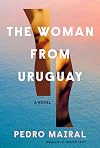
The Woman from Uruguay
by Pedro Mairal
On This Page
Description
New York Times Book ReviewEditors' Choice From acclaimed Argentine author Pedro Mairal and Man Booker International-winning translator Jennifer Croft, the unforgettable story of two would-be lovers over the course of a single day. Lucas Pereyra, an unemployed writer in his forties, embarks on a day trip from Buenos Aires to Montevideo to pick up fifteen thousand dollars in cash. An advance due to him on his upcoming novel, the small fortune might mean the solution to his problems, most show more importantly the tension he has with his wife. While she spends her days at work and her nights out on the town--with a lover, perhaps, he doesn't know for sure--Lucas is stuck at home all day staring at the blank page, caring for his son Maiko and fantasizing about the one thing that keeps him going: the woman from Uruguay whom he met at a conference and has been longing to see ever since. But that woman, Magalí Guerra Zabala, is a free spirit with her own relationship troubles, and the day they spend together in this beautiful city on the beach winds up being nothing like Lucas predicted. The constantly surprising, moving story of this dramatically transformative day in their lives, The Woman from Uruguay is both a gripping narrative and a tender, thought-provoking exploration of the nature of relationships. An international bestseller published in fourteen countries, it isthe masterpiece of one of the most original voices in Latin American literature today. show lessTags
Recommendations





























Member Recommendations

Member Reviews
Novela corta casi de humor en la que un tipo que tiene una vida bastante cercana a la que él mismo se había proyectado, lo tira todo por la borda con la frivolidad de un adolescente con acné viendo porno austro-húngaro.
Al margen de que el lenguaje coloquial de un argentino porteño, al igual que el de Guerra, la uruguaya, con todos esos giros y palabros del hablar que los caracteriza, y los diferencia también, son música para mis oídos, la historia contada por Lucas a su mujer Catalina de todo lo acontecido en el día desde su salida de casa en Buenos Aires para dirigirse a Montevideo para cobrar un dinero que dos editoriales han depositado en una cuenta abierta por él, y evitar así pagar impuestos, te envuelve como en un show more thriller hasta ese fin desastroso que no deja de ser el revulsivo para romper con todas las mentiras de la vida que lleva y comenzar una nueva: "Si no podés con la vida, probá con la vidita"
Pese a ser una historia vieja, la de Lucas lleva unos aderezos que la actualizan, y no sólo por la cantidad de información de actualidad con la que el prota contextualiza sus idioteces.
El bonus track es una posible guía diferente tanto de Montevideo como de Buenos Aires, tanto para recordar como para descubrir ambas ciudades. show less
Al margen de que el lenguaje coloquial de un argentino porteño, al igual que el de Guerra, la uruguaya, con todos esos giros y palabros del hablar que los caracteriza, y los diferencia también, son música para mis oídos, la historia contada por Lucas a su mujer Catalina de todo lo acontecido en el día desde su salida de casa en Buenos Aires para dirigirse a Montevideo para cobrar un dinero que dos editoriales han depositado en una cuenta abierta por él, y evitar así pagar impuestos, te envuelve como en un show more thriller hasta ese fin desastroso que no deja de ser el revulsivo para romper con todas las mentiras de la vida que lleva y comenzar una nueva: "Si no podés con la vida, probá con la vidita"
Pese a ser una historia vieja, la de Lucas lleva unos aderezos que la actualizan, y no sólo por la cantidad de información de actualidad con la que el prota contextualiza sus idioteces.
El bonus track es una posible guía diferente tanto de Montevideo como de Buenos Aires, tanto para recordar como para descubrir ambas ciudades. show less
War and Peace in Montevideo
Translated by Jennifer Croft
Read by David Desantos
Length:~4 hours
Up until the last 10 pages I thought I’d found a perfect gem of a book, but even though the ending seemed rushed, I will always remember it fondly.
It’s essentially a comedy of a man’s errors as he, a married middle-aged writer called Lucas tries to satisfy his lust for a girl called Guerra. Lucas has just one day to accomplish this act that he has dreamed of for six months.
Guerra is bold and beautiful. Lucas has arranged to meet her for lunch during his one day trip from Buenos Aires to Uruguay where Guerra lives. I liked Guerra from the moment she said, on realizing Lucas’s sole intention was to bed her, she tells I’m that “men will show more fck anything that moves, and the only reason they don’t have sex with their sisters is that their sisters won’t let them. And even perhaps their mothers…” though Lucas, horrified cuts her short on this.
From the moment Guerra turns up at the restaurant we realize things will not run smoothly for Lucas. Guerra brings a borrowed pit bull to their lunch meeting.
“Years and years of genetic manipulation had edged it toward what it was today: a jaw of a dog, rough, tough, a canine cudgel of lethal chomps, a Tasmanian devil with a huge square head.”
They go shopping, get high on beer and marijuana, visit a tattoo parlor . Lucas who has never had a tattoo in his life has a one inked onto a shoulder. Stoned, he chooses a Celtic symbol for war to remember Guerra, and considers having Paz tattooed on his other shoulder but Guerra tells him his wife may find it suspicious.
We follow Lucas’s trip and trips from his home to Uruguay and back . We meet his fellow travelers who annoy him, as he only wants to think of Guerra and how on earth he’s going to explain his tattoo to his wife.
‘Toward the middle of the bus across the way a guy answered his cellphone and started screeching into it. He was eplaining something to his secretary coordinating shifts. He was a doctor. He was imposing his bellowing upon the sleep and daydreams of all the other passengers, his scheduling issues, his abuse of that woman who was just trying to put his messy commitments in order. “You can put off the medical group thing until October. For the love of god Isabel don’t plug everything into the same week. Give it just a tiny bit of thought.” I’ve never liked male doctors.’
As Lucas lurches from one comedic disaster to another we realise he is writing the novella as a confession to his wife.
There are plenty of side events as Lucas’s conquest becomes increasingly unlikely, and the main disaster which I can’t mention here for spoiler reasons keeps the reader engrossed.
But toward the end, Pedro Mairal appears to lose interest and rushes through the denouement and its aftermath. A pity as the book is as funny as hell and it’s disappointing that the ending disappoints.
Still it’s all worth it. I recommend this novella. A short but smart read. show less
Translated by Jennifer Croft
Read by David Desantos
Length:~4 hours
Up until the last 10 pages I thought I’d found a perfect gem of a book, but even though the ending seemed rushed, I will always remember it fondly.
It’s essentially a comedy of a man’s errors as he, a married middle-aged writer called Lucas tries to satisfy his lust for a girl called Guerra. Lucas has just one day to accomplish this act that he has dreamed of for six months.
Guerra is bold and beautiful. Lucas has arranged to meet her for lunch during his one day trip from Buenos Aires to Uruguay where Guerra lives. I liked Guerra from the moment she said, on realizing Lucas’s sole intention was to bed her, she tells I’m that “men will show more fck anything that moves, and the only reason they don’t have sex with their sisters is that their sisters won’t let them. And even perhaps their mothers…” though Lucas, horrified cuts her short on this.
From the moment Guerra turns up at the restaurant we realize things will not run smoothly for Lucas. Guerra brings a borrowed pit bull to their lunch meeting.
“Years and years of genetic manipulation had edged it toward what it was today: a jaw of a dog, rough, tough, a canine cudgel of lethal chomps, a Tasmanian devil with a huge square head.”
They go shopping, get high on beer and marijuana, visit a tattoo parlor . Lucas who has never had a tattoo in his life has a one inked onto a shoulder. Stoned, he chooses a Celtic symbol for war to remember Guerra, and considers having Paz tattooed on his other shoulder but Guerra tells him his wife may find it suspicious.
We follow Lucas’s trip and trips from his home to Uruguay and back . We meet his fellow travelers who annoy him, as he only wants to think of Guerra and how on earth he’s going to explain his tattoo to his wife.
‘Toward the middle of the bus across the way a guy answered his cellphone and started screeching into it. He was eplaining something to his secretary coordinating shifts. He was a doctor. He was imposing his bellowing upon the sleep and daydreams of all the other passengers, his scheduling issues, his abuse of that woman who was just trying to put his messy commitments in order. “You can put off the medical group thing until October. For the love of god Isabel don’t plug everything into the same week. Give it just a tiny bit of thought.” I’ve never liked male doctors.’
As Lucas lurches from one comedic disaster to another we realise he is writing the novella as a confession to his wife.
There are plenty of side events as Lucas’s conquest becomes increasingly unlikely, and the main disaster which I can’t mention here for spoiler reasons keeps the reader engrossed.
But toward the end, Pedro Mairal appears to lose interest and rushes through the denouement and its aftermath. A pity as the book is as funny as hell and it’s disappointing that the ending disappoints.
Still it’s all worth it. I recommend this novella. A short but smart read. show less
The Woman from Uruguay is a curious novel about the calamities that befall a down on his luck novelist. His marriage is falling apart, he dreams of a woman he barely knows and he’s willing to break import laws to collect money for his work (some of which he hasn’t written yet) at a better exchange rate. Welcome to Lucas’ world.
The novella is written as Lucas explains to his wife in a kind of letter/confession what went on the day he travelled to Uruguay to pick up his money (for the better exchange rate) and see an old friend. But he also has other plans – meet with a woman he met at a conference and have sex with her. During the day, his plans go completely awry and involve a ukulele and a tattoo. It’s a mix of the downfall show more of a marriage with some oddly comedic moments as Lucas tries to get Guerra into bed several times but is thwarted.
Lucas is an odd character, full of contradictions. He is strangely obsessed that his wife may be having an affair, but doesn’t hold himself to the same standard, having flings with Guerra and his university students. Likewise, the money he is collecting in Uruguay will pay off his debts, but he spends it frivolously on a hotel room and the aforementioned tattoo and ukulele. He complains that he doesn’t have time to write the way he wants away from his son, yet takes no opportunity to do (e.g., on the ferry on the way to Montevideo). I found him quite unlikeable until everything turned pear shaped for him. This wasn’t because I was happy to see his downfall, but rather that Lucas’ tone changed when he hit rock bottom. He starts to face up to his faults, rather than complain he has been wronged – almost like a late coming of age (or a midlife crisis).
Jennifer Croft has done marvellous work with the translation. The fantastic writing is what kept me reading in the midst of the unlikeable narrator.
Thank you to Bloomsbury for the ARC. My review is honest.
http://samstillreading.wordpress.com show less
The novella is written as Lucas explains to his wife in a kind of letter/confession what went on the day he travelled to Uruguay to pick up his money (for the better exchange rate) and see an old friend. But he also has other plans – meet with a woman he met at a conference and have sex with her. During the day, his plans go completely awry and involve a ukulele and a tattoo. It’s a mix of the downfall show more of a marriage with some oddly comedic moments as Lucas tries to get Guerra into bed several times but is thwarted.
Lucas is an odd character, full of contradictions. He is strangely obsessed that his wife may be having an affair, but doesn’t hold himself to the same standard, having flings with Guerra and his university students. Likewise, the money he is collecting in Uruguay will pay off his debts, but he spends it frivolously on a hotel room and the aforementioned tattoo and ukulele. He complains that he doesn’t have time to write the way he wants away from his son, yet takes no opportunity to do (e.g., on the ferry on the way to Montevideo). I found him quite unlikeable until everything turned pear shaped for him. This wasn’t because I was happy to see his downfall, but rather that Lucas’ tone changed when he hit rock bottom. He starts to face up to his faults, rather than complain he has been wronged – almost like a late coming of age (or a midlife crisis).
Jennifer Croft has done marvellous work with the translation. The fantastic writing is what kept me reading in the midst of the unlikeable narrator.
Thank you to Bloomsbury for the ARC. My review is honest.
http://samstillreading.wordpress.com show less
3.5 Masterful writing, difficult topic and translation, though excellent still sometimes hampers understanding, more in cultural or political backstory. The first-person narrator is a victim: in part of his own machismo and selfishness, and literally in the course of the story's action, of a crime. Lucas Pereya is a writer and this book is an explanation to his wronged wife of the events of a single day that had larger repercussions. Apparently banking laws in Argentina are such that the government takes a huge chunk in taxes, so the narrator funnels his money through a bank in Montevideo, Uruguay. The day he goes to retrieve it, he also sets up a tryst with a young woman, nicknamed Guerra (war!), whom he met at a publishing event a few show more months prior. They have been communicating over email. He is also going to have dinner with an old friend, as a cover. Pereya is looking forward to this excursion, not only for the meet-up, but also to escape his young son Maiko and his humdrum marriage to Catalina, who has been supporting them. "Same place, same routines, same diet, simultaneous sex life, identical stimuli, share temperature, income, fears, incentives, walks, plans....what kind of two headed monster gets created that way? You get symmetrical with your partner, metabolisms synchronize, you operate as mirror images; a binary being with a single set of desires. And the kids are there to giftwrap that lockstep and slap an eternal bow on it. The idea is pure suffocation." His wife works in a fund-raising aspect of medicine, and he suspects her of having an affair with a doctor, in part to justify his own transgression. His tirade against doctors is pretty funny: 'Sons of bitches, rapid-fire predators, insurance butchers....serial abusers, time thieves, health thieves, I hope they get a hell that's a waiting room that has magazines with their pages all stuck together....." so his mood is rather volatile for the day. First stop the bank, where he gets $15,000 in cash, which he puts in a money belt. He is aware of the potential for theft. Then he gets a hotel room for his upcoming rendezvous. Not a spoiler - he never gets to use it. Then the money burns a hole in his pocket and he gets some drinks, meets his potential lover, and together they get drunk and high. "I was living my life. Enough sublimating into literature, making up stories. I wanted to live." The rest of his day could only be a dramatic novel, with all that happens and all that he hints at transpires. And then the return home and a reckoning. He says: "I was in a choose-your-own-adventure moment and all the adventures I had in mind ended badly." I think we are not meant to like Lukas all that much, though I did end up feeling a little sympathy for him, more in a pitying way. I appreciated the sharp writing that kept the single day in focus, and allowed for a lot of main character revelation in a short book. From the book jacket: '...a gripping narrative and a tender, thought-provoking exploration of the nature of relationships.' Agreed. show less
Argentinian author Lucas Pereyra has passed his 40s and displays all the symptoms of a mid-life crisis. He is suffering from writer’s block, his finances are in bad shape, and he suspects that his wife Catalina is having an affair. But a turn of fortune beckons. Lucas is due a substantial payment on foreign sales of his work, and he plans to travel from Buenos Aires where he resides, across the River Plate, to Montevideo, in order to smuggle the sum in cash back to Argentina, dodging taxes. If he succeeds, Lucas can then settle down, concentrate on his writing, and start to gather the lost pieces of his life.
But Lucas also has another reason to visit Montevideo: meeting the young woman of the title – Guerra – with whom he had show more gotten acquainted at a writers’ event. His infatuation with Guerra gives Lucas a taste of youth, and his increasingly desperate attempts to seduce her are worthy of a love-struck teenager.
It is hardly a spoiler to state that things will not go exactly as planned. The novel(la) plays out over Lucas’s eventful day, giving us an insight into his psyche. He is, obviously a flawed character. Even a middle-aged male reader such as I, while more forgiving of the protagonist’s foibles, recognise that Lucas can be ego(t)istic, vain, sexist and, in some of his choices, incredibly short-sighted. Yet, there is a thread of endearing self-irony running through his monologues, turning Lucas into a tragicomic figure as we hurtle towards the novel’s bittersweet conclusion. The narrative voice is perfectly pitched, and brilliantly conveyed in Jennifer Croft’s translation. Pedro Mairal mixes suspense and comedy, philosophical insight and slapstick to create an entertaining and well-observed novel.
https://endsoftheword.blogspot.com/2022/02/the-woman-from-uruguay-by-pedro-maira... show less
But Lucas also has another reason to visit Montevideo: meeting the young woman of the title – Guerra – with whom he had show more gotten acquainted at a writers’ event. His infatuation with Guerra gives Lucas a taste of youth, and his increasingly desperate attempts to seduce her are worthy of a love-struck teenager.
It is hardly a spoiler to state that things will not go exactly as planned. The novel(la) plays out over Lucas’s eventful day, giving us an insight into his psyche. He is, obviously a flawed character. Even a middle-aged male reader such as I, while more forgiving of the protagonist’s foibles, recognise that Lucas can be ego(t)istic, vain, sexist and, in some of his choices, incredibly short-sighted. Yet, there is a thread of endearing self-irony running through his monologues, turning Lucas into a tragicomic figure as we hurtle towards the novel’s bittersweet conclusion. The narrative voice is perfectly pitched, and brilliantly conveyed in Jennifer Croft’s translation. Pedro Mairal mixes suspense and comedy, philosophical insight and slapstick to create an entertaining and well-observed novel.
https://endsoftheword.blogspot.com/2022/02/the-woman-from-uruguay-by-pedro-maira... show less
"Si no podés con la Vida, probá con la vidita..."
Pedro Mairal (primer hombre que leo este año) te lleva a un rápido viaje entre Buenos Aires y Montevideo (que son más que un escenario, personajes) y en menos de 170 páginas y un frenético estado de random thoughts revisa su vida, su matrimonio, las relaciones, la paternidad, su carrera y toma una serie de decisiones que harán que todo se transforme. Pasas de la risa, al deseo, a la melancolía y a ratos, hasta se te detiene la respiración. Después de un viaje profundo -hacia dentro-, supongo que nada vuelve a ser igual... tal vez esas sean las verdaderas crisis de edad.
Pedro Mairal (primer hombre que leo este año) te lleva a un rápido viaje entre Buenos Aires y Montevideo (que son más que un escenario, personajes) y en menos de 170 páginas y un frenético estado de random thoughts revisa su vida, su matrimonio, las relaciones, la paternidad, su carrera y toma una serie de decisiones que harán que todo se transforme. Pasas de la risa, al deseo, a la melancolía y a ratos, hasta se te detiene la respiración. Después de un viaje profundo -hacia dentro-, supongo que nada vuelve a ser igual... tal vez esas sean las verdaderas crisis de edad.
But yeah solid piece of work nice look into a middle aged man’s psyche
Members
- Recently Added By
Lists

Books Read in 2018
4,360 works; 110 members

Top Five Books of 2024
795 works; 264 members
Author Information

Some Editions
Awards and Honors
Awards
Notable Lists
Common Knowledge
- Canonical title
- The Woman from Uruguay
- Original title
- La uruguaya
Classifications
- Genres
- Fiction and Literature, General Fiction
- DDC/MDS
- 863.64 — Literature & rhetoric Spanish Literature Spanish fiction 20th Century 1945-2000
- LCC
- PQ7798.23 .A369 .U78 — Language and Literature French, Italian, Spanish and Portuguese literatures Spanish literature Provincial, local, colonial, etc. Spanish America
- BISAC
Statistics
- Members
- 233
- Popularity
- 140,083
- Reviews
- 22
- Rating
- (3.49)
- Languages
- 7 — Dutch, English, French, German, Portuguese, Serbian, Spanish
- Media
- Paper, Audiobook, Ebook
- ISBNs
- 22
- ASINs
- 9