Hush: An Irish Princess' Tale
by Donna Jo Napoli
On This Page
Description
Fifteen-year-old Melkorka, an Irish princess, is kidnapped by Russian slave traders and not only learns how to survive but to challenge some of the brutality of her captors, who are fascinated by her apparent muteness and the possibility that she is enchanted.Tags
Recommendations
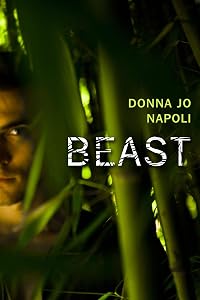
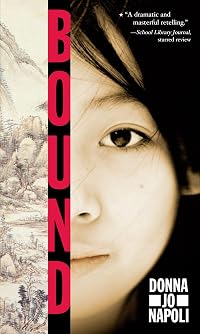
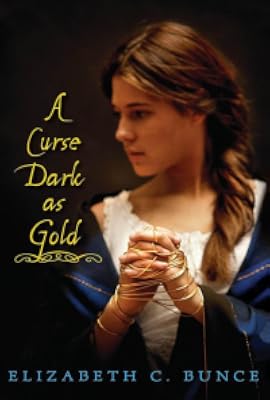
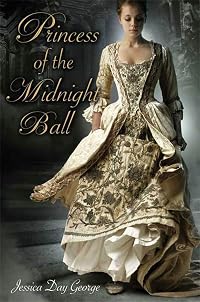
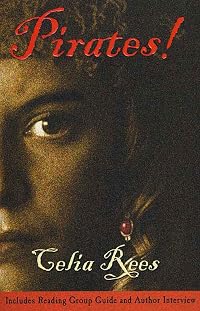
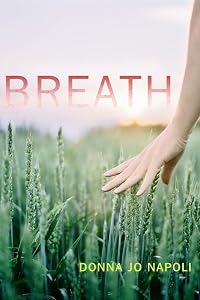
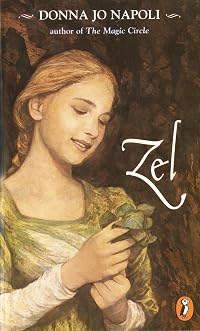

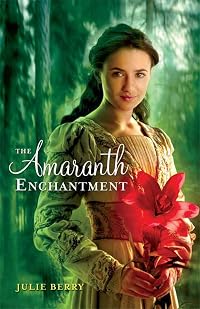
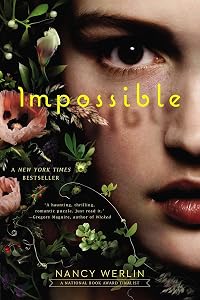
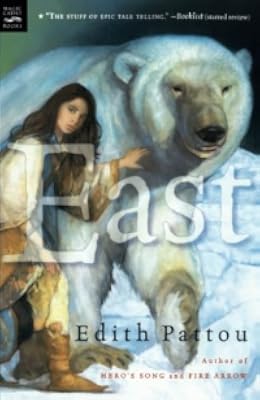
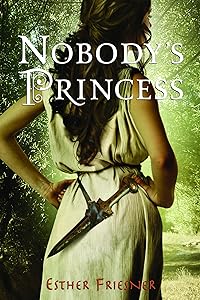
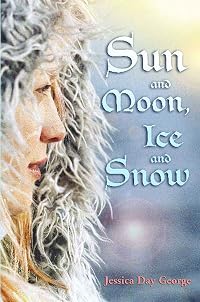
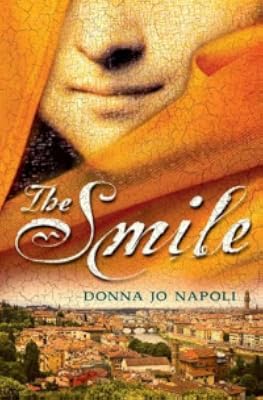
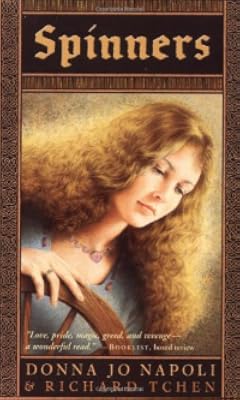
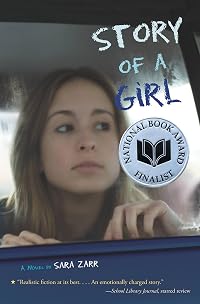
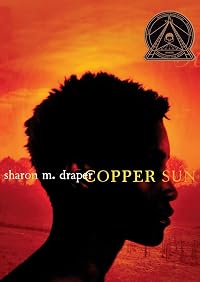
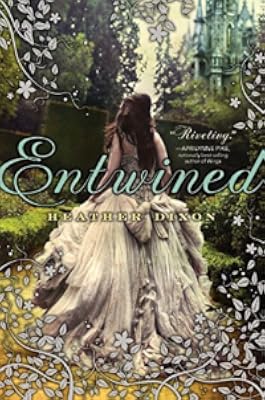
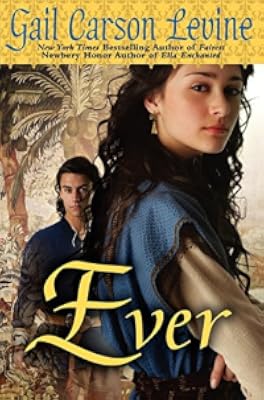

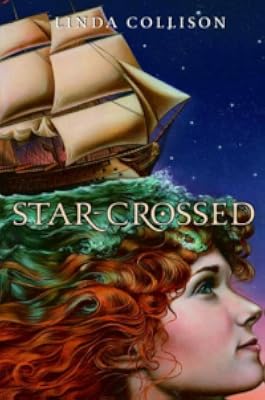
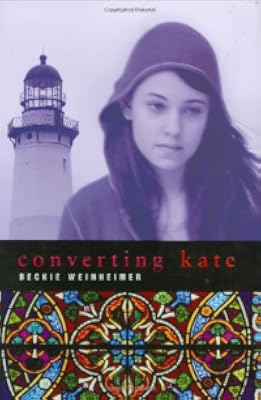

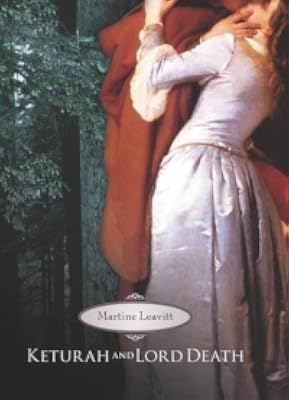
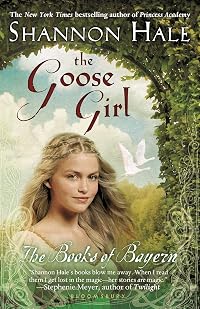
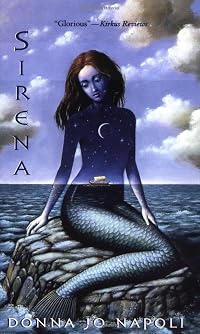
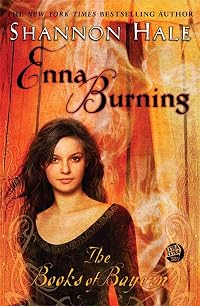
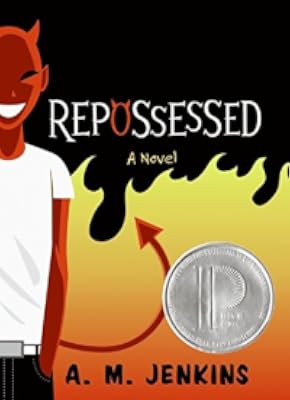

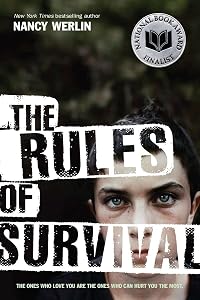
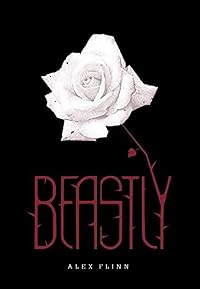
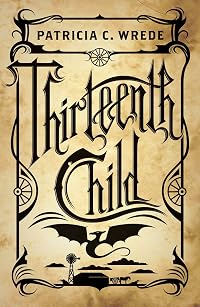
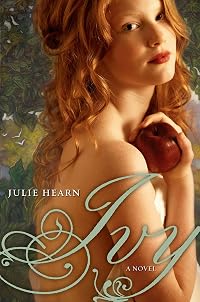
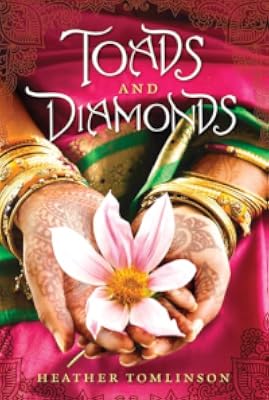
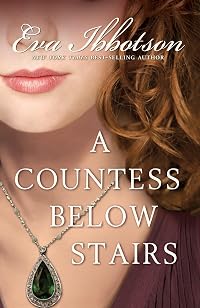
Member Recommendations
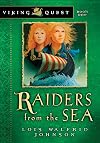
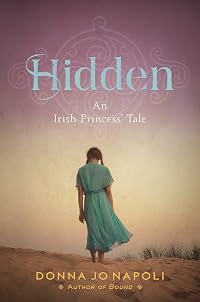
cateringforcuriosity Both feature a girl kidnapped by Vikings who become a particular favorite of their captors. Raiders from the Sea is very faith-based and more appropriate for younger readers, while Hush is aimed for a young adult audience.
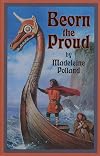
cateringforcuriosity Both feature a girl kidnapped by Vikings who become a particular favorite of their captors. Beorn the Proud is faith-based and more appropriate for younger readers, while Hush is aimed for a young adult audience.
Member Reviews
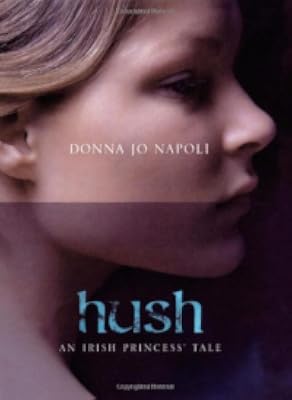
I'm not going to lie, I bought Hush on pure cover/title appeal (it was $3! Why not?). Gladly, I wasn't disappointed. Hush expands on a very small part of an Icelandic saga, filling it out and bringing it to life quite nicely. It follows Melkorka, an Irish princess who is kidnapped by slave traders. While being transported aboard their longboat, Melkorka refuses to speak; coupled with other circumstances, her silence leads the leader of the slave traders to think she has powers, and he both reveres and fears her. This made for interesting interactions, and made Melkorka's whole journey more intriguing. Not to mention, I seem to have a thing for silent characters. It's such an interesting plot device, when done well.
What I liked most show more about this, I think, is that Napoli wasn't afraid to explore the harsher realities of Melkorka's life and the times she lived in. This is not a sugar-coated story; bad things happen. It felt very much like she was trying to truly explore and portray the life Melkorka-from-the-saga may have lived. Things are grim; people are feudal and rampaging - but still people, and still capable of all that's good and all that's bad in human nature. This is true of Melkorka, too. She doesn't start out a very likeable heroine. She starts out spoiled and haughty and not a very sympathetic character at all. But she grows and learns; it's a very wheel of fortune (the philosophy, not the game show) type of story. She starts on top, and like most people when they're at the top of the wheel, thinking they'll never hit the bottom, Melkorka looks down on those below her, and is sneering and if not cruel, then certainly not warm. Her family owns slaves themselves, so when Melkorka becomes one, it is obviously quite an adjustment to her world view. But this in keeping with the times and the saga, and it makes for a really interesting read.
That being said, you have to get there to enjoy it -- Melkorka doesn't make it easy to read in the beginning because it's hard to find her enjoyable or to want to root for her. This may turn some readers off and keep them from finishing, and it may make others never really care what she goes through. There were also a couple of things that I found to be too convenient and obvious plot devices, which may put readers off. I also think that those unfamiliar with the saga it's based on (and therefore unprepared for the ending and the lack of resolution) will be quite angry at the end. Especially those who are eternally on the hunt for happy endings.
But those who don't mind some struggle and harshness -- and a good dose of reality -- will likely be won over by this telling, though I do agree with Heather (a Goodreads friend) that I would have liked to see this done as an adult story, where we could really explore and dig our teeth in. At the very least, I would have liked to see the story taken farther into Melkorka's life; though I understand the motivations to end it when Napoli did. show less
What I liked most show more about this, I think, is that Napoli wasn't afraid to explore the harsher realities of Melkorka's life and the times she lived in. This is not a sugar-coated story; bad things happen. It felt very much like she was trying to truly explore and portray the life Melkorka-from-the-saga may have lived. Things are grim; people are feudal and rampaging - but still people, and still capable of all that's good and all that's bad in human nature. This is true of Melkorka, too. She doesn't start out a very likeable heroine. She starts out spoiled and haughty and not a very sympathetic character at all. But she grows and learns; it's a very wheel of fortune (the philosophy, not the game show) type of story. She starts on top, and like most people when they're at the top of the wheel, thinking they'll never hit the bottom, Melkorka looks down on those below her, and is sneering and if not cruel, then certainly not warm. Her family owns slaves themselves, so when Melkorka becomes one, it is obviously quite an adjustment to her world view. But this in keeping with the times and the saga, and it makes for a really interesting read.
That being said, you have to get there to enjoy it -- Melkorka doesn't make it easy to read in the beginning because it's hard to find her enjoyable or to want to root for her. This may turn some readers off and keep them from finishing, and it may make others never really care what she goes through. There were also a couple of things that I found to be too convenient and obvious plot devices, which may put readers off. I also think that those unfamiliar with the saga it's based on (and therefore unprepared for the ending and the lack of resolution) will be quite angry at the end. Especially those who are eternally on the hunt for happy endings.
But those who don't mind some struggle and harshness -- and a good dose of reality -- will likely be won over by this telling, though I do agree with Heather (a Goodreads friend) that I would have liked to see this done as an adult story, where we could really explore and dig our teeth in. At the very least, I would have liked to see the story taken farther into Melkorka's life; though I understand the motivations to end it when Napoli did. show less
I loved this book. This is the first of Donna Jo's young adult books that I've read, and it holds all the magic of story and words that she displays in her early chapter books. Most of the book, especially after Melkorka and her sister are taken, takes place in Melkorka's head and through her eyes. Her transformation from a spoiled princess to a strong and defiant young woman is slow and natural, as are all her misgivings about herself along the way that we are privy to.
The setting and the story are, as in all of Donna Jo's books, well-researched and richly described. We see them through Melkorka's eyes, eyes that have never left her corner of Ireland, so the detailed descriptions do not distract from or feel out of place in the story. show more The customs and actions of the various peoples Melkorka comes across during her travels on the slave ship are also described and their nationalities and trade routes are explained. Why is the Russian slave trader that capture Melkorka at a Norse tri-annual democratic gathering? For reasons a, b, and c, which the reader learns as plot elements rather than fact.
The handling of the slave trade is also delicately handled. These men do not only pillage, and the young girls who are not raped early on, Melkorka included, are later sold at a higher price because of their virginity. The rapes are not graphic, but they are present. Melkorka's first night with her new owner is told through her series of denials rather than what is physically happening to her. The pain, physical and emotional, and rage and anguish are still there, but the violence is not. Especially in a book where the rape of female slaves is omnipresent, this way of handling it is both honest and tactful. show less
The setting and the story are, as in all of Donna Jo's books, well-researched and richly described. We see them through Melkorka's eyes, eyes that have never left her corner of Ireland, so the detailed descriptions do not distract from or feel out of place in the story. show more The customs and actions of the various peoples Melkorka comes across during her travels on the slave ship are also described and their nationalities and trade routes are explained. Why is the Russian slave trader that capture Melkorka at a Norse tri-annual democratic gathering? For reasons a, b, and c, which the reader learns as plot elements rather than fact.
The handling of the slave trade is also delicately handled. These men do not only pillage, and the young girls who are not raped early on, Melkorka included, are later sold at a higher price because of their virginity. The rapes are not graphic, but they are present. Melkorka's first night with her new owner is told through her series of denials rather than what is physically happening to her. The pain, physical and emotional, and rage and anguish are still there, but the violence is not. Especially in a book where the rape of female slaves is omnipresent, this way of handling it is both honest and tactful. show less
The premise of this novel had so much potential for a powerful rich story, especially being based off of an ancient Icelandic Saga. I have enjoyed other books by this author, but this one somehow seemed lacking. It took the main character a while to stop looking down on her fellow prisoners, but by the end of the book she did develop from a self-centered girl to a courageous and compassionate young woman, proving herself to be resilient in extremely trying circumstances.
As a note of warning, this book is marketed towards young readers, but there were multiple scenes that included raping of female prisoners, including the main character. The wording was selective and somewhat abstract in describing the physical details, but the scenes show more last for several paragraphs and include emotional responses, which the reader might not be ready for. Potential alternatives for a juvenile audience include "Beorn the Proud" and the "Viking Quest" series. show less
As a note of warning, this book is marketed towards young readers, but there were multiple scenes that included raping of female prisoners, including the main character. The wording was selective and somewhat abstract in describing the physical details, but the scenes show more last for several paragraphs and include emotional responses, which the reader might not be ready for. Potential alternatives for a juvenile audience include "Beorn the Proud" and the "Viking Quest" series. show less
Donna Jo Napoli takes a brief mention of a slave who used to be an Irish princess into a transformative, engrossing tale. Melkorka us a haughty Irish princess whop is captured by a slave ship when she is dressed as a peasant boy while avoiding an attack on her town. She refuses to speak to the animals that captured her. She is humiliated and horrified at the depravity she witnesses, including the gang rape of one of her fellow captives. As the journey progresses, Melkorka finds her silence gives her power and her opinion of those around her changes. Napoli's work is always excellent and this novel is no exception. Research informs the setting without alienating the reader and Melkorka's transformation from spoiled girl into a show more thoughtful, skilled woman is believable. Pairing this with Laurie Halse Anderson's Speak would make for an interesting comparison. show less
'Hush' is the story of Melkorka, princess of Eire, who is kidnapped by Viking raiders. Once she is captured, Melkorka vows never to speak, which makes her fascinating to her captors. As Melkorka struggles to survive she realizes that even the smallest amount of power can make a difference. 'Hush' is based on an Icelandic saga, but told as historical fiction. Don’t look for fantastic elements in this gritty depiction of life in the early 900s. Readers who enjoy historical fiction will appreciate the details Napoli provides on life, sailing, food and politics of the period. Overall a decent read.
This was a really enjoyable read. I had trouble getting into it at first, the story starts off a bit slow and meanders through some character development...THEN all of the sudden it picks up speed and before I knew it the story was over and I kind of missed the characters. I love Melkorka the main character an Irish Princess taken in a raid to collect slaves and the story of her journey on a slave ship. The details were exacting enough to imagine and the historical accuracy was notable but not noticed. I am not generally a historic fiction reader but this story really worked for me and I have not been let down by this author yet. Actually will probably seek out more of her books.
Melkora, a 15-year-old Irish princess, is sent from home with her sister to hide while her father takes vengeance on Norsemen who cut off her brother's hand. They are caught by Russian slave traders who sail along the coast and kidnap women and children. Melkora follows the lead of her sister in keeping silent to conceal their royalty. Their silence give them a hold over their captors. The leader, Clay Man, thinks Melkora is an enchantress. Her sister makes a run for freedom, jumping overboard into the freezing sea, but Melkora is caught and now alone. Melkora allies herself with other women slaves, first Maeve, a storyteller who always knows where they are as though she'd been through this before, and later on the Icelandic ship with show more Lazy Eye, a healer. Though silent, she is not without voice. She has a way to influence first Clay Man and later the Icelandic king who buys her and makes her his concubine.
Slow going at first, I became enthralled with this saga, taken from an Icelandic tale. From the fear for children seen by the slave traders along the coast, to the gang rape of one of the women slaves, to the slave market in Miklagard, the capital of Byzans, Melkora witnesses much and the reader gets a feel for life in the tenth century. show less
Slow going at first, I became enthralled with this saga, taken from an Icelandic tale. From the fear for children seen by the slave traders along the coast, to the gang rape of one of the women slaves, to the slave market in Miklagard, the capital of Byzans, Melkora witnesses much and the reader gets a feel for life in the tenth century. show less
Members
- Recently Added By
Published Reviews
Kirkus (Kirkus Reviews, October 1, 2007 (Vol. 75, No. 19))
Napoli takes the bare bones of a legend—Icelandic, tenth century this time—and clothes it in fire, flesh and blood. Melkorka is 15 and her sister Brigid eight when they are swept from their royal Irish parents and taken by a slave ship. When Brigid leaps overboard in a desperate move to escape, Mel—now called Aist, or stork, show more because she will not speak—focuses all her being on learning about the rough men who hold her. She learns from the other women—Irish, Norse, Baltic—and helps to care for other, terrified children. Her companions are sold, but fear of her unbroken silence keeps her until an Icelandic chieftain pays extravagantly. Readers, who know her every thought and wild feeling, will marvel at how she maintains that passionate muteness even as Hoskuld carries her, pregnant, to Iceland, through violence and storm. As always, Napoli is a spellbinding storyteller, her prose rich in details both tender and blood-soaked. From the texture of embroidery to the odor of sheep dung, her language is vivid, precise, cinematic. 2007, Atheneum, 320p, $16.99. Category: Historical fiction. Ages 12 to 15. Starred Review. show less
Napoli takes the bare bones of a legend—Icelandic, tenth century this time—and clothes it in fire, flesh and blood. Melkorka is 15 and her sister Brigid eight when they are swept from their royal Irish parents and taken by a slave ship. When Brigid leaps overboard in a desperate move to escape, Mel—now called Aist, or stork, show more because she will not speak—focuses all her being on learning about the rough men who hold her. She learns from the other women—Irish, Norse, Baltic—and helps to care for other, terrified children. Her companions are sold, but fear of her unbroken silence keeps her until an Icelandic chieftain pays extravagantly. Readers, who know her every thought and wild feeling, will marvel at how she maintains that passionate muteness even as Hoskuld carries her, pregnant, to Iceland, through violence and storm. As always, Napoli is a spellbinding storyteller, her prose rich in details both tender and blood-soaked. From the texture of embroidery to the odor of sheep dung, her language is vivid, precise, cinematic. 2007, Atheneum, 320p, $16.99. Category: Historical fiction. Ages 12 to 15. Starred Review. show less
added by kthomp25
Lists

Teen Historical Fiction
29 works; 1 member
Author Information

116+ Works 14,454 Members
Donna Jo Napoli was born on February 28, 1948. She received a B.A. in mathematics, an M.A. in Italian literature, and a Ph.D. in general and romance linguistics from Harvard University. She has taught on the university level since 1970, is widely published in scholarly journals, and has received numerous grants and fellowships in the area of show more linguistics. In the area of linguistics, she has authored five books, co-authored six books, edited one book, and co-edited five books. She is also a published poet and co-editor of four volumes of poetry. Her first middle grade novel, Soccer Shock, was published in 1991. Her other novels include the Zel, Beast, The Wager, Lights on the Nile, Skin, Storm, Hidden, and Dark Shimmer. She is also the author of several picture books including Flamingo Dream, The Wishing Club: A Story About Fractions, Corkscrew Counts: A Story About Multiplication, The Crossing, A Single Pearl, and Hands and Hearts. She has received several awards including the New Jersey Reading Association's M. Jerry Weiss Book Award for The Prince of the Pond and the Golden Kite Award for Stones in Water. (Bowker Author Biography) show less
Awards and Honors
Distinctions
Common Knowledge
- Original publication date
- 2007
- People/Characters
- Melkorka; Hoskuld
- Dedication
- For Patrick Hill
- First words
- "Mel, hurry up!" Brigid calls, splashing through puddles, heedless of the mud that has come up through the wooden-plank paving on the road.
- Last words
- (Click to show. Warning: May contain spoilers.)I stand up and face the wind blowing off the good land.
- Publisher's editor
- Brown, Jordan
Classifications
- Genres
- Fiction and Literature, Teen, Young Adult
- DDC/MDS
- 813.54 — Literature & rhetoric American literature in English American fiction in English 1900-1999 1945-1999
- LCC
- PZ7 .N15 .H — Language and Literature Fiction and juvenile belles lettres Fiction and juvenile belles lettres Juvenile belles lettres
- BISAC
Statistics
- Members
- 542
- Popularity
- 54,830
- Reviews
- 30
- Rating
- (3.59)
- Languages
- English
- Media
- Paper, Ebook
- ISBNs
- 11
- ASINs
- 3