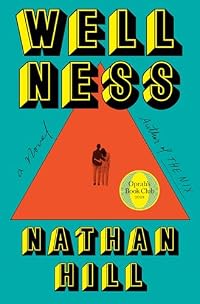
Wellness
by Nathan Hill
On This Page
Description
When Jack and Elizabeth meet as college students in the '90s, the two quickly join forces and hold on tight, each eager to claim a place in Chicago's thriving underground art scene with an appreciative kindred spirit. Fast-forward twenty years to married life, and alongside the challenges of parenting, they encounter cults disguised as mindfulness support groups, polyamorous would-be suitors, Facebook wars, and something called Love Potion Number Nine. For the first time, Jack and Elizabeth show more struggle to recognize each other, and the no-longer-youthful dreamers are forced to face their demons, from unfulfilled career ambitions to painful childhood memories of their own dysfunctional families. In the process, Jack and Elizabeth must undertake separate, personal excavations, or risk losing the best thing in their lives: each other. show lessTags
Recommendations


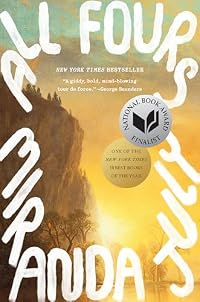
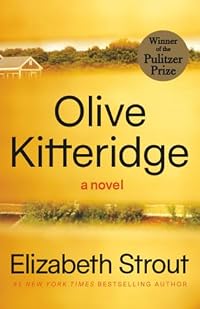
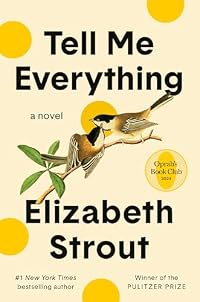
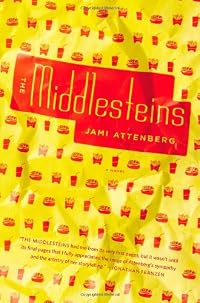
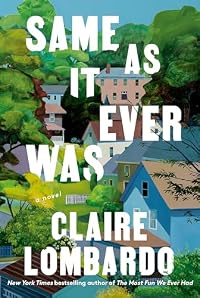
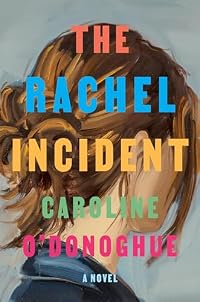
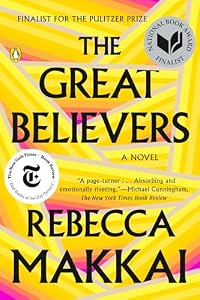
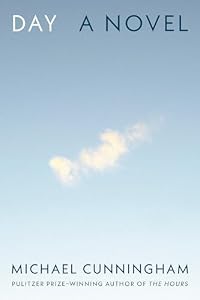
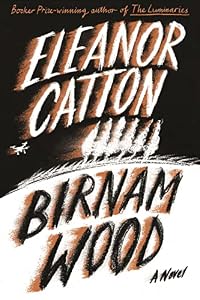
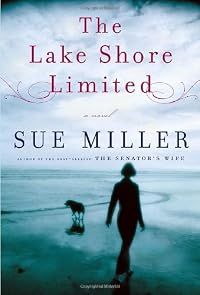
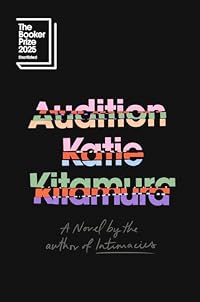

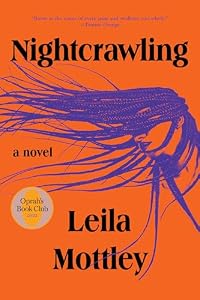
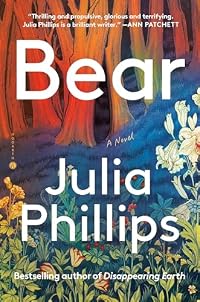
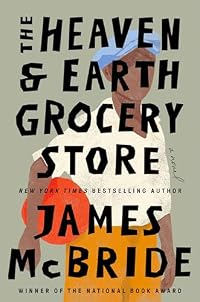
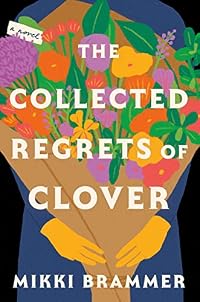
Member Recommendations
JuliaMaria In Wellness geht es um die Wissenschaft des Placebo-Effekts, die Liebe auf den ersten Blick und die Ehe. In Dr. Sex geht es um die Sexualitätsforschung und -forschenden und die Auswirkung auf deren Liebesleben.
Member Reviews
This is my second novel by Nathan Hill, and like the first, The Nix, this one is also a big sprawling wonderful read with tons of ideas and social criticism, a satire, yes but with a heart and a great couple of characters. The novel is basically about two people, Elizabeth and Jack. It opens with them surreptitiously spying on each other across the alley from their dingy apartments. He is a photography artist who is trying to capture the vibe in this rundown tenement filled with other artists that the landlord calls the Foundry. And Elizabeth has forged her own life away from her wealthy family background to delve into the psychology of the placebo effect. The author does not proceed chronologically, and we skip ahead in time and then show more go back to their childhood, gradually getting a bigger picture of the uniqueness of this couple and the trials of a long-term marriage. The author touches on a lot of contemporary issues: fitness, child rearing, Facebook algorithms, psychological experiments, venture capitalists, neighborhood watchdog groups, and effects of social media on art.
Though the book is almost 700 pages, the chapters are broken down into manageable parts, and the free flowing third person narrator keeps us amused and engrossed.
Nice NPR summary:
Wellness is a perfect novel for our age, filled with a deep awareness of the Internet-poisoned, marketing-driven engineered emptiness of modern times, but also a compassionate optimism about our ability to find and maintain love nonetheless. It's a monumental achievement: a masterpiece by an author who has, in the space of two novels, become indispensable.
Lines:
And also there’s something grand about becoming insusceptible to the noise, sleeping peacefully through the urban night without flinching at the beeps and voices and car alarms and police sirens outside—it’s an important marker of transcendence.
science showed that people in midlife were carrying around with them, all the time, a feeling that was, statistically speaking, the equivalent of someone close to them having recently died.
“Jack, do you know what the oldest book in the world is?” “No.” “It’s a ledger, written in Mesopotamia, six thousand years ago. That’s before the invention of literature, by the way, and before government, before religion…. “Building big things is risky, Jack, and humanity couldn’t do it until we figured out how to spread that risk around. The Sumerians were the first to crack it, and thus became the world’s first empire. They devised a way to insure all those expeditions into unmapped country,
She finally comprehended parenthood’s strange paradox: that it was deeply annihilating while at the same time also somehow deeply comforting. It was both soul-devouring and soul-filling.
Monogamy was a necessary invention to placate the saddest, most undesirable, most bottom-rung inept and pitiful dudes out there.”…“Think about it. Patriarchy plus capitalism is an unstable system without monogamy. Capitalism ensures that wealth gets more and more concentrated, and patriarchy ensures that it’s concentrated among men. It’s a system that incentivizes women to marry older powerful guys, and if you don’t have monogamy to level the playing field, you’ll just have droves of pathetic young men unable to find wives. And as we all know, nothing is worse for the social fabric than a loser dude who can’t get laid. So monogamy had to be introduced as a kind of elaborate software patch.”
“Things change. That is a given. The real question is how much change is bearable. What you have to ask yourself is how much can your marriage change before it’s no longer fundamentally itself.”
“Beyond all the poetry, beyond all the songs, love is this, my dear: it’s an expansion of the self. It’s when the boundaries of the self spread out to include someone else, and what used to be them now becomes you.”
“Marriage, my dear, is a condition whereby you find so many qualities within another person that you want to have within you that you’re willing to take on their flaws, which will, by extension, also be within you, for life.”
When everyone’s digging for gold, it’s best to be in the shovel business, understand?”
parents who acted toward each other less like lovers and more like cofounders of an at-home business whose products were children,
(It’s like their two decades of intimacy have equipped them perfectly for this moment, furnishing them with exactly the advanced weaponry needed to inflict maximum devastation; it’s become less of a shoot-out now, more like a regional civil war.)
“Dad was stealing wood? Why?” “He’d strip the barns and then auction the lumber on the internet. He called it ‘authentic reclaimed barnwood from America’s heartland.’ It sold real well.”….. Standing here, Jack imagined that Wicker Park would seem, to the people of the prairie, like a place that harvested their work, harvested their money, harvested their promising children, harvested their land, even harvested the corpses of their very homes, using the remains to decorate the fancy walls of fancy people who congratulated themselves for recycling. show less
Though the book is almost 700 pages, the chapters are broken down into manageable parts, and the free flowing third person narrator keeps us amused and engrossed.
Nice NPR summary:
Wellness is a perfect novel for our age, filled with a deep awareness of the Internet-poisoned, marketing-driven engineered emptiness of modern times, but also a compassionate optimism about our ability to find and maintain love nonetheless. It's a monumental achievement: a masterpiece by an author who has, in the space of two novels, become indispensable.
Lines:
And also there’s something grand about becoming insusceptible to the noise, sleeping peacefully through the urban night without flinching at the beeps and voices and car alarms and police sirens outside—it’s an important marker of transcendence.
science showed that people in midlife were carrying around with them, all the time, a feeling that was, statistically speaking, the equivalent of someone close to them having recently died.
“Jack, do you know what the oldest book in the world is?” “No.” “It’s a ledger, written in Mesopotamia, six thousand years ago. That’s before the invention of literature, by the way, and before government, before religion…. “Building big things is risky, Jack, and humanity couldn’t do it until we figured out how to spread that risk around. The Sumerians were the first to crack it, and thus became the world’s first empire. They devised a way to insure all those expeditions into unmapped country,
She finally comprehended parenthood’s strange paradox: that it was deeply annihilating while at the same time also somehow deeply comforting. It was both soul-devouring and soul-filling.
Monogamy was a necessary invention to placate the saddest, most undesirable, most bottom-rung inept and pitiful dudes out there.”…“Think about it. Patriarchy plus capitalism is an unstable system without monogamy. Capitalism ensures that wealth gets more and more concentrated, and patriarchy ensures that it’s concentrated among men. It’s a system that incentivizes women to marry older powerful guys, and if you don’t have monogamy to level the playing field, you’ll just have droves of pathetic young men unable to find wives. And as we all know, nothing is worse for the social fabric than a loser dude who can’t get laid. So monogamy had to be introduced as a kind of elaborate software patch.”
“Things change. That is a given. The real question is how much change is bearable. What you have to ask yourself is how much can your marriage change before it’s no longer fundamentally itself.”
“Beyond all the poetry, beyond all the songs, love is this, my dear: it’s an expansion of the self. It’s when the boundaries of the self spread out to include someone else, and what used to be them now becomes you.”
“Marriage, my dear, is a condition whereby you find so many qualities within another person that you want to have within you that you’re willing to take on their flaws, which will, by extension, also be within you, for life.”
When everyone’s digging for gold, it’s best to be in the shovel business, understand?”
parents who acted toward each other less like lovers and more like cofounders of an at-home business whose products were children,
(It’s like their two decades of intimacy have equipped them perfectly for this moment, furnishing them with exactly the advanced weaponry needed to inflict maximum devastation; it’s become less of a shoot-out now, more like a regional civil war.)
“Dad was stealing wood? Why?” “He’d strip the barns and then auction the lumber on the internet. He called it ‘authentic reclaimed barnwood from America’s heartland.’ It sold real well.”….. Standing here, Jack imagined that Wicker Park would seem, to the people of the prairie, like a place that harvested their work, harvested their money, harvested their promising children, harvested their land, even harvested the corpses of their very homes, using the remains to decorate the fancy walls of fancy people who congratulated themselves for recycling. show less
Another thoroughly enjoyable and incredibly well-researched book by Nathan Hill. I love the way this story is crafted in a somewhat roundabout way that makes the character development feel so dynamic. Nathan Hill uses a seemingly simple story about an unhappy marriage to explore the fundamentals of relationships and happiness and personal identity in modern America, and he does it without ever making me feel like he’s preaching. One of my biggest struggles with a lot of contemporary fiction is the feeling that I’m being hit over the head with the authors opinions. I don’t read fiction to be told what to think or how to act but to explore complex feelings and situations that I might not otherwise think about or experience and to show more learn and grow from it. This book for sure had me contemplating Jack and Elizabeth’s dynamics, Elizabeth’s placebo research, Brandie’s whole deal, etc. regularly between reading sessions, which is really what I want from a book like this. I also just love Nathan Hill’s writing style.
4 stars instead of 5 because it didn’t quite stick the landing for me. If he had left out the final chapter, I think I would have felt differently. It felt overly romantic and a bit contrite after all of the character growth in the last 100 pages. I feel like Nathan Hill just has a slightly too strong urge to try to wrap everything up nicely with a bow on top at the end — I felt similarly about the ending of The Nix.
Edit: I decided I was too harsh at the end and changed this to five stars. It really does deserve it show less
4 stars instead of 5 because it didn’t quite stick the landing for me. If he had left out the final chapter, I think I would have felt differently. It felt overly romantic and a bit contrite after all of the character growth in the last 100 pages. I feel like Nathan Hill just has a slightly too strong urge to try to wrap everything up nicely with a bow on top at the end — I felt similarly about the ending of The Nix.
Edit: I decided I was too harsh at the end and changed this to five stars. It really does deserve it show less
This is such a big story with all sorts of tangents and offshoots—psychological and anthropological and historical—but at its core it’s about a marriage, twenty years into the relationship, that’s at its possible end and told with so much humor and heartbreak and truth. And some understanding of truth—the truth about your life and your identity and your relationships—is embedded in all facets of this big, beautiful story.
Middle-aged and married, Elizabeth and Jack have the unequivocal suburbia life that has been so revised and redacted and transformed from their earlier, artistic, city life of their 20s that it barely resembles the life they remember wanting and fighting for. Having both escaped dreadful, traumatic pasts, show more their meeting, in the beginning, feels auspicious, but twenty years down the suburban road, they’re left questioning if they were ever soulmates, ever right for the other. Jack craves consistency and stability. Elizabeth craves adventure and “always waiting for a future that was better than her present.” As the book explores the problem with this marriage, the story seems to have us fall farther and farther down the rabbit hole. There’s no simple answer to Jack and Elizabeth—there’s a meandering, multi-level labyrinth in understanding the landscape of any marriage, and at this point in their marriage, in their lives—an ecotone, a tension between two worlds and two selves in conflict—they’re forced to come to some understanding of their own truths. They have to answer the question: Is their life together still the life worth fighting for, or has it changed too much from its origin that it’s better to burn it down?
This is such an overwhelmingly good book. It’s one to take your time with, soaking up all the delicious and dark places it takes you. It’s one I’ll read again and again. show less
Middle-aged and married, Elizabeth and Jack have the unequivocal suburbia life that has been so revised and redacted and transformed from their earlier, artistic, city life of their 20s that it barely resembles the life they remember wanting and fighting for. Having both escaped dreadful, traumatic pasts, show more their meeting, in the beginning, feels auspicious, but twenty years down the suburban road, they’re left questioning if they were ever soulmates, ever right for the other. Jack craves consistency and stability. Elizabeth craves adventure and “always waiting for a future that was better than her present.” As the book explores the problem with this marriage, the story seems to have us fall farther and farther down the rabbit hole. There’s no simple answer to Jack and Elizabeth—there’s a meandering, multi-level labyrinth in understanding the landscape of any marriage, and at this point in their marriage, in their lives—an ecotone, a tension between two worlds and two selves in conflict—they’re forced to come to some understanding of their own truths. They have to answer the question: Is their life together still the life worth fighting for, or has it changed too much from its origin that it’s better to burn it down?
This is such an overwhelmingly good book. It’s one to take your time with, soaking up all the delicious and dark places it takes you. It’s one I’ll read again and again. show less
Oh, boy. This book. It was my RL book group's pick for September, and if not for that, I probably never would have picked it up, as very "of the moment" and widely-haled-by-the-literati books are not usually my thing. I struggled with the first 200 pages or so on my Kindle and thought I'd give up on it, but the audio was available from the library, so I decided to give it one more try. And wow. It was a completely different experience. The narrator, Ari Fliakos, made the characters and story come alive in all their frustration, melancholy, and manic energy. This is essentially the story of a marriage on the brink of collapse, but Hill is more ambitious than that. It's also the story of contemporary American society, or at least a show more certain segment of it. And it's the story of childhood trauma and how we try to erase, or at least mask, the pain. It's funny and sad and manic and ambitious, and I loved it.
5 stars show less
5 stars show less
"Transcends race, they say of exceptional, dead black people. As if that relentless overcoming, when taken to the limit, as time stretches on to infinity, itself over comes even limits, even infinity, even this place."
It's incredible that a work so small can carry so much weight.
It's incredible that a work so small can carry so much weight.
Rating: 4.75* of five
The Publisher Says: A witty and poignant novel about marriage, middle age, tech-obsessed health culture and the bonds that keep people together
When Jack and Elizabeth meet as college students in the '90s, the two quickly join forces and hold on tight, each eager to claim a place in Chicago's thriving underground art scene with an appreciative kindred spirit.
Fast-forward twenty years to married life, and alongside the challenges of parenting, they encounter cults disguised as mindfulness support groups, polyamorous would-be suitors, Facebook wars, and something called Love Potion Number Nine. For the first time Jack and Elizabeth struggle to recognize one another, and the no-longer-youthful dreamers are forced to show more face their demons, from unfulfilled career ambitions to painful childhood memories of their own dysfunctional families. In the process Jack and Elizabeth must undertake separate, personal excavations, or risk losing the best thing in their lives: each other.
I RECEIVED A DRC FROM THE PUBLISHER VIA NETGALLEY. THANK YOU.
My Review: The struggles that all who form, and sustain, the heavy bonds of matrimony are evergreen plots because most of us have some experience of them. It doesn't matter how much you love each other, it matters how committed you each are to the friendship you share with your chosen partner. Love ebbs and flows, common interests wax and wane, people grow and change, and what makes couple-stories so endlessly interesting is how they are shown managing...or not...these deeply familiar challenges.
It is absolutely clear to me that Author Hill, in his second novel after the startlingly assured The Nix, has honed his craft to a sharp edge. He doesn't shy away from the difficult or the painful parts of commitment. The hateful, hurtful things people say when they are in a deeply enmeshed relationship are both unique and common. There is a certain kind of dynamic in US couples of different socioeconomic backgrounds that's central to this book. We are taught that ours is a classless society, but it is not. The wealth of one family is always a weapon in the couplehood of one its members; a more effective one when the other partner is not from equal wealth.
That bludgeon goes both ways, of course. After a child is born, dynamics change, often for the worse, as incompatible parenting goals are a major cause of divorce. In this story, the couple...a daughter of wealth and privilege, a psychologist, and a deeply wounded soul who feels shackled and devalued by her working class artist husband...are twenty years into a commitment neither can remember why they made.
It absolutely does NOT help that they're living in a surveillance-capitalist society that valorizes getting and spending, when neither has a set of core values instilled from solid bases in love to resist these relentless pressures. It is obvious Author Hill has little use for facile patching-up life hacks or quick-fix lifestyle gurus. He dedicates a lot of space to social media's machiavellian algorithm driven effects. (Coulda been less for all of me, but hey...) The thesis is, however, what good is hacking or fixing stuff too fragile and hollow to last? Your old marriage is not delivering the same thrills...move on, get something new and better.
Right?
Not necessarily. Not even desirably. Open your mind to the possibility that just maybe your life doesn't need to be fixed. Maybe instead your relationship to your life needs to be recalibrated, reassessed, revalued. This being a message I resonate with, I found the read compelling and involving.
Does learning to make the best of it mean settling? Mean getting less out of life? Or is it instead the way to find deeper, more important ways of being who you are inside this long-term commitment to yourself, and your partner, to be well and truly together?
Wellness is that endlessly relatable journey, set in a time where even asking that kind of question isn't encouraged by anything around us. Anyone in a couple, past or presnt, ongoing or ending, will find a lot of deeply interesting details to muse over. A lot of richly textured background to admire, even envy. A lot of deep and scary emotions to batten on from the safe remove of fiction.
I'd rate this the full five of five were it not for what felt to me like the author's rather-too-evident need to overshare. A funny thing to say in a review of a novel about intimacy, I know, but I'm left a bit overfamiliar with his opinions of the self-help/new-age/quick-fixery. A couple times, okay; after a while, what is this really about, Author Hill?
I'm highly recommending this read for all partners in a long-term relationship to load onto the Kindle this #Booksgiving. It is manna from heaven to feel seen in stressful times; family "Togetherness" is rough any time, but now...? Bring some independent comfort with you this Yule. show less
The Publisher Says: A witty and poignant novel about marriage, middle age, tech-obsessed health culture and the bonds that keep people together
When Jack and Elizabeth meet as college students in the '90s, the two quickly join forces and hold on tight, each eager to claim a place in Chicago's thriving underground art scene with an appreciative kindred spirit.
Fast-forward twenty years to married life, and alongside the challenges of parenting, they encounter cults disguised as mindfulness support groups, polyamorous would-be suitors, Facebook wars, and something called Love Potion Number Nine. For the first time Jack and Elizabeth struggle to recognize one another, and the no-longer-youthful dreamers are forced to show more face their demons, from unfulfilled career ambitions to painful childhood memories of their own dysfunctional families. In the process Jack and Elizabeth must undertake separate, personal excavations, or risk losing the best thing in their lives: each other.
I RECEIVED A DRC FROM THE PUBLISHER VIA NETGALLEY. THANK YOU.
My Review: The struggles that all who form, and sustain, the heavy bonds of matrimony are evergreen plots because most of us have some experience of them. It doesn't matter how much you love each other, it matters how committed you each are to the friendship you share with your chosen partner. Love ebbs and flows, common interests wax and wane, people grow and change, and what makes couple-stories so endlessly interesting is how they are shown managing...or not...these deeply familiar challenges.
It is absolutely clear to me that Author Hill, in his second novel after the startlingly assured The Nix, has honed his craft to a sharp edge. He doesn't shy away from the difficult or the painful parts of commitment. The hateful, hurtful things people say when they are in a deeply enmeshed relationship are both unique and common. There is a certain kind of dynamic in US couples of different socioeconomic backgrounds that's central to this book. We are taught that ours is a classless society, but it is not. The wealth of one family is always a weapon in the couplehood of one its members; a more effective one when the other partner is not from equal wealth.
That bludgeon goes both ways, of course. After a child is born, dynamics change, often for the worse, as incompatible parenting goals are a major cause of divorce. In this story, the couple...a daughter of wealth and privilege, a psychologist, and a deeply wounded soul who feels shackled and devalued by her working class artist husband...are twenty years into a commitment neither can remember why they made.
It absolutely does NOT help that they're living in a surveillance-capitalist society that valorizes getting and spending, when neither has a set of core values instilled from solid bases in love to resist these relentless pressures. It is obvious Author Hill has little use for facile patching-up life hacks or quick-fix lifestyle gurus. He dedicates a lot of space to social media's machiavellian algorithm driven effects. (Coulda been less for all of me, but hey...) The thesis is, however, what good is hacking or fixing stuff too fragile and hollow to last? Your old marriage is not delivering the same thrills...move on, get something new and better.
Right?
Not necessarily. Not even desirably. Open your mind to the possibility that just maybe your life doesn't need to be fixed. Maybe instead your relationship to your life needs to be recalibrated, reassessed, revalued. This being a message I resonate with, I found the read compelling and involving.
Does learning to make the best of it mean settling? Mean getting less out of life? Or is it instead the way to find deeper, more important ways of being who you are inside this long-term commitment to yourself, and your partner, to be well and truly together?
Wellness is that endlessly relatable journey, set in a time where even asking that kind of question isn't encouraged by anything around us. Anyone in a couple, past or presnt, ongoing or ending, will find a lot of deeply interesting details to muse over. A lot of richly textured background to admire, even envy. A lot of deep and scary emotions to batten on from the safe remove of fiction.
I'd rate this the full five of five were it not for what felt to me like the author's rather-too-evident need to overshare. A funny thing to say in a review of a novel about intimacy, I know, but I'm left a bit overfamiliar with his opinions of the self-help/new-age/quick-fixery. A couple times, okay; after a while, what is this really about, Author Hill?
I'm highly recommending this read for all partners in a long-term relationship to load onto the Kindle this #Booksgiving. It is manna from heaven to feel seen in stressful times; family "Togetherness" is rough any time, but now...? Bring some independent comfort with you this Yule. show less
audio fiction (~19hrs) Jack and Elizabeth meet in Chicago's 1993 art/music scene, and are buying a home (a condo yet to be built in the Park Shore area) together in 2014, where they hope to raise their young son Toby. The story skips around in time chronicling the couples' futures and pasts, as well as the stories of their parents and family generations as far back as the 1800s.
brilliant and humorous storytelling and narration, but the whole thing sometimes (often) feels like a meandering exercise, with so much time spent on tangents, and inside the thoughts of these neurotic characters that are at times insufferable posers and other times wallowing in their inevitable self doubts and insecurities. Includes themes of psychology/faux show more psychology and skirting the thin line between marketing and scams, though some of the content (always striving to be one's best/happiest self, attempting to follow all the ridiculous advice being promoted by others) can be a bit anxiety-inducing even as it is poked fun of, with the toddler Toby/Elizabeth dynamics being particularly tense.
There's a lot happening in here which would be difficult to sum up-- a lot that would appeal to that certain type of reader that just likes to feel smart/superior, but also a lot that is funny in any case. It comes together nicely again at the end, though, and certainly stands apart as a unique story. show less
brilliant and humorous storytelling and narration, but the whole thing sometimes (often) feels like a meandering exercise, with so much time spent on tangents, and inside the thoughts of these neurotic characters that are at times insufferable posers and other times wallowing in their inevitable self doubts and insecurities. Includes themes of psychology/faux show more psychology and skirting the thin line between marketing and scams, though some of the content (always striving to be one's best/happiest self, attempting to follow all the ridiculous advice being promoted by others) can be a bit anxiety-inducing even as it is poked fun of, with the toddler Toby/Elizabeth dynamics being particularly tense.
There's a lot happening in here which would be difficult to sum up-- a lot that would appeal to that certain type of reader that just likes to feel smart/superior, but also a lot that is funny in any case. It comes together nicely again at the end, though, and certainly stands apart as a unique story. show less
Members
- Recently Added By
Lists

Books Read in 2023
5,547 works; 145 members

Top Five Books of 2023
767 works; 317 members

Top Five Books of 2024
795 works; 264 members
Author Information

2 Works 3,620 Members
Some Editions
Awards and Honors
Awards
Distinctions
Notable Lists
Common Knowledge
- Canonical title
- Wellness
- Original title
- Wellness
- Original publication date
- 2023-09-23
- People/Characters
- Elizabeth; Jack; Toby
- Important places*
- Chicago, Illinois, USA
- Dedication
- For my parents
- First words
- He lives alone on the fourth floor of an old brick building with no view of the sky.
- Last words
- (Click to show. Warning: May contain spoilers.)She touches his face, and makes it splendid.
- Blurbers
- Winfrey, Oprah; Bennett, Brit; Irving, John
*Some information comes from Common Knowledge in other languages. Click "Edit" for more information.
Classifications
Statistics
- Members
- 1,043
- Popularity
- 24,654
- Reviews
- 44
- Rating
- (4.13)
- Languages
- 8 — Dutch, English, Finnish, French, German, Italian, Polish, Spanish
- Media
- Paper, Audiobook, Ebook
- ISBNs
- 29
- ASINs
- 8