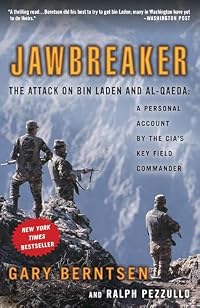
Jawbreaker : The Attack on Bin Laden and Al Qaeda : A Personal Account by the CIA's Key Field Commander
by Gary Berntsen, Ralph Pezzullo
On This Page
Description
A CIA field commander offers an inside look at the war in Afghanistan against Osama Bin Laden, explaining how he and his handpicked team of CIA and Special Operations Forces launched an offensive against Al Qaeda.Tags
Recommendations



Member Reviews
This first person narrative by the CIA officer who led the CIA’s efforts in Afghanistan in November and December 2001 is an engaging read that chronicles the mission to assist in the overthrow of the Taliban, the creation of a new Afghani government, and the hunt for Bin Laden and Al Qaeda in Afganistan.
The book has been heavily redacted by CIA censors, and the author and publisher printed the book with black lines indicating redaction. While making some of the book’s passages more difficult to read, I appreciated this (and wish more publishers of CIA memoirs would take this approach), as it helped me fill in some of the gaps with knowledge based on other sources. Most of the redaction involves exact resources provided to various show more warlords; some discussion of overall campaign planning; the details of some operations of secondary importance; the involvement of various allied countries’ intelligence services and special operations units; and, oddly, the introduction of CIA and special forces teams hunting Al Qaeda weapons of mass destruction. These teams’ presence is confirmed by multiple other unclassified sources, so the omission is somewhat silly. Berntsen had to sue the CIA twice to get his book released at all, but the effort was well worth it.
Berntsen resigned from CIA soon after he returned from this assignment, and while he never states this directly in the text, it is clear that Berntsen’s aggressive and single-minded approach in Afghanistan displeased some of the more politically-minded CIA leaders back in Washington (Tenet and Pavitt most particularly), and it is no surprise to me that he left the Agency. Berntsen was tasked with operating semi-autonomously and aggressively, and he took a number of risks that paid off. I have worked with men like Berntsen, and while the experience may not always be pleasant, it is clear to me that Berntsen was the right man for the job. His approach also highlights the need for extremely close, fluid operations between CIA paramilitary units and special operations forces. This cooperation worked extremely well under Berntsen’s leadership.
Berntsen’s account is generally positive toward those with whom he worked, and US efforts in Afghanistan, with one major exception: Berntsen’s narrative, if credible, is damning of CENTCOM (and Tommy Franks in particular) with regard to decisions made in the wake of Tora Bora. There, according to Berntsen, Bin Laden was allowed to slip away and retreat into Pakistan. Berntsen’s deputy heading the effort at Tora Bora wanted CENTCOM to immediately deploy a Ranger unit into the mountains to cut ff the retreat.
Now, the reader should understand that a rapid deployment of 800 Rangers into the mountains surrounding Tora Bora is no small matter logistically, and I understand why Franks would have been reluctant to make such a major revision to his campaign plan based on the uncorroborated reports that Berntsen’s team (JULIET FORWARD) provided stating that Bin Laden, Zawahiri, and one of Bin Laden’s sons were present. In hindsight, I suspect that Bin Laden and probably Zawahiri were present, and subsequently escaped because they were not pursued with sufficient vigor. Franks’ decision was also based in large part on the (mostly political) decision to increasingly rely on allied southern Afghani warlords. We now know that many of these guys had accepted US funds to become allies, then accepted additional funds from Bin Laden to let them slip through the Afghanis’ fingers and escape into Pakistan through the White Mountains. Such is the Afghani way; the British and Soviets experienced similar betrayals countless times. Afghanis can be bought, but they cannot stay bought, particularly when their co-religionists are doing the bribing. Franks, in subsequent op-ed pieces, emphasizes the inconclusiveness of the available intelligence about Bin Laden’s whereabouts. Interestingly, in Franks’ memoir AMERICAN SOLDIER, he also noted that he received a phone call from Rumsfeld on November 27, 2001 asking him to begin updating the OPLAN for the invasion of Iraq, which also served to divert Franks’ attention.
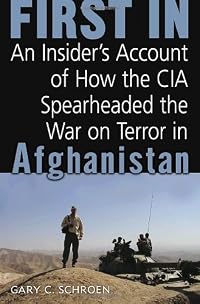
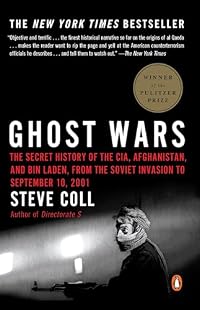
I would suggest reading Gary Schroen’s FIRST IN prior to JAWBREAKER, as FIRST IN details what happens to the first post-9-11 CIA team sent into Afghanistan. Gary Schroen led that team, then was relieved by Gary Berntsen. Neither of these books provides any substantial background on the various Afghani warlords interacted with post-9-11, nor do they provide any real background on previous CIA efforts in Afghanistan. For that, I suggest reading Steve Coll’s GHOST WARS, which provides a great deal of information on US activities related to Afghanistan in the two decades prior to 9-11.
Berntsen is not a deep thinker, and provides little in the way of analysis; he leaves that to the reader, providing a straight-forward chronology of the actions of his team. Nevertheless,
JAWBREAKER is an important addition to the canon of books on US post-9-11 military and intelligence operations in Afghanistan and I highly recommend it.
Review copyright 2009 J. Andrew Byers show less
The book has been heavily redacted by CIA censors, and the author and publisher printed the book with black lines indicating redaction. While making some of the book’s passages more difficult to read, I appreciated this (and wish more publishers of CIA memoirs would take this approach), as it helped me fill in some of the gaps with knowledge based on other sources. Most of the redaction involves exact resources provided to various show more warlords; some discussion of overall campaign planning; the details of some operations of secondary importance; the involvement of various allied countries’ intelligence services and special operations units; and, oddly, the introduction of CIA and special forces teams hunting Al Qaeda weapons of mass destruction. These teams’ presence is confirmed by multiple other unclassified sources, so the omission is somewhat silly. Berntsen had to sue the CIA twice to get his book released at all, but the effort was well worth it.
Berntsen resigned from CIA soon after he returned from this assignment, and while he never states this directly in the text, it is clear that Berntsen’s aggressive and single-minded approach in Afghanistan displeased some of the more politically-minded CIA leaders back in Washington (Tenet and Pavitt most particularly), and it is no surprise to me that he left the Agency. Berntsen was tasked with operating semi-autonomously and aggressively, and he took a number of risks that paid off. I have worked with men like Berntsen, and while the experience may not always be pleasant, it is clear to me that Berntsen was the right man for the job. His approach also highlights the need for extremely close, fluid operations between CIA paramilitary units and special operations forces. This cooperation worked extremely well under Berntsen’s leadership.
Berntsen’s account is generally positive toward those with whom he worked, and US efforts in Afghanistan, with one major exception: Berntsen’s narrative, if credible, is damning of CENTCOM (and Tommy Franks in particular) with regard to decisions made in the wake of Tora Bora. There, according to Berntsen, Bin Laden was allowed to slip away and retreat into Pakistan. Berntsen’s deputy heading the effort at Tora Bora wanted CENTCOM to immediately deploy a Ranger unit into the mountains to cut ff the retreat.
Now, the reader should understand that a rapid deployment of 800 Rangers into the mountains surrounding Tora Bora is no small matter logistically, and I understand why Franks would have been reluctant to make such a major revision to his campaign plan based on the uncorroborated reports that Berntsen’s team (JULIET FORWARD) provided stating that Bin Laden, Zawahiri, and one of Bin Laden’s sons were present. In hindsight, I suspect that Bin Laden and probably Zawahiri were present, and subsequently escaped because they were not pursued with sufficient vigor. Franks’ decision was also based in large part on the (mostly political) decision to increasingly rely on allied southern Afghani warlords. We now know that many of these guys had accepted US funds to become allies, then accepted additional funds from Bin Laden to let them slip through the Afghanis’ fingers and escape into Pakistan through the White Mountains. Such is the Afghani way; the British and Soviets experienced similar betrayals countless times. Afghanis can be bought, but they cannot stay bought, particularly when their co-religionists are doing the bribing. Franks, in subsequent op-ed pieces, emphasizes the inconclusiveness of the available intelligence about Bin Laden’s whereabouts. Interestingly, in Franks’ memoir AMERICAN SOLDIER, he also noted that he received a phone call from Rumsfeld on November 27, 2001 asking him to begin updating the OPLAN for the invasion of Iraq, which also served to divert Franks’ attention.
I would suggest reading Gary Schroen’s FIRST IN prior to JAWBREAKER, as FIRST IN details what happens to the first post-9-11 CIA team sent into Afghanistan. Gary Schroen led that team, then was relieved by Gary Berntsen. Neither of these books provides any substantial background on the various Afghani warlords interacted with post-9-11, nor do they provide any real background on previous CIA efforts in Afghanistan. For that, I suggest reading Steve Coll’s GHOST WARS, which provides a great deal of information on US activities related to Afghanistan in the two decades prior to 9-11.
Berntsen is not a deep thinker, and provides little in the way of analysis; he leaves that to the reader, providing a straight-forward chronology of the actions of his team. Nevertheless,
JAWBREAKER is an important addition to the canon of books on US post-9-11 military and intelligence operations in Afghanistan and I highly recommend it.
Review copyright 2009 J. Andrew Byers show less
when you cut through the angry-ness it's actually a very educational book on leadership, and getting things done in a very fluid enviroment. Inspiring!
This is an amazing story of how fast the US got together soldiers and were able to topple the Taliban while being outnumbered. The technology and courage displayed by the soldiers I never thought possible.
Adam Khan was een voormalige Amerikaanse marinier, in dienst van de CIA. Hij sprak vloeiend Pashtun, een van de belangrijkste talen in Afghanistan. Gary Berntsen die de CIA-manschappen in Afghanistan zou leiden, wilde hem graag in zijn team, want in de inlichtingendienst waren er zeer weinigen met Khans kwalificaties. Lees verder....
Aug 15, 2007Dutch
Ratings
Members
- Recently Added By
Lists

Best Autobiographies and Memoirs
370 works; 67 members

Best Espionage (Non-Fiction)
32 works; 6 members

LtGen James Mattis' Reading List
58 works; 2 members

United States
35 works; 1 member
Author Information

4 Works 367 Members

20+ Works 1,046 Members
Some Editions
Common Knowledge
- Canonical title
- Jawbreaker : The Attack on Bin Laden and Al Qaeda : A Personal Account by the CIA's Key Field Commander
- People/Characters
- Abdullah Abdullah; Gary Berntsen; Osama bin Laden; Cofer Black; Abdul Rashid Dostum; Mohammed Qasim Fahim (show all 17); Tommy Franks; Chris Haas; Hamid Karzai; Adam Khan; Bismullah Khan; Ahmad Shah Massoud; John Mulholland; Gary Schroen; Mike Spann; George Tenet; Ayman al-Zawahiri
- Important places
- Afghanistan; Shomali Plains, Afghanistan; Jalalabad, Afghanistan; Kabul, Afghanistan; Mazar-e Sharif, Afghanistan; Taloqan, Afghanistan
- Important events
- Afghan War
- Blurbers
- Rich, Frank; Scheuer, Michael; Black, Cofer
Classifications
- Genres
- Nonfiction, History, General Nonfiction, Politics and Government, Biography & Memoir
- DDC/MDS
- 327.1273 — Social sciences Political science International Relations Foreign policy and specific topics in international relations Espionage and subversion North America United States
- LCC
- JK468 .I6 .B427 — Political Science Political institutions and public administration (United States) Political institutions and public administration United States Government. Public administration
- BISAC
Statistics
- Members
- 313
- Popularity
- 100,813
- Reviews
- 4
- Rating
- (3.93)
- Languages
- Dutch, English, Polish
- Media
- Paper, Audiobook, Ebook
- ISBNs
- 10
- ASINs
- 4