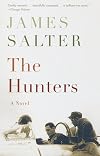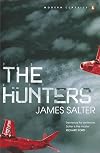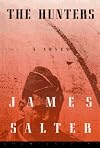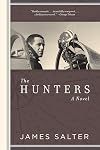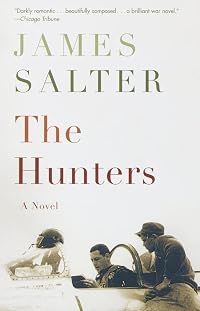
The Hunters
by James Salter
On This Page
Description
Fiction. Literature. HTML:Captain Cleve Connell has already made a name for himself among pilots when he arrives in Korea during the war there to fly the newly operational F–86 fighters against the Soviet MIGs. His goal, like that of every fighter pilot, is to chalk up enough kills to become an ace.But things do not turn out as expected. Mission after mission proves fruitless, and Connell finds his ability and his stomach for combat questioned by his fellow airmen: the brash wing show more commander, Imil; Captain Robey, an ace whose record is suspect; and finally, Lieutenant Pell, a cocky young pilot with an uncanny amount of skill and luck.
Disappointment and fear gradually erode Connell's faith in himself, and his dream of making ace seems to slip out of reach. Then suddenly, one dramatic mission above the Yalu River reveals the depth of his courage and honor.
Originally published in 1956, The Hunters was James Salter's first novel. Based on his own experiences as a fighter pilot in the Korean War, it is a classic of wartime fiction. Now revised by the author and back in print on the sixty–fifth anniversary of the Air Force, the story of Cleve Connell's war flies straight into the heart of men's rivalries and fears. show less
Tags
Recommendations




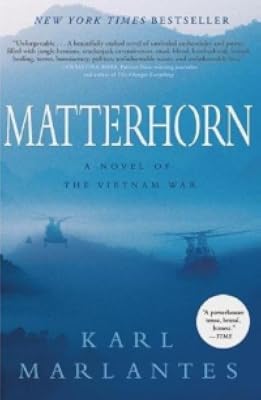
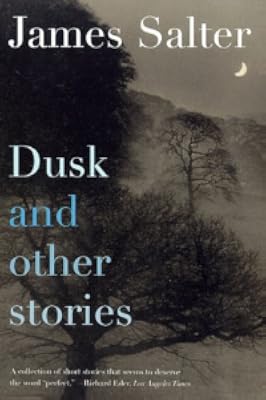
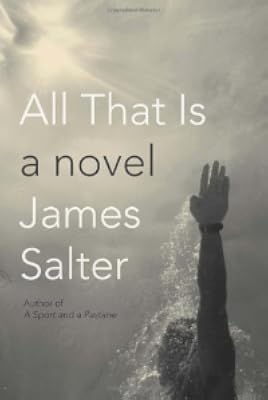







Member Recommendations

Member Reviews
James Salter's debut novel about fighter pilots in Korea during the Korean War, of which he was one. While the aviation and battle scenes are vividly rendered, that's not what the book is about. This is about men in competition, within their teams and with the enemy. The social dynamics of this kind of person are so well captured. The competition, the politics, the loves & hates, the self-doubt. The writing is everywhere very vivid and evocative.
""What is your ambition?" she asked after a while. Cleve closed his eyes. There had been many ambitions, all of them true at the time. They were scattered behind him like the ashes of old campfires, though he had warmed himself at every one of them"
or
"Suddenly Pell called out something at show more three o’clock. Cleve looked. He could not tell what it was at first. Far out, a strange, dreamy rain was falling, silver and wavering. It was a group of drop tanks, tumbling down from above, the fuel and vapor streaming from them. Cleve counted them at a glance. There were a dozen or more, going down like thin cries fading in silence. That many tanks meant MiGs. He searched the sky above, but saw nothing."
For a first novel (or for that matter any novel), this is a great, insightful novel with amazing writing. show less
""What is your ambition?" she asked after a while. Cleve closed his eyes. There had been many ambitions, all of them true at the time. They were scattered behind him like the ashes of old campfires, though he had warmed himself at every one of them"
or
"Suddenly Pell called out something at show more three o’clock. Cleve looked. He could not tell what it was at first. Far out, a strange, dreamy rain was falling, silver and wavering. It was a group of drop tanks, tumbling down from above, the fuel and vapor streaming from them. Cleve counted them at a glance. There were a dozen or more, going down like thin cries fading in silence. That many tanks meant MiGs. He searched the sky above, but saw nothing."
For a first novel (or for that matter any novel), this is a great, insightful novel with amazing writing. show less
I read this novel about fighter pilots during the Korean War in 1998 shortly after it was published in a revised edition. It was James Salter's debut novel about USAF fighter pilots during the Korean War, first published in 1956. It is one of the best of that breed that I have read. Salter himself was a fighter pilot with the rank of Captain who saw combat from February to August 1952. He kept a detailed diary of his tour and the novel closely follows a chronology of events he experienced as an F-86 Sabre pilot with the 4th Fighter-Interceptor Wing, based at Kimpo Air Base, Korea.
Salter was 31 when he published the novel and made his protagonist, Captain Cleve Connell, the same age. He describes 31 as being "the end for him" as a show more fighter pilot: "...not too old, certainly; but it would not be long. His eyes weren't good enough any more. With an athlete, the legs failed first. With a fighter pilot, it was the eyes." Salter himself resigned from the Air Force soon after the publication of The Hunters to pursue an alternate passion, writing.
Salter's novel excels both with an excellent prose style and appealing storytelling that keeps the reader transfixed. I enjoyed this book tremendously and followed up by reading his memoir, Burning the Days. show less
Salter was 31 when he published the novel and made his protagonist, Captain Cleve Connell, the same age. He describes 31 as being "the end for him" as a show more fighter pilot: "...not too old, certainly; but it would not be long. His eyes weren't good enough any more. With an athlete, the legs failed first. With a fighter pilot, it was the eyes." Salter himself resigned from the Air Force soon after the publication of The Hunters to pursue an alternate passion, writing.
Salter's novel excels both with an excellent prose style and appealing storytelling that keeps the reader transfixed. I enjoyed this book tremendously and followed up by reading his memoir, Burning the Days. show less
This is a very fast, engrossing read, but I think it’s much more than a “war novel.”
The book was written in 1956, in the wake of the Korean War, and, on the surface, it’s a book about American fighter pilots stationed in Korea, flying air combat missions against North Korean MIG pilots. But I think what makes it more timeless and provocative is Salter’s ability to convey the subjective experience of his main character, Cleve Connell.
Connell arrives in Korea as a hotshot pilot, distinguished in training but inexperienced in combat. For pilots like Connell, Korea is a huge opportunity — the chance to put all that training and all that hotshot skill to the test against real adversaries.
It’s a competition more than a war. The show more larger war and the strategies at work have very little presence either in Connell’s mind or in the novel altogether. It’s as if he is dropped into a contest arena, where nothing outside the arena is real.
It’s a competition against the MIGs and their pilots, but it’s also a competition against the other fighter pilots, even the ones on the flight team that Connell is in charge of. Everybody wants to become an ace with five kills (really five downed enemy planes, whether the pilots of the planes survive or not). The world of the pilots is full of rivalry, envy, resentment, and suspicion.
Aces are treated like royalty, but there may be shadows around them. Confirmed kills may not be confirmed kills, since there is no hard evidence, only the confirmation by another pilot. And how you got the kill may not be so valorous — did you abandon your leader? Did you pretend not to hear an order?
One other pilot in particular, Ed Pell, combines arrogance, self-promotion, and general all around ego in a way that draws Connell into hardcore rivalry. Connell knows that Pell is a full-fledged jerk, that the success he has here in this arena will be the one thing he will have to point to in a life devoid of the character needed for success elsewhere. But he’s drawn into the competition anyway.
The most interesting competition though is Connell’s fight with himself. People like Pell pursue glory, not virtue, not character. Connell is being tested in the combat arena, but he’s also in a test of character. He may have to choose which he really wants to win. And it doesn’t feel false — tests of character in life are real, and this has that feel.
One poignant piece of the story is Connell’s brief visit on leave to Tokyo. He meets, through an old connection of his father’s, an artist named Miyata and his nineteen year old daughter, Eiko. Miyata, and especially Eiko, shake Connell out of his spell during this time with them. For the first time in the story, he draws back from the fighter pilot’s arena and takes a look at what he’s doing and why it matters to him. Miyata and Eiko live in a completely different world, where things other than aces and kills matter. And, while he’s there, Connell realizes that other things really do matter.
Although he’s quickly swept back into the fighter pilot arena by events back in Korea, the experience doesn’t leave him the same — the spell is cracked if not broken. Connell, for the first time, sees himself in a competition that maybe isn’t the right one for him to win, that may not be the be-all-and-end-all it always felt like.
Like I said, this is about as engrossing a book as I’ve read in a long time. And, to me anyway, it’s less the action than it is Connell’s own inner story. That’s what’s engrossing.
There are aspects of the book that make you know you are reading a book from the 1950s — women are “hunted” as much as enemy MIGs, for example. Part of the times. show less
The book was written in 1956, in the wake of the Korean War, and, on the surface, it’s a book about American fighter pilots stationed in Korea, flying air combat missions against North Korean MIG pilots. But I think what makes it more timeless and provocative is Salter’s ability to convey the subjective experience of his main character, Cleve Connell.
Connell arrives in Korea as a hotshot pilot, distinguished in training but inexperienced in combat. For pilots like Connell, Korea is a huge opportunity — the chance to put all that training and all that hotshot skill to the test against real adversaries.
It’s a competition more than a war. The show more larger war and the strategies at work have very little presence either in Connell’s mind or in the novel altogether. It’s as if he is dropped into a contest arena, where nothing outside the arena is real.
It’s a competition against the MIGs and their pilots, but it’s also a competition against the other fighter pilots, even the ones on the flight team that Connell is in charge of. Everybody wants to become an ace with five kills (really five downed enemy planes, whether the pilots of the planes survive or not). The world of the pilots is full of rivalry, envy, resentment, and suspicion.
Aces are treated like royalty, but there may be shadows around them. Confirmed kills may not be confirmed kills, since there is no hard evidence, only the confirmation by another pilot. And how you got the kill may not be so valorous — did you abandon your leader? Did you pretend not to hear an order?
One other pilot in particular, Ed Pell, combines arrogance, self-promotion, and general all around ego in a way that draws Connell into hardcore rivalry. Connell knows that Pell is a full-fledged jerk, that the success he has here in this arena will be the one thing he will have to point to in a life devoid of the character needed for success elsewhere. But he’s drawn into the competition anyway.
The most interesting competition though is Connell’s fight with himself. People like Pell pursue glory, not virtue, not character. Connell is being tested in the combat arena, but he’s also in a test of character. He may have to choose which he really wants to win. And it doesn’t feel false — tests of character in life are real, and this has that feel.
One poignant piece of the story is Connell’s brief visit on leave to Tokyo. He meets, through an old connection of his father’s, an artist named Miyata and his nineteen year old daughter, Eiko. Miyata, and especially Eiko, shake Connell out of his spell during this time with them. For the first time in the story, he draws back from the fighter pilot’s arena and takes a look at what he’s doing and why it matters to him. Miyata and Eiko live in a completely different world, where things other than aces and kills matter. And, while he’s there, Connell realizes that other things really do matter.
Although he’s quickly swept back into the fighter pilot arena by events back in Korea, the experience doesn’t leave him the same — the spell is cracked if not broken. Connell, for the first time, sees himself in a competition that maybe isn’t the right one for him to win, that may not be the be-all-and-end-all it always felt like.
Like I said, this is about as engrossing a book as I’ve read in a long time. And, to me anyway, it’s less the action than it is Connell’s own inner story. That’s what’s engrossing.
There are aspects of the book that make you know you are reading a book from the 1950s — women are “hunted” as much as enemy MIGs, for example. Part of the times. show less
The Hunters is an engrossing pseudo-autobiographical novel about American fighter pilots in the Korean War, written by a fighter pilot veteran of that war. Its plot is rather straightforward; one can easily predict how events will pan out if one pays close-enough attention. Clichés abound, right down to the Red Baron-esque nemesis, but this is true of many war stories. I am reminded of a quote by military historian Stephen Ambrose, who wrote in The Victors that these are the clichés of war stories precisely because they are true. The Hunters remains undiminished in my eyes, for it is the way in which James Salter tells the story that makes it so enthralling. His descriptions of aerial combat are gripping, and he provides a number of show more evocative similes to describe emotions and surroundings. Written in a sparse prose often described as Hemingway-esque, I find this comparison largely erroneous, even though The Hunters in large parts reminded me of Hemingway's The Old Man and the Sea. Salter is a fair bit denser in his descriptive writing than Hemingway, yet still retains a peculiar brevity that allowed me to breeze through the book.
Above all, what endeared me to the book was its well-drawn characters; each of them has their failings and their redemptive qualities. Cleve Connell, ostensibly the protagonist, is honest and a man of integrity, but plagued with anxieties and self-doubt. 'Doc' Pell, in many ways the antagonist, is cocky and recklessly selfish but a fantastic fighter pilot. Colonel Imil, their commander, is courageous and well-loved by his men, yet willing to choose favourites from among them and indulges their recklessness. Salter draws an impressively nuanced portrait of the squadron's internal politics that keeps one enthralled even when there is no combat to behold. I also enjoyed the candour with which Salter allows us into Connell's mind, expertly describing his anxieties and his resolve to overcome them. This eloquent battle with self-doubt and uncertainty is just as intoxicating and gripping as the aerial battles, and at its conclusion rather life-affirming. Without giving away any spoilers, Connell's idea that the way to go out is in an instant, reaching for that highest one of the stars and then falling away, disappearing, against the earth" (pg. 116) becomes even more profound at the novel's conclusion. The message is that the way to live life is by resolving not to succumb to one's own anxieties; even though you may be weighed down by those doubts, you must still strive for achievement. It is a lesson that one needs to be reminded of from time to time, especially when you are feeling low." show less
Above all, what endeared me to the book was its well-drawn characters; each of them has their failings and their redemptive qualities. Cleve Connell, ostensibly the protagonist, is honest and a man of integrity, but plagued with anxieties and self-doubt. 'Doc' Pell, in many ways the antagonist, is cocky and recklessly selfish but a fantastic fighter pilot. Colonel Imil, their commander, is courageous and well-loved by his men, yet willing to choose favourites from among them and indulges their recklessness. Salter draws an impressively nuanced portrait of the squadron's internal politics that keeps one enthralled even when there is no combat to behold. I also enjoyed the candour with which Salter allows us into Connell's mind, expertly describing his anxieties and his resolve to overcome them. This eloquent battle with self-doubt and uncertainty is just as intoxicating and gripping as the aerial battles, and at its conclusion rather life-affirming. Without giving away any spoilers, Connell's idea that the way to go out is in an instant, reaching for that highest one of the stars and then falling away, disappearing, against the earth" (pg. 116) becomes even more profound at the novel's conclusion. The message is that the way to live life is by resolving not to succumb to one's own anxieties; even though you may be weighed down by those doubts, you must still strive for achievement. It is a lesson that one needs to be reminded of from time to time, especially when you are feeling low." show less
At the close of his career, James Salter seems to be getting another look from modern readers. I don't know if "The Hunters" qualifies as a lost classic, but it's a well-crafted novel and well worth a reader's time. In many ways, its an atypical war book. It's easy to predict how the book's plot will unfold, but there's also a lot in here about the boredom that often comes with war: the novel's pilots often encounter empty skies on their missions, and their aerial combats are often over in a matter of minutes. Salter's can't exactly be called a cynic, but his descriptions of the complex, punishing social hierarchy that governs the relationships between his characters seem to have little to do with traditional views of wartime heroism. show more Though the pilots in "The Hunters" never seem to question the logic behind the Korean War, the author makes it clear that merit and fame do not always go to the most deserving among them. Salter's description of the cloistered, competitive life at a South Korean airbase reminded me a little of Melville's careful description of the pecking order on the Pequod. The emotions that predominate in this novel are loneliness and anxiety, which seems fitting enough for a kind of warfare in which enemies are barely glimpsed and men fly -- and usually die -- in relative isolation. Still, Salter's descriptions of the experience of flying and fighting are beautiful, and probably could only have been written by a former pilot. Not an uplifting novel, but recommended nonetheless. show less
Published in 1956, this book is about the experiences of American fighter pilots during the Korean War. The protagonist is Captain Cleve Connell. He is a skilled pilot, who has served with his Colonel in the past and is designated a Flight Leader. He interacts with a number of other pilots, a couple of whom claim credit for “kills” not actually achieved. It portrays the psychological and emotional pressures, the drive for excellence, and the toll these factors take on individuals embroiled in war. Themes include honor, loyalty, and the pursuit of glory.
I have mixed feelings about this one. On the plus side, it is beautifully written. I felt the intensity of the aerial dogfights. The characters are well-drawn and realistic. On the show more minus side, it is very slow in ramping up. It also felt a little dated in terms of its treatment of Asians and women. It is a little too “macho” for my taste, but overall, I enjoyed reading it. It was James Salter’s debut, which he based upon his own experiences as a fighter pilot during the Korean War. show less
I have mixed feelings about this one. On the plus side, it is beautifully written. I felt the intensity of the aerial dogfights. The characters are well-drawn and realistic. On the show more minus side, it is very slow in ramping up. It also felt a little dated in terms of its treatment of Asians and women. It is a little too “macho” for my taste, but overall, I enjoyed reading it. It was James Salter’s debut, which he based upon his own experiences as a fighter pilot during the Korean War. show less
The Hunters is about a group of US fighter pilots during the Korean War. The main character, Cleve Connell, has always been a good flyer. Feeling that it comes naturally to him, he's never needed to be proud or arrogant about his abilities. He likes to take the necessary risks - and he loves to fly. But when he arrives at his new squadron, his luck turns bad. The book examines how Cleve - a fundamentally decent person - deals with that situation, his disappointment in himself and the gradual way in which the rest of the squadron distance themselves from him.
The book is really vivid when describing the group, with its competitiveness and camaraderie. There is a clear demarcation between the cautious few who are concerned about getting show more out alive and afraid of what might happen (exemplified by a pilot who each mission fills the pockets of his flying jacket with comforts in case he has to land in enemy territory - chocolate, cigarettes, handwarmers), and the lucky, (over-)confident, bombastic "heroes". Some of those heroes, of course, haven't done everything they claim to - after all, you make your own luck.
And yes, since you ask, the prose style is excellent. The words manage to convey an amazing amount of emotion - the uplift of Cleve's first flying mission, compared to the dull slog of his preparations on the ground, and the surges of excitement, panic and disappointment he goes through during the flights. And it's also a great depiction of the way that leadership can slip away from someone - the way that others can lose confidence in him, and the spiralling effect that has.
If I had any complaints about the book it would be that occasionally the next twist in the story is fairly predictable. But, given the fatalistic tone of the way the story develops, I think that's something I can forgive. show less
The book is really vivid when describing the group, with its competitiveness and camaraderie. There is a clear demarcation between the cautious few who are concerned about getting show more out alive and afraid of what might happen (exemplified by a pilot who each mission fills the pockets of his flying jacket with comforts in case he has to land in enemy territory - chocolate, cigarettes, handwarmers), and the lucky, (over-)confident, bombastic "heroes". Some of those heroes, of course, haven't done everything they claim to - after all, you make your own luck.
And yes, since you ask, the prose style is excellent. The words manage to convey an amazing amount of emotion - the uplift of Cleve's first flying mission, compared to the dull slog of his preparations on the ground, and the surges of excitement, panic and disappointment he goes through during the flights. And it's also a great depiction of the way that leadership can slip away from someone - the way that others can lose confidence in him, and the spiralling effect that has.
If I had any complaints about the book it would be that occasionally the next twist in the story is fairly predictable. But, given the fatalistic tone of the way the story develops, I think that's something I can forgive. show less
Members
- Recently Added By
Lists

The Guardian's 1000 Novels Everyone Must Read
1,005 works; 550 members

A Novel Cure
742 works; 23 members

Best War Fiction Books
41 works; 4 members

Page Turners
185 works; 11 members

THE WAR ROOM
813 works; 24 members
Author Information

29+ Works 7,379 Members
James Arnold Horowitz (June 10, 1925 - June 19, 2015), better known as James Salter, his pen name and later-adopted legal name, was an American novelist and short-story writer. Originally a career officer and pilot in the United States Air Force, he resigned from the military in 1957 following the successful publication of his first novel, The show more Hunters. Salter published a collection of short stories, Dusk and Other Stories in 1988. The collection received the PEN/Faulkner Award, and one of its stories ("Twenty Minutes") became the basis for the 1996 film, Boys. He was elected to The American Academy of Arts and Letters in 2000. In 2012, PEN/Faulkner Foundation selected him for the 25th PEN/Malamud Award. Salter Died on June 19, 2015. He was 90. (Bowker Author Biography) show less
Awards and Honors
Notable Lists
Series
Belongs to Publisher Series
Work Relationships
Has the adaptation
Common Knowledge
- Canonical title
- The Hunters
- Original title
- The Hunters
- Original publication date
- 1956
- Related movies
- The Hunters (1958 | IMDb)
Classifications
Statistics
- Members
- 552
- Popularity
- 53,773
- Reviews
- 20
- Rating
- (3.84)
- Languages
- 6 — Dutch, English, French, German, Italian, Spanish
- Media
- Paper, Audiobook, Ebook
- ISBNs
- 17
- UPCs
- 1
- ASINs
- 11