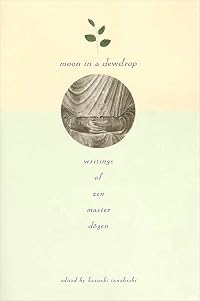
Moon in a Dewdrop: Writings of Zen Master Dogen
by Eihei Dogen
On This Page
Description
Eihei Dogen (1200-1253), among the first to transmit Zen Buddhism from China to Japan and founder of the important Soto School, was not only a profoundly influential and provocative Zen philosopher but also one of the most stimulating figures in Japanese letters. Kazuaki Tanahashi, collaborating with several other Zen authorities, has produced sensitive and accurate translations of Dogen's most important texts. Moon in a Dewdrop contains the key essays of the great master, as well as show more extensive background materials that will help Western readers to approach this significant work. There is also a selection of Dogen's poetry, most of which has not appeared in English translation before. Dogen's thought runs counter to conventional logic, employing paradoxical language and startling imagery. It illuminates such fundamental concerns as the nature of time, existence, life, death, the self, and what is beyond self. show lessTags
Recommendations
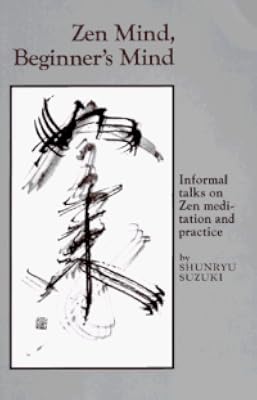
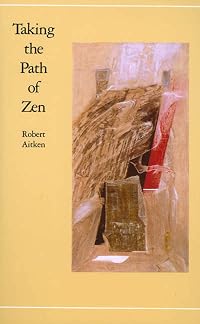
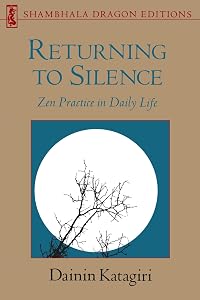
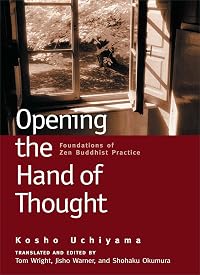


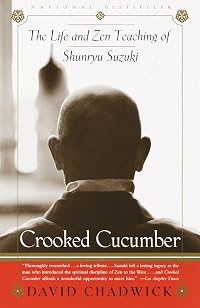
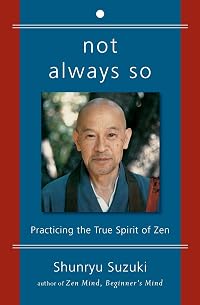


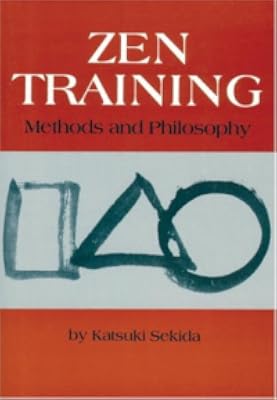















Member Recommendations
kukulaj A second volume of translations of Dogen, following Moon in a Dewdrop.
Member Reviews
Review From LibraryThing:
Viewing Peach Blossoms and Realizing the Way
In spring wind
peach blossoms
begin to come apart.
Doubts do not grow
branches and leaves.
-pg 214
The amount of wisdom in this collection of writings by 13th Century Zen Master Dogen is devastating. I had to read the book very slowly, sometimes only a single page per day. The book is broken into five main parts after a brief but interesting introduction and biography of the man:
Part 1, Practical Instructions; Part 2, Philosophical Works; Part 3, Poetic Imagery; Part 4, Transmission of the teaching; and Part 5, Poems
The material here is rich. Particularly in the Philosophical Works section, I didn't feel any amount of intellectual foundation work could prepare me for Dogen show more Zenji's writings. Rather, steady and focused Zen practice seemed the only helpful context. That said, it seems a lifetime of practice could be spent contemplating his work. This stuff goes deep. No wonder we are still reading his work over 800 years later and still finding it shockingly relevant.
The translations in this book are outstanding. They make what are already pretty universal topics (present tense living?) even more relevant. One would never figure the age of these texts from the clear and concise language used in the translations.
All in all, I am very hesitant to recommend this book to anyone who hasn't had much exposure to Zen writing and thought. This would certainly be a challenging read for anyone with scant experience practicing Zen meditation. That said, the work here is so often beyond gorgeous that I would love to share it with anyone interested. Shunryu Suzuki may be a better place to start but students shouldn't wait too long to dive into Dogen. There is a lifetime of contemplation here; one should get started right away. show less
Viewing Peach Blossoms and Realizing the Way
In spring wind
peach blossoms
begin to come apart.
Doubts do not grow
branches and leaves.
-pg 214
The amount of wisdom in this collection of writings by 13th Century Zen Master Dogen is devastating. I had to read the book very slowly, sometimes only a single page per day. The book is broken into five main parts after a brief but interesting introduction and biography of the man:
Part 1, Practical Instructions; Part 2, Philosophical Works; Part 3, Poetic Imagery; Part 4, Transmission of the teaching; and Part 5, Poems
The material here is rich. Particularly in the Philosophical Works section, I didn't feel any amount of intellectual foundation work could prepare me for Dogen show more Zenji's writings. Rather, steady and focused Zen practice seemed the only helpful context. That said, it seems a lifetime of practice could be spent contemplating his work. This stuff goes deep. No wonder we are still reading his work over 800 years later and still finding it shockingly relevant.
The translations in this book are outstanding. They make what are already pretty universal topics (present tense living?) even more relevant. One would never figure the age of these texts from the clear and concise language used in the translations.
All in all, I am very hesitant to recommend this book to anyone who hasn't had much exposure to Zen writing and thought. This would certainly be a challenging read for anyone with scant experience practicing Zen meditation. That said, the work here is so often beyond gorgeous that I would love to share it with anyone interested. Shunryu Suzuki may be a better place to start but students shouldn't wait too long to dive into Dogen. There is a lifetime of contemplation here; one should get started right away. show less
Viewing Peach Blossoms and Realizing the Way
In spring wind
peach blossoms
begin to come apart.
Doubts do not grow
branches and leaves.
-pg 214
The amount of wisdom in this collection of writings by 13th Century Zen Master Dogen is devastating. I had to read the book very slowly, sometimes only a single page per day. The book is broken into five main parts after a brief but interesting introduction and biography of the man:
Part 1, Practical Instructions; Part 2, Philosophical Works; Part 3, Poetic Imagery; Part 4, Transmission of the teaching; and Part 5, Poems
The material here is rich. Particularly in the Philosophical Works section, I didn't feel any amount of intellectual foundation work could prepare me for Dogen Zenji's writings. Rather, show more steady and focused Zen practice seemed the only helpful context. That said, it seems a lifetime of practice could be spent contemplating his work. This stuff goes deep. No wonder we are still reading his work over 800 years later and still finding it shockingly relevant.
The translations in this book are outstanding. They make what are already pretty universal topics (present tense living?) even more relevant. One would never figure the age of these texts from the clear and concise language used in the translations.
All in all, I am very hesitant to recommend this book to anyone who hasn't had much exposure to Zen writing and thought. This would certainly be a challenging read for anyone with scant experience practicing Zen meditation. That said, the work here is so often beyond gorgeous that I would love to share it with anyone interested. Shunryu Suzuki may be a better place to start but students shouldn't wait too long to dive into Dogen. There is a lifetime of contemplation here; one should get started right away. show less
In spring wind
peach blossoms
begin to come apart.
Doubts do not grow
branches and leaves.
-pg 214
The amount of wisdom in this collection of writings by 13th Century Zen Master Dogen is devastating. I had to read the book very slowly, sometimes only a single page per day. The book is broken into five main parts after a brief but interesting introduction and biography of the man:
Part 1, Practical Instructions; Part 2, Philosophical Works; Part 3, Poetic Imagery; Part 4, Transmission of the teaching; and Part 5, Poems
The material here is rich. Particularly in the Philosophical Works section, I didn't feel any amount of intellectual foundation work could prepare me for Dogen Zenji's writings. Rather, show more steady and focused Zen practice seemed the only helpful context. That said, it seems a lifetime of practice could be spent contemplating his work. This stuff goes deep. No wonder we are still reading his work over 800 years later and still finding it shockingly relevant.
The translations in this book are outstanding. They make what are already pretty universal topics (present tense living?) even more relevant. One would never figure the age of these texts from the clear and concise language used in the translations.
All in all, I am very hesitant to recommend this book to anyone who hasn't had much exposure to Zen writing and thought. This would certainly be a challenging read for anyone with scant experience practicing Zen meditation. That said, the work here is so often beyond gorgeous that I would love to share it with anyone interested. Shunryu Suzuki may be a better place to start but students shouldn't wait too long to dive into Dogen. There is a lifetime of contemplation here; one should get started right away. show less
Viewing Peach Blossoms and Realizing the Way
In spring wind
peach blossoms
begin to come apart.
Doubts do not grow
branches and leaves.
-pg 214
The amount of wisdom in this collection of writings by 13th Century Zen Master Dogen is devastating. I had to read the book very slowly, sometimes only a single page per day. The book is broken into five main parts after a brief but interesting introduction and biography of the man:
Part 1, Practical Instructions; Part 2, Philosophical Works; Part 3, Poetic Imagery; Part 4, Transmission of the teaching; and Part 5, Poems
The material here is rich. Particularly in the Philosophical Works section, I didn't feel any amount of intellectual foundation work could prepare me for Dogen Zenji's writings. Rather, show more steady and focused Zen practice seemed the only helpful context. That said, it seems a lifetime of practice could be spent contemplating his work. This stuff goes deep. No wonder we are still reading his work over 800 years later and still finding it shockingly relevant.
The translations in this book are outstanding. They make what are already pretty universal topics (present tense living?) even more relevant. One would never figure the age of these texts from the clear and concise language used in the translations.
All in all, I am very hesitant to recommend this book to anyone who hasn't had much exposure to Zen writing and thought. This would certainly be a challenging read for anyone with scant experience practicing Zen meditation. That said, the work here is so often beyond gorgeous that I would love to share it with anyone interested. Shunryu Suzuki may be a better place to start but students shouldn't wait too long to dive into Dogen. There is a lifetime of contemplation here; one should get started right away. show less
In spring wind
peach blossoms
begin to come apart.
Doubts do not grow
branches and leaves.
-pg 214
The amount of wisdom in this collection of writings by 13th Century Zen Master Dogen is devastating. I had to read the book very slowly, sometimes only a single page per day. The book is broken into five main parts after a brief but interesting introduction and biography of the man:
Part 1, Practical Instructions; Part 2, Philosophical Works; Part 3, Poetic Imagery; Part 4, Transmission of the teaching; and Part 5, Poems
The material here is rich. Particularly in the Philosophical Works section, I didn't feel any amount of intellectual foundation work could prepare me for Dogen Zenji's writings. Rather, show more steady and focused Zen practice seemed the only helpful context. That said, it seems a lifetime of practice could be spent contemplating his work. This stuff goes deep. No wonder we are still reading his work over 800 years later and still finding it shockingly relevant.
The translations in this book are outstanding. They make what are already pretty universal topics (present tense living?) even more relevant. One would never figure the age of these texts from the clear and concise language used in the translations.
All in all, I am very hesitant to recommend this book to anyone who hasn't had much exposure to Zen writing and thought. This would certainly be a challenging read for anyone with scant experience practicing Zen meditation. That said, the work here is so often beyond gorgeous that I would love to share it with anyone interested. Shunryu Suzuki may be a better place to start but students shouldn't wait too long to dive into Dogen. There is a lifetime of contemplation here; one should get started right away. show less
Eihei Dogen (1200-1253), among the first to transmit Zen Buddhism from China to Japan and founder of the important Soto School, was not only a profoundly influential and provocative Zen philosopher but also one of the most stimulating figures in Japanese letters.
Kazuaki Tanahashi, collaborating with several other Zen authorities, has produced sensitive and accurate translations of Dogen's most important texts. Moon in a Dewdrop contains the key essays of the great master, as well as extensive background materials that will help Western readers to approach this significant work. There is also a selection of Dogen's poetry, most of which has not appeared in English translation before.
Dogen's thought runs counter to conventional logic, show more employing paradoxical language and startling imagery. It illuminates such fundamental concerns as the nature of time, existence, life, death, the self, and what is beyond self. show less
Kazuaki Tanahashi, collaborating with several other Zen authorities, has produced sensitive and accurate translations of Dogen's most important texts. Moon in a Dewdrop contains the key essays of the great master, as well as extensive background materials that will help Western readers to approach this significant work. There is also a selection of Dogen's poetry, most of which has not appeared in English translation before.
Dogen's thought runs counter to conventional logic, show more employing paradoxical language and startling imagery. It illuminates such fundamental concerns as the nature of time, existence, life, death, the self, and what is beyond self. show less
Probably will want to reread at some point if I have the time.
Ratings
Members
- Recently Added By
Author Information

154+ Works 3,044 Members
Some Editions
Classifications
- Genres
- Religion & Spirituality, Nonfiction, Philosophy
- DDC/MDS
- 294.385 — Religion Other religions Buddhism/Hinduism Buddhism Buddhist scripture Mahayana texts and sources
- LCC
- BQ9449 .D65 .S53213 — Philosophy, Psychology and Religion Buddhism Buddhism Modifications, schools, etc. Special modifications, sects, etc. Zen Buddhism
- BISAC
Statistics
- Members
- 472
- Popularity
- 64,414
- Reviews
- 5
- Rating
- (4.17)
- Languages
- English, Japanese
- Media
- Paper
- ISBNs
- 4
- ASINs
- 2