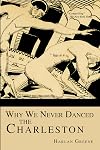
Why We Never Danced the Charleston
by Harlan Greene
On This Page
Description
The cult classic novel set in the gay underground of 1920s Charleston--with a new afterword by the Lambda Literary Award-winning author. South Carolina, 1920s. For those young men and women fortunate enough to come from the right families, life in Charleston was a party--one where the latest craze was a strange new dance called "The Charleston." But some young men were forced to seek their romances in the shadows--where judgment and the law have trouble identifying exactly who is who. show more Decades later, whispers emerge of something baffling and tragic that happened back then. As an old man confronts those demanding the truth, a story of love, betrayal and the deadly consequences of repression unfolds. A cult favorite by the author of What the Dead Remember and The German Officer's Boy, Harlan Greene's debut novel is restored to print with a new afterword revealing the facts upon which it is based. show lessTags
Recommendations


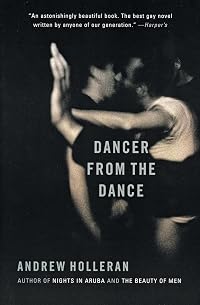
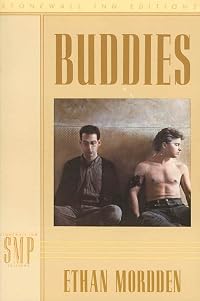

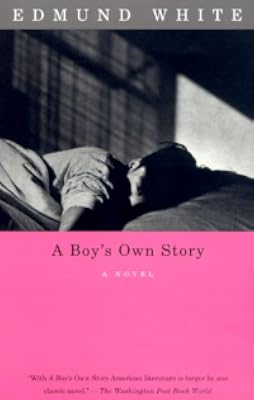


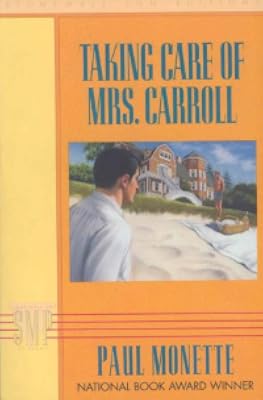
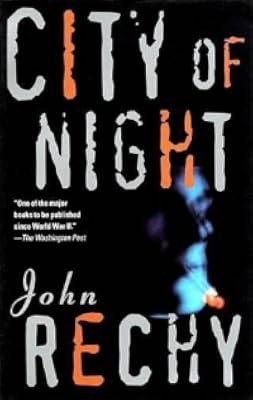


















Member Recommendations
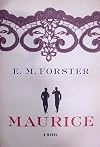
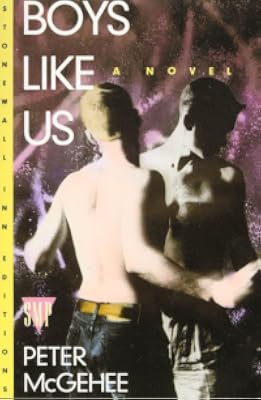
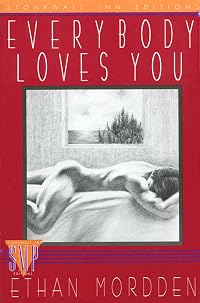
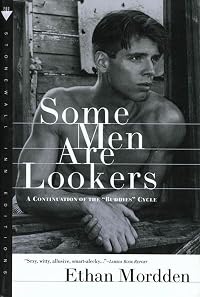
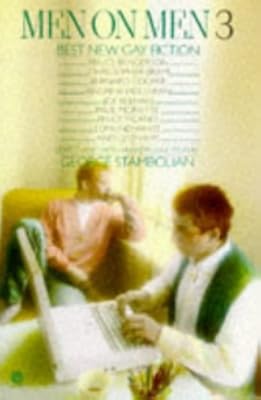
lucybrown Both books examine young men coming to terms with their homosexuality in a time period when it was entirely unaccepted, even illegal. Forster's book is set in the late Victorian England (1914)and Greene's 1920s Charleston, SC. Both are well written though stylistically different.
Member Reviews
Beautifully written this story, set in Charleston, South Carolina around 1920s provides a vivid picture of life for young gay men of the time. The story principally centres around two young men, Hirsch Hess the handsome and desirable yet aloof son of Jewish immigrants, and Ned Grimke, slender, pale and somewhat effeminate. Hirsch is desired and briefly attained by our narrator, but soon lost to his old childhood and now rejected friend Ned. Looking back from his now old age our narrator describes the doomed love affair between Hirsch and Ned, cleverly skirting around the problems of what he could not observe first-hand, while convincingly recreating what it must have been like for a young man to recognise and then realise his sexual show more orientation at a time of prejudice and repression.
While the characters and their way of life may not win our hearts, Harlan Greene's magical prose is more than enough hold us. show less
While the characters and their way of life may not win our hearts, Harlan Greene's magical prose is more than enough hold us. show less
In this novel, the unnamed narrator recounts the love triangle between himself and two other men in 1920's Charleston - a very repressive time when even a new dance was considered shocking enough to have people arrested. The young narrator meets Ned Grimke, a shy, club-footed boy, when just a child and begins an unusual friendship. As they grow older, the narrator begins to distance himself from him, not liking the unusual attraction that Ned has for him; he soon learns that he himself has such strange urgings. He begins to haunt the secret places where such men meet: a waterfront area known as The Battery and the Peacock Alley Bar.
One night, the narrator meets the handsome Hirsch Hess, a brooding Jew who seem sbent on self-destruction show more over his homosexualtiy. They share a short-lived affair until Hirsch accidentally meets Ned. The two form a strange, very close bond that both the narrator and societal pressures attempt to break with disatrous results.
"Why We Never Danced the Charleston" offers a unique glimpse at homosexuality in the South during the 1920's - a time when sexual expression was just beginning with new dances and other forms of culture. Greene depicts a very repressed society, in which everyone knows that the love between two men is wrong, where such men are taught to loathe themselves and others like them, and yet they survive, live and love despite what society says. His characters and their reaction to the time and societal norms with which they live come across very realistically. And, even though the ending is typically tragic for a gay novel, I still enjoyed reading it. show less
One night, the narrator meets the handsome Hirsch Hess, a brooding Jew who seem sbent on self-destruction show more over his homosexualtiy. They share a short-lived affair until Hirsch accidentally meets Ned. The two form a strange, very close bond that both the narrator and societal pressures attempt to break with disatrous results.
"Why We Never Danced the Charleston" offers a unique glimpse at homosexuality in the South during the 1920's - a time when sexual expression was just beginning with new dances and other forms of culture. Greene depicts a very repressed society, in which everyone knows that the love between two men is wrong, where such men are taught to loathe themselves and others like them, and yet they survive, live and love despite what society says. His characters and their reaction to the time and societal norms with which they live come across very realistically. And, even though the ending is typically tragic for a gay novel, I still enjoyed reading it. show less
Ratings
Members
- Recently Added By
Published Reviews
added by gsc55
Author Information

16+ Works 384 Members
Some Editions
Common Knowledge
- Dedication
- For my parents: By example and with love you taught me. I owe you everything.
Classifications
- Genres
- Fiction and Literature, LGBTQ+, General Fiction, Historical Fiction
- DDC/MDS
- 813.54 — Literature & rhetoric American literature in English American fiction in English 1900-1999 1945-1999
- LCC
- PS3557 .R3799 .W5 — Language and Literature American literature American literature Individual authors 1961-
- BISAC
Statistics
- Members
- 143
- Popularity
- 228,592
- Reviews
- 2
- Rating
- (3.92)
- Languages
- English
- Media
- Paper, Ebook
- ISBNs
- 5
- ASINs
- 3