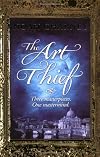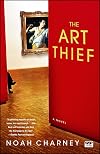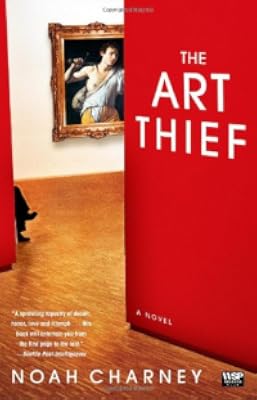
The Art Thief
by Noah Charney
On This Page
Description
Rome: In the small church of Santa Giuliana, a magnificent Caravaggio altarpiece disappears without a trace in the middle of the night. Paris: In the basement vault of the Malevich Society, the curator is shocked to discover the disappearance of the Society's great treasure, White on White by Suprematist painter Kasimir Malevich. London: At the National Gallery of Modern Art, the museum's newest acquisition is stolen just hours after it was purchased for £6.3 million. Three apparently show more unrelated art thefts have more in common than anyone imagines. As a renowned art investigator, a police inspector, and a Scotland Yard inspector take up their separate investigations, a trail of bizarre clues and intellectual puzzles reveals forgeries, over-paintings, and double crosses in an ever-deepening conspiracy. show lessTags
Recommendations



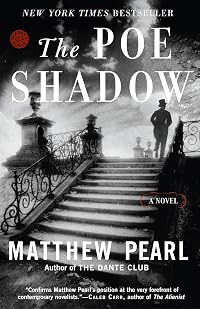
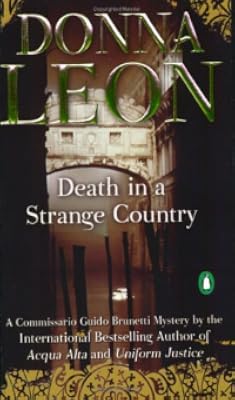
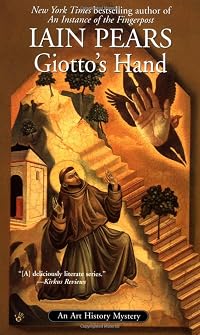
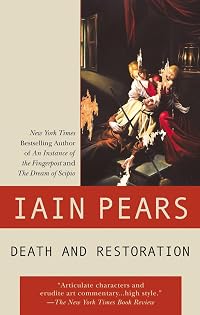

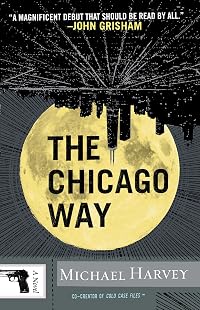
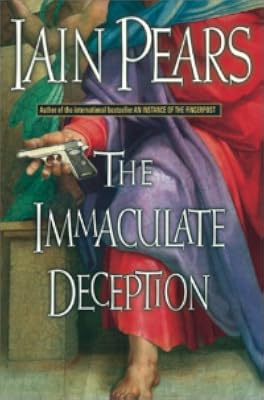
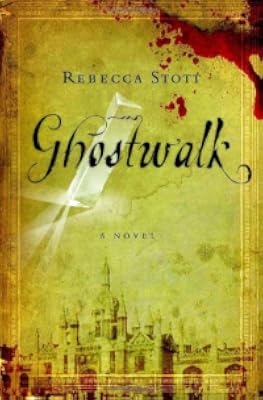



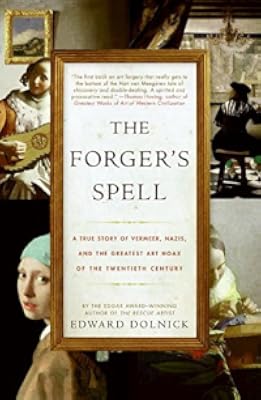
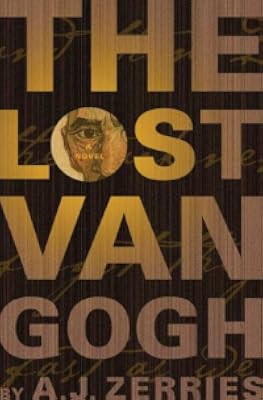
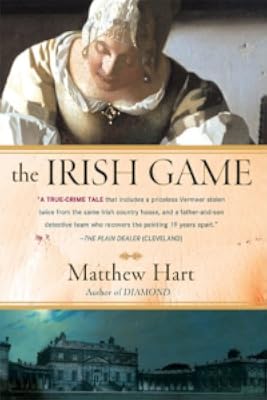

Member Recommendations
Caramellunacy Both stories are about art forgery and theft from museums. Both involve a mythical Caravaggio. Murder at the National Gallery is actually more a thriller than a murder mystery.
Member Reviews
In the first half or so of this novel, I was sure it would be a 4-star rating… but by the end, nope. The premise for this novel was great but Charney fell all over his feet trying to make the story mysterious. In fact, the writing became way too convoluted to enjoy and by the end, it was certainly a case of ‘clear as mud’.
While I didn’t mind some anecdotal digressions, the author tended to ramble right in the middle of a suspenseful passage. Such side-stories take a reader out of the storyline and makes the action too choppy. Ultimately, the dénouement was prolonged to the point where the plot was completely obscured. It’s very unsatisfying to read about forgeries and art heists that are never revealed in a clear narrative. show more Which begs the question, where was the editor? show less
While I didn’t mind some anecdotal digressions, the author tended to ramble right in the middle of a suspenseful passage. Such side-stories take a reader out of the storyline and makes the action too choppy. Ultimately, the dénouement was prolonged to the point where the plot was completely obscured. It’s very unsatisfying to read about forgeries and art heists that are never revealed in a clear narrative. show more Which begs the question, where was the editor? show less
Noah Charney has the credentials to write this tale and he uses them. His extensive knowledge of the art world and of art theft is expressed in every chapter.
Three thefts: a Caravaggio and two Malevich paintings (Malevich is Charney's creation). One from a church, another from the Malevich Society, the third from a museum just hours after its purchase. The thieves are intelligent, using methods that reveal the weaknesses of the organizations' security systems. The thefts mystify the investigators. Why these? Why now?
Malevich painted a series of "white on white" paintings. Just what you expect: white, all white. Of course the brush strokes differ.
The Russian painter apparently painted these as a protest against icons. No icons here, no show more representations of anything. They were initially hung in the place where paintings of Jesus and Mary normally hung in a home. The investigators therefore suggested that the thefts might be not by an art lover (who would hire the thieves) but by a religious group, opposed to Malevich's position.
We meet these investigators, art experts, and museum heads. Each has a unique personality and specialty. The thefts are an intellectual puzzle they bite into as thoroughly as they bite into the special meals that form a rather great part of the narrative. Will they discover the complexity and intertwining of the thefts? Will they find the perp(s)?
I found it highly entertaining from a humorous point of view as well as a tome on art, art lovers, and thieves, a sendup of the art world by someone who clearly loves it.
More, the reader is the best I've heard. Simon Vance takes on the different voices of the many different international characters and made me believe. He's highly skilled and made the book even more for me than it might have been. show less
Three thefts: a Caravaggio and two Malevich paintings (Malevich is Charney's creation). One from a church, another from the Malevich Society, the third from a museum just hours after its purchase. The thieves are intelligent, using methods that reveal the weaknesses of the organizations' security systems. The thefts mystify the investigators. Why these? Why now?
Malevich painted a series of "white on white" paintings. Just what you expect: white, all white. Of course the brush strokes differ.
The Russian painter apparently painted these as a protest against icons. No icons here, no show more representations of anything. They were initially hung in the place where paintings of Jesus and Mary normally hung in a home. The investigators therefore suggested that the thefts might be not by an art lover (who would hire the thieves) but by a religious group, opposed to Malevich's position.
We meet these investigators, art experts, and museum heads. Each has a unique personality and specialty. The thefts are an intellectual puzzle they bite into as thoroughly as they bite into the special meals that form a rather great part of the narrative. Will they discover the complexity and intertwining of the thefts? Will they find the perp(s)?
I found it highly entertaining from a humorous point of view as well as a tome on art, art lovers, and thieves, a sendup of the art world by someone who clearly loves it.
More, the reader is the best I've heard. Simon Vance takes on the different voices of the many different international characters and made me believe. He's highly skilled and made the book even more for me than it might have been. show less
Once the story takes off there is a dizzying number of forgeries, overpaintings, double-crosses, and unscrupulous collectors. There's a whirlwind of information being presented about the artists, about the consequences of art crime, and especially some fantastically colorful lectures on art history and certain paintings. There are puzzles and brain teasers - but to be honest it all ended up being a little much. It got to the point where I was writing down what was happening to what painting where...and I just felt jumbled and confused. Not the ideal denouement.
The author mentions in the interview at the back of my copy that he began work as a playwright - and I think it shows. Rather than draw us elaborate heist scenes or action-based show more chases, most of the action is recounted through dialogue between characters. I was looking for a better balance between demonstrating character development and actual action scenes - otherwise many of the scenes can seem like info-dumps.
Ultimately, The Art Thief misses the ideal balance between the thriller (like The Thomas Crown Affair) and a more character-driven story. But some of his characters are spot-on, and where Charney talks about art history and art crime, I was utterly fascinated. I would recommend this to readers who enjoyed the art references and discussions in Dan Brown's thrillers, but want someone who 'gets' art. Noah Charney does, and his Professor Barrow brings it to life AND makes you laugh.
More (including links to the art) at my blog show less
The author mentions in the interview at the back of my copy that he began work as a playwright - and I think it shows. Rather than draw us elaborate heist scenes or action-based show more chases, most of the action is recounted through dialogue between characters. I was looking for a better balance between demonstrating character development and actual action scenes - otherwise many of the scenes can seem like info-dumps.
Ultimately, The Art Thief misses the ideal balance between the thriller (like The Thomas Crown Affair) and a more character-driven story. But some of his characters are spot-on, and where Charney talks about art history and art crime, I was utterly fascinated. I would recommend this to readers who enjoyed the art references and discussions in Dan Brown's thrillers, but want someone who 'gets' art. Noah Charney does, and his Professor Barrow brings it to life AND makes you laugh.
More (including links to the art) at my blog show less
I really wanted to like this book. I have a soft spot for art-centered mysteries/thrillers since reading Provenance by Frank McDonald. Unfortunately, this book was a disaster.
It was almost unreadable until chapter 9. The writing and characterization were the major problems. It was way too over descriptive, and used too many adjectives. Then there were whole sentences filled with pomposity that made them unintelligible. It was florid and at the same time had an almost superior air to it.
The characterizations were just awful. They were not real people, and hopefully not how real people act. What modern day business man asks a female colleague from another firm if its her time of month ? I realize they were all European, but surely they show more are not that backward ?
The rest were just too cartoony for words, especially the two French policeman, the Scotland Yard detective, and the English art expert. It also seems that the suave art crime expert is a stand-in for the author and comes across as a more cerebral James Bond of the art world. Please.
It seemed someone made an impression on the author because after chapter 9 it was toned down a bit. But why couldn't he have re-written the previous chapters? There was still over-description but it seemed less intrusive. His characters were still odd, and you really didn't care about them. There was no sense of urgency or of caring about the thefts and the mystery.
The art thefts were all over the place and the story constantly jumped around. It was hard to get a coherent story from the various scenes one after another.
Some have complained that there is too much art and art theft information, but that is what I like, and the only reason I kept reading. At the start it seems that he had copied directly from a incredibly dry, boring, lifeless book (in tone, not content), but he gets better with his info dumps.
This book had the raw material to be very decent, but the author lacks writing skill, the ability to recreate real life, and real people, and has too much ego in terms of injecting himself into the book.
I have to say I will probably not read anything else by him again. show less
It was almost unreadable until chapter 9. The writing and characterization were the major problems. It was way too over descriptive, and used too many adjectives. Then there were whole sentences filled with pomposity that made them unintelligible. It was florid and at the same time had an almost superior air to it.
The characterizations were just awful. They were not real people, and hopefully not how real people act. What modern day business man asks a female colleague from another firm if its her time of month ? I realize they were all European, but surely they show more are not that backward ?
The rest were just too cartoony for words, especially the two French policeman, the Scotland Yard detective, and the English art expert. It also seems that the suave art crime expert is a stand-in for the author and comes across as a more cerebral James Bond of the art world. Please.
It seemed someone made an impression on the author because after chapter 9 it was toned down a bit. But why couldn't he have re-written the previous chapters? There was still over-description but it seemed less intrusive. His characters were still odd, and you really didn't care about them. There was no sense of urgency or of caring about the thefts and the mystery.
The art thefts were all over the place and the story constantly jumped around. It was hard to get a coherent story from the various scenes one after another.
Some have complained that there is too much art and art theft information, but that is what I like, and the only reason I kept reading. At the start it seems that he had copied directly from a incredibly dry, boring, lifeless book (in tone, not content), but he gets better with his info dumps.
This book had the raw material to be very decent, but the author lacks writing skill, the ability to recreate real life, and real people, and has too much ego in terms of injecting himself into the book.
I have to say I will probably not read anything else by him again. show less
The Art Thief is an amateurish novel that lectures against romanticizing art theft while doing exactly that. The author is described in publicity material as the founding director of an international think tank on art crime with a board of trustees that "includes the respective art squad heads of the FBI, Carabinieri, and Scotland Yard, as well as renowned museum, art world, and criminology specialists." They may not have read his novel. The book is populated with slapstick national stereotypes and Keystone Cops. The bumbling hugely obese French detective of the Sûreté stops to indulge his gourmandise on the way to crime scenes and is almost too fat to see the clues. The depressed, poorly dressed working-class British art crimes show more detective "can't tell a Degas from a Manet from a fancy I-don't-know-what" but has solved all his cases. Despite the lectures the author provides on how art theft is funding the drug trade and terrorism, the thieves are motivated by love, loss, and a sense of fairness and are the only characters not mocked or stereotyped. The moral of the story: "Trust in thieves."
Charney thanks his editors in the acknowledgements but apparently no one actually edited the writing. He writes about spotlights that illuminate spaces "vicariously," people who "reflect thoughtlessly," academic halls decorated with "pendulous portraits" (shades of Dalí). The only possible conclusion is that he does not know whas those adjectives and adverbs mean. An attentive editor should have noticed these and other awkward uses of language. Apparently no one at the publishers ever read the manuscript. show less
Charney thanks his editors in the acknowledgements but apparently no one actually edited the writing. He writes about spotlights that illuminate spaces "vicariously," people who "reflect thoughtlessly," academic halls decorated with "pendulous portraits" (shades of Dalí). The only possible conclusion is that he does not know whas those adjectives and adverbs mean. An attentive editor should have noticed these and other awkward uses of language. Apparently no one at the publishers ever read the manuscript. show less
Rarely do I come across a book that I simply cannot finish for the reason that I can derive no enjoyment out of the novel. Such is the case of The Art Thief. The title is what caught my eye initially. After all, white-collar crime, intrigue, and the fascinating cat-and-mouse game that follows always provide some excellent thrills. The Art Thief, however, fails to deliver in all of the aforementioned aspects. The writing is awkward, the perspective jumps at seemingly arbitrary points, and the plot already appears quite convoluted. Any one of these flaws on its own may be forgivable if, at the very least, the characters were well thought out and compelling. Unfortunately, this is not so. There was no way to “connect” with these show more characters since they were bland, forgettable, and uninteresting. Perhaps one redeeming character may have been Gabriel Coffin (a sort of Sherlock Holmes of art theft from the introduction), yet it wasn’t enough to maintain interest in the novel as a whole. The story plodded along with long tangents explaining the quirks of the art industry, the auctions, etc. but never found its stride. That fact is painfully disappointing considering how much potential it had when taking into account its subject material. Bottom line, books are meant to be enjoyed whether it be from a thrilling plot, a fastidious character study, or some other form of exhilaration that comes with the appreciation of the art of the written word. Life is too short for it to be spent on dismal literature. 1 star. show less
The Art Thief is full of lightly sketched characters performing their set roles in a charming, stylish way. It reads like it is intended to be a movie; a novelized screenplay, rather than an actual book. I would probably enjoy The Art Thief: The Movie a great deal, I just prefer my books to be books, not re-tooled screenplays.
It is light and charming and would make a good beach read. The art history sprinkled throughout is basic in the extreme and because of the constant cuts between scenes (just when one scene begins to grab your attention, you're wrenched somewhere else) no scenario lasts more then a few pages.
It is light and charming and would make a good beach read. The art history sprinkled throughout is basic in the extreme and because of the constant cuts between scenes (just when one scene begins to grab your attention, you're wrenched somewhere else) no scenario lasts more then a few pages.
Members
- Recently Added By
Lists

Master library
2 works; 1 member

Art heist books at PPL
122 works; 1 member
Author Information

23 Works 1,508 Members
Some Editions
Common Knowledge
- Canonical title
- The Art Thief
- Original title
- The Art Thief
- Original publication date
- 2007
- People/Characters
- Gabriel Coffin; Geneviève Delacloche; Jean-Jacques Bizot; Harry Wickenden; Michelangelo Merisi da Caravaggio
- Important places
- Paris, France; London, England, UK; Rome, Italy
- Epigraph
- Look deeper.
- Dedication
- To my parents James and Diane & Eleanor
- First words
- It was almost as if she were waiting, hanging there, in the painted darkness.
- Last words
- (Click to show. Warning: May contain spoilers.)"Trust in Theives."
- Blurbers
- Berry, Steve; Winslow, Don; Finney, Jennifer; Sierra, Javier
Classifications
Statistics
- Members
- 799
- Popularity
- 34,838
- Reviews
- 47
- Rating
- (2.84)
- Languages
- 7 — Chinese, Dutch, English, Italian, Portuguese, Slovenian, Spanish
- Media
- Paper, Audiobook, Ebook
- ISBNs
- 32
- ASINs
- 7