
Matthew Hart (1) (1945–)
Author of Diamond: The History of a Cold-Blooded Love Affair
For other authors named Matthew Hart, see the disambiguation page.
About the Author
Matthew Hart is a veteran writer and journalist and author of seven books, including the award-winning Diamond. He has written for Vanity Fair, The Atlantic Monthly, Granta, the London Times, and The Wall Street Journal. He has appeared on 60 Minutes, CNN, and the National Geographic Channel. He show more lives in New York City. show less
Works by Matthew Hart
Associated Works
Tagged
Common Knowledge
- Birthdate
- 1945
- Gender
- male
- Awards and honors
- Canada’s Arthur Ellis Award (2004)
- Short biography
- A skilled writer and journalist, Matthew Hart (1) is an editor of the New York trade magazine Rapaport Diamond Report. His articles on diamonds have appeared in such publications as The Atlantic Monthly and The Financial Post. Matthew Hart is a veteran journalist and writer. He has written documentary film scripts for the CBC, CTV, and IMAX, and is a distinguished magazine columnist and feature writer. His work has appeared in The Atlantic Monthly, Saturday Night, Toronto Life, and The Financial Post Magazine. He was a contributing editor of Canadian Art, and for three years wrote the popular back-page humour column for The Globe and Mail's Toronto magazine. The Irish Game: A True History of Crime and Art is his fourth non-fiction book. Matthew currently lives in London, England. His books include three novels and two previous works of nonfiction, including the story of the greatest gold discovery in the western hemisphere. He has lived in Toronto. He was born in 1945.
- Places of residence
- New York, New York, USA
- Associated Place (for map)
- New York, USA
Members
Reviews
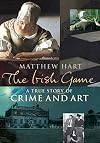
This true-crime art heist tale, published in 2004, has as many unlikely twists, betrayals, and double agents as a compelling mystery novel.
In 1974, a British heiress sympathetic to the IRA, together with three men, stole 19 paintings, including Vermeer's LADY WRITING A LETTER WITH HER MAID, from Russborough, a castle and the dwelling place of the English aristocrats Sir Alfred and Lady Beit in Ireland. The paintings were recovered; but in 1986, the Vermeer and other paintings were stolen show more again by a bold Dublin gangster named Martin Cahill. Set against Irish tensions of the late 1900s that reflected the chasms between the classes and between Ireland and England, this story illuminates the darker side of art--including the connections to drug and mob money and to violence.
My fascination with the stories and historical tidbits that surround high-end art began when I worked at Christie's Auction House in NYC in the 1990s. Much of what I learned there about the art world became good fodder for the novel that would eventually become A TRACE OF DECEIT. I first read this book (THE IRISH GAME) as I was drafting TRACE, years ago, because it tells more than the story of the solved art heists. It also tells the story of how a man restoring the painting carefully removed the top layer of paint (which was added after Vermeer died) to reveal a red wax seal on the letter, which adds to the emotional depth of the painting; and how a conservator discovered the technique Vermeer used to achieve perspective in his painting. Amazing.
I reread this book again recently because as I develop my new protagonist, Inspector Michael Corravan, born in Ireland and raised in an Irish section of Whitechapel, I'm obsessing about Ireland--its history, the prejudices against the Irish in England in the 1800s, and the complex web of police and criminals that reached from one island to the other across the Irish Sea.
I recommend this book for anyone interested in art, Ireland, and true crime. show less
In 1974, a British heiress sympathetic to the IRA, together with three men, stole 19 paintings, including Vermeer's LADY WRITING A LETTER WITH HER MAID, from Russborough, a castle and the dwelling place of the English aristocrats Sir Alfred and Lady Beit in Ireland. The paintings were recovered; but in 1986, the Vermeer and other paintings were stolen show more again by a bold Dublin gangster named Martin Cahill. Set against Irish tensions of the late 1900s that reflected the chasms between the classes and between Ireland and England, this story illuminates the darker side of art--including the connections to drug and mob money and to violence.
My fascination with the stories and historical tidbits that surround high-end art began when I worked at Christie's Auction House in NYC in the 1990s. Much of what I learned there about the art world became good fodder for the novel that would eventually become A TRACE OF DECEIT. I first read this book (THE IRISH GAME) as I was drafting TRACE, years ago, because it tells more than the story of the solved art heists. It also tells the story of how a man restoring the painting carefully removed the top layer of paint (which was added after Vermeer died) to reveal a red wax seal on the letter, which adds to the emotional depth of the painting; and how a conservator discovered the technique Vermeer used to achieve perspective in his painting. Amazing.
I reread this book again recently because as I develop my new protagonist, Inspector Michael Corravan, born in Ireland and raised in an Irish section of Whitechapel, I'm obsessing about Ireland--its history, the prejudices against the Irish in England in the 1800s, and the complex web of police and criminals that reached from one island to the other across the Irish Sea.
I recommend this book for anyone interested in art, Ireland, and true crime. show less
I thoroughly enjoyed this account of the repeated thefts of certain paintings from Rossborough House in Ireland, including a rare and beautiful Vermeer picture. The accounts of the Dublin underworld were a bonus that was, by turns, infuriating and hilarious. Definitely recommended.
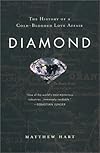
I picked up this book after watching Blood Diamond and becoming curious about what in the movie was fact as opposed to fiction, as well as simply wanting to learn more about the trade in general. I found this book to be engaging and extremely readable (even for a near total layperson with only passing interest at the time), giving me history that felt more like a novel and then more up-to-date information on the state of the industry and companies. While disheartening in its clear show more pronouncement of how terrible individuals can be when aligned by greed, it stays surprisingly subjective as it gives you the facts and allows you to find your own interpretations on the matters presented. For anyone with a passing interest in diamonds, their history, or the diamond trade as it stands in Africa, I'd recommend this book highly. At the same time, if you're looking for something different and readable, regardless of the above categories or whether you fit them, this book is worthwhile. show less
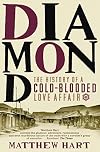
This is a good general account of the modern day diamond business, with the right mix of technical detail and story telling. The reader learns about how diamonds are formed, found and exploited, as well as the romance and large personalities behind the trade. As with most accounts of the gem-trade, the story inevitably revolves around the Goliath of the industry - the de Beers cartel, but Hart goes a long way to explaining how they rose to eminence and how they manage to exert so much show more control, even if this control is now waning. He also includes interesting details on the differing stages of diamond sales, from the selling of `rough' to the marketing of the finished article that most of us associate with diamonds.
Hart is to be commended for including a section on conflict diamonds, and how the trade in these is effecting the lives of thousands for the worse. He is cynical about how much the industry will do to stop the trade of these tainted gems, but the reader gets the feeling that his cynicism is not misplaced - much of his story is taken up with the greed and backstabbing involved in the search for and trading of this precious commodity. This definitely is a cold blooded love affair. But Hart manages to tell it as it is, leaving the reader to decide if diamonds really are worth the trouble and money that they currently command.
There are few complaints about this book, only minor quibbles. One is very partisan - I would have liked to have read more about the Argyle diamonds of Australia, and how they have been attempting to make brown diamonds (champagne and cognacs to be more romantic) fashionable. I also would have expected more on the trading houses of Antwerp and Tel Aviv, but Hart was obviously more concerned with the swashbuckling nature of exploration. But as stated, these are minor quibbles - this is still a fascinating read. show less
Hart is to be commended for including a section on conflict diamonds, and how the trade in these is effecting the lives of thousands for the worse. He is cynical about how much the industry will do to stop the trade of these tainted gems, but the reader gets the feeling that his cynicism is not misplaced - much of his story is taken up with the greed and backstabbing involved in the search for and trading of this precious commodity. This definitely is a cold blooded love affair. But Hart manages to tell it as it is, leaving the reader to decide if diamonds really are worth the trouble and money that they currently command.
There are few complaints about this book, only minor quibbles. One is very partisan - I would have liked to have read more about the Argyle diamonds of Australia, and how they have been attempting to make brown diamonds (champagne and cognacs to be more romantic) fashionable. I also would have expected more on the trading houses of Antwerp and Tel Aviv, but Hart was obviously more concerned with the swashbuckling nature of exploration. But as stated, these are minor quibbles - this is still a fascinating read. show less
Awards


You May Also Like


Associated Authors
Statistics
- Works
- 6
- Also by
- 1
- Members
- 753
- Popularity
- #33,775
- Rating
- 3.6
- Reviews
- 22
- ISBNs
- 81
- Languages
- 2