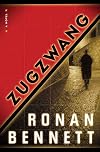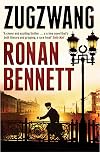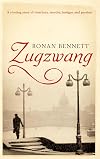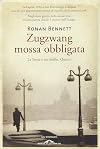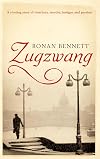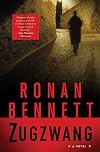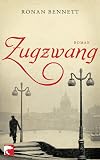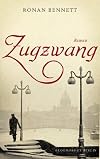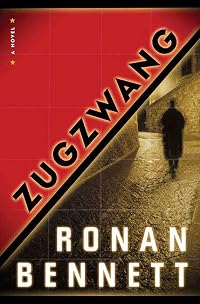
Zugzwang
by Ronan Bennett
On This Page
Description
"St. Petersburg, 1914: imposing and shabby, monumental and squalid, and, under its surface of frosty glamour, seething with plots and secret allegiances. On a blustery March day, O. V. Gulko, a respected newspaper editor, is murdered in front of a shocked crowd." "Five days later Dr. Otto Spethmann, the famous psychoanalyst, receives a visit from the police. There has been another murder in the city and somehow he is implicated. He is mystified - and deeply worried, as much for his young, show more spirited daughter as for himself." "Meanwhile, he is preoccupied by two new patients: Anna Petrovna, the society beauty plagued by nightmares with whom he is steadily and inappropriately falling in love, and the brilliant but fragile chess genius, Avrom Rozental, who, on the verge of complete breakdown, must now play in the most important tournament of his life." "With the city rife with speculation and alarm, Spethman broods over his own chessboard, its pieces frozen mid-battle, and contemplates the many forces - political, historical, sexual - that are holding him in their grasp."--BOOK JACKET. show lessTags
Recommendations













Member Recommendations

rarelibri A murder mystery within the backdrop of chess tourney. The name of the book itself is taken from a chess position where: A player whose turn it is to move who has no move that does not worsen their position is said to be in zugzwang (Soltis 2003:78). Thus every move would make their position worse, and they would be better off if they could pass and not move.
A great book and for fans of Neville.
rarelibri
Member Reviews
Zugzwang is a term used in chess to describe a position in which a player is reduced to a state of utter helplessness. He is obliged to move, but every makes his position worse.
This book is set in 1914 pre-revolution St. Petersburg where Dr. Otto Spethmann is a prominent psychoanalyst and widower living a comfortable life with his daughter, Catherine. Otto is apolitical but when a newspaper editor is murdered in broad daylight and an apparent car accident turns out to be a murder he is drawn into a world of political manoeuvring and intrigue when his business card is found on one of the victims.
The novel's action takes place over a few days' time, during which Spethmann meets a bewildering array of characters ranging from police show more officers and undercover agents of the Interior ministry to Bolshevik party activists and oligarchs with their own ulterior motives.
Meanwhile Otto's personal life is undergoing a major upheaval life due to two of his patients. One Anna Petrovna, a married woman with whom he is falling in love with and developing an unprofessional relationship. The other, Avrom Rozental, a Jewish chess master, visiting the city from Poland for a major chess tournament. Rozental is on the verge of a mental breakdown and fixated on his up-coming matches but for some reason the police seem to be unduly interested in his movements.
Zugzwang is a thriller that centres on the choices that Otto must make as he and his daughter are buffeted by forces that are far out of their control. All the choices they make seem to put them more and more at personal risk.
Running throughout the book is a long-running chess game played between Otto and a friend. Otto contemplates the moves and counter moves that his opponents will play. As events in the novel heat up, so does the chess game. This is a side dish that will no doubt thrill chess enthusiasts but should not be enough to put off non-players from enjoying this novel. I found it well written and fast paced with plenty of twists and turns (a few too many for my taste) but if I'm honest it didn't have enough about it to really stand out from the crowd. show less
This book is set in 1914 pre-revolution St. Petersburg where Dr. Otto Spethmann is a prominent psychoanalyst and widower living a comfortable life with his daughter, Catherine. Otto is apolitical but when a newspaper editor is murdered in broad daylight and an apparent car accident turns out to be a murder he is drawn into a world of political manoeuvring and intrigue when his business card is found on one of the victims.
The novel's action takes place over a few days' time, during which Spethmann meets a bewildering array of characters ranging from police show more officers and undercover agents of the Interior ministry to Bolshevik party activists and oligarchs with their own ulterior motives.
Meanwhile Otto's personal life is undergoing a major upheaval life due to two of his patients. One Anna Petrovna, a married woman with whom he is falling in love with and developing an unprofessional relationship. The other, Avrom Rozental, a Jewish chess master, visiting the city from Poland for a major chess tournament. Rozental is on the verge of a mental breakdown and fixated on his up-coming matches but for some reason the police seem to be unduly interested in his movements.
Zugzwang is a thriller that centres on the choices that Otto must make as he and his daughter are buffeted by forces that are far out of their control. All the choices they make seem to put them more and more at personal risk.
Running throughout the book is a long-running chess game played between Otto and a friend. Otto contemplates the moves and counter moves that his opponents will play. As events in the novel heat up, so does the chess game. This is a side dish that will no doubt thrill chess enthusiasts but should not be enough to put off non-players from enjoying this novel. I found it well written and fast paced with plenty of twists and turns (a few too many for my taste) but if I'm honest it didn't have enough about it to really stand out from the crowd. show less
Zugzwang
While enamoured to neither Bolsheviks nor spies this is the type of fiction I enjoy without getting too excited by it. Steady throughout, it isn’t Stieg Larsson stuff but then few works of fiction are. Turning its pages induces a mild sensation of entering a room already furnished and decorated by the novelist Eric Ambler. Scenes from Epitaph for a Spy were the flashbacks that peppered my reading of Zugzwang.
There is no great pace to the book and it never reaches a climax. Ronan Bennett is a controlled writer and it is satisfying to watch a novelist harness his work rather than allowing it to run away, pulling him behind in its train as has happened to Tom Rob Smith in his Lev Demidov triology. Like the chess game Zugzwang is show more built around, the plot moves slowly and methodically. The tale sings but never reaches the high note. The story is more like cricket than soccer, played out rather than being decided by a stunning goal in the final seconds. There is no dramatic outcome preceded by the preparatory crescendo. Like a Leonard Cohen song that makes no attempt to hit the high note, the content is not impaired, the music in no way deficient.
The location is St Petersburg in 1914, a city better described as a boiling pot rather than a melting one, even though with the benefit of hindsight we now know that the melt down of the old Tzarist Russia was a mere three years away.
As usual with revolution there were agents and double agents. A close observer of the North, Bennett would understand just how extensive penetration by state intelligence agencies can be and how the ground is laid by them to produce zugzwang and eventually checkmate: where the point is reached when the king of the opposition is revealed as a mere pawn in the wider game even if he deludes himself that he is the most important piece on the board.
Dr Otto Spethmann is a psychoanalyst whose work is disturbed by an overly officious police officer investigating murder and making inquiries about one of his patients. There are policemen and ‘terrorists’, both of whom routinely make incursions and infringements. There are also Bolsheviks and betrayers, lovers and haters, but the reader is deliberately never allowed to stand at ease with the authenticity of the roles the characters assume. Secrecy will always breed spies and sellers of secrets in a world where things are never quite what they seem.
The air is thick with the choking smoke of political violence. It is the backdrop against which the plot and violence of the novel are placed. St Petersburg is a hotbed of sedition and suspicion. In this city Spethmann, a widower whose sense of amour has not yet deadened, loves his daughter Catherine but like many fathers is perplexed by her strong will and sense of independence and it doesn’t help when she queries his choice of partner, even though he, with good reason, holds reservations about her own.
The main sex scene added nothing to the novel. Even for the reader in need of titillation it lacked the oomph of, say, Ken Follet’s erotic construction in the Eye of the Needle. It was superfluous and undermined the flow of the narrative by rupturing one line of suspense that could have lingered to the last page.
Avrom Rozental is the brilliant Jewish chess player who continuously swats at the imaginary fly that dogs him. But his confidence has gone and his game lacks verve in proportion to his strategy suffering depth deprivation. The complexity of chess thickens the ambience in which the predicament of zugzwang confronts Spethmann no matter how he moves or turns. His position just fails to get better and ‘mate’ is a call that never seems far away.
And when it happens the queen might be more a target than the king.
Ronan Bennett, Zugswang. Bloomsbury. ISBN 0747587299 show less
While enamoured to neither Bolsheviks nor spies this is the type of fiction I enjoy without getting too excited by it. Steady throughout, it isn’t Stieg Larsson stuff but then few works of fiction are. Turning its pages induces a mild sensation of entering a room already furnished and decorated by the novelist Eric Ambler. Scenes from Epitaph for a Spy were the flashbacks that peppered my reading of Zugzwang.
There is no great pace to the book and it never reaches a climax. Ronan Bennett is a controlled writer and it is satisfying to watch a novelist harness his work rather than allowing it to run away, pulling him behind in its train as has happened to Tom Rob Smith in his Lev Demidov triology. Like the chess game Zugzwang is show more built around, the plot moves slowly and methodically. The tale sings but never reaches the high note. The story is more like cricket than soccer, played out rather than being decided by a stunning goal in the final seconds. There is no dramatic outcome preceded by the preparatory crescendo. Like a Leonard Cohen song that makes no attempt to hit the high note, the content is not impaired, the music in no way deficient.
The location is St Petersburg in 1914, a city better described as a boiling pot rather than a melting one, even though with the benefit of hindsight we now know that the melt down of the old Tzarist Russia was a mere three years away.
As usual with revolution there were agents and double agents. A close observer of the North, Bennett would understand just how extensive penetration by state intelligence agencies can be and how the ground is laid by them to produce zugzwang and eventually checkmate: where the point is reached when the king of the opposition is revealed as a mere pawn in the wider game even if he deludes himself that he is the most important piece on the board.
Dr Otto Spethmann is a psychoanalyst whose work is disturbed by an overly officious police officer investigating murder and making inquiries about one of his patients. There are policemen and ‘terrorists’, both of whom routinely make incursions and infringements. There are also Bolsheviks and betrayers, lovers and haters, but the reader is deliberately never allowed to stand at ease with the authenticity of the roles the characters assume. Secrecy will always breed spies and sellers of secrets in a world where things are never quite what they seem.
The air is thick with the choking smoke of political violence. It is the backdrop against which the plot and violence of the novel are placed. St Petersburg is a hotbed of sedition and suspicion. In this city Spethmann, a widower whose sense of amour has not yet deadened, loves his daughter Catherine but like many fathers is perplexed by her strong will and sense of independence and it doesn’t help when she queries his choice of partner, even though he, with good reason, holds reservations about her own.
The main sex scene added nothing to the novel. Even for the reader in need of titillation it lacked the oomph of, say, Ken Follet’s erotic construction in the Eye of the Needle. It was superfluous and undermined the flow of the narrative by rupturing one line of suspense that could have lingered to the last page.
Avrom Rozental is the brilliant Jewish chess player who continuously swats at the imaginary fly that dogs him. But his confidence has gone and his game lacks verve in proportion to his strategy suffering depth deprivation. The complexity of chess thickens the ambience in which the predicament of zugzwang confronts Spethmann no matter how he moves or turns. His position just fails to get better and ‘mate’ is a call that never seems far away.
And when it happens the queen might be more a target than the king.
Ronan Bennett, Zugswang. Bloomsbury. ISBN 0747587299 show less
Fun. I don't play chess so that was lost on me but I am a sucker for anything set in pre-Revolutionary Russia, St Petersburg in particular.
A bit weird!
Did I ever read this?
Zugzwang
De Ier Ronan Bennett (°1956) groeide op in een door godsdienstige tegenstellingen verscheurd Noord-Ierland. Nog voor zijn achttiende onderging hij hetzelfde lot als vele andere katholieke jongens uit die tijd: hij vloog als vermeend IRA-activist achter de tralies op verdenking van moord. Na een jaar werd het vonnis herzien en kwam Bennett vrij, om wat later terug opgepakt te worden, deze keer omdat hij zou deelgenomen hebben aan gewapende overvallen. Opnieuw waren zestien maanden gevangenisstraf zijn deel. Later zou hij zijn schrijverstalent gebruiken om het verhaal van Paul Hill op te tekenen, één van de “Guilford-four”. Deze vier mannen werden tot levenslang veroordeeld omdat ze bommenmakers van de IRA zouden zijn, maar show more bleken later totaal onschuldig.
Toen Bennett zijn woelige jeugd achter zich kon laten, ging hij geschiedenis studeren. Op zoek naar een job belandde hij in Londen en daar woont hij nog steeds. Als schrijver kwam hij volop in de schijnwerpers door zijn derde boek, The Catastrophist, door De Geus uitgegeven als Hart van Congo. Hij haalde er een nominatie voor de Whitbread Award mee binnen, en vergelijkingen met Le Carré, Graham Greene en Joseph Conrad waren niet van de lucht. Bennetts voorliefde voor geschiedenis komt in dat boek tot uiting, het speelt zich af in de Belgische ex-kolonie ten tijde van de onafhankelijkheidsstrijd van Patrice Lumumba.
De oorspronkelijke titel van zijn vijfde roman, Russisch eindspel, luidt Zugzwang. Dat is een Duitse term uit de wereld van het schaakspel: je moet een zet doen, maar wat je ook doet, het verslechtert je situatie. In het Nederlands wordt dit “zetdwang” genoemd. Het hoofdpersonage, dr. Otto Spethmann, weet alles van zugzwang. Hij schaakt vaak met zijn begaafde vriend, de violist Kopelzon, maar won nog nooit. In het begin van het boek is het maart 1914 en Otto staat bekend als een vermaard psychoanalyticus in het prachtige Sint-Petersburg. Schaakgenie Rozental is een patiënt van hem, net zoals Anna, de dochter van een invloedrijk industrieel. Otto probeert zich ver te houden van politiek. Het interesseert hem niet en bovendien zijn de tegenstellingen in het tsaristische Rusland zo groot dat een duidelijk standpunt altijd vijanden oplevert. Op een dag rolt hij via zijn dochter Catherina in een complot tegen de tsaar. De ijverige inspecteur Lytsjev pakt Spethmann en zijn dochter op, maar hij moet hen bij gebrek aan bewijs ook weer vrijlaten. Vanaf dan gebeuren er vreemde dingen die het vreedzame leventje van dr. Spethmann volledig op zijn kop zetten. Zijn leven komt in “zetdwang”: noodgedwongen moet hij beslissingen nemen die hij liever omzeilde.
Ronan Bennett is een begenadigd schrijver. Zijn taalgebruik is aangepast aan de beschreven tijd en weet de grandeur en de armoede van een wereldstad als Sint-Petersburg goed te vatten. Hij verwerkt historische gegevens, zoals de opkomende arbeidersklasse, de groeiende jodenhaat en de groten der aarden die de macht ten koste van alles in handen willen houden, heel natuurlijk in het verhaal. Hij dompelt de lezer als het ware in een tijdsbad. Verder zet hij interessante karakters met verborgen kanten neer. Omdat die geheimen pas laat in het boek bloot komen, en omdat je tegen die tijd al helemaal met de personages meeleeft, is het een erg meeslepend boek. Het zijn de karakters die de plot dragen, meer dan de gebeurtenissen, al is ook daar geen gebrek aan. Wat Spethmann overkomt toont overeenkomsten met wat de schrijver zelf overkwam: onschuldig opgepakt worden en noodgedwongen een andere draai moeten geven aan je leven. In moeilijke politieke situaties is het moeilijk om rustig door te gaan met je eigen leventje.
Russisch eindspel intrigeert en boeit van pagina 1 tot 281. Voor de schaakliefhebber verwerkte Bennett bovendien een uitdagend partijtje in het boek. Aanrader! show less
De Ier Ronan Bennett (°1956) groeide op in een door godsdienstige tegenstellingen verscheurd Noord-Ierland. Nog voor zijn achttiende onderging hij hetzelfde lot als vele andere katholieke jongens uit die tijd: hij vloog als vermeend IRA-activist achter de tralies op verdenking van moord. Na een jaar werd het vonnis herzien en kwam Bennett vrij, om wat later terug opgepakt te worden, deze keer omdat hij zou deelgenomen hebben aan gewapende overvallen. Opnieuw waren zestien maanden gevangenisstraf zijn deel. Later zou hij zijn schrijverstalent gebruiken om het verhaal van Paul Hill op te tekenen, één van de “Guilford-four”. Deze vier mannen werden tot levenslang veroordeeld omdat ze bommenmakers van de IRA zouden zijn, maar show more bleken later totaal onschuldig.
Toen Bennett zijn woelige jeugd achter zich kon laten, ging hij geschiedenis studeren. Op zoek naar een job belandde hij in Londen en daar woont hij nog steeds. Als schrijver kwam hij volop in de schijnwerpers door zijn derde boek, The Catastrophist, door De Geus uitgegeven als Hart van Congo. Hij haalde er een nominatie voor de Whitbread Award mee binnen, en vergelijkingen met Le Carré, Graham Greene en Joseph Conrad waren niet van de lucht. Bennetts voorliefde voor geschiedenis komt in dat boek tot uiting, het speelt zich af in de Belgische ex-kolonie ten tijde van de onafhankelijkheidsstrijd van Patrice Lumumba.
De oorspronkelijke titel van zijn vijfde roman, Russisch eindspel, luidt Zugzwang. Dat is een Duitse term uit de wereld van het schaakspel: je moet een zet doen, maar wat je ook doet, het verslechtert je situatie. In het Nederlands wordt dit “zetdwang” genoemd. Het hoofdpersonage, dr. Otto Spethmann, weet alles van zugzwang. Hij schaakt vaak met zijn begaafde vriend, de violist Kopelzon, maar won nog nooit. In het begin van het boek is het maart 1914 en Otto staat bekend als een vermaard psychoanalyticus in het prachtige Sint-Petersburg. Schaakgenie Rozental is een patiënt van hem, net zoals Anna, de dochter van een invloedrijk industrieel. Otto probeert zich ver te houden van politiek. Het interesseert hem niet en bovendien zijn de tegenstellingen in het tsaristische Rusland zo groot dat een duidelijk standpunt altijd vijanden oplevert. Op een dag rolt hij via zijn dochter Catherina in een complot tegen de tsaar. De ijverige inspecteur Lytsjev pakt Spethmann en zijn dochter op, maar hij moet hen bij gebrek aan bewijs ook weer vrijlaten. Vanaf dan gebeuren er vreemde dingen die het vreedzame leventje van dr. Spethmann volledig op zijn kop zetten. Zijn leven komt in “zetdwang”: noodgedwongen moet hij beslissingen nemen die hij liever omzeilde.
Ronan Bennett is een begenadigd schrijver. Zijn taalgebruik is aangepast aan de beschreven tijd en weet de grandeur en de armoede van een wereldstad als Sint-Petersburg goed te vatten. Hij verwerkt historische gegevens, zoals de opkomende arbeidersklasse, de groeiende jodenhaat en de groten der aarden die de macht ten koste van alles in handen willen houden, heel natuurlijk in het verhaal. Hij dompelt de lezer als het ware in een tijdsbad. Verder zet hij interessante karakters met verborgen kanten neer. Omdat die geheimen pas laat in het boek bloot komen, en omdat je tegen die tijd al helemaal met de personages meeleeft, is het een erg meeslepend boek. Het zijn de karakters die de plot dragen, meer dan de gebeurtenissen, al is ook daar geen gebrek aan. Wat Spethmann overkomt toont overeenkomsten met wat de schrijver zelf overkwam: onschuldig opgepakt worden en noodgedwongen een andere draai moeten geven aan je leven. In moeilijke politieke situaties is het moeilijk om rustig door te gaan met je eigen leventje.
Russisch eindspel intrigeert en boeit van pagina 1 tot 281. Voor de schaakliefhebber verwerkte Bennett bovendien een uitdagend partijtje in het boek. Aanrader! show less
Sep 28, 2008Dutch
En la vida, como en el ajedrez, hay veces en que cualquier movimiento sería una mala jugada. San Petersburgo, 1914. Un respetado periodista es asesinado en San Petersburgo durante el campeonato de ajedrez más importante de la historia. Sin saber por qué, el psicoanalista Otto Spethmann resulta involucrado en el crimen y, peor aún, en una conspiración para acabar con la vida del zar. Spethmann es judío (en una época en que empieza a despertarse el sentimiento antisemita) y sin darse apenas cuenta pasa a formar parte del movimiento revolucionario. Con todo en su contra, deberá decidir cuál será su siguiente jugada en la partida por su propia vida. Compartiendo tablero de juego se encuentran una hermosa estudiante envuelta en show more actividades políticas radicales, una gran dama con un pasado doloroso y un presente sensual, un complejo detective de policía, un brillante violinista polaco-judío, un portentoso ajedrecista del shtetl, el líder de los bolcheviques, un siniestro plutócrata de derechas y varios cosacos, agentes secretos y mafiosos bolcheviques… Y, de fondo, la final de ajedrez más importante del siglo. show less
Feb 13, 2012Spanish
Members
- Recently Added By
Author Information

12+ Works 1,217 Members
Some Editions
Awards and Honors
Awards
Series
Belongs to Publisher Series
BvT (0565)
Common Knowledge
- Canonical title
- Zugzwang
- Original title
- Zugzwang
- Original publication date
- 2006
- Epigraph
- Zugzwang
Derived from the German, Zug (move) and Zwang (compulsion, obligation). In chess it is used to describe a position in which a player is reduced to a state of utter helplessness. He is obligated to move, but e... (show all)very move only makes his position even worse. - First words
- On a raw March morning, on the Moika Embankment near Politseisky Bridge, two men accosted the respected liberal newspaper editor O.V. Gulko.
- Last words
- (Click to show. Warning: May contain spoilers.)Rage and numbers will tell.
Classifications
Statistics
- Members
- 352
- Popularity
- 90,035
- Reviews
- 8
- Rating
- (3.28)
- Languages
- 7 — Dutch, English, French, German, Italian, Polish, Spanish
- Media
- Paper, Audiobook, Ebook
- ISBNs
- 29
- ASINs
- 6