
Playground
by Richard Powers
On This Page
Description
"Twelve-year-old Evie Beaulieu sinks to the bottom of a swimming pool in Montreal strapped to one of the world's first aqualungs. Ina Aroita grows up on naval bases across the Pacific with art as her only home. Two polar opposites at an elite Chicago high school bond over a three-thousand-year-old board game; Rafi Young will get lost in literature, while Todd Keane's work will lead to a startling AI breakthrough. They meet on the history-scarred island of Makatea in French Polynesia, whose show more deposits of phosphorus once helped to feed the world. Now the tiny atoll has been chosen for humanity's next adventure: a plan to send floating, autonomous cities out onto the open sea."--Back cover. show lessTags
Recommendations

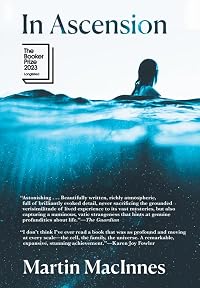
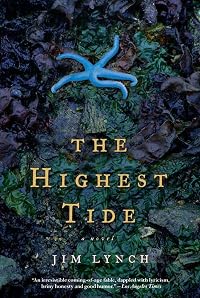
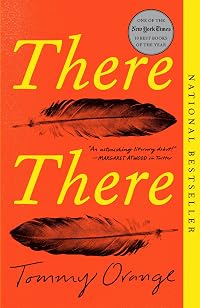
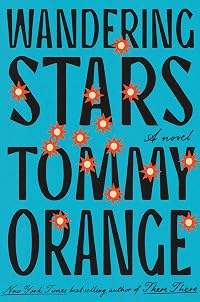
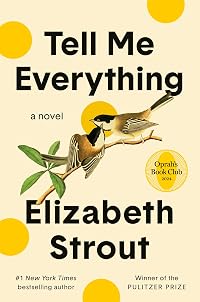
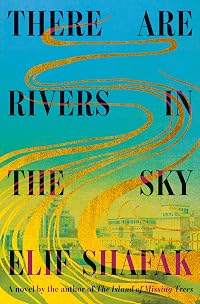
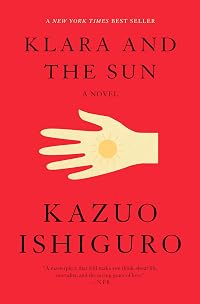
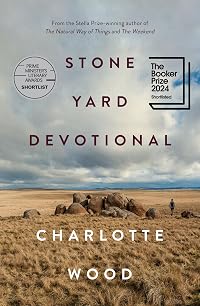
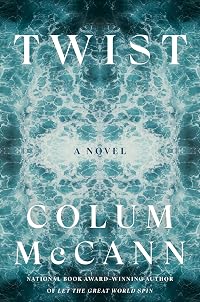
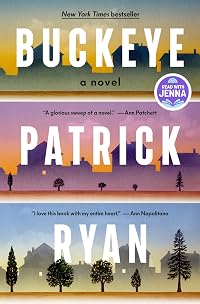
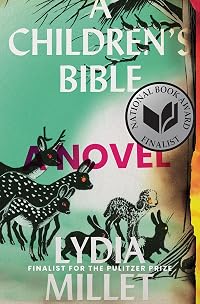
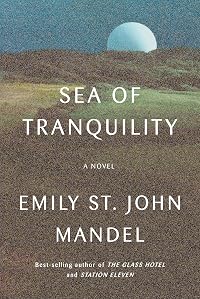
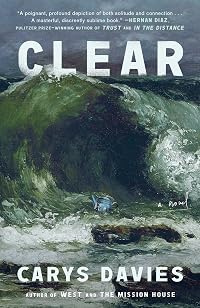

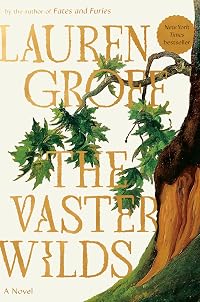
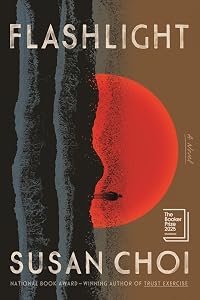
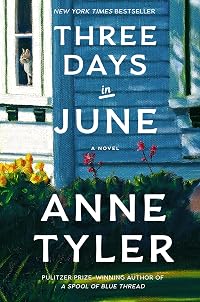


Member Recommendations
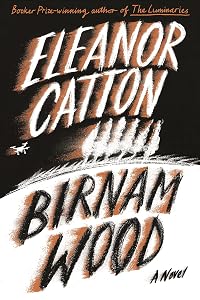
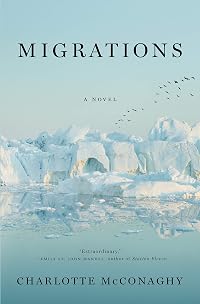
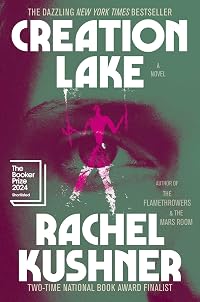
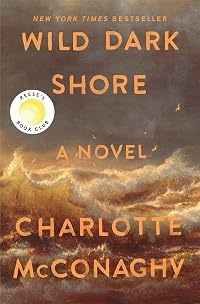
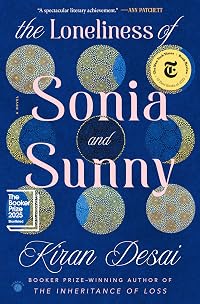
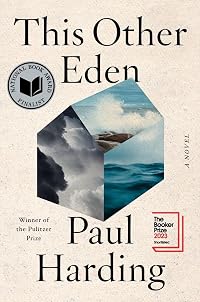
vwinsloe Climate fiction following the lives of multiple characters.
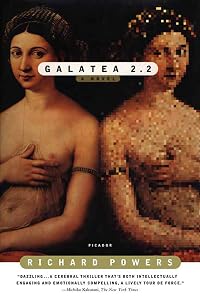
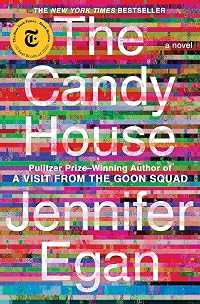
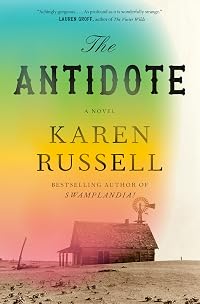
jscape2000 Two friends, a woman, the dawn of the computer age, pride and the death of a relationship.
Member Reviews
A compelling read with a collection of seemingly unconnected characters who, in the end, are profoundly connected. I appreciated Powers avoiding pedantics in this book (my complaint about Overstory) and letting readers grapple with issues of climate change, technology, democracy, climate justice, marriage, and friendship via the deftly drawn characters.
The sections on sea life and ocean creatures are as vivid as a Cousteau special; an eloquent character in the novel.
Very much recommend this book.
The sections on sea life and ocean creatures are as vivid as a Cousteau special; an eloquent character in the novel.
Very much recommend this book.
In his latest novel, Richard Powers looks at the state of the world through the lives of four characters. Todd and Rafi meet as students at an elite Chicago prep school. Todd comes from a wealthy family that has endowed the school; Rafi comes from the South Side and is a scholarship student. They bond over games, initially chess, then Go. Their friendship continues as they go to the same college. Todd is studying computer programming and Rafi studies literature and is a poet. At college, they meet Ina, a student who is from the South Pacific who becomes the love of Rafi's life. Before they graduate, Rafi and Todd have a falling out, and are estranged for most of the rest of their lives. In the "now" of the novel, Rafi and Ina are living show more on the remote South Pacific island of Makatea, an island ravaged by phosphate mining, its inhabitants diminished and impoverished, its environment destroyed. Todd is a billionaire tech mogul deep into Ai. He has been diagnosed with Lewey Bodies dementia, and is steep decline, facing his own death. He looks back on where technology has brought us:
"Neither Rafi nor I saw what was happening. No one did. That computers would take over our lives: Sure. But the way they would turn us into different beings?"
XXXXXXXXXXXXXXXXXXXXXXXXXXXXXXXXXX
"Sure they predicted personal, portable Encyclopedia Britannia's and group real-time teleconferencing and personal assistants that could teach you how to write better. But Facebook and WhatsApp and TikTok and Bitcoin and QAnon and Alexa and Google Maps and smart tracking ads based on keywords stolen from your emails and checking your likes while at a urinal and shopping while naked and insanely stupid but addictive farming games that wrecked people's careers and other neural parasites that now make it impossible to remember what thinking and feeling and being were really like back then? Not even close."
Neural parasites indeed!
The fourth important character is oceanographer and marine biologist Evelyne Beaulieu, who is much older than the other three. Interspersed with the stories of Todd, Rafi and Ina, we learn the history of diving, as we follow Evelyne's career over the 20th century and into the present. Along the way we are treated to psychedelic descriptions of underwater life: "The wildest assortment of Dr. Seuss creations." When diving, Evelyne, "felt like a Babe in Toyland, set loose in the greatest playground any child had ever seen."
As in most novels by Powers (one of my favorite authors), the book is a combination of great characters, good plot, science, and big ideas. His books are usually complex and thought-provoking, and this one is as well. With this book, there is a late twist which I found mind-boggling, and I'm still puzzling over what I just read.
Highly recommended.
And I liked this quote by Arthur Clarke:
"How inappropriate to call this planet Earth when it is quite clearly Ocean." show less
"Neither Rafi nor I saw what was happening. No one did. That computers would take over our lives: Sure. But the way they would turn us into different beings?"
XXXXXXXXXXXXXXXXXXXXXXXXXXXXXXXXXX
"Sure they predicted personal, portable Encyclopedia Britannia's and group real-time teleconferencing and personal assistants that could teach you how to write better. But Facebook and WhatsApp and TikTok and Bitcoin and QAnon and Alexa and Google Maps and smart tracking ads based on keywords stolen from your emails and checking your likes while at a urinal and shopping while naked and insanely stupid but addictive farming games that wrecked people's careers and other neural parasites that now make it impossible to remember what thinking and feeling and being were really like back then? Not even close."
Neural parasites indeed!
The fourth important character is oceanographer and marine biologist Evelyne Beaulieu, who is much older than the other three. Interspersed with the stories of Todd, Rafi and Ina, we learn the history of diving, as we follow Evelyne's career over the 20th century and into the present. Along the way we are treated to psychedelic descriptions of underwater life: "The wildest assortment of Dr. Seuss creations." When diving, Evelyne, "felt like a Babe in Toyland, set loose in the greatest playground any child had ever seen."
As in most novels by Powers (one of my favorite authors), the book is a combination of great characters, good plot, science, and big ideas. His books are usually complex and thought-provoking, and this one is as well. With this book, there is a late twist which I found mind-boggling, and I'm still puzzling over what I just read.
Highly recommended.
And I liked this quote by Arthur Clarke:
"How inappropriate to call this planet Earth when it is quite clearly Ocean." show less
“I vowed to spend the rest of my life the way my love did. I would give myself to the ocean, that wilderness that made the land seem an afterthought. I would dive in all latitudes and descend to all depths, and in each place I would find whole, new, impossible kinds of life.”
Like his Pulitzer-winning opus, The Overstory, Powers presents another broad, sweeping novel, with multi-narratives and shifting timelines with the world’s biggest ocean, the Pacific, being the centerpiece. The main characters here are two friends, one poor, one rich, who meet in a Chicago high school and begin to develop games together and a young Canadian woman who becomes a world, renowned diver and explorer. How these
people come together on a remote island show more in French Polynesia, is the heart of this complex story. Powers is such a brilliant writer. He seems to write so effortlessly on so many different topics and issues. This one also comes with a mind-bending twist, that will keep your head spinning for a few days after. Highly recommended. show less
Like his Pulitzer-winning opus, The Overstory, Powers presents another broad, sweeping novel, with multi-narratives and shifting timelines with the world’s biggest ocean, the Pacific, being the centerpiece. The main characters here are two friends, one poor, one rich, who meet in a Chicago high school and begin to develop games together and a young Canadian woman who becomes a world, renowned diver and explorer. How these
people come together on a remote island show more in French Polynesia, is the heart of this complex story. Powers is such a brilliant writer. He seems to write so effortlessly on so many different topics and issues. This one also comes with a mind-bending twist, that will keep your head spinning for a few days after. Highly recommended. show less
I felt very lucky to be approved for an egalley of Playground. I had read The Overstory and expected a stellar reading experience.
Skipping across time, Playground tells the story of four people. There is Rafi and Todd who meet in high school and become competitive friends over chess, then over GO, and then over a woman, Ina, born in Micronesia.
And there is Evelyne who fell in love with deep sea diving and the beauty of the ocean and its teeming life forms. At ninety-two, she still dives. The sections reflecting Evelyne’s view of the ocean from her diving are beautiful, magical.
Through the character of Todd, who becomes an early computer tech magnate, we remember how computers took over our lives, until “games now ruled humanity,” show more Todd affirms.
Rafi and Ina settle in Makatea; it took months for Rafi to detox and learn to live without technology. He is the teacher on the island, and he and Ina adopt two orphans.
The island of Makatea was a paradise before phosphorus mining came, and before it left. The population plummeted and although they have food and solar energy, they feel the lack of on-island education and health care–and jobs. When they are approached by a business wanting to set up the manufacturing of floating cities the islanders must weight the jobs, money, and growth against further destruction of their ecosystem, particularly the coral reef and ocean life.
The Makatea’s decision is one humanity makes every day. Do we enjoy the benefits of civilization at the cost of environmental degradation and destruction? Or do we protect planet Earth, our miraculous home?
The ending has a twist that spurs doubt about reality, and a funeral, and the beauty of flying devil rays, roiling the sea in a playful dance, a symbol of all creatures, “playing before their tinkering Lord.”
Powers again offers a story that combines stellar storytelling with a deep message that challenges us.
Thanks to the publisher for a free book through NetGalley. show less
Skipping across time, Playground tells the story of four people. There is Rafi and Todd who meet in high school and become competitive friends over chess, then over GO, and then over a woman, Ina, born in Micronesia.
And there is Evelyne who fell in love with deep sea diving and the beauty of the ocean and its teeming life forms. At ninety-two, she still dives. The sections reflecting Evelyne’s view of the ocean from her diving are beautiful, magical.
Through the character of Todd, who becomes an early computer tech magnate, we remember how computers took over our lives, until “games now ruled humanity,” show more Todd affirms.
Rafi and Ina settle in Makatea; it took months for Rafi to detox and learn to live without technology. He is the teacher on the island, and he and Ina adopt two orphans.
The island of Makatea was a paradise before phosphorus mining came, and before it left. The population plummeted and although they have food and solar energy, they feel the lack of on-island education and health care–and jobs. When they are approached by a business wanting to set up the manufacturing of floating cities the islanders must weight the jobs, money, and growth against further destruction of their ecosystem, particularly the coral reef and ocean life.
The Makatea’s decision is one humanity makes every day. Do we enjoy the benefits of civilization at the cost of environmental degradation and destruction? Or do we protect planet Earth, our miraculous home?
The ending has a twist that spurs doubt about reality, and a funeral, and the beauty of flying devil rays, roiling the sea in a playful dance, a symbol of all creatures, “playing before their tinkering Lord.”
Powers again offers a story that combines stellar storytelling with a deep message that challenges us.
Thanks to the publisher for a free book through NetGalley. show less
Four characters—Evie Beaulieu, a trailblazing oceanographer; Ina Aroita, a French Polynesian artist; Rafi Young, a scholar of literature; and Todd Keane, a tech entrepreneur who creates the wildly popular, gamified social media platform also known as "Playground"—are interwoven in Playground. The story comes together on the isolated island of Makatea, where locals are voting on a contentious "seasteading" project put forth by Todd's group. Makatea is still healing from the effects of colonial phosphate mining.
The book examines the benefits and drawbacks of social media and artificial intelligence, raising concerns about who gains from technological development and its unforeseen effects on interpersonal relationships and society.
show more The vulnerability of ocean ecosystems and the effects of human exploitation and climate change are major topics of discussion. Powers presents the ocean as a "playground" that humans are in danger of destroying, both literally and figuratively.
The book explores betrayal, ambition, complicated relationships, and forgiveness. The "infinite game" of life and planetary stewardship is contrasted with human "finite games" that are centered around winning.
Through literature, art, science, and technology, the characters represent various perspectives on the world, encouraging contemplation of whether wisdom and knowledge can coexist to secure a better future. show less
The book examines the benefits and drawbacks of social media and artificial intelligence, raising concerns about who gains from technological development and its unforeseen effects on interpersonal relationships and society.
show more The vulnerability of ocean ecosystems and the effects of human exploitation and climate change are major topics of discussion. Powers presents the ocean as a "playground" that humans are in danger of destroying, both literally and figuratively.
The book explores betrayal, ambition, complicated relationships, and forgiveness. The "infinite game" of life and planetary stewardship is contrasted with human "finite games" that are centered around winning.
Through literature, art, science, and technology, the characters represent various perspectives on the world, encouraging contemplation of whether wisdom and knowledge can coexist to secure a better future. show less
73. Playground by Richard Powers
OPD: 2023
format: 381-page hardcover
acquired: September 24 read: Oct 3-11, 26-31 time reading: 14:33, 2.3 mpp
rating: 4
genre/style: Contemporary fiction theme: Booker 2024
locations: Chicago, Urbana, Illinois and Makatea in French Polynesia
about the author: An American novelist whose works explore the effects of modern science and technology. He was born in Evanston, Illinois in 1957.
My 11th from the Booker longlist, of 13.
We are initially swept up in the oceans. Todd Keene talks about his childhood book on the ocean, the one he got for beating his father in backgammon. Separately we see the isolated Pacific island of Makatea, destroyed by phosphate mining, but still surrounded by oceans, and a reef. And show more fifty pages in we meet Evelyne Beaulieu, a fictional pioneer female diver, and we are allowed to experience the initial scuba discovery of the undersea magical world. If you’re like me, you will be swept up on oceanic romance, the cacophony of life, especially in our 4-billion-year-old Pacific Ocean. And, knowing Richard Powers, you will be waiting for the environmental hammer to fall.
Actually several different interacting stories build this up. The best is Evelyne's, the pioneer diver barging into the male scientific world. (And I appreciated her nods toward Rachel Carson's oddly brilliant book, [The Sea Around Us].) But we also have our main narrator, Todd Keane, and his social media empire, Playground, partially inspired by his childhood friend from the other side of Chicago, black Southsider Rafi Young, and partially inspired by Rafi's college girlfriend, Pacific Island-born Ina Aroita. Todd tells us their history. Meanwhile some drama is occurring on the Pacific Island of Makatea, a real Pacific Island destroyed by Phosphate mining, and the new home of Rafi and Ina and their children.
The book wanders in more and less interesting propulsions. I put it down for two weeks halfway through, without missing it, and without needing a refresher when I picked it back up. It grabs, and lags, or did for me until the last hundred pages when it seems to fire along.
So, what is this book doing? What is this book doing to me? (The Booker committee's mantra)
------ Major Spoiler Warning ----
This book, it turns out, is not actually about the ocean. It’s not even about the destruction of the ocean. The book concedes to the destruction of the ocean. We’re in 2027 and its destroyed. This book is actually about AI. This ocean isn’t real. This Makatea isn’t real. This Evelyne might not be real. Todd, I assume, is real, well, fictionally. The rest is self-generated programming. Todd Keane codes the foundation of his monster while at the University of Illinois. He improves this over time in several generations of code. But everything comes from there. Now he’s alone with a brain disease, losing his mind. So he talks about, Rafi and Ari. But we don’t actually know if either of them are real. (And it’s worth a moment to wonder that Powers writes minorities only through the protective shield of blaming it on AI.)
So large parts of this book are not real, nor are they written by Todd, but by Todd's AI machine, now in its 3rd generation. Once we figure this out, and we only do at the end, the reader has to rethink everything. We have to work through a number of confusing questions. What's real and what's AI? I mean - what is real in a fictional novel where nothing is real, but still it's real? And if AI did this thing, what did AI actually do? Write a novel? Create world? Did Richard Powers write AI for AI? Is that self-defeating of all purposes?
What are these gimmicks worth? Do I reread the book and rethink all the subtle indications of these possible fictional realities? Does it change the book's strengths and weaknesses? But the real earth is really getting destroyed. Maybe I should put the book down and move on. Or ask AI?
----- end of spoiler stuff ----
This is my second book by Powers. His fiction is both awkward and artistic. He understands elements of fiction and wonder and how to get the reader to care. He understands the power of magic. In one section, a character's dementia has him imagining an undersea paradise in his room. It's as riveting as any ocean narrative I have read. That is beautiful. It’s also Powers playing games with his method and fiction in a most playful way. Readers should be bothered and amused by this. Powers is not, however, that agile with prose and rhythms and overall structure. He can do all these things, but only in certain ways and exploring too far would be beyond the purpose of his fiction. This book has all these aspects of him. Not fictional genius, not subtle, but thought provoking and moving.
I'm hesitant to give this a blind recommendation on this because I'm not personally sure how I feel about everything Powers has done here - to me. I feel a little emotionally mixed. But for readers willing to take a risk on that kind of uncertain feeling, this is an easy recommendation.
2024
https://www.librarything.com/topic/365030#8660334 show less
OPD: 2023
format: 381-page hardcover
acquired: September 24 read: Oct 3-11, 26-31 time reading: 14:33, 2.3 mpp
rating: 4
genre/style: Contemporary fiction theme: Booker 2024
locations: Chicago, Urbana, Illinois and Makatea in French Polynesia
about the author: An American novelist whose works explore the effects of modern science and technology. He was born in Evanston, Illinois in 1957.
My 11th from the Booker longlist, of 13.
We are initially swept up in the oceans. Todd Keene talks about his childhood book on the ocean, the one he got for beating his father in backgammon. Separately we see the isolated Pacific island of Makatea, destroyed by phosphate mining, but still surrounded by oceans, and a reef. And show more fifty pages in we meet Evelyne Beaulieu, a fictional pioneer female diver, and we are allowed to experience the initial scuba discovery of the undersea magical world. If you’re like me, you will be swept up on oceanic romance, the cacophony of life, especially in our 4-billion-year-old Pacific Ocean. And, knowing Richard Powers, you will be waiting for the environmental hammer to fall.
Actually several different interacting stories build this up. The best is Evelyne's, the pioneer diver barging into the male scientific world. (And I appreciated her nods toward Rachel Carson's oddly brilliant book, [The Sea Around Us].) But we also have our main narrator, Todd Keane, and his social media empire, Playground, partially inspired by his childhood friend from the other side of Chicago, black Southsider Rafi Young, and partially inspired by Rafi's college girlfriend, Pacific Island-born Ina Aroita. Todd tells us their history. Meanwhile some drama is occurring on the Pacific Island of Makatea, a real Pacific Island destroyed by Phosphate mining, and the new home of Rafi and Ina and their children.
The book wanders in more and less interesting propulsions. I put it down for two weeks halfway through, without missing it, and without needing a refresher when I picked it back up. It grabs, and lags, or did for me until the last hundred pages when it seems to fire along.
So, what is this book doing? What is this book doing to me? (The Booker committee's mantra)
------ Major Spoiler Warning ----
This book, it turns out, is not actually about the ocean. It’s not even about the destruction of the ocean. The book concedes to the destruction of the ocean. We’re in 2027 and its destroyed. This book is actually about AI. This ocean isn’t real. This Makatea isn’t real. This Evelyne might not be real. Todd, I assume, is real, well, fictionally. The rest is self-generated programming. Todd Keane codes the foundation of his monster while at the University of Illinois. He improves this over time in several generations of code. But everything comes from there. Now he’s alone with a brain disease, losing his mind. So he talks about, Rafi and Ari. But we don’t actually know if either of them are real. (And it’s worth a moment to wonder that Powers writes minorities only through the protective shield of blaming it on AI.)
So large parts of this book are not real, nor are they written by Todd, but by Todd's AI machine, now in its 3rd generation. Once we figure this out, and we only do at the end, the reader has to rethink everything. We have to work through a number of confusing questions. What's real and what's AI? I mean - what is real in a fictional novel where nothing is real, but still it's real? And if AI did this thing, what did AI actually do? Write a novel? Create world? Did Richard Powers write AI for AI? Is that self-defeating of all purposes?
What are these gimmicks worth? Do I reread the book and rethink all the subtle indications of these possible fictional realities? Does it change the book's strengths and weaknesses? But the real earth is really getting destroyed. Maybe I should put the book down and move on. Or ask AI?
----- end of spoiler stuff ----
This is my second book by Powers. His fiction is both awkward and artistic. He understands elements of fiction and wonder and how to get the reader to care. He understands the power of magic. In one section, a character's dementia has him imagining an undersea paradise in his room. It's as riveting as any ocean narrative I have read. That is beautiful. It’s also Powers playing games with his method and fiction in a most playful way. Readers should be bothered and amused by this. Powers is not, however, that agile with prose and rhythms and overall structure. He can do all these things, but only in certain ways and exploring too far would be beyond the purpose of his fiction. This book has all these aspects of him. Not fictional genius, not subtle, but thought provoking and moving.
I'm hesitant to give this a blind recommendation on this because I'm not personally sure how I feel about everything Powers has done here - to me. I feel a little emotionally mixed. But for readers willing to take a risk on that kind of uncertain feeling, this is an easy recommendation.
2024
https://www.librarything.com/topic/365030#8660334 show less
I LOVED 'The Overstory' when it was released and no one can sway me from that no matter what they say. Maybe my reading brain has changed since then, as this one seemed to keep me at a remove from the story. Maybe the characters were distanced. Maybe I didn't understand why two of the main characters were in a feud and what I DID know about it seemed petty. Maybe sometimes the writing seemed clunky to me. I just didn't connect with it as much as I wished. I did love the appreciation for the ocean here though. And did like that it was tied to... other things that I won't spoil here. But the ending also left me a bit confused. In the end, it seemed like a lot of detail for a narrative that wasn't as tied together as much as I wished. But show more again, LOVED the ocean parts.
**Book #29/64 I have read for the Morning News Tournament of Books Summer Camp show less
**Book #29/64 I have read for the Morning News Tournament of Books Summer Camp show less
Members
- Recently Added By
Lists

Recommend the 20 best books you've read in the last five years
2,168 works; 606 members

Booker Prize Longlist 2024
13 works; 5 members

Books Read in 2024
4,623 works; 126 members

Top Five Books of 2024
795 works; 264 members

READ 2025
190 works; 1 member

Books We Couldn't Put Down
443 works; 197 members

Books Read in 2025
4,091 works; 97 members
Top Five Books of 2025
954 works; 303 members

WBS - Book Club
71 works; 1 member

The LonesomeReader Book Club
36 works; 1 member
Author Information

21+ Works 22,459 Members
Richard Powers was born on June 18, 1957 in Evanston, Illinois. He received bachelor's and master's degrees in English from the University of Illinois at Urbana-Champaign. After graduation, he moved to Boston, Massachusetts and worked as a computer programmer and freelance data processor. One day he saw August Sander's 1914 black-and-white show more photograph of three Westerwald farm boys heading to a dance at the Museum of Fine Arts. This photograph inspired Powers to quit his job and try writing a novel. Three Farmers on Their Way to a Dance was published in 1985. His other works include Prisoner's Dilemma, The Gold Bug Variations, Operation Wandering Soul, Galatea 2.2, Plowing the Dark, The Time of Our Singing, and Generosity: An Enhancement. He received numerous awards including the James Fenimore Cooper Prize for Best Historical Fiction for Gain, the National Book Award for The Echo Maker, and Pulitzer Prize in fiction for The Overstory: A Novel. (Bowker Author Biography) show less
Some Editions
Awards and Honors
Awards
Distinctions
The Guardian Book of the Day (2024-09-11)
Common Knowledge
- Canonical title
- Playground
- Original publication date
- 2024-09-24
- People/Characters*
- Evelyne Beaulieu; Ina Aroita; Rafi Young; Todd Keane
- Important places*
- Makatea, Insel im Pazifik
- Original language*
- Englisch
*Some information comes from Common Knowledge in other languages. Click "Edit" for more information.
Classifications
Statistics
- Members
- 1,160
- Popularity
- 21,653
- Reviews
- 46
- Rating
- (4.07)
- Languages
- Dutch, English, French, German
- Media
- Paper, Audiobook, Ebook
- ISBNs
- 20
- ASINs
- 8