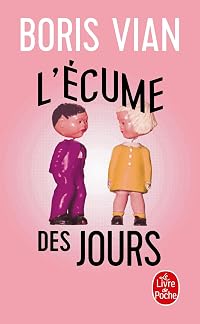
Froth on the Daydream
by Boris Vian
On This Page
Description
Presents a story in which a husband must try to keep his ill wife alive by constantly surrounding her with fresh flowers.Tags
Recommendations







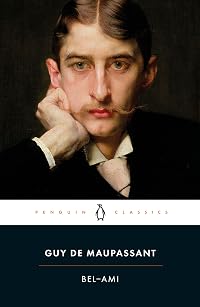
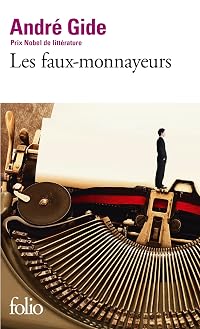
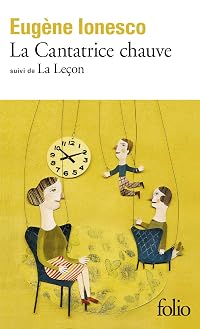
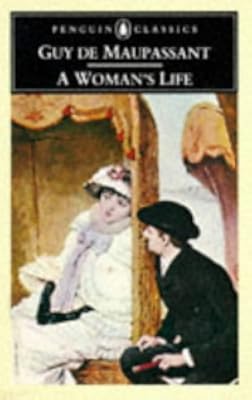





Member Recommendations

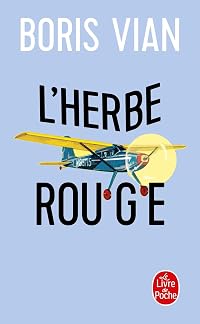
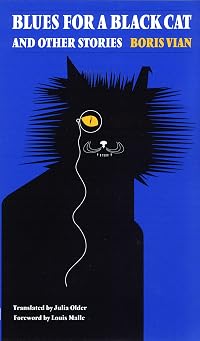
_eskarina A bit more (Vian) or less (Weiss) surreal imagination, but outstanding in both cases.
Member Reviews
Wow, this book destroyed me. Beautiful, oneiric, sexy, deadpan, linguistically inventive – and then in the end remorselessly tragic.
You know what reading this book is like? It's like you're sitting there having fun, the sun's shining – and who do you see bouncing towards you but the most adorable, cute little character you can imagine. The Andrex puppy, say—
Aw, look! It's the Andrex puppy! C'mere, little fella! And he bounds over to you, his little tail wagging away, birds tweeting in the background, ah the warm sun on your face.
And then – just as you open your arms to give him a big hug – suddenly you realise that there's a slightly rabid look in his eye. And just as you start to press his cuddly little body into yours, OH show more SHIT WHAT THE FUCK his sharp little teeth are ripping into the soft flesh of your throat, WHAT ARE YOU DOING ANDREX PUPPY and he's growling away, claws slashing, AAAUGH arterial blood is spurting all over the grass and the daisies and OH MY GOD YOU'RE DEAD.
YOU WERE KILLED BY THE ANDREX PUPPY, THE CUTEST CREATURE ALIVE.
Well fuck you, Boris Vian! And fuck everyone else that wrote reviews making this sound like a cuddly love-fest! Did you all stop reading after 150 pages, or what??
What makes this book so deeply affecting is that the world it offers you is the most charming and wonderful fictional environment I've encountered for years. After fifty pages I wanted to curl up and live in it. The laws of physics are different here: everything is soft and yielding and in tune with your moods. It is like a sort of magic realism avant la lettre, only less irritating and laboured: what it really reminds me of most of all is the fluid, anything-can-happen creativity of Through the Looking-Glass. This is a world where you go on a date, and things like this happen:
They walked, following the first pavement they came to. A little pink cloud came down from the sky and approached them.
‘May I?’ it suggested.
‘Go ahead!’ said Colin; and the cloud surrounded them.
Inside, it was warm and it smelled of cinnamon sugar.
‘No one can see us any more!’ said Colin. ‘But we can see them.’
‘Be careful,’ said Chloé, ‘it's a little transparent.’
—
Ils marchaient, suivant le premier trottoir venu. Un petit nuage rose descendait de l'air et s'approcha d'eux.
— J'y vais? proposa-t-il.
— Vas-y ! dit Colin, et le nuage les enveloppa.
À l'intérieur, il faisait chaud at çs sentait le sucre à cannelle.
— On ne nous voit plus ! dit Colin... Mais nous, on les voit.
— C'est un peu transparent, dit Chloé, méfiez-vous.
And they walk along in their own little cloud, watching the other passers-by and looking in the shop windows.
On another occasion, guests at a dinner-party eat eel that was caught by the butler in his bathroom tap. One of the diners later complains to Colin about how unlikely this seems. ‘I was up all night fishing in my own taps to see if I could catch one too,’ he says the next day. ‘But round our place, you only get trout.’ In the middle of the table, Colin has a centrepiece ‘consisting of a jar of formaldehyde in which two chicken embryos appeared to be miming the Spectre de la Rose, in the choreography of Nijinsky’.
It is incredibly hard to pull this sort of thing off without seeming twee or annoying, and Vian just doesn't seem twee or annoying. I've stared at some of these passages till I was cross-eyed and I still don't understand how he manages it, but it works; I believe everything he says.
This is a very funny book; it owes a debt to PG Wodehouse, not least in the character of Nicolas the butler, who in my head was played by 90s Stephen Fry. It's also sexy as hell, Vian managing to succeed in that very continental tradition of respectful objectivisation, a neat oxymoron to pull off – the girls are adorable and everybody (at least at first) seems young and beautiful and comfortably-off. The latent sexiness creeps into the narrative voice in all kinds of ways: at one point a door clicks shut ‘with the sound of a bare hand on a bare bottom’ (avec le bruit d'une main nue sur une fesse nue).
But what is actually going on here? Is it really just an extended adult fairy-tale? As the book goes on, you gradually realise – in my case, with a terrible sense of regret – that what Vian is really doing is setting up an Edenic picture of young love only to stress the awfulness of what comes after. You'd better have the most acrobatic sex and the most delicious meals of your life while you're still young (this novel says), because before you know it you're going to have to go out there and earn a living, and then your whole life will stop being about creativity and start being about where the money is coming from. (‘It's horrible,’ Colin says at one point about work. ‘It reduces man to the ranks of machinery.’)
An old man in a white shirt with bushy hair was reading a manual behind a desk....
‘Good morning sir,’ said Colin.
‘Good morning sir,’ said the man.
His voice was cracked and thickened with age.
‘I've come about the job,’ said Colin.
‘Oh?’ said the man. ‘We've been looking for someone for a month without any luck. It's quite hard work, you know.’
‘Yes,’ said Colin. ‘But it's well paid.’
‘Good Lord,’ said the man, ‘it wears you out, you know, and it might not be worth the money – but it's not for me to denigrate the administration. At any rate, you can see I'm still alive.’
‘Have you been working here long?’ said Colin.
‘A year,’ said the man. ‘I'm 29.’
He ran a trembling, wrinkled hand across the folds of his face.
It's the novel of someone in their twenties facing the looming prospect of adult life. In keeping with the hyperbole of the book in general, respectable adulthood isn't just a chore – it's the apocalypse. Forget about wistful, wishy-washy endings – in this one all your favourite characters end up wasting away, burning to death, getting shot, having their hearts cut out, or committing suicide. Welcome to France, population: miserable.
The violence is actually there from the very beginning, in a cartoony kind of way, and Vian has a very artful way of allowing you to realise that those cartoon injuries are in fact bleeding real blood. I'd be lying if I said part of me wasn't hoping for a more life-affirming ending, but it's hard to object when you're being played so expertly. This book is like nothing you've read: a blend of Wodehouse, Huysmans, Faulkner and Lewis Carrol, all set to a pounding soundtrack of Vian's beloved boogie-woogie and blues music. It is the dream of being young and the nightmare of getting old. I fell in love with it. And I will never trust the Andrex puppy again. show less
You know what reading this book is like? It's like you're sitting there having fun, the sun's shining – and who do you see bouncing towards you but the most adorable, cute little character you can imagine. The Andrex puppy, say—
Aw, look! It's the Andrex puppy! C'mere, little fella! And he bounds over to you, his little tail wagging away, birds tweeting in the background, ah the warm sun on your face.
And then – just as you open your arms to give him a big hug – suddenly you realise that there's a slightly rabid look in his eye. And just as you start to press his cuddly little body into yours, OH show more SHIT WHAT THE FUCK his sharp little teeth are ripping into the soft flesh of your throat, WHAT ARE YOU DOING ANDREX PUPPY and he's growling away, claws slashing, AAAUGH arterial blood is spurting all over the grass and the daisies and OH MY GOD YOU'RE DEAD.
YOU WERE KILLED BY THE ANDREX PUPPY, THE CUTEST CREATURE ALIVE.
Well fuck you, Boris Vian! And fuck everyone else that wrote reviews making this sound like a cuddly love-fest! Did you all stop reading after 150 pages, or what??
What makes this book so deeply affecting is that the world it offers you is the most charming and wonderful fictional environment I've encountered for years. After fifty pages I wanted to curl up and live in it. The laws of physics are different here: everything is soft and yielding and in tune with your moods. It is like a sort of magic realism avant la lettre, only less irritating and laboured: what it really reminds me of most of all is the fluid, anything-can-happen creativity of Through the Looking-Glass. This is a world where you go on a date, and things like this happen:
They walked, following the first pavement they came to. A little pink cloud came down from the sky and approached them.
‘May I?’ it suggested.
‘Go ahead!’ said Colin; and the cloud surrounded them.
Inside, it was warm and it smelled of cinnamon sugar.
‘No one can see us any more!’ said Colin. ‘But we can see them.’
‘Be careful,’ said Chloé, ‘it's a little transparent.’
—
Ils marchaient, suivant le premier trottoir venu. Un petit nuage rose descendait de l'air et s'approcha d'eux.
— J'y vais? proposa-t-il.
— Vas-y ! dit Colin, et le nuage les enveloppa.
À l'intérieur, il faisait chaud at çs sentait le sucre à cannelle.
— On ne nous voit plus ! dit Colin... Mais nous, on les voit.
— C'est un peu transparent, dit Chloé, méfiez-vous.
And they walk along in their own little cloud, watching the other passers-by and looking in the shop windows.
On another occasion, guests at a dinner-party eat eel that was caught by the butler in his bathroom tap. One of the diners later complains to Colin about how unlikely this seems. ‘I was up all night fishing in my own taps to see if I could catch one too,’ he says the next day. ‘But round our place, you only get trout.’ In the middle of the table, Colin has a centrepiece ‘consisting of a jar of formaldehyde in which two chicken embryos appeared to be miming the Spectre de la Rose, in the choreography of Nijinsky’.
It is incredibly hard to pull this sort of thing off without seeming twee or annoying, and Vian just doesn't seem twee or annoying. I've stared at some of these passages till I was cross-eyed and I still don't understand how he manages it, but it works; I believe everything he says.
This is a very funny book; it owes a debt to PG Wodehouse, not least in the character of Nicolas the butler, who in my head was played by 90s Stephen Fry. It's also sexy as hell, Vian managing to succeed in that very continental tradition of respectful objectivisation, a neat oxymoron to pull off – the girls are adorable and everybody (at least at first) seems young and beautiful and comfortably-off. The latent sexiness creeps into the narrative voice in all kinds of ways: at one point a door clicks shut ‘with the sound of a bare hand on a bare bottom’ (avec le bruit d'une main nue sur une fesse nue).
But what is actually going on here? Is it really just an extended adult fairy-tale? As the book goes on, you gradually realise – in my case, with a terrible sense of regret – that what Vian is really doing is setting up an Edenic picture of young love only to stress the awfulness of what comes after. You'd better have the most acrobatic sex and the most delicious meals of your life while you're still young (this novel says), because before you know it you're going to have to go out there and earn a living, and then your whole life will stop being about creativity and start being about where the money is coming from. (‘It's horrible,’ Colin says at one point about work. ‘It reduces man to the ranks of machinery.’)
An old man in a white shirt with bushy hair was reading a manual behind a desk....
‘Good morning sir,’ said Colin.
‘Good morning sir,’ said the man.
His voice was cracked and thickened with age.
‘I've come about the job,’ said Colin.
‘Oh?’ said the man. ‘We've been looking for someone for a month without any luck. It's quite hard work, you know.’
‘Yes,’ said Colin. ‘But it's well paid.’
‘Good Lord,’ said the man, ‘it wears you out, you know, and it might not be worth the money – but it's not for me to denigrate the administration. At any rate, you can see I'm still alive.’
‘Have you been working here long?’ said Colin.
‘A year,’ said the man. ‘I'm 29.’
He ran a trembling, wrinkled hand across the folds of his face.
It's the novel of someone in their twenties facing the looming prospect of adult life. In keeping with the hyperbole of the book in general, respectable adulthood isn't just a chore – it's the apocalypse. Forget about wistful, wishy-washy endings – in this one all your favourite characters end up wasting away, burning to death, getting shot, having their hearts cut out, or committing suicide. Welcome to France, population: miserable.
The violence is actually there from the very beginning, in a cartoony kind of way, and Vian has a very artful way of allowing you to realise that those cartoon injuries are in fact bleeding real blood. I'd be lying if I said part of me wasn't hoping for a more life-affirming ending, but it's hard to object when you're being played so expertly. This book is like nothing you've read: a blend of Wodehouse, Huysmans, Faulkner and Lewis Carrol, all set to a pounding soundtrack of Vian's beloved boogie-woogie and blues music. It is the dream of being young and the nightmare of getting old. I fell in love with it. And I will never trust the Andrex puppy again. show less
By Vian's standards, this is a surprisingly simple story: Colin and Chloe are destroyed by a universe that can't stand to see anyone that happy; Chick and Alise by Chick's uncontrollable addiction to collecting artefacts connected with megastar-philosopher Jean-Sol Partre (author of Le vomi, La lettre et le néon, and hundreds of other immortal texts). Sophocles would already have known what to do with a plot like that, but of course it wouldn't have turned out anything like as bizarre in his hands.
With Vian in charge, Colin and Chick start off with the blissful innocence of Bertie Wooster and Bingo Little, generating harmonious mixed drinks by inputting Duke Ellington tunes into Colin's pianocktail machine and being served superb meals show more by his impeccable manservant Nicolas, but by the end of the book they have moved into something more like Kafka's version of The picture of Dorian Gray. Medics, priests, a pharmacist, employers, booksellers and an avant-la-lettre SWAT team have all taken what they can get; even Colin's wonderful modernist apartment has developed a weird malaise that makes it turn slowly into a crumbling garret.
The whole thing is peppered with Vian's unforgettable twists of logic — even the ones we'd prefer to forget, like the trained cyber-rabbits in the pharmacy that produce those wonderfully even round pills, as rabbits do... But, under the comedy, there's real anger and sadness about the arbitrary cruelty of the world we live in, some of it avoidable and man-made, most not. show less
With Vian in charge, Colin and Chick start off with the blissful innocence of Bertie Wooster and Bingo Little, generating harmonious mixed drinks by inputting Duke Ellington tunes into Colin's pianocktail machine and being served superb meals show more by his impeccable manservant Nicolas, but by the end of the book they have moved into something more like Kafka's version of The picture of Dorian Gray. Medics, priests, a pharmacist, employers, booksellers and an avant-la-lettre SWAT team have all taken what they can get; even Colin's wonderful modernist apartment has developed a weird malaise that makes it turn slowly into a crumbling garret.
The whole thing is peppered with Vian's unforgettable twists of logic — even the ones we'd prefer to forget, like the trained cyber-rabbits in the pharmacy that produce those wonderfully even round pills, as rabbits do... But, under the comedy, there's real anger and sadness about the arbitrary cruelty of the world we live in, some of it avoidable and man-made, most not. show less
I have never read a book quite like L'écume des jours, but then again I have never read a book quite like Le Petit Prince by Antoine de Saint Exupery and so reading these two in parallel was quite a strange experience, because in some aspects they are similar. [Le Petit Prince] was published in 1943 and Boris Vian's first novel hit the streets in 1947, both scenario's take place in a sort of parallel universe and its easy to believe that Vian was thoroughly familiar with The Petit Prince when he wrote L'écume des jours which takes his parallel world out of the reach of children and into a world of tragedy and satire.
L'écume des Jours tells the story of Colin a wealthy young man who loves jazz and has no need to work, he lives in an show more apartment with Chick his best friend. Chick is obsessed with the literature of Jean Sol-Patre (Jean-Paul Satre in the real world) and has little money himself. The apartment is also home to Nicholas who is both chef and chauffeur to Colin and a couple of mice who all live happily together. Nicholas introduces Colin to his cousin Chloé and Chick meets her friend Alise. Both men fall in love with the two girls and Colin marries Chloé who moves into the apartment. He lends some money to Chick who instead of marrying Alise spends his dublazons (it is an alternative world) on the works of Sol-Patre who seems to be publishing books and articles almost every week. Chloé becomes ill with a growth in her lung and Colin finds a doctor who treats her with new techniques. The treatment is expensive and Colin spends all his money on treatments and flowers, believing that cut flowers in Chloé's sick room will help her recovery (cut flowers are an expensive item in France). Chloe does not recover, Colin is impoverished and searches for work and Chick spends the last of his money on a pair of old trousers previously owned by Sol-Patre.
This is a tragi-comedy love story shot through with satire, magic realism and naivety. It is told in short chapters that have a certain grip on the real world then lurch into parody, this reader was continually wrong footed when at the start of the novel, but quickly learn't to go with the flow. The first chapter introduces us to Colin and describes his toilette in some detail and we meet Chick and Nicholas and then rather bizarrely in the cuisine are the mice who are dancing happily in the rays of the sunshine and Colin in passing by to see what is cooking caresses them lovingly. There is much talk about food and jazz as the first chapter comes to the end. From then on the chapters increasingly become a little more surreal until we are in another world which seems an awful parody of this one. There are some great moments (or little chapters) in the book: Nicholas takes Colin and Chloe for a drive and to avoid traffic they take a short cut on unmade roads through a copper mining area with open foundries and Chloe is frightened by the workers and the destroyed landscape, there is the strange hospital of Professor Mangemanche, there are the efforts of Colin to raise money by selling his pianococktail and invention that mixes drinks when a tune is played on the keyboard, the burning of the libraries and the murder of Sol-Patre and finally the tragedy of Chloés sick room
In this surreal world which becomes more tragic Boris Vian takes aim and satirises religion, celebrity status, fine dining, the medical profession, discrimination and it seems many other aspects of contemporary life. The frothy good natured approach that Vian takes in his writing only starts to slip a little in the final chapters, but it is a book with its own unique style and as such succeeds wonderfully. Funny and sad at the same time and a five star read. show less
L'écume des Jours tells the story of Colin a wealthy young man who loves jazz and has no need to work, he lives in an show more apartment with Chick his best friend. Chick is obsessed with the literature of Jean Sol-Patre (Jean-Paul Satre in the real world) and has little money himself. The apartment is also home to Nicholas who is both chef and chauffeur to Colin and a couple of mice who all live happily together. Nicholas introduces Colin to his cousin Chloé and Chick meets her friend Alise. Both men fall in love with the two girls and Colin marries Chloé who moves into the apartment. He lends some money to Chick who instead of marrying Alise spends his dublazons (it is an alternative world) on the works of Sol-Patre who seems to be publishing books and articles almost every week. Chloé becomes ill with a growth in her lung and Colin finds a doctor who treats her with new techniques. The treatment is expensive and Colin spends all his money on treatments and flowers, believing that cut flowers in Chloé's sick room will help her recovery (cut flowers are an expensive item in France). Chloe does not recover, Colin is impoverished and searches for work and Chick spends the last of his money on a pair of old trousers previously owned by Sol-Patre.
This is a tragi-comedy love story shot through with satire, magic realism and naivety. It is told in short chapters that have a certain grip on the real world then lurch into parody, this reader was continually wrong footed when at the start of the novel, but quickly learn't to go with the flow. The first chapter introduces us to Colin and describes his toilette in some detail and we meet Chick and Nicholas and then rather bizarrely in the cuisine are the mice who are dancing happily in the rays of the sunshine and Colin in passing by to see what is cooking caresses them lovingly. There is much talk about food and jazz as the first chapter comes to the end. From then on the chapters increasingly become a little more surreal until we are in another world which seems an awful parody of this one. There are some great moments (or little chapters) in the book: Nicholas takes Colin and Chloe for a drive and to avoid traffic they take a short cut on unmade roads through a copper mining area with open foundries and Chloe is frightened by the workers and the destroyed landscape, there is the strange hospital of Professor Mangemanche, there are the efforts of Colin to raise money by selling his pianococktail and invention that mixes drinks when a tune is played on the keyboard, the burning of the libraries and the murder of Sol-Patre and finally the tragedy of Chloés sick room
In this surreal world which becomes more tragic Boris Vian takes aim and satirises religion, celebrity status, fine dining, the medical profession, discrimination and it seems many other aspects of contemporary life. The frothy good natured approach that Vian takes in his writing only starts to slip a little in the final chapters, but it is a book with its own unique style and as such succeeds wonderfully. Funny and sad at the same time and a five star read. show less
Seconda lettura di Vian: la prima ("Perché non sanno quello che fanno") non era stata entusiasmate, questa sì. Secondo Pennac (intervista nella postfazione), questo è un romanzo per "giovani", quindi io ci arrivo colpevolmente tardi (e colpevolmente solo dopo il film di Gondry). E tuttavia ho apprezzato sia questa struggente, tristissima storia d'amore che il folle stile con cui è scritta. Libro pieno di personaggi e invenzioni indimenticabili, merita in pieno la sua grande fama.
Az elején teljesen odavoltam a gyönyörűségtől, az abszurd határozottan az én műfajom (a nonszenszet is imádom). Iszonyúan élveztem a szöveget, a Gouffé-féle recepteket, vagy az olyan leírásokat, mint „[a] látás feladatát nyitott kék szem segítségével végezte [...]” vagy „Kettejük teste közt a távolságot jobb bicepszének megfeszítésével csökkentette, amit két okosan megválasztott, koponyából kifutó idegpálya vezérelt.”.
Az esküvőre készülődésnél kezdett túl normális lenni minden, persze, volt egy-egy furcsa rész, de már elveszett a játék. Aztán egyre sötétebb lett, szürreális, de a szórakoztatást teljesen elhagytuk.
A lótusz nem újjászületést, a mocsárból, show more sárból minden reggel tisztán kiemelkedő szépséget szimbolizált, hanem a láthatatlan, halálos kórt, ami lassan felemésztett mindenkit. De mi volt az, ami kiölt minden fényt, tágasságot és reményt? A két barát minden pénzét a szenvedélyére költötte: az egyik az istenített szellem minden tárgyára, a másik az istenített szerelem eszméjére (úgy tűnt, nagyjából mindegy, ki jön vele szembe, mindenáron nagyon szerelmes akart lenni). Miközben anyagilag tönkrementek bele, a hozzájuk legközelebb állók is tönkrementek, lelkileg és testileg is. Az állítólag szeretett nők (mert mindkét férfi azt állította, szerelmes a hozzá tartozó nőbe) valójában nem érhettek fel a szenvedélyük tárgyához. Szépen sorban bele is pusztult mindenki: az istenítettek, a szenvedélybetegek, és azok is, akik nem értek nekik annyit, hogy változtassanak értük. show less
Az esküvőre készülődésnél kezdett túl normális lenni minden, persze, volt egy-egy furcsa rész, de már elveszett a játék. Aztán egyre sötétebb lett, szürreális, de a szórakoztatást teljesen elhagytuk.
À primeira vista o livro me lembrou uma versão surrealista das histórias de Jeeves e Wooster do Wodehouse, mas só à primeira vista, porque L'Écume de Jours acaba se tornando bem pessimista e denso. Ainda estou pensando se eu não deveria dar 5 estrelas pra ele... No mais, eu preciso de um pianoquetel na minha vida, de todas as invenções literárias, esta é a mais extraordinária e indispensável para quem ama jazz e uma boa bebida.
Az elején teljesen odavoltam a gyönyörűségtől, az abszurd határozottan az én műfajom (a nonszenszet is imádom). Iszonyúan élveztem a szöveget, a Gouffé-féle recepteket, vagy az olyan leírásokat, mint „[a] látás feladatát nyitott kék szem segítségével végezte [...]” vagy „Kettejük teste közt a távolságot jobb bicepszének megfeszítésével csökkentette, amit két okosan megválasztott, koponyából kifutó idegpálya vezérelt.”.
Az esküvőre készülődésnél kezdett túl normális lenni minden, persze, volt egy-egy furcsa rész, de már elveszett a játék. Aztán egyre sötétebb lett, szürreális, de a szórakoztatást teljesen elhagytuk.
A lótusz nem újjászületést, a mocsárból, show more sárból minden reggel tisztán kiemelkedő szépséget szimbolizált, hanem a láthatatlan, halálos kórt, ami lassan felemésztett mindenkit. De mi volt az, ami kiölt minden fényt, tágasságot és reményt? A két barát minden pénzét a szenvedélyére költötte: az egyik az istenített szellem minden tárgyára, a másik az istenített szerelem eszméjére (úgy tűnt, nagyjából mindegy, ki jön vele szembe, mindenáron nagyon szerelmes akart lenni). Miközben anyagilag tönkrementek bele, a hozzájuk legközelebb állók is tönkrementek, lelkileg és testileg is. Az állítólag szeretett nők (mert mindkét férfi azt állította, szerelmes a hozzá tartozó nőbe) valójában nem érhettek fel a szenvedélyük tárgyához. Szépen sorban bele is pusztult mindenki: az istenítettek, a szenvedélybetegek, és azok is, akik nem értek nekik annyit, hogy változtassanak értük. show less
Az esküvőre készülődésnél kezdett túl normális lenni minden, persze, volt egy-egy furcsa rész, de már elveszett a játék. Aztán egyre sötétebb lett, szürreális, de a szórakoztatást teljesen elhagytuk.
Members
- Recently Added By
Published Reviews
added by nagel175
La schiuma dei giorni, una straziante storia d'amore, in parte autobiografica
Le vite vissute da Boris Vian
Gira e rigira, anche rileggendo La schiuma dei giorni di Boris Vian a tantissimi anni dalla prima volta, bisogna dare ragione a Queneau: è il più straziante dei romanzi d'amore. Ma non è solo un romanzo d'amore. Dentro ci si ritrovano tanti ingredienti del cocktail-Vian (irripetibile, show more non c'è dubbio): i giochi di parole, il surrealismo, l'amore per il jazz e la patafisica del suo carissimo Jarry, una forte irrisione della morale corrente, un antimilitarismo coltivato negli anni della breve vita di Vian (1920-1959) in cui la Francia era spesso in armi (seconda guerra mondiale, Indocina, Algeria).
La storia è semplice. Colin (diminutivo di Nicolas, ma in francese significa anche merluzzo) è un giovane ricco, nullafacente, con tanto di cuoco coltissimo che cita Gouffé e prepara anticipazioni di cucina futura (la salsa alla crema di mango e ginepro cucita dentro involtini di tessuto di vitello). Nella casa ci sono topi parlanti, ma non bisogna formalizzarsi. Nella premessa al libro Vian dichiara: «La storia è interamente vera, perché io me la sono inventata da capo a piedi». Non lavora, Colin, ma ogni tanto inventa qualcosa, come il pianococktail. Ha un amico, Chick, che spende tutti i risparmi (e anche i prestiti di Colin) nell'acquisto di opere di Jean Sol Partre ("Il vomito", rilegato in pelle di puzzola, "Il tanfo", ma nel parossistico e devastante finale anche pipe, pantaloni del filosofo esistenzialista). Il buffo è che, nelle mille cose della sua breve vita, Vian ha avuto Jean Paul Sartre come direttore (a Temps modernes ). Colin s'innamora di Chloé, la sposa, ma nel viaggio di nozze verso il Midi Chloé comincia a tossire, s'ammala. Le sta crescendo una ninfea nel polmone destro.
Quel fiore mortale può essere combattuto solo dal profumo di altri fiori. Sempre innamoratissimo, ma anche sempre più povero (i fiori costano) e disperato, Colin accetta i lavori più pesanti e impensabili. Cova canne di fucile, che si sviluppano solo col calore del corpo umano. Ma viene licenziato perché il suo amore sforna canne che terminano con una rosa d'acciaio. Fa il messaggero di cattive notizie con un giorno d'anticipo, finché vede il suo indirizzo nel lavoro da sbrigare e capisce che Chloé morirà il giorno dopo. Le ultime pagine, il funerale da poveri che fa da contrappunto angoscioso al matrimonio da ricchi, con gli stessi protagonisti, sono per me tra le più belle del libro, insieme all'appartamento di Colin e Chloé che si restringe progressivamente e non lascia passare il sole man mano che la morte di Chloé s'avvicina e la calda pienezza dell'amore si consuma.
E sarà anche per questo lirismo scoperto, per questo canto all'incanto totale dell'amore, che La schiuma dei giorni è così letto dai giovani. Pure, alla sua prima apparizione non andò oltre le 1.500 copie. Boris (sua madre Yvonne, melomane, l'aveva chiamato così pensando a Boris Godunov) fu un genio parzialmente compreso e un uomo affamato di vita, consapevole che una grave malattia di cuore non gli avrebbe lasciato il tempo di invecchiare. Alla luce di questi dati si potrebbe anche leggere La schiuma dei giorni in chiave autobiografica (il polmone come il cuore, l'appartamento che si restringe) e d'altra parte le chiavi di lettura sono tantissime in rapporto al tantissimo che Vian è stato. Trombettista, ingegnere, traduttore, giornalista (solo di scritti sul jazz, con l'anagramma di Bison ravi, Bisonte estasiato, 696 pagine), giallista-scandalo con lo pseudonimo di Vernon Sullivan, drammaturgo, attore, chansonnier (oltre 500 canzoni, la più famosa resta Le déserteur ), autore teatrale, poeta, direttore di casa discografica. Nelle foto ha l'aria di un signore serio che sta per mettersi a fare le boccacce. "Pauvre Boris" cantava Jean Ferrat, quanto successo postumo. La miglior chiave di lettura per La schiuma dei giorni è non averne, o buttarle via tutte. Basta leggerlo, e si resta felicemente feriti.
show less
Le vite vissute da Boris Vian
Gira e rigira, anche rileggendo La schiuma dei giorni di Boris Vian a tantissimi anni dalla prima volta, bisogna dare ragione a Queneau: è il più straziante dei romanzi d'amore. Ma non è solo un romanzo d'amore. Dentro ci si ritrovano tanti ingredienti del cocktail-Vian (irripetibile, show more non c'è dubbio): i giochi di parole, il surrealismo, l'amore per il jazz e la patafisica del suo carissimo Jarry, una forte irrisione della morale corrente, un antimilitarismo coltivato negli anni della breve vita di Vian (1920-1959) in cui la Francia era spesso in armi (seconda guerra mondiale, Indocina, Algeria).
La storia è semplice. Colin (diminutivo di Nicolas, ma in francese significa anche merluzzo) è un giovane ricco, nullafacente, con tanto di cuoco coltissimo che cita Gouffé e prepara anticipazioni di cucina futura (la salsa alla crema di mango e ginepro cucita dentro involtini di tessuto di vitello). Nella casa ci sono topi parlanti, ma non bisogna formalizzarsi. Nella premessa al libro Vian dichiara: «La storia è interamente vera, perché io me la sono inventata da capo a piedi». Non lavora, Colin, ma ogni tanto inventa qualcosa, come il pianococktail. Ha un amico, Chick, che spende tutti i risparmi (e anche i prestiti di Colin) nell'acquisto di opere di Jean Sol Partre ("Il vomito", rilegato in pelle di puzzola, "Il tanfo", ma nel parossistico e devastante finale anche pipe, pantaloni del filosofo esistenzialista). Il buffo è che, nelle mille cose della sua breve vita, Vian ha avuto Jean Paul Sartre come direttore (a Temps modernes ). Colin s'innamora di Chloé, la sposa, ma nel viaggio di nozze verso il Midi Chloé comincia a tossire, s'ammala. Le sta crescendo una ninfea nel polmone destro.
Quel fiore mortale può essere combattuto solo dal profumo di altri fiori. Sempre innamoratissimo, ma anche sempre più povero (i fiori costano) e disperato, Colin accetta i lavori più pesanti e impensabili. Cova canne di fucile, che si sviluppano solo col calore del corpo umano. Ma viene licenziato perché il suo amore sforna canne che terminano con una rosa d'acciaio. Fa il messaggero di cattive notizie con un giorno d'anticipo, finché vede il suo indirizzo nel lavoro da sbrigare e capisce che Chloé morirà il giorno dopo. Le ultime pagine, il funerale da poveri che fa da contrappunto angoscioso al matrimonio da ricchi, con gli stessi protagonisti, sono per me tra le più belle del libro, insieme all'appartamento di Colin e Chloé che si restringe progressivamente e non lascia passare il sole man mano che la morte di Chloé s'avvicina e la calda pienezza dell'amore si consuma.
E sarà anche per questo lirismo scoperto, per questo canto all'incanto totale dell'amore, che La schiuma dei giorni è così letto dai giovani. Pure, alla sua prima apparizione non andò oltre le 1.500 copie. Boris (sua madre Yvonne, melomane, l'aveva chiamato così pensando a Boris Godunov) fu un genio parzialmente compreso e un uomo affamato di vita, consapevole che una grave malattia di cuore non gli avrebbe lasciato il tempo di invecchiare. Alla luce di questi dati si potrebbe anche leggere La schiuma dei giorni in chiave autobiografica (il polmone come il cuore, l'appartamento che si restringe) e d'altra parte le chiavi di lettura sono tantissime in rapporto al tantissimo che Vian è stato. Trombettista, ingegnere, traduttore, giornalista (solo di scritti sul jazz, con l'anagramma di Bison ravi, Bisonte estasiato, 696 pagine), giallista-scandalo con lo pseudonimo di Vernon Sullivan, drammaturgo, attore, chansonnier (oltre 500 canzoni, la più famosa resta Le déserteur ), autore teatrale, poeta, direttore di casa discografica. Nelle foto ha l'aria di un signore serio che sta per mettersi a fare le boccacce. "Pauvre Boris" cantava Jean Ferrat, quanto successo postumo. La miglior chiave di lettura per La schiuma dei giorni è non averne, o buttarle via tutte. Basta leggerlo, e si resta felicemente feriti.
show less
added by private library
Lists

1001 Books You Must Read Before You Die
1,448 works; 1,134 members

Le Monde - Les 100 livres du siècle
121 works; 23 members

French Books
102 works; 15 members

1940s
221 works; 25 members

A High School Trip to France
57 works; 5 members
Canon de la narrativa universal del s. XX (cicutadry)
499 works; 3 members

Les 50 meilleurs livres de langue française de 1900 à aujourd’hui
69 works; 2 members
Author Information

247+ Works 8,620 Members
Boris Vian (1920-59) was an engineer, inventor, jazz trumpeter, actor, recording artist, and prolific writer
Some Editions
Awards and Honors
Distinctions
Notable Lists
Series
Belongs to Publisher Series
Work Relationships
Is contained in
Has the adaptation
Has as a student's study guide
Common Knowledge
- Canonical title
- Froth on the Daydream
- Original title
- L'écume des jours
- Alternate titles
- Foam of the Daze
- Original publication date
- 1947
- People/Characters
- Colin
- Related movies
- L'Ecume des jours (2013 | IMDb); L'écume des jours (1968 | IMDb)
- Dedication
- Pour mon Bibi
- First words
- Dans la vie, l'essentiel est de porter sur tout des jugements a priori.
Colin finished dressing. - Quotations
- Il y a seulement deux choses : c'est l'amour, de toutes les façons, avec des jolies filles, et la musique de la Nouvelle-Orléans ou de Duke Ellington.
- Last words
- (Click to show. Warning: May contain spoilers.)Il venait, en chantant, onze petites filles aveugles de l'orphelinat de Jules l'Apostolique.
- Original language
- French
Classifications
Statistics
- Members
- 2,569
- Popularity
- 7,409
- Reviews
- 47
- Rating
- (3.96)
- Languages
- 24 — Catalan, Chinese, Czech, Danish, Dutch, English, Estonian, Finnish, French, German, Hungarian, Italian, Japanese, Latvian, Lithuanian, Norwegian (Bokmål), Norwegian, Polish, Portuguese, Russian, Slovak, Spanish, Swedish, Turkish
- Media
- Paper, Audiobook, Ebook
- ISBNs
- 117
- ASINs
- 39