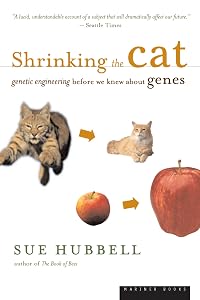
Shrinking the Cat: Genetic Engineering Before We Knew About Genes
by Sue Hubbell
On This Page
Description
Early examples of tinkering with genes are explored, such as brreding smaller and tamer cats, turning wild grass into corn, breeding silkworms dependent on people, and making apples prettier but tasteless.Tags
Recommendations










Member Recommendations
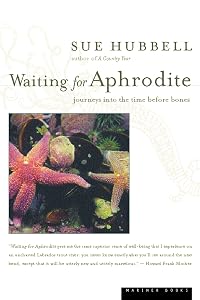
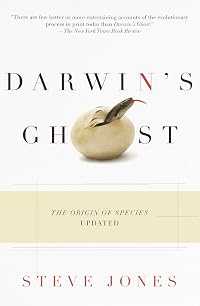
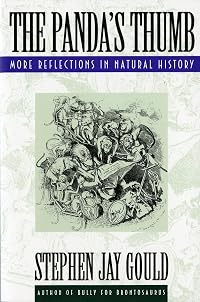
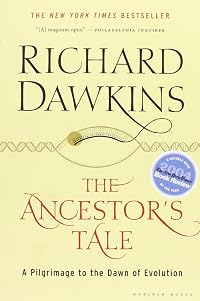
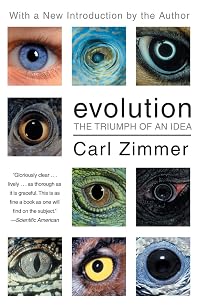
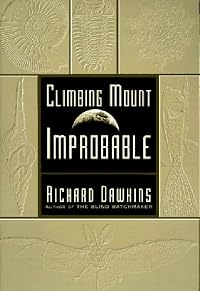
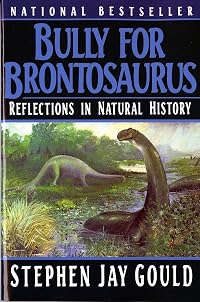
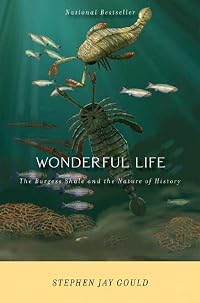
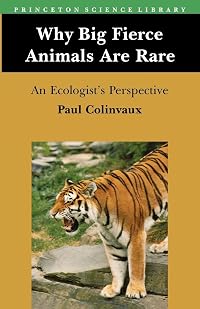
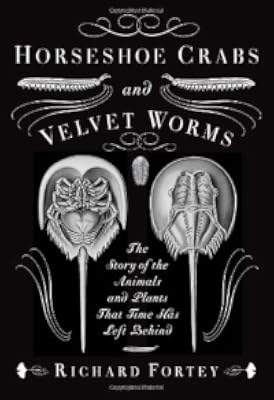
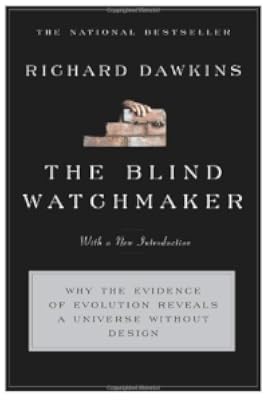
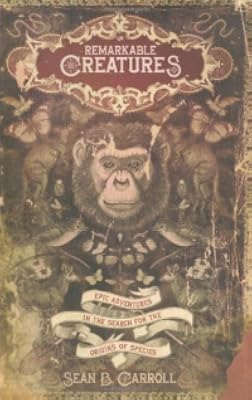
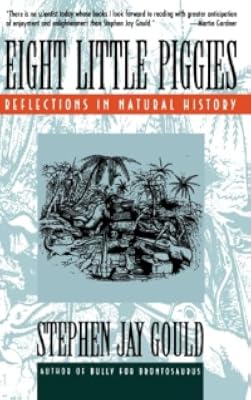
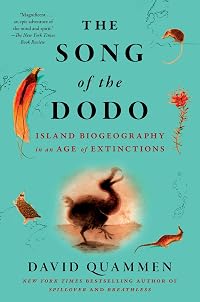
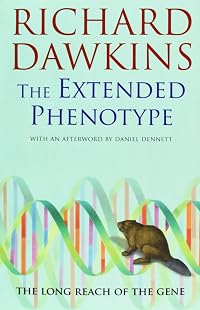
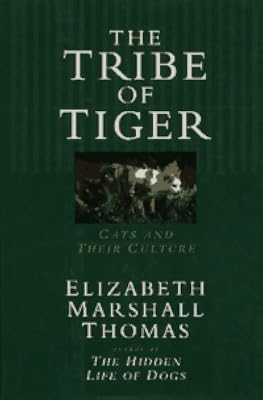
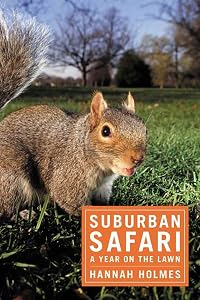
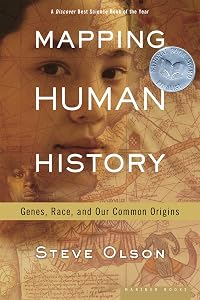
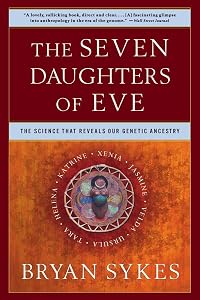
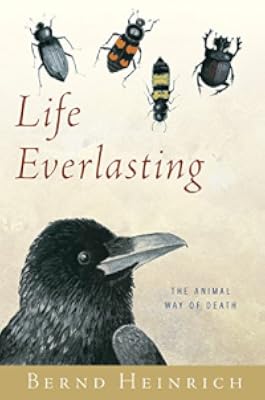
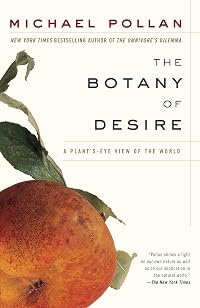
lorax Both books are case studies of human breeding and selection of four domestic species; while the focus of the two is different there's enough overlap to create common interest, and both books choose apples as one of the species of interest.
33
Member Reviews
Every living thing on the planet has been genetically modified. Each generation forces changes on the next. Most of the time, this modification is natural and inevitable, but sometimes a helping hand intervenes. Ever since humans learned how to grow food, they have been selectively breeding crops that begat more and more resources. In Shrinking the Cat, Sue Hubbell looks at the history of genetic engineering through four species—the corn plant, the silkworm, the cat, and the apple—to get a better sense of the ethics and benefits of human tinkering.
Hubbell’s dubs the human race homo mutabilis: human that changes things. We cannot help but modify our environment to suit our needs, but so does every other animal (although not nearly show more on the scale that we have). Each living thing has found a way, at least for now, to sustain itself, grow, and proliferate. But human intelligence has allowed us to change more than just the environment; we can change the core of things. Hubbell’s look at a few modified organisms gives us a chance to step back and assess how those changes have affected the present. The hybridization and genetic modification of corn has led to disease-resistant strains and high-yield crops, but basically inaugurated the age of corn syrup. Breeding silkworms to produce a good amount of fiber kick-started trade between Asia and Europe.
Genetic engineering has been around for ages, but only now are we doing it more precisely and more deliberately. Those who oppose genetically-modified organisms will be hard-pressed to find something that isn’t modified in some way, but do have valid concerns about the possible side effects of said modifications. Hubbell’s book tries to create a more balanced picture of genetic modification by giving a deeper historical context and interesting connections to sociology, art, and anthropology. This book is short enough to keep your attention, but does well not to become a sermon on the “good of science.” All in all, quick and enlightening read. show less
Hubbell’s dubs the human race homo mutabilis: human that changes things. We cannot help but modify our environment to suit our needs, but so does every other animal (although not nearly show more on the scale that we have). Each living thing has found a way, at least for now, to sustain itself, grow, and proliferate. But human intelligence has allowed us to change more than just the environment; we can change the core of things. Hubbell’s look at a few modified organisms gives us a chance to step back and assess how those changes have affected the present. The hybridization and genetic modification of corn has led to disease-resistant strains and high-yield crops, but basically inaugurated the age of corn syrup. Breeding silkworms to produce a good amount of fiber kick-started trade between Asia and Europe.
Genetic engineering has been around for ages, but only now are we doing it more precisely and more deliberately. Those who oppose genetically-modified organisms will be hard-pressed to find something that isn’t modified in some way, but do have valid concerns about the possible side effects of said modifications. Hubbell’s book tries to create a more balanced picture of genetic modification by giving a deeper historical context and interesting connections to sociology, art, and anthropology. This book is short enough to keep your attention, but does well not to become a sermon on the “good of science.” All in all, quick and enlightening read. show less
Not what I was expecting - based on the introduction, I thought this was going to be a rant at anti genetic engineering people. Instead, what I got was an interesting history of how three different animals and plants were changed (genetically engineered) by humans over a long period of time. It was well written, well researched, and while it held my attention, I think there are better books out there on this subject (Botany of Desire, for example). Its a bit dry, for my taste.
A few notes, I especially liked how the author asked of experts "Will this species survive without humans". In the case of the silk worm and for corn, the answer is probably not. Cats, on the other hand, is maybe, but they will probably change.
A few problems - it show more seems to jump around in topic, and I don't know what the overall thesis is, since throughout the book, modern genetic engineering is always compared to the changes that were made in domesticated species. show less
A few notes, I especially liked how the author asked of experts "Will this species survive without humans". In the case of the silk worm and for corn, the answer is probably not. Cats, on the other hand, is maybe, but they will probably change.
A few problems - it show more seems to jump around in topic, and I don't know what the overall thesis is, since throughout the book, modern genetic engineering is always compared to the changes that were made in domesticated species. show less
Hubbell's book is fascinating and absorbing. I loved the cogent explanation of ginger/not-ginger cat genes in the formation of calico cats. I liked the section on apples too, though Hubbell's description of John "Johnny Appleseed" Chapman diverges wildly from other sources I remember reading long ago. I'm more than half-tempted to pursue that story...
All in all, a lovely, compact treatise on how homo mutabilis (as she dubs us) interacts with its world.
All in all, a lovely, compact treatise on how homo mutabilis (as she dubs us) interacts with its world.
Interesting stuff about gene manipulation - humans are so ingenious when it comes to tinkering!
Eigenlijk geeft de ondertitel al heel goed aan waarover het boek van Sue Hubbell gaat: genetische manipulatie in een tijd dat men nog nooit had gehoord van genen of DNA. Het meest aansprekende voorbeeld is wellicht de kat, die door selectie en selectieve kruising werd omgevormd van een roofzuchtig wild beest tot dat lieve mormel dat gezellig op ons schoot ligt te spinnen. Met nog drie andere voorbeelden laat Sue Hubbell zien dat genetische manipulatie in feite niets nieuws is, zij het dat we nu wel, tot op moleculair niveau, begrijpen wat we doen.
May 30, 2007Dutch
Ratings
Members
- Recently Added By
Lists

Best Science Books for Non-Scientists
113 works; 57 members
Author Information

18+ Works 1,800 Members
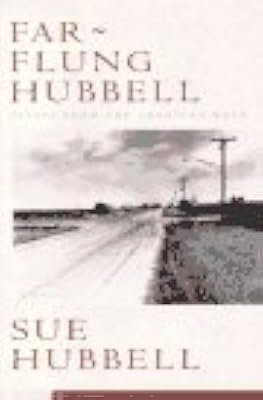
Sue Hubbell was born Suzanne Gilbert in Kalamazoo, Michigan on January 28, 1935. She received a bachelor's degree in journalism from the University of Southern California in 1956 and a master's degree in library science from Drexel University in 1965. She worked as a librarian at Trenton State College and as a periodicals librarian at Brown show more University. In 1972, she and her first husband moved to a farm in the Ozark Mountains of Missouri and took up beekeeping. To supplement the income from honey sales, she wrote freelance articles for The St. Louis Post-Dispatch, The New York Times, and The New Yorker. After they divorced, she continued to run the large beekeeping operation. She also wrote several books including A Country Year: Living the Questions, A Book of Bees: And How to Keep Them, Far-Flung Hubbell: Essays from the American Road, and Waiting for Aphrodite: Journeys Into the Time Before Bones. She suffered from dementia and decided to stop eating and drinking on September 9, 2018 because she did not want to eventually be placed under indefinite institutional care. She died on October 13, 2018 at the age of 83. (Bowker Author Biography) show less
Common Knowledge
- Original publication date
- 2001
- Epigraph
- Creation is not an act but a process; it did not happen five or six thousand years ago but is going on before our eyes.
-- Theodosius Dobzhansky, Changing Man, 1968 - Dedication
- For my old friend Arlen Edgar, who observed so many years ago that Phalangid opilio was man's closest Phalangid fellow traveler. This book has been brewing ever since.
- First words
- We, the namers, call our species Homo sapiens, the sapient, intelligent, wise sort of human.
- Last words
- (Click to show. Warning: May contain spoilers.)That's the work of Homo mutans.
- Publisher's editor
- Foster, Harry
- Blurbers
- Heinrich, Bernd
Classifications
Statistics
- Members
- 116
- Popularity
- 280,505
- Reviews
- 5
- Rating
- (3.45)
- Languages
- English
- Media
- Paper
- ISBNs
- 3
- UPCs
- 2