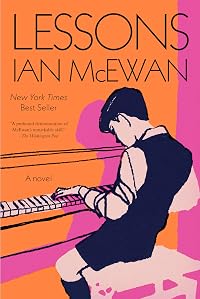
Lessons
by Ian McEwan
On This Page
Description
Fiction. Literature. When the world is still counting the cost of the Second World War and the Iron Curtain has descended, young Roland Baines's life is turned upside down. He is two thousand miles from his mother's protective love, stranded at an unusual boarding school, when his vulnerability attracts his piano teacher, Miriam Cornell, leaving scars as well as a memory of love that will never fade. Twenty-five years later, Roland's wife mysteriously vanishes, and he finds himself alone show more with their baby son. He is forced to confront the reality of his rootless existence. As the radiation from the Chernobyl disaster spreads across Europe, he begins a search for answers that looks deep into his family history and will last for the rest of his life. From the Suez and Cuban Missile crises and the fall of the Berlin Wall to the Covid pandemic and climate change, Roland sometimes rides with the tide of history but more often struggles against it. Haunted by lost opportunities, he seeks solace through every possible means—literature, travel, friendship, drugs, sex, and politics. A profound love is cut tragically short. Then, in his final years, he finds love again in another form. His journey raises important questions. Can we take full charge of the course of our lives without damage to others? How do global events beyond our control shape our lives and our memories? And what can we learn from the traumas of the past? Epic, mesmerizing, and deeply humane, Lessons is a chronicle for our times—apowerful meditation on history and contingency through the prism of one man's lifetime. show lessTags
Recommendations
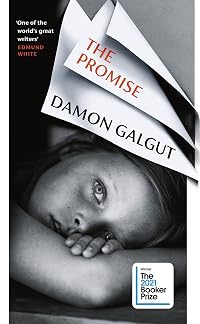

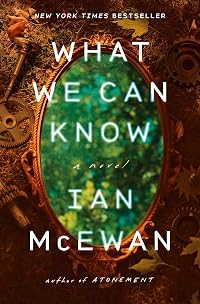
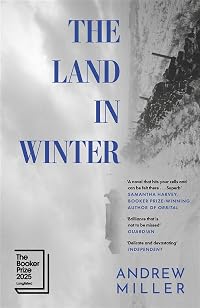
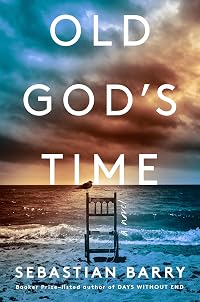












Member Recommendations
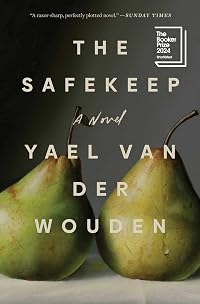
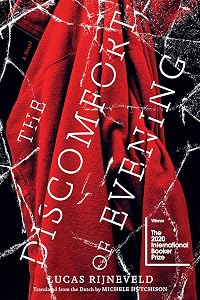
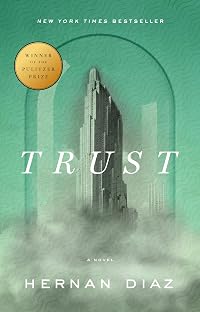
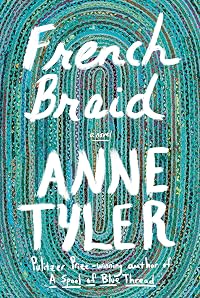
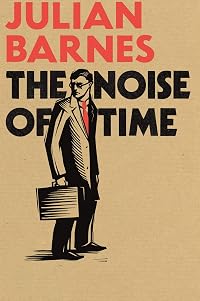
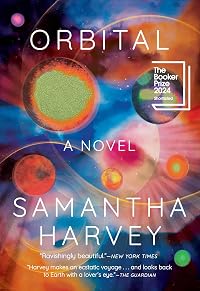
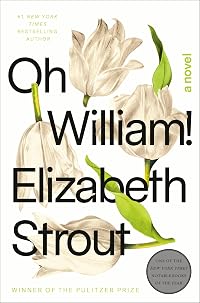
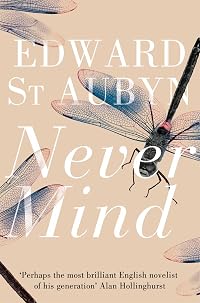
WendyRobyn Both books follow the events and relationships of one man's life span against the backdrop of his times (mostly the 20th century, although McEwan's setting is a few decades later). Both demonstrate the way a life is both coherent yet full of chance, and entirely individual while sharing the themes of its generation.
Member Reviews
While not a devotee of Ian McEwan, I was flat blown away by his hefty 500-page epic novel, LESSONS . (2022). It will appeal to anyone who appreciates fine writing, but I suspect people of my age group (I'm 80) will especially relish the story of Roland Baines, a boomer born to a British Army Major shortly after the close of the Second World War. He spent much of his childhood at army posts in Libya and Germany before being sent, at eleven, to a boys boarding school in England, where he spent the next five years. It was during the Cuban Missile Crisis that Roland rudely came of age, at the hands of his piano teacher, a woman eleven years older, in an abusive relationship that continued for two years, and was to have profound and show more far-reaching effects. He dropped out of school and spent years wandering the globe, unable to commit himself to either family or any one profession. An early marriage ends when his wife deserts him, leaving him to raise their son on his own, and he engages in numerous serial monogamous affairs, living on the edge of poverty for years. His wife, on the other hand goes on to become one of Germany's most famous writers.
Buy this is only a small kernel of the story McEwan's omniscient narrator tells in this sprawling tale of world wars and the many changes, historical, political, technological and cultural, that took place over the past 75 or 80 years. And those events and changes are all folded into the intimate details of the fractured family history of Roland Baines and his parents, grandparents, siblings and half-siblings, a history of long-kept secrets, cruelty and heartbreak.
But enough said. I know 500 pages is a major investment of time for any reader, but I savored every page. McEwen has obviously done his research, but he also lived through the times represented here, and then added fictionalized elements from his own life and family. I googled him, and he's just a few years younger than I am. And I was hooked from the Cuban Missile Crisis era of the book. His Roland Baines was fourteen then. I was eighteen and in the middle weeks of Basic Training with the US Army at Fort Leonard Wood, Missouri. A very tense and terrifying time. Hell yes, I remember.
This is one helluva good book. I loved it. My very highest recommendation.
- Tim Bazzett, author of the memoir, BOOKLOVER show less
Buy this is only a small kernel of the story McEwan's omniscient narrator tells in this sprawling tale of world wars and the many changes, historical, political, technological and cultural, that took place over the past 75 or 80 years. And those events and changes are all folded into the intimate details of the fractured family history of Roland Baines and his parents, grandparents, siblings and half-siblings, a history of long-kept secrets, cruelty and heartbreak.
But enough said. I know 500 pages is a major investment of time for any reader, but I savored every page. McEwen has obviously done his research, but he also lived through the times represented here, and then added fictionalized elements from his own life and family. I googled him, and he's just a few years younger than I am. And I was hooked from the Cuban Missile Crisis era of the book. His Roland Baines was fourteen then. I was eighteen and in the middle weeks of Basic Training with the US Army at Fort Leonard Wood, Missouri. A very tense and terrifying time. Hell yes, I remember.
This is one helluva good book. I loved it. My very highest recommendation.
- Tim Bazzett, author of the memoir, BOOKLOVER show less
When he asked himself if he wished none of it had happened he did not have a ready answer. That was the nature of the harm. Almost seventy-two and not quite cured.
from Lessons by Ian McEwan
Life happens. It sears its brand into our skin and we can’t ignore its legacy. We choose our way or are buffeted about by the storms of life–and by love, that relentless tyrant that enslaves us. Every generation is captive by the times with its wars and conflicts, the threats to health and life. We are always wrestling with ourselves and with the world.
As a teen, I resented the intrusion of the world into my life, complicating the process of growing up with war and rebellion, social upheaval. I became pregnant during a time of hope only to despair show more when wars and collapsing towers and school shootings bookended my son’s childhood.
Still, I was lucky. I was never victim, was given freedom to chose between love and dreams and was content with my decision.
Lessons by Ian McEwan is a remarkable novel. Disturbing, yes. Long, yes. Beautifully written, yes. It has left a lasting impression on me with it’s immersive story and panoramic view of history and insight into how we fail and how we endure.
It’s the story of a man’s life spanning from the Suez Canal Crisis to the Bay of Pigs to the Covid pandemic, the relentless march of history deeply intertwined into his story. As it was in his parent’s lives, and his wife’s parent’s lives, taking us back to WWII. Every time the world seems to correct itself, advancing to a fabled golden age, our dark angles push us back into fear and division.
By what logic or motivation or helpless surrender did we all, hour by hour, transport ourselves within a generation from the thrill of optimism at Berlin’s falling Wall to the storming of the American Capitol?
from Lessons by Ian McEwan
The novel begins when Roland and his seven-month-old son are abandoned by his wife who chooses a career as a writer over love and family. Their love affair had been intense, an addictive relationship that Roland had been seeking to recreate since he was a child, groomed and sexually abused at school by his piano teacher. He was sixteen when she proposed they marry, and when he rebelled, she sent him packing, warning he would spend his life seeking what they had.
The once promising child, who could have been a concert pianist, he never finished his education. He wastes his youth and talent, settles for survival, flees a healthy relationship until nearly too late. And, in his golden years, discovers a deep love in the form of a child.
The temptation of the old, born into the middle of things, was to see in their deaths the end of everything, the end of times.
from Lessons by Ian McEwan
I am seventy this year. I think a lot about my life and its choices, and for the first time I fear the end of this body and being in this world. My old optimism that the world always rights itself again is fraying. I morn the destruction of this planet. The novel spoke to me.
Roland learns that life turns out right, no matter what our choices. Alissa contributed amazing, lasting, literary masterpieces although she died alone. He accomplished nothing of note, but has a loving son and granddaughter.
The end of the novel finds Roland reading to his granddaughter, considering the deeper meaning. “Do you think the story is trying to tell us something about people?” he asks her. She responds, it’s about cats and dogs, not people. “A shame to ruin a good tale by turning it into a lesson,” he thinks. As she leads him by the hand, he knows he is “passing on to her a damaged world.” But this child with all her innocence offers hope. To Roland, and to us.
I was given a free egalley by the publisher through NetGalley. My review is fair and unbiased. show less
from Lessons by Ian McEwan
Life happens. It sears its brand into our skin and we can’t ignore its legacy. We choose our way or are buffeted about by the storms of life–and by love, that relentless tyrant that enslaves us. Every generation is captive by the times with its wars and conflicts, the threats to health and life. We are always wrestling with ourselves and with the world.
As a teen, I resented the intrusion of the world into my life, complicating the process of growing up with war and rebellion, social upheaval. I became pregnant during a time of hope only to despair show more when wars and collapsing towers and school shootings bookended my son’s childhood.
Still, I was lucky. I was never victim, was given freedom to chose between love and dreams and was content with my decision.
Lessons by Ian McEwan is a remarkable novel. Disturbing, yes. Long, yes. Beautifully written, yes. It has left a lasting impression on me with it’s immersive story and panoramic view of history and insight into how we fail and how we endure.
It’s the story of a man’s life spanning from the Suez Canal Crisis to the Bay of Pigs to the Covid pandemic, the relentless march of history deeply intertwined into his story. As it was in his parent’s lives, and his wife’s parent’s lives, taking us back to WWII. Every time the world seems to correct itself, advancing to a fabled golden age, our dark angles push us back into fear and division.
By what logic or motivation or helpless surrender did we all, hour by hour, transport ourselves within a generation from the thrill of optimism at Berlin’s falling Wall to the storming of the American Capitol?
from Lessons by Ian McEwan
The novel begins when Roland and his seven-month-old son are abandoned by his wife who chooses a career as a writer over love and family. Their love affair had been intense, an addictive relationship that Roland had been seeking to recreate since he was a child, groomed and sexually abused at school by his piano teacher. He was sixteen when she proposed they marry, and when he rebelled, she sent him packing, warning he would spend his life seeking what they had.
The once promising child, who could have been a concert pianist, he never finished his education. He wastes his youth and talent, settles for survival, flees a healthy relationship until nearly too late. And, in his golden years, discovers a deep love in the form of a child.
The temptation of the old, born into the middle of things, was to see in their deaths the end of everything, the end of times.
from Lessons by Ian McEwan
I am seventy this year. I think a lot about my life and its choices, and for the first time I fear the end of this body and being in this world. My old optimism that the world always rights itself again is fraying. I morn the destruction of this planet. The novel spoke to me.
Roland learns that life turns out right, no matter what our choices. Alissa contributed amazing, lasting, literary masterpieces although she died alone. He accomplished nothing of note, but has a loving son and granddaughter.
The end of the novel finds Roland reading to his granddaughter, considering the deeper meaning. “Do you think the story is trying to tell us something about people?” he asks her. She responds, it’s about cats and dogs, not people. “A shame to ruin a good tale by turning it into a lesson,” he thinks. As she leads him by the hand, he knows he is “passing on to her a damaged world.” But this child with all her innocence offers hope. To Roland, and to us.
I was given a free egalley by the publisher through NetGalley. My review is fair and unbiased. show less
The long life of Roland Baines is shaped by the 3 most important women in his life; his mother, his wife… and his piano teacher. All three significantly transgress the norms of their times (and in the case of his piano teacher, the norms and indeed laws of any time). His mothers trangressions don’t become known to him until relatively late in life but still play a part in shaping him. The behaviour of his piano teacher has a much more direct impact - she grooms, traps, sexual abuses and imprisons him - and in escaping from these golden handcuffs (for Baines does not pretend he didn’t enjoy a lot of this) he abandons his education and his promising piano playing career. As for his wife - she walks out of the door one morning, show more abandoning him and their baby, to successfully pursue an artistic career, something men have often done but women hardly at all.
Roland leads an underachieving, aimless and yet relatively satisfied life, played out against world events such as the Cuban Missile Crisis, the fall of the Berlin Wall and the mass dillusions of Brexit (all three, it is implied, proceeding directly from the other) with McEwan’s usual very detailed and historically immaculate digressions around all three subjects.
It’s an enormously satisfying piece of work; likeable, complex characters, moral questions handled with subtlety and nuance, never predictable and often funny. So highly recommended. Minus half a star though, because I just cannot quite believe in the piano teacher. Sexual obsession is one thing - imprisonment of a child, quite another. This is not to say that such things don’t happen; of course, they do, and the 1960s attitude would certainly have been for the boy to shrug it off and soldier on. But I just couldn’t stop myself hearing Rod Stewart’s “Maggie May” in the background - I couldn’t quite suspend disbelief
But still, highly recommended. Ian McEwan is always at his best when exploring the impact on a child of external events they have little, or no, control over show less
Roland leads an underachieving, aimless and yet relatively satisfied life, played out against world events such as the Cuban Missile Crisis, the fall of the Berlin Wall and the mass dillusions of Brexit (all three, it is implied, proceeding directly from the other) with McEwan’s usual very detailed and historically immaculate digressions around all three subjects.
It’s an enormously satisfying piece of work; likeable, complex characters, moral questions handled with subtlety and nuance, never predictable and often funny. So highly recommended. Minus half a star though, because I just cannot quite believe in the piano teacher. Sexual obsession is one thing - imprisonment of a child, quite another. This is not to say that such things don’t happen; of course, they do, and the 1960s attitude would certainly have been for the boy to shrug it off and soldier on. But I just couldn’t stop myself hearing Rod Stewart’s “Maggie May” in the background - I couldn’t quite suspend disbelief
But still, highly recommended. Ian McEwan is always at his best when exploring the impact on a child of external events they have little, or no, control over show less
I've learned to depend on Ian McEwan to create well-developed, relatable characters with flaws. And that is why his writing is so engaging. Even when their actions are despicable, as in Miriam Cornell, a music teacher in Lessons, something about them renders them human beings. Miriam teaches piano to protagonist Roland Baines at a British boarding school. She develops a sexual interest in him when he is prepubescent, and by the time he is fourteen years old, she has him living at her home and uses him as a sex slave. Miriam exploits Roland for sexual services for about two years. At the time, Roland believes Miriam is in love with him and is somewhat grateful for the sex "lessons" she provides. However, when Roland finally escapes from show more her, he realizes that Miriam has been manipulative. Eventually, as this abuse haunts him for the rest of his life, he understands that her actions were criminal.
Roland Baines associates the Miriam years of his life with the Cuban missile crisis. As McEwan writes about Roland Baines and the subsequent episodes in his life, they all intertwine with world events. The story follows Roland as he ages into his seventies and copes with 2020 and the COVID pandemic. At first, I thought there were too many characters. It was sometimes difficult to follow some of their political points of view, especially when we meet Roland's parents and learn of his father's service in WWII as part of British forces in Libya and the secrets related to his mother's previous marriage. Then Roland meets his wife Alissa, and another set of politically involved parents serves an even more thickly developed plot. Alissa's father, Heinrich, was involved with the White Rose resistance in Munich during WWII, and Jane, Alissa's mother, wrote a set of journals about the resistance movement. However, as the story progressed and the author introduced many more characters and world events, I became more enamored with the author's ability to explain historical significance and weave the characters' development around the complicated incidents shaping their lives. It was genius to have so many characters' struggles reflecting those of their greater world.
A major plot point is that Alissa abandons her marriage and her son, Lawrence as a seven-month-old baby in 1986. McEwan remarks, "Alissa's departure had weakened him, and the catastrophe of Chernobyl had made him fearful." Roland proves himself capable of raising his son as a single father, and he learns to navigate a world where the police suspect that he might have killed his wife since it is unthinkable that a mother would leave her child. This book contains several female characters who give up careers and aspirations to become wives and mothers, and then some, including Alissa, have second thoughts. McEwan explores various aspects of feminism through the characters in this novel. Gender discrimination and ancestral lifestyles are essential in the characters' decisions. Of course, the effects of political philosophies are paramount to the characters and the plot.
This novel includes multiple journals, oral histories, and storytelling segments. Naturally, one must consider the literal and symbolic messages conveyed by new and age-old stories. There is so much to contemplate from the descriptions of political and world affairs. I wonder whether it is possible to separate ourselves from world influence as we go through life. How does storytelling affect families and civilization?
There is so much in this novel. It is lengthy, but I read it in a few days since it was riveting. Many themes provide insights into the novel's title, and the various disasters and cultural achievements serve as lessons. Some of the thoughts still reverberating after reading include:
How do we learn the most important life lessons?
How much do we learn from what our parents teach, and how much do we learn from what our parents exemplify?
Can school lessons ever be as valuable as life lessons?
Does limited schooling affect one's development as a productive citizen? What lessons do we learn from municipal employees such as teachers and police officers?
Among the many passages I highlighted while reading are these:
"Those angry or disappointed gods in modern form, Hitler, Nasser, Khrushchev, Kennedy and Gorbachev may have shaped his life but that gave Roland no insight into international affairs."
"By what logic or motivation or helpless surrender did we all, hour by hour, transport ourselves within a generation from the thrill of optimism at Berlin's falling Wall to the storming of the American Capitol? He had thought 1989 was a portal, a wide opening to the future, with everyone streaming through. It was merely a peak. Now, from Jerusalem to New Mexico, walls were going up. So many lessons unlearned."
I thank NetGalley for the opportunity to read this book before publication.
See my reviews at https://quipsandquotes.net/ show less
Roland Baines associates the Miriam years of his life with the Cuban missile crisis. As McEwan writes about Roland Baines and the subsequent episodes in his life, they all intertwine with world events. The story follows Roland as he ages into his seventies and copes with 2020 and the COVID pandemic. At first, I thought there were too many characters. It was sometimes difficult to follow some of their political points of view, especially when we meet Roland's parents and learn of his father's service in WWII as part of British forces in Libya and the secrets related to his mother's previous marriage. Then Roland meets his wife Alissa, and another set of politically involved parents serves an even more thickly developed plot. Alissa's father, Heinrich, was involved with the White Rose resistance in Munich during WWII, and Jane, Alissa's mother, wrote a set of journals about the resistance movement. However, as the story progressed and the author introduced many more characters and world events, I became more enamored with the author's ability to explain historical significance and weave the characters' development around the complicated incidents shaping their lives. It was genius to have so many characters' struggles reflecting those of their greater world.
A major plot point is that Alissa abandons her marriage and her son, Lawrence as a seven-month-old baby in 1986. McEwan remarks, "Alissa's departure had weakened him, and the catastrophe of Chernobyl had made him fearful." Roland proves himself capable of raising his son as a single father, and he learns to navigate a world where the police suspect that he might have killed his wife since it is unthinkable that a mother would leave her child. This book contains several female characters who give up careers and aspirations to become wives and mothers, and then some, including Alissa, have second thoughts. McEwan explores various aspects of feminism through the characters in this novel. Gender discrimination and ancestral lifestyles are essential in the characters' decisions. Of course, the effects of political philosophies are paramount to the characters and the plot.
This novel includes multiple journals, oral histories, and storytelling segments. Naturally, one must consider the literal and symbolic messages conveyed by new and age-old stories. There is so much to contemplate from the descriptions of political and world affairs. I wonder whether it is possible to separate ourselves from world influence as we go through life. How does storytelling affect families and civilization?
There is so much in this novel. It is lengthy, but I read it in a few days since it was riveting. Many themes provide insights into the novel's title, and the various disasters and cultural achievements serve as lessons. Some of the thoughts still reverberating after reading include:
How do we learn the most important life lessons?
How much do we learn from what our parents teach, and how much do we learn from what our parents exemplify?
Can school lessons ever be as valuable as life lessons?
Does limited schooling affect one's development as a productive citizen? What lessons do we learn from municipal employees such as teachers and police officers?
Among the many passages I highlighted while reading are these:
"Those angry or disappointed gods in modern form, Hitler, Nasser, Khrushchev, Kennedy and Gorbachev may have shaped his life but that gave Roland no insight into international affairs."
"By what logic or motivation or helpless surrender did we all, hour by hour, transport ourselves within a generation from the thrill of optimism at Berlin's falling Wall to the storming of the American Capitol? He had thought 1989 was a portal, a wide opening to the future, with everyone streaming through. It was merely a peak. Now, from Jerusalem to New Mexico, walls were going up. So many lessons unlearned."
I thank NetGalley for the opportunity to read this book before publication.
See my reviews at https://quipsandquotes.net/ show less
A towering novel that spans the last half of the 20th century and into the first quarter of the 21st century, McEwan covers history that shaped the fortunes of countless lives, from WWII to the Cuban Missile Crisis, the Fall of the Berlin Wall, and the COVID pandemic. Equally impactful, the author shows the consequences of personal decisions, however intentional and informed or naive and misguided, that dictates the course of one's own life. The imprint of events on one's childhood and youth are particularly momentous (the narrator's piano "lessons" in this novel) and set the stage for how each of us navigate life, succumbing to and simultaneously overcoming past traumas that will come to define our lived history. This book will leave show more each reader asking the eternal question, "what if...?" McEwan is one of the living giants of fiction writing (along with Coetzee, Doyle, Tartt, DeLillo, Murakami, IMHO) with each publication a must-read. show less
This feels much longer than most of McEwan's books, which often delivered short, nasty shocks in exquisite language. This is exactly what Lessons does at the start. Fractured timelines, shocking sexual transgression, acute description, all link up to deliver an extraordinary start. But then comes then longeur of life. McEwan scruitises ordinary and extraordinary lives and the accidents and sacrifices that may, or may not, make both. Ebbs and flows of relationships are linked with comic or desperate episodes. Reconciliation may or may not be on the cards. This is the book of a writer in the later part of his career writing about a man through the vicissitudes of a life that is both ordinary and exceptional, maybe like most of us. Come show more for the fireworks of the beginning, stay for the slow burning embers of a well lived life. show less
Sorry, Ian McEwan this Lessons was quite the struggle for me to get thru. Our protagonist, Roland, has his life shaped by an affair he has as a young teen. And his life doesn’t turn out well and I think we’re supposed to think it’s because of how he was sexually abused as a teen. I say think because it’s not laid out overtly in the book. Sprinkled throughout the book are history lessons which I didn’t think added much to the book. I actually contemplated not reading the last chapter because I truly didn’t think much of Roland, didn’t think he had an interesting life and just didn’t care what was going to happen to him. Ian McEwan is a brilliant writer but in the future, I’m going to give myself permission to stop show more reading if I’m not connecting with it. show less
Members
- Recently Added By
Published Reviews
ThingScore 100
Lists

1001 Books You Must Read Before You Die
1,448 works; 1,134 members

Recommend the 20 best books you've read in the last five years
2,168 works; 606 members

Books Read in 2023
5,547 works; 145 members

Anticipated 2022 & Early 2023 Releases
209 works; 4 members

Books Read in 2022
5,168 works; 114 members

Best-Reviewed Books of 2022
10 works; 1 member

Llibres que he llegit el 2024
77 works; 1 member
Author Information

77+ Works 100,176 Members
Ian McEwan was born in Aldershot, England on June 21, 1948. He received a B.A. in English Literature from the University of Sussex and an M.A. in English Literature from the University of East Anglia. He writes novels, plays, and collections of short stories including In Between the Sheets, The Cement Garden, The Comfort of Strangers, The show more Innocent, Black Dogs, The Daydreamer, Enduring Love, Sweet Tooth, The Children Act and Nutshell. He has won numerous awards including the 1976 Somerset Maugham Award for First Love, Last Rites; the 1987 Whitbread Novel Award and the 1993 Prix Fémina Etranger for The Child in Time; the 1998 Booker Prize for Fiction for Amserdam; the 2002 W. H. Smith Literary Award, the 2003 National Book Critics' Circle Fiction Award, the 2003 Los Angeles Times Prize for Fiction, and the 2004 Santiago Prize for the European Novel for Atonement; and the 2006 James Tait Black Memorial Prize for Saturday. (Bowker Author Biography) show less
Some Editions
Awards and Honors
Awards
Distinctions
Notable Lists
Series
Belongs to Publisher Series
Otavan kirjasto (296)
Work Relationships
Is contained in
Common Knowledge
- Canonical title
- Lessons
- Original title
- Lessons
- Original publication date
- 2022-09-13
- People/Characters
- Roland Baines, protagonista; Lawrence, hijo del protagonista; Browne, el inspector; Alissa, madre de Lawrence; Daphne
- Important places
- London, England, UK.; Berlin, Germany
- Epigraph
- First we feel. Then we fall. -James Joyce, Finnegans Wake
Primero sentimos. Luego caemos.
James Joyce, Finnegans Wake. - Dedication
- A mi hermana, Mary Hopkins, y a mis hermanos, Jim Wort y David Sharp.
- First words
- This was insomniac memory, not a dream.
Este era un recuerdo insomne, no un sueño. - Last words
- (Click to show. Warning: May contain spoilers.)Con el ceño fruncido de preocupación, ella le agarró mano libre y empezó a llevarlo al otro extremo de la sala.
- Original language
- Inglaterra
Classifications
Statistics
- Members
- 1,459
- Popularity
- 16,025
- Reviews
- 70
- Rating
- (4.06)
- Languages
- 13 — Catalan, Danish, Dutch, English, Finnish, French, German, Italian, Portuguese, Romanian, Spanish, Swedish, Turkish
- Media
- Paper, Audiobook, Ebook
- ISBNs
- 48
- ASINs
- 15