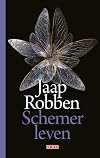
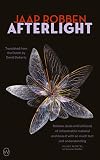
Schemerleven
by Jaap Robben
On This Page
Description
The young free-spirited florist Frieda grew up in a strictly Catholic environment in the 1960s. When she steps onto a frozen river on a late winter afternoon, little does she know that everything is about to change for her. On the ice she meets the married Otto. They experience a love that begins stormy and ends fatefully: Frieda becomes pregnant - a scandal in the world in which she moves. And so she must never be the mother of her secret child. For decades she kept her memories of this show more episode in her life to herself. But the grief for the lost child remains, despite the later marriage, despite the son she still has. At the age of eighty-one, Frieda is suddenly alone again. The silent sorrow returns with force. Only then does she dare to face her story and to share it. With Afterlight, inspired by true events, Robben not only pulls back the veil on Frieda's story, but also shines a light on the experiences of countless women between the 1950s and 1980s. The result is an impressive st show lessTags
Recommendations

































Member Reviews
The Publisher Says: This moving novel gives voice to the silent grief of the mothers of stillborn children
The young free-spirited florist Frieda grew up in a strictly Catholic environment in the 1960s. When she steps onto a frozen river on a late winter afternoon, little does she know that everything is about to change for her. On the ice, she meets the married Otto. They experience a love that begins stormy and ends with Frieda becoming pregnant—a scandal in the world in which she moves. And so she must never be the mother of her secret child.
For decades she kept her memories of this episode in her life to herself. But the grief for the lost child remains, despite the later marriage, despite the son she still has. At the age of show more eighty-one, Frieda is suddenly alone again. The silent sorrow returns with force. Only then does she dare to face her story—and to share it.
With Afterlight, inspired by true events, Robben not only pulls back the veil on Frieda’s story but also shines a light on the experiences of countless women between the 1950s and 1980s. The result is an impressive story about buried female trauma, caused by society, organized religion, and the dominant social mores.
I RECEIVED A DRC FROM THE PUBLISHER VIA EDELWEISS+. THANK YOU.
My Review: I lost my love a lot earlier in life than Frieda did. He needed the level of care that Frieda does as the story begins, not me; nor have I yet reached the point where she is, of needing basic-living help.
Thank goodness the strokes I had in 2023 didn't make that help a lifelong need. But I still had the points of recognition and connection with Frieda from my life's story. I was right there with her as she adjusted to a new place to live that doesn't belong to her; I felt her dislocation as the night's disturbances had her groping around the unfamiliar space to find things she's sure she has, and still needs...only they aren't there and won't be again.
I am also familiar with the awful pains of being Othered by "religious" people, and told by The World that who you are is bad, and wrong, and will always cause their gawd to hate you and doom you to an eternity of punishment. Poor Frieda. I wouldn't say she overcomes that abusive horror in this story. I would say she makes her own way in life with the miracle of love offered her by the now-dead Louis...the one who fully expected he would survive her as she declined and lost more and more of herself. I asked Rob to read this book, and, after hearing what it was about, he looked at me through the computer screen and said, "No." Simple, final. Understandable.
It's a lot to ask: Frieda's happiness was bookended by a lot of pain. It is, though, the kind of pain that older people will relate to. It is a very familiar world that Frieda brings back to us in each time period. We've all been too young for some major life event that happened to us anyway. We've all felt unloved and abandoned...rightly, as in Frieda's case, or wrongly...and many, if not most, of us can relate deeply to loving someone and losing them. A lot of my readers are getting to the place where they, or their parents, are needing help that wasn't needed in the recent past. And all of that is what you and I share with Frieda.
Do you want to read about it for entertainment? Well, I did. I was pleased to have the fellow-feeling of Frieda's journey into the undignified, unpleasant (to me) world of bodily aging; as this is a story set in two timelines, though, I was expecting to be led into the sunnier meadows of the earlier life she led, and its youthful exuberance. Here is where the story fell short of the five stars all stories I read start with for me.
This is not a short book—three hundred-ish pages. There was space to develop the dual timeline, and it wasn't done. What's enjoyable about the way Author Jaap writes Frieda's story is the immediacy of it. He gets the sense of her, at every age, as a woman very much alert to the world around her; and yet unable to reach it, grasp it, without mediation...hearing aids, glasses, nurses, her husband, gawd...and so never fully having her own undiluted experience of anything.
Youthful inexperience prevented her from seeing the man who impregnated her in 1963 with any clarity, led to her downfall by the mediation of a religious upbringing that so starved her for genuine experience that she fell for the most unsubtle of lures. There's the consequences part of that in the book, but the stick gets applied without the carrot in my estimation.
That said, I liked this read. I liked its soft edges on hard realities...its gentle Impressionistic blur is, though, down to poor vision, not to a soft reality. That made it the more poignant to read. It's an enjoyable, relatable story well-told by an author who knows his subject. It's deftly translated...no clunks or clanks, and nothing that my early-learner study of Dutch saw as out of place...which helps.
Good is not the enemy of great when it is enough in itself. show less
The young free-spirited florist Frieda grew up in a strictly Catholic environment in the 1960s. When she steps onto a frozen river on a late winter afternoon, little does she know that everything is about to change for her. On the ice, she meets the married Otto. They experience a love that begins stormy and ends with Frieda becoming pregnant—a scandal in the world in which she moves. And so she must never be the mother of her secret child.
For decades she kept her memories of this episode in her life to herself. But the grief for the lost child remains, despite the later marriage, despite the son she still has. At the age of show more eighty-one, Frieda is suddenly alone again. The silent sorrow returns with force. Only then does she dare to face her story—and to share it.
With Afterlight, inspired by true events, Robben not only pulls back the veil on Frieda’s story but also shines a light on the experiences of countless women between the 1950s and 1980s. The result is an impressive story about buried female trauma, caused by society, organized religion, and the dominant social mores.
I RECEIVED A DRC FROM THE PUBLISHER VIA EDELWEISS+. THANK YOU.
My Review: I lost my love a lot earlier in life than Frieda did. He needed the level of care that Frieda does as the story begins, not me; nor have I yet reached the point where she is, of needing basic-living help.
Thank goodness the strokes I had in 2023 didn't make that help a lifelong need. But I still had the points of recognition and connection with Frieda from my life's story. I was right there with her as she adjusted to a new place to live that doesn't belong to her; I felt her dislocation as the night's disturbances had her groping around the unfamiliar space to find things she's sure she has, and still needs...only they aren't there and won't be again.
I am also familiar with the awful pains of being Othered by "religious" people, and told by The World that who you are is bad, and wrong, and will always cause their gawd to hate you and doom you to an eternity of punishment. Poor Frieda. I wouldn't say she overcomes that abusive horror in this story. I would say she makes her own way in life with the miracle of love offered her by the now-dead Louis...the one who fully expected he would survive her as she declined and lost more and more of herself. I asked Rob to read this book, and, after hearing what it was about, he looked at me through the computer screen and said, "No." Simple, final. Understandable.
It's a lot to ask: Frieda's happiness was bookended by a lot of pain. It is, though, the kind of pain that older people will relate to. It is a very familiar world that Frieda brings back to us in each time period. We've all been too young for some major life event that happened to us anyway. We've all felt unloved and abandoned...rightly, as in Frieda's case, or wrongly...and many, if not most, of us can relate deeply to loving someone and losing them. A lot of my readers are getting to the place where they, or their parents, are needing help that wasn't needed in the recent past. And all of that is what you and I share with Frieda.
Do you want to read about it for entertainment? Well, I did. I was pleased to have the fellow-feeling of Frieda's journey into the undignified, unpleasant (to me) world of bodily aging; as this is a story set in two timelines, though, I was expecting to be led into the sunnier meadows of the earlier life she led, and its youthful exuberance. Here is where the story fell short of the five stars all stories I read start with for me.
This is not a short book—three hundred-ish pages. There was space to develop the dual timeline, and it wasn't done. What's enjoyable about the way Author Jaap writes Frieda's story is the immediacy of it. He gets the sense of her, at every age, as a woman very much alert to the world around her; and yet unable to reach it, grasp it, without mediation...hearing aids, glasses, nurses, her husband, gawd...and so never fully having her own undiluted experience of anything.
Youthful inexperience prevented her from seeing the man who impregnated her in 1963 with any clarity, led to her downfall by the mediation of a religious upbringing that so starved her for genuine experience that she fell for the most unsubtle of lures. There's the consequences part of that in the book, but the stick gets applied without the carrot in my estimation.
That said, I liked this read. I liked its soft edges on hard realities...its gentle Impressionistic blur is, though, down to poor vision, not to a soft reality. That made it the more poignant to read. It's an enjoyable, relatable story well-told by an author who knows his subject. It's deftly translated...no clunks or clanks, and nothing that my early-learner study of Dutch saw as out of place...which helps.
Good is not the enemy of great when it is enough in itself. show less
Het eind van dit boek is mooi en toch nog verrassend. Maar verder ben ik wat verbaasd over alle lof voor dit boek. Ik vond het niet geweldig en soms wat streekroman-achtig. Het onlangs gelezen boek van Maggie O'Farrell over hetzelfde thema sprak me meer aan en ik vond het beter geschreven.
Nach dem Tod ihres Mannes kann Frida Tendeloo nicht mehr alleine leben und zieht in ein Pflegeheim. Mit dieser Veränderung in ihrem Leben kommen auch Erinnerungen hoch, die Frida sehr beschäftigen. Sie denkt an ihren verheirateten Liebhaber Otto, mit dem sie ein Kind bekam, für das sie nie da sein durfte. Obwohl ihr Leben später in geordneten Bahnen verlief, waren da immer Trauer und Zorn. Ihr Geheimnis hat sie nie jemanden anvertraut, auch ihrem Mann nicht. Doch nun hat sie den Mut, sich ihrer Vergangenheit zu stellen.
Dies ist ein sehr berührender Roman, der authentisch die Werte und Regeln der damaligen Zeit beleuchtet. Da ich selbst in der Zeit aufgewachsen bin, kenne ich auch diese Enge, in der die Regeln der Kirche, show more Anständigkeit und die Meinung anderer das Maß der Dinge waren. Wer unehelich schwanger wurde, war in Augen der Menschen und der Kirche unten durch. Selbst in den Familien fanden nicht verheiratete schwangere Frauen keinen Halt und keine Unterstützung. Auch Frida muss dieses Ausgestoßensein miterleben.
Ich konnte Fridas Gefühle, ihre Trauer und Leiden gut nachvollziehen. Frida steht hier für so viele junge Frauen in jener Zeit. Was sie erlitten hat, ist kaum zu ertragen und ich kann nicht fassen, wie Menschen sich so verhalten können. Auf der einen Seite wird Nächstenliebe gepredigt, auf der anderen Seite wird ein Mensch aus der Gemeinschaft ausgestoßen, nur weil er sich nicht so verhalten hat, wie alle es erwarten. Doch Frida ist stark. Sie erträgt es und hat später noch ein Familienleben, auch wenn ich die Beziehung zu ihrem Sohn recht kühl finde.
Ein toller und authentischer Roman, der mir unter die Haut gegangen ist. Empfehlenswert! show less
Dies ist ein sehr berührender Roman, der authentisch die Werte und Regeln der damaligen Zeit beleuchtet. Da ich selbst in der Zeit aufgewachsen bin, kenne ich auch diese Enge, in der die Regeln der Kirche, show more Anständigkeit und die Meinung anderer das Maß der Dinge waren. Wer unehelich schwanger wurde, war in Augen der Menschen und der Kirche unten durch. Selbst in den Familien fanden nicht verheiratete schwangere Frauen keinen Halt und keine Unterstützung. Auch Frida muss dieses Ausgestoßensein miterleben.
Ich konnte Fridas Gefühle, ihre Trauer und Leiden gut nachvollziehen. Frida steht hier für so viele junge Frauen in jener Zeit. Was sie erlitten hat, ist kaum zu ertragen und ich kann nicht fassen, wie Menschen sich so verhalten können. Auf der einen Seite wird Nächstenliebe gepredigt, auf der anderen Seite wird ein Mensch aus der Gemeinschaft ausgestoßen, nur weil er sich nicht so verhalten hat, wie alle es erwarten. Doch Frida ist stark. Sie erträgt es und hat später noch ein Familienleben, auch wenn ich die Beziehung zu ihrem Sohn recht kühl finde.
Ein toller und authentischer Roman, der mir unter die Haut gegangen ist. Empfehlenswert! show less
Aug 10, 2023German
Een heel knap boek, dat toch steeds meer een kant op ging die mij minder aansprak. Een invalide oudere vrouw, (El)frieda Tendeloo, verliest totaal onverwacht haar man en mantelzorger en moet daarom haar huis verlaten en wordt ondergebracht in een verpleeghuis. Daar begint zij steeds geobsedeerder terug te denken aan haar eerste liefde, Otto, die ze ontmoette op de bevroren Waal in de winter van 1963. Tegelijkertijd kan ze nog niet goed omgaan met het verlies van haar man en haar zelfstandigheid, en ook niet met haar zoon en schoondochter die alles voor haar regelen/bedisselen en euforisch zwanger zijn -waarop Frieda totaal verkeerd reageert. In 1963 woont Frieda, 21, nog bij haar ouders, in een ultrakatholieke omgeving. Otto is getrouwd show more en zijn vrouw Brigitte mag niets weten. Hij is voor Frieda de eerste, zij aanbidt hem en hij houdt zeker ook van haar, idyllisch. Ondanks (vrij late) voorzorgsmaatregelen wordt Frieda natuurlijk toch zwanger. Zoals zij het hele boek door zal doen, stopt ze zo lang mogelijk haar kop in het zand en kan/wil ze ook nergens over praten. Een abortus, hoe moeilijk ook in die tijd, wijst ze af, ook het afstaan van haar kind aan hetzij Otto en Brigitte, hetzij de nonnen bij wie ze zou kunnen bevallen. Voor haar ouders zijn deze schande en haar weigering om een oplossing te vinden onoverkomelijk en ze zetten haar zonder pardon het huis uit. Het is bijna onmogelijk voor een ongetrouwde zwangere om ergens onderdak te vinden; met behulp van Otto komt ze in een soort kraakpand avant la lettre, een hel, terecht. Ontslagen bij de bloemenwinkel waar ze werkt is ze natuurlijk al lang en over hoe alles verder moet denkt ze eigenlijk niet na. De geboorte komt te vroeg, dramatisch, geïmproviseerd, met een vroedvrouw (natuurlijk weer een non) en een arts die haar beiden volstrekt negeren. Ook Otto komt binnen, maar verdwijnt weer. Van de baby geen spoor. Frieda wordt half bewusteloos opgenomen in het ziekenhuis, waar ze de enige op zaal is die geen kind heeft en bovendien met “mejuffrouw” wordt aangesproken, natuurlijk weer uitsluitend door nonnen. Dat het kind doodgeboren is wordt op allerlei manieren, maar nooit helemaal letterlijk, verteld. De boodschap is dat ze het moet vergeten, wat het tegengestelde effect heeft. Uiteindelijk mag zij het hospitaal verlaten, wordt door haar ouders weer in genade aangenomen, leert later een aardige man kennen, Louis, met wie ze een zoon Tobias krijgt. Louis en Tobias kunnen niet begrijpen waarom Frieda zo razend wordt wanneer haar ouders ze overladen met cadeaus en liefde, want ze praat nooit ergens over. Maar in het verzorgingstehuis vertelt ze Tobias uiteindelijk over Otto naar wie ze steeds obsessiever op zoek is en die onverwacht vlakbij woont. Maar uiteindelijk blijkt het niet om Otto maar om de zoektocht naar doodgeboren kind te gaan. En dat is eigenlijk het thema dat mij minder aansprak. Er is veel research voor dit boek gedaan, dus ik moet wel geloven dat dit bekrompen, bigotte, roomse leven inderdaad bestond in 1963 – het jaar dat The Beatles doorbraken. Frieda is een jaar of vijf ouder dan ik, terwijl deze opvattingen en deze wereld mij totaal vreemd zijn. Dat moet voor een deel liggen aan het verschil tussen Nijmegen en Den Haag, tussen rooms en vaag humanistisch, tussen lager en hoger opgeleid, maar het verbaasde me toch. Het boek zit heel knap in elkaar. Allerlei opmerkingen en feiten uit het begin worden pas heel veel later duidelijk: waarom windt Frieda zich zo op over een nachtvlinder die buiten het raam in een spinnenweb verstrikt raakt? Waarom is de lidcactus die ze niet kan meenemen naar het verpleeghuis zo belangrijk? Waarom raakt ze in paniek en slaat ze de lieve verzorger die haar doucht? Waarom is het eerste detail over het wegdragen van de dode Louis zijn voeten die onder het zeil uitsteken? Heel goed gedaan. show less
Mar 29, 2023Dutch
1
Het begint allemaal zo mooi voor de jonge Frieda Tendeloo: een toevallige ontmoeting in 1963 op de dichtgevroren Waal bij Nijmegen met een iets oudere man maakt de toch al bijzondere dag nog specialer. Ze ziet Otto weer als hij in de bloemenzaak waar ze werkt een boeket laat maken voor het graf van zijn ouders. De liefde ontvlamt en de voor hem buitenechtelijk affaire is voor haar een ontsnapping aan haar eentonige leven, nog thuiswonend bij haar katholieke ouders. Alles gaat goed totdat ze ongewenst zwanger raakt.
KIJK:
http://trijntjeblog.blogspot.com/2022/10/het-geheim.html
KIJK:
http://trijntjeblog.blogspot.com/2022/10/het-geheim.html
Oct 15, 2022Dutch
Het lukt me niet goed om aan iets anders te denken.
Nov 18, 2022Dutch
Ratings
Members
- Recently Added By
Author Information

Awards and Honors
Awards
Common Knowledge
- Canonical title*
- Au crépuscule
- Original title
- Schemerleven
- Original publication date
- 2022-09
- Important places
- Nijmegen, Gelderland, Netherlands; The Netherlands
- Dedication*
- Voor mijn lieve Lucy
- First words*
- Het lukt me niet goed om aan iets anders te denken.
- Original language
- Dutch
- Canonical DDC/MDS
- 839.3137
*Some information comes from Common Knowledge in other languages. Click "Edit" for more information.
Classifications
- Genres
- Fiction and Literature, General Fiction, Historical Fiction
- DDC/MDS
- 839.3137 — Literature & rhetoric German & related literatures Other Germanic literatures Netherlandish literatures Dutch Dutch fiction 21st Century
- LCC
- PT5882.28 .O33 .S34 — Language and Literature German, Dutch and Scandinavian literatures Dutch literature 2001-
- BISAC
Statistics
- Members
- 72
- Popularity
- 436,830
- Reviews
- 6
- Rating
- (3.95)
- Languages
- Dutch, English, French, German
- Media
- Paper, Ebook
- ISBNs
- 6
- ASINs
- 4