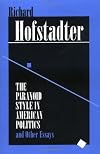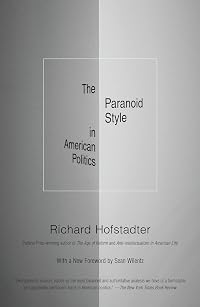
The Paranoid Style in American Politics and Other Essays
by Richard Hofstadter
On This Page
Description
This timely reissue of Richard Hofstadter's classic work on the fringe groups that influence American electoral politics offers an invaluable perspective on contemporary domestic affairs. In The Paranoid Style in American Politics, acclaimed historian Richard Hofstadter examines the competing forces in American political discourse and how fringe groups can influence-and derail-the larger agendas of a political party. He investigates the politics of the irrational, shedding light on how the show more behavior of individuals can seem out of proportion with actual political issues, and how such behavior impacts larger groups. With such other classic essays as "Free Silver and the Mind of 'Coin' Harvey" and "What Happened to the Antitrust Movement?," The Paranoid Style in American Politics remains both a seminal text of political history and a vital analysis of the ways in which political groups function in the United States. show lessTags
Recommendations
















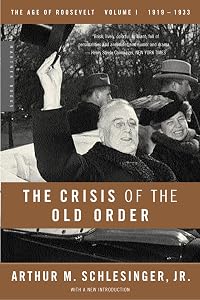


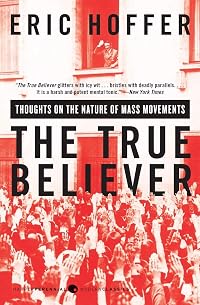
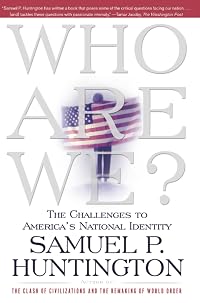
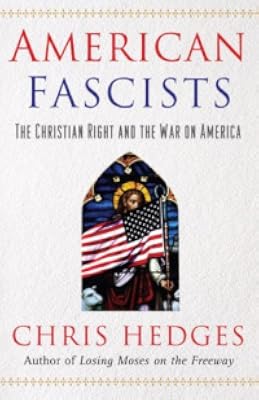
Member Reviews
O Paul Krugman! Not only do readers learn so much by reading his column and blog posts, but even the commenters on his blog “The Conscience of a Liberal” strew pearls of wisdom! This is the second time that a commenter on Krugman’s blog has recommended a book that turned out to be fantastic.
I had read the title article of The Paranoid Style in American Politics in 1978 or 1979 when I was still in college, and I had forgotten completely about it. But the commenter mentioned that the book of essays completely explained the Tea Party movement. I had thought that, due to John Bircher elements, a good deal of the Tea Party traced its roots to the Goldwater campaign of 1964 -- and one can trace a straight line between the two -- but show more it’s actually much older than that. Author Richard Hofstadter, in addition to explaining the psychological causes of these movements, reveals that the same ideas and attitudes emerge in the anti-Illuminati, anti-Freemason, anti-Catholic, and anti-communist movements. In each case, an insidious evil movement threatens “real Americans” (redefined in each incarnation), and only the True Believers understand the extent of the danger. The same bugaboos appear again and again: the demonization of a weak minority, the self-righteous attitude of the self-proclaimed “real Americans,” the apocalyptic vision of a clash between good and evil, one in which no compromise is possible. Even some of the policy details aren’t new: the hatred of the income tax, for example, or the depiction of the poor as feckless and wanton.
In each case, True Believers swallow patently ridiculous stories. Remember how fluoridated water would convert people into communists through their tap water? Hofstadter does, of course. But each age had its own fabricated “Kenyan” conspiracies: Anti-Catholics blamed the Depression of 1893 on treasonous Catholics, and John Birchers contended that President Dwight Eisenhower was a communist. Samuel Morse, now known exclusively as the inventor of the telegraph, was, in his own day, better known for his part in the anti-Illuminati and anti-Mason crusades. He railed against the Illuminati: “Shall our sons become the disciples of Voltaire, and the dragoons of Marat; or our daughters the concubines of the Illuminati?” Purple prose, much?
Worse, in each case, the movement’s followers become convinced that their leaders have been infected with whatever the terror du jour is. As Hofstadter writes, “He imagines that his own government and his own leaders are engaged in a more or less continuous conspiracy against him because he has come to think of authority only as something that aims to manipulate and deprive him.” And the True Believer simultaneously believes that his leaders are either brilliantly engaged in betraying the nation to the threat du jour or too incompetent to shield the nation from the wily opponent. As Hofstadter notes:
In other words, because of geography, Americans have never had to confront the fact that no country has unlimited power in the world. They can’t fathom that sometime things happen due to bad luck, miscommunication, or simply being outnumbered or outflanked. I was also struck with how, like the Tea Party, the Goldwaterites were completely unconcerned with winning elective office. “Their true victory lay not in winning the election but in capturing the party -- in itself no mean achievement -- which gave them an unprecedented platform from which to propagandize for a sound view of the world.”
Lastly, I have to note a fabulous quote from Hofstadter, who credited Robert Welch, founder of the John Birch Society, with the successes of the Right in the 1950s and early 1960s rather than Senator Joseph McCarthy since “McCarthy could barely organize his own files, much less a national movement.” Priceless! show less
I had read the title article of The Paranoid Style in American Politics in 1978 or 1979 when I was still in college, and I had forgotten completely about it. But the commenter mentioned that the book of essays completely explained the Tea Party movement. I had thought that, due to John Bircher elements, a good deal of the Tea Party traced its roots to the Goldwater campaign of 1964 -- and one can trace a straight line between the two -- but show more it’s actually much older than that. Author Richard Hofstadter, in addition to explaining the psychological causes of these movements, reveals that the same ideas and attitudes emerge in the anti-Illuminati, anti-Freemason, anti-Catholic, and anti-communist movements. In each case, an insidious evil movement threatens “real Americans” (redefined in each incarnation), and only the True Believers understand the extent of the danger. The same bugaboos appear again and again: the demonization of a weak minority, the self-righteous attitude of the self-proclaimed “real Americans,” the apocalyptic vision of a clash between good and evil, one in which no compromise is possible. Even some of the policy details aren’t new: the hatred of the income tax, for example, or the depiction of the poor as feckless and wanton.
In each case, True Believers swallow patently ridiculous stories. Remember how fluoridated water would convert people into communists through their tap water? Hofstadter does, of course. But each age had its own fabricated “Kenyan” conspiracies: Anti-Catholics blamed the Depression of 1893 on treasonous Catholics, and John Birchers contended that President Dwight Eisenhower was a communist. Samuel Morse, now known exclusively as the inventor of the telegraph, was, in his own day, better known for his part in the anti-Illuminati and anti-Mason crusades. He railed against the Illuminati: “Shall our sons become the disciples of Voltaire, and the dragoons of Marat; or our daughters the concubines of the Illuminati?” Purple prose, much?
Worse, in each case, the movement’s followers become convinced that their leaders have been infected with whatever the terror du jour is. As Hofstadter writes, “He imagines that his own government and his own leaders are engaged in a more or less continuous conspiracy against him because he has come to think of authority only as something that aims to manipulate and deprive him.” And the True Believer simultaneously believes that his leaders are either brilliantly engaged in betraying the nation to the threat du jour or too incompetent to shield the nation from the wily opponent. As Hofstadter notes:
Many years ago, in an illuminating essay, D.W. Brogan pointed to a state of mind which he called “the illusion of American omnipotence”- - defined as “the illusion that any situation which distresses or endangers the United States can only exist because Americans have been fools or knaves.”
In other words, because of geography, Americans have never had to confront the fact that no country has unlimited power in the world. They can’t fathom that sometime things happen due to bad luck, miscommunication, or simply being outnumbered or outflanked. I was also struck with how, like the Tea Party, the Goldwaterites were completely unconcerned with winning elective office. “Their true victory lay not in winning the election but in capturing the party -- in itself no mean achievement -- which gave them an unprecedented platform from which to propagandize for a sound view of the world.”
Lastly, I have to note a fabulous quote from Hofstadter, who credited Robert Welch, founder of the John Birch Society, with the successes of the Right in the 1950s and early 1960s rather than Senator Joseph McCarthy since “McCarthy could barely organize his own files, much less a national movement.” Priceless! show less
Six decades past publication, it is remarkable how much Hofstadter's analyses the conservative fringe have retained their lucidity, not least because the circumstances between then and now are too similar.
For example - why were the Birther movement/John Birch Society, and McCarthyism/Anti-Muslim scare as prominent as they were, then and now? Both Eisenhower and Obama were centrist presidents, what could have offended them? Granted, there is discontent with Obama because of the economy, and Eisenhower on foreign policy, but why this new criticism clouding debate?
Hofstadter classifies this as the 'paranoid style' - not necessarily limited to conservatism, but broadly associated with it. It includes a fear of compromise (seen in both show more Eisenhower and Obama), and redefining the opponent into a broadly conspiratorial role, which must be defeated utterly. In both cases, the accused are associated with international Communism.
He also identifies ethnic character as having a possible background to this perversion, and having it stretch back to the 19th century, and the first waves of immigrants, who would contaminate American culture and use foreign customs to destroy the traditional way of life. The Anglo-Saxons feared the Irish and Catholicism. Then they feared the Germans. Then the Eastern Europeans and Italians. Then the East Asians. And now primarily the Hispanics.
Another question is the personification of the extreme Fringe in conservatism - some 50 years ago it was Barry Goldwater, whose brinksmanship was very tempting in an era of national crisis - and yet so terrifying to a sufficient majority that LBJ trounced him.
The rest of the essays do not strictly deal with paranoia and extreme conservatism, but they deal with relatively obscure topics fluently.
One of my surprise favorites was on the crisis of bimetallism in the 19th century. It's oddly fascinating, and one now thinks of the modern day 'gold bugs' at our Beck and Paul, conspiring against International Finance as much as demagogues in the 19th century feared International Jewry.
A new dose for the politics junkie. Worth the read. show less
For example - why were the Birther movement/John Birch Society, and McCarthyism/Anti-Muslim scare as prominent as they were, then and now? Both Eisenhower and Obama were centrist presidents, what could have offended them? Granted, there is discontent with Obama because of the economy, and Eisenhower on foreign policy, but why this new criticism clouding debate?
Hofstadter classifies this as the 'paranoid style' - not necessarily limited to conservatism, but broadly associated with it. It includes a fear of compromise (seen in both show more Eisenhower and Obama), and redefining the opponent into a broadly conspiratorial role, which must be defeated utterly. In both cases, the accused are associated with international Communism.
He also identifies ethnic character as having a possible background to this perversion, and having it stretch back to the 19th century, and the first waves of immigrants, who would contaminate American culture and use foreign customs to destroy the traditional way of life. The Anglo-Saxons feared the Irish and Catholicism. Then they feared the Germans. Then the Eastern Europeans and Italians. Then the East Asians. And now primarily the Hispanics.
Another question is the personification of the extreme Fringe in conservatism - some 50 years ago it was Barry Goldwater, whose brinksmanship was very tempting in an era of national crisis - and yet so terrifying to a sufficient majority that LBJ trounced him.
The rest of the essays do not strictly deal with paranoia and extreme conservatism, but they deal with relatively obscure topics fluently.
One of my surprise favorites was on the crisis of bimetallism in the 19th century. It's oddly fascinating, and one now thinks of the modern day 'gold bugs' at our Beck and Paul, conspiring against International Finance as much as demagogues in the 19th century feared International Jewry.
A new dose for the politics junkie. Worth the read. show less
I had heard of this book, and probably read excerpts forty years ago. I knew something of the story of Joe McCarthy and John Birch. But I was completely unprepared for the in-depth historical analysis of the rise of the American political far right. I was also unprepared for how utterly relevant it is today - this book was published in 1965 and there were times when I felt as though I were reading current accounts if the American political situation. Scary stuff. Important book.
Note that this collection of essays contains two parts - the first deals with the rise of the radical right, and the second has three essays on the American story that have faded somewhat - good stuff, but footnote history.
Note that this collection of essays contains two parts - the first deals with the rise of the radical right, and the second has three essays on the American story that have faded somewhat - good stuff, but footnote history.
Most of us know the basics of this history--fears of Masonic conspiracies in the early period of the Republic, fears of Catholics in the late 19th and early 20th centuries with all the new immigints, McCarthyism, the great burgeoning that was just taking place when Hofstadter was writing such that conspiracyism is now its own kind of kitsch and aliens killed the JFK clone on 9/11, and the details are a bit much for the casual reader, but Hofstadter's dissection of the (grandiose, black-and-white, obsessive) personality characteristics of the type and contribution of the term "paranoid style" are worth a good deal.
Although I was more interested in the essays included in the first half of the book, on the history of paranoid (political) thought in the U.S., all of Hofstadter's essays are incredibly well thought-out, and give careful consideration to as many sides as possible of the issue he's considering. Excellent historical work.
This book is referenced a lot so it was time for me to read the original. It was an entertaining read about numerous examples of American paranoid movements in history.
Members
- Recently Added By
Lists

LT picks: Blue Books
197 works; 44 members
Author Information

53+ Works 6,925 Members
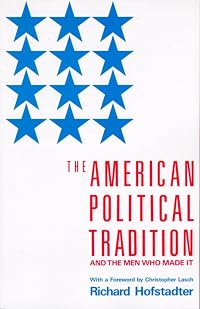
DeWitt Clinton Professor of History at Columbia University from 1959 until the time of his death, Richard Hofstadter was one of the most influential historians in post--World War II America. His political, social, and intellectual histories raised serious questions about assumptions that had long been taken for granted and cast the American show more experience in an interesting new light. His 1948 work, The American Political Tradition, is an enduring classic study in political history. His 1955 work, The Age of Reform, which still commands respect among both historians and general readers, won him that year's Pulitzer Prize. A measure of Hofstadter's standing in literary and scholarly circles is the honors he received in 1964 for Anti-Intellectualism in American Life (1963)---Pulitzer Prize for general nonfiction, the Ralph Waldo Emerson Prize of Phi Beta Kappa, and the Sidney Hillman Prize Award. Hofstadter's greatest talent, however, may have been his ability to order complex events and issues and to synthesize from them a rational, constructively critical perspective on American history. (Bowker Author Biography) show less
Some Editions
Awards and Honors
Series
Belongs to Publisher Series
Vintage Books (V-385)
Work Relationships
Common Knowledge
- Canonical title
- The Paranoid Style in American Politics and Other Essays
- Original publication date
- 1964-11
- Important events
- Spanish-American War (1898)
- Dedication
- To the memory of
Harry J. Carman - First words
- Introduction: The most difficult and delicate task that faces the author of a book of essays is that of writing an introduction that makes his various pieces seem considerably more unified, in theme and argument, than ... (show all)they were in fact when they were written.
- Canonical DDC/MDS
- 320.973
- Canonical LCC
- E743
Classifications
- Genres
- Nonfiction, Politics and Government, General Nonfiction, History, Sociology, Philosophy
- DDC/MDS
- 320.973 — Society, government, & culture Political science Types of Government Political situation and conditions North America United States
- LCC
- E743 — History of the United States United States Twentieth century General Political history Un-American activities
- BISAC
Statistics
- Members
- 598
- Popularity
- 49,173
- Reviews
- 8
- Rating
- (4.11)
- Languages
- English, French, Italian
- Media
- Paper, Audiobook, Ebook
- ISBNs
- 12
- ASINs
- 10