On This Page
Description
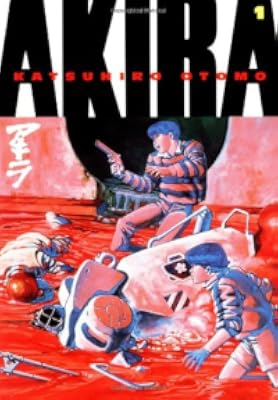
Clandestine army activities threaten the war-torn city of Neo-Tokyo when a mysterious being with powerful psychic abilities escapes his prison and inadvertently draws a violent motorcycle gang into a heinous web of experimentation. As a result, a biker with a twisted mind embarks on a path of war, seeking revenge against a society that once called him weak.Tags
Recommendations
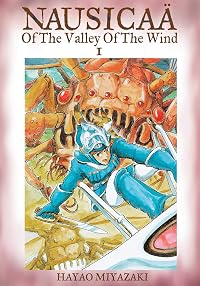
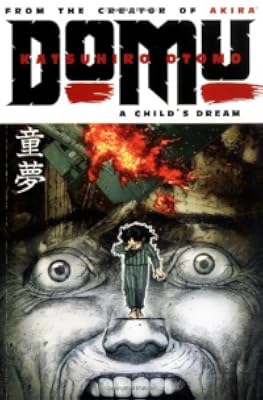
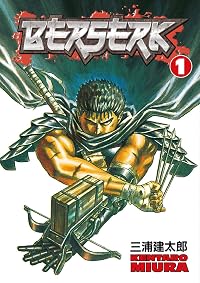
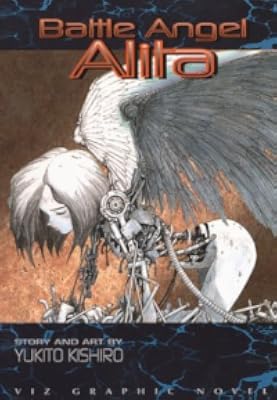
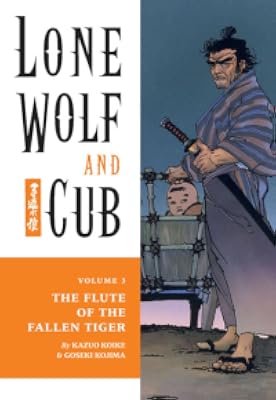
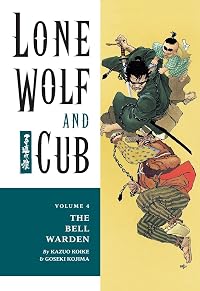
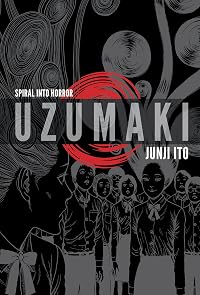
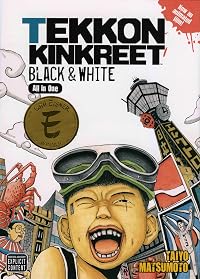
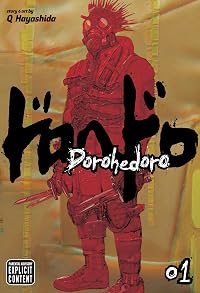
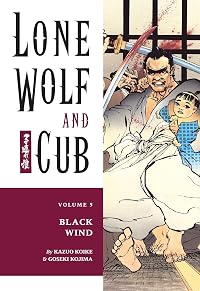
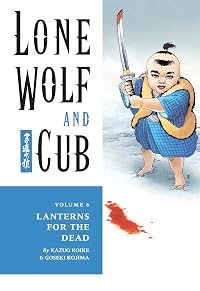
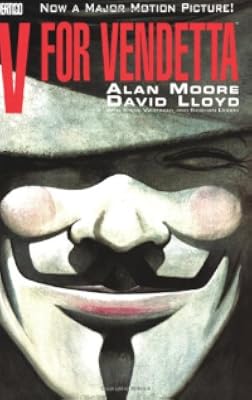
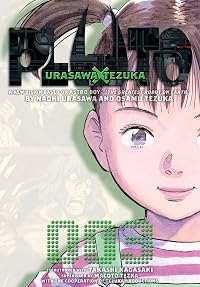
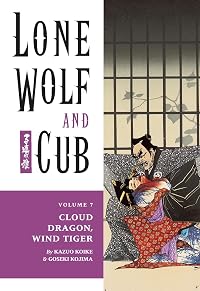
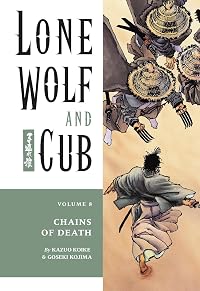
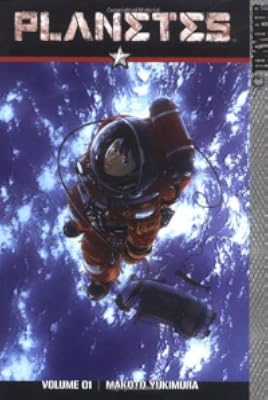
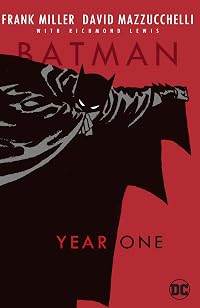

Member Recommendations
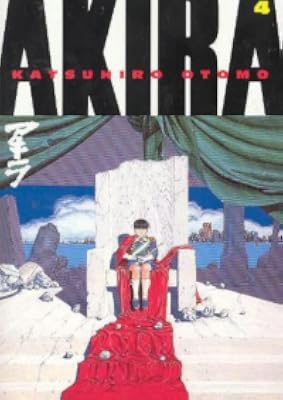
Death_By_Papercut The best of epic Japanese manga.
20

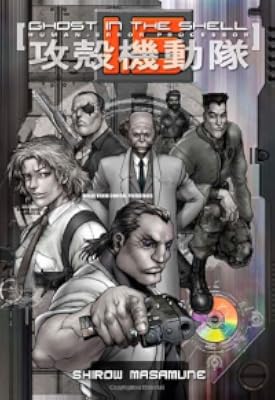
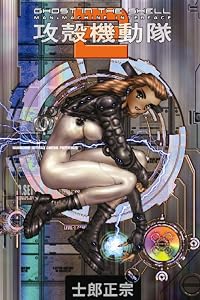
raulvilar Contienen elementos similares, personajes con poderes especiales y acción a raudales.
Member Reviews
Akira opens with Tokyo E*X*P*L*O*D*I*N*G. Years later, and it's now Neo-Tokyo, and it's about to E*X*P*L*O*D*E. A biker gang full of lively young assholes racing on the motorway yelling each other's names through the heart of destruction run into a strange, tiny, shrunken old man who makes a motorbike esplode. Sorry, E*S*P*L*O*D*E. That's pretty much the start of things E*X*P*L*O*D*I*N*G all over the place, including the friendship between young biker assholes Kaneda and Tetsuo, with the latter suddenly finding amazing psychic powers triggered inside himself that lets him E*X*P*L*O*D*E things like windows and doors and people. Friendship turns to murderous rivalry and all-out warfare with stuff E*X*P*L*O*D*I*N*G all over the place, but show more it's still pretty small-scale, relatively. There's also a secret military project and an underground resistance and the mysterious A-KI-RA who seems to make everyone's pants E*X*P*L*O*D*E with terror.
It's utterly astonishing. The scale, they style, the energy, the scope, the E*X*P*L*O*D*I*N*G, are like absolutely nothing else. E*X*P*L*E*X*E*L*L*E*N*T. show less
It's utterly astonishing. The scale, they style, the energy, the scope, the E*X*P*L*O*D*I*N*G, are like absolutely nothing else. E*X*P*L*E*X*E*L*L*E*N*T. show less
3.75
I forgot how ill developed the gang are in this compared to the film, though ultimately there is far more development and story overall in the manga.
I read this entire series for the first time on a small phone screen during 3 sleepless nights and it blew my mind. I then waited to acquire all 6 in paper form with the intention of rereading it - something I've only now gotten around to doing 5 years later.
This first volume is decent (It's a rare, colourised copy as well which is cool, though ultimately I think I prefer the black and white). It's a fun read and it sets things up well, but it's far from perfect and really is quite tame compared to what follows.
Some of the art is a bit awkward, with some odd body proportions popping up show more occasionally. It's also very action-centric, and I wish Kaneda and Tetsuo's friendship got some attention prior to the insanity that unfolds - but again, there's so much more to come and it just gets better. The art gets better and the story expands in scope, becoming something completely alien to the film (in a good way).
Looking forward to revisiting the rest. show less
I forgot how ill developed the gang are in this compared to the film, though ultimately there is far more development and story overall in the manga.
I read this entire series for the first time on a small phone screen during 3 sleepless nights and it blew my mind. I then waited to acquire all 6 in paper form with the intention of rereading it - something I've only now gotten around to doing 5 years later.
This first volume is decent (It's a rare, colourised copy as well which is cool, though ultimately I think I prefer the black and white). It's a fun read and it sets things up well, but it's far from perfect and really is quite tame compared to what follows.
Some of the art is a bit awkward, with some odd body proportions popping up show more occasionally. It's also very action-centric, and I wish Kaneda and Tetsuo's friendship got some attention prior to the insanity that unfolds - but again, there's so much more to come and it just gets better. The art gets better and the story expands in scope, becoming something completely alien to the film (in a good way).
Looking forward to revisiting the rest. show less
I grew up with manga (mainly Dragon Ball, as the majority in my generation) and kind of fell out of it at some point during college. After reading the first volume of this hugely influential series, I am more than happy to have gotten back into it. Apart from some minor gripes, this does not feel dated at all. The themes, characters and art are fantastic and the plot is gripping while not focusing solely on action. What a superb first entry!
In 1992 a nuclear bomb goes off in Tokyo, and then in other major cities around the globe. 40 years later Neo-Tokyo is in anarchy, run by biker gangs and terrorists. One such gang, run by Kaneda, is racing through closed-off tunnels when Kaneda’s best friend Tetsuo swerves to avoid a small child and crashes. The injuries give Tetsuo psychic powers, and he becomes jealous and violent and catches the eye of a secret government agency. Working against the agency is a young woman named Kei, who teams up with Kaneda as he tries to get his friend back.
Action-heavy comics are not really my thing, but this is a classic worth reading. I knew it was one of the first mangas to ever be translated into English and introduced to the United States, show more but I didn’t really know what it was about. It’s easy to see the influence it’s had on other work since the 80s (especially Stranger Things!), though I believe a lot of that is due to the movie (which I have not seen). Some of the individual panels are iconic, but I found the characters hard to tell apart and the story hard to follow. It was worth a read for the interesting story, and I would like to know more, but I didn’t love reading it in this format and I’m not sure if I’m going to continue or not. show less
Action-heavy comics are not really my thing, but this is a classic worth reading. I knew it was one of the first mangas to ever be translated into English and introduced to the United States, show more but I didn’t really know what it was about. It’s easy to see the influence it’s had on other work since the 80s (especially Stranger Things!), though I believe a lot of that is due to the movie (which I have not seen). Some of the individual panels are iconic, but I found the characters hard to tell apart and the story hard to follow. It was worth a read for the interesting story, and I would like to know more, but I didn’t love reading it in this format and I’m not sure if I’m going to continue or not. show less
In this first volume of series we follow our unlikely hero, Kaneda, trying to figure out what happened to his best friend Tetsuo. Everything starts with Kaneda's motorcycle gang stumbling on a curious short man on the highways of Neo-Tokyo. In an almost deadly collision Tetsuo ends up hurt and picked up by the Emergency Units. Mysterious little man also gets picked up. And thus starts Tetsuo's fall into madness and events are set towards the awakening of the Akira, power source controlled by the army and sought by the unknown, officially marked terrorist organization to whom mysterious Kei belongs (and of course, Kaneda being hot shot, immediately falls for her).
Unlike the movie that for my taste was very slow (especially after Ghost in show more the Shell) manga starts very strong. We get introduced to variety of characters, including Kaneda's group, motorcycle gang from the school for troubled youth, military apparatus that wants to isolate the Akira and build the stronghold int he middle of Neo-Tokyo and ever present politicians. We also see wheels within wheels, army hiding from the parliament details on Akira and political parties wage their own shadow war of dominance.
Excellent story and truly amazing art. I started reading Akira through monthly issues almost 20 years ago but unfortunately magazine stopped after 40-odd issues. It was truly a pleasure to read this epic from the beginning.
Highly recommended to all fans of SF and psykers-running-wild :) show less
Unlike the movie that for my taste was very slow (especially after Ghost in show more the Shell) manga starts very strong. We get introduced to variety of characters, including Kaneda's group, motorcycle gang from the school for troubled youth, military apparatus that wants to isolate the Akira and build the stronghold int he middle of Neo-Tokyo and ever present politicians. We also see wheels within wheels, army hiding from the parliament details on Akira and political parties wage their own shadow war of dominance.
Excellent story and truly amazing art. I started reading Akira through monthly issues almost 20 years ago but unfortunately magazine stopped after 40-odd issues. It was truly a pleasure to read this epic from the beginning.
Highly recommended to all fans of SF and psykers-running-wild :) show less
From the aftermath of World War III, the city Neo-Tokyo has arisen. It’s a mixture of the destroyed and decaying Tokyo, and a new and vibrant metropolis that grew up in the original’s ashes. Against this background, Tetsuo, a member of a motorcycle gang run by his friend Kaneda, is hurt in a mysterious accident, and the injured Tetsuo is taken away by the military for testing. This testing probes that Tetsuo is starting to develop psycho-kinetic powers. As Tetsuo's psychic powers develop, he becomes less mentally-stable and more prone to violence, and events lead inevitably towards a confrontation between Tetsuo and Kaneda.
That's a short outline of the main plot for the first novel. There's a variety of other plots related to this show more that I could discuss (that become more relevant in the next five volumes) - the Japanese military working on cultivating psychic powers in special individuals, and a rebel group seeking the mysterious entity known as Akira for unknown purposes. All of these plots, and the characters involved, are juggled with some skill – each of these stories are all connected in a plausible manner. One or two of these intersections do occur by means of coincidence, but is largely handled quite well.
Superficially, the book can be viewed as a fun, quick read, with the occasional element of ridiculousness, but there’s more serious stuff going on there for those that look beneath the surface. There is the theme of how power is earned and used, how those with power maintain their power, and how that power can be abused and corrupted. Central to this theme is the rise of Tetsuo, his increase in power parallelled with his loss of morality and rapid personality change. There is also parallels drawn between the society of Neo-Tokyo and that of post-World War II Japan, both having largely finished rebuilding efforts after the war, both looking for a new direction.
And if you aren’t looking for intelligent ideas and complex themes, though, there’s definitely a lot of action going on.
The artwork on display here is excellent. It's simple, black, white and greyscale, (except for the cover and the first eight pages, which is all vibrant colour) but is also quite evocative and well-drawn. Otomo’s artwork (Katsuhiro Otomo was the artist and the writer) conveys the story quite well. Much of the panels either have no words, or just short, sharp sentences – the story is largely in the pictures themselves.
Akira is an extremely fun story with intelligent ideas bubbling beneath the surface, all shown with some excellent artwork. “Akira” is definitely worth a look, particularly as, in spite of its length, it is quite a quick read. show less
That's a short outline of the main plot for the first novel. There's a variety of other plots related to this show more that I could discuss (that become more relevant in the next five volumes) - the Japanese military working on cultivating psychic powers in special individuals, and a rebel group seeking the mysterious entity known as Akira for unknown purposes. All of these plots, and the characters involved, are juggled with some skill – each of these stories are all connected in a plausible manner. One or two of these intersections do occur by means of coincidence, but is largely handled quite well.
Superficially, the book can be viewed as a fun, quick read, with the occasional element of ridiculousness, but there’s more serious stuff going on there for those that look beneath the surface. There is the theme of how power is earned and used, how those with power maintain their power, and how that power can be abused and corrupted. Central to this theme is the rise of Tetsuo, his increase in power parallelled with his loss of morality and rapid personality change. There is also parallels drawn between the society of Neo-Tokyo and that of post-World War II Japan, both having largely finished rebuilding efforts after the war, both looking for a new direction.
And if you aren’t looking for intelligent ideas and complex themes, though, there’s definitely a lot of action going on.
The artwork on display here is excellent. It's simple, black, white and greyscale, (except for the cover and the first eight pages, which is all vibrant colour) but is also quite evocative and well-drawn. Otomo’s artwork (Katsuhiro Otomo was the artist and the writer) conveys the story quite well. Much of the panels either have no words, or just short, sharp sentences – the story is largely in the pictures themselves.
Akira is an extremely fun story with intelligent ideas bubbling beneath the surface, all shown with some excellent artwork. “Akira” is definitely worth a look, particularly as, in spite of its length, it is quite a quick read. show less
First epic manga I've really read. It's very interesting. I'm intrigued more than blown away, but I've heard such high praise for the work for so many years that I certainly plan to keep reading. It's hard sometimes juggling the very large cast of characters, and occasionally the artwork can lack clarity on what's happening in a given panel. But you quickly learn - especially in a mammoth work like this one - that the pages are designed to be read quickly, and not necessarily lingered over; if one panel in a fight scene or motorcycle chase isn't quite clear, just keep going.
It really is a radically different approach to comics, and I find it rather fascinating.
It really is a radically different approach to comics, and I find it rather fascinating.
Members
- Recently Added By
Lists

Recommended Comics / Graphic Novels
595 works; 119 members

Best Science Fiction Comics and Graphic Novels
144 works; 11 members

Classic Manga
31 works; 4 members

Best Science Fiction Originally Published in a Language Other Than English
449 works; 34 members

Drawn Out: The 50 Best Non-Superhero Graphic Novels
175 works; 8 members

Books Read in 2017
4,249 works; 129 members

Books for Fans of Stranger Things
84 works; 7 members

Books recommended by Calgary Public Library staff
1,588 works; 4 members

Favorite Books in Translation
320 works; 133 members

01
20 works; 1 member
Author Information

410+ Works 11,022 Members
Some Editions
Awards and Honors
Series

Work Relationships
Common Knowledge
- Canonical title
- Akira, Volume 1
- Original title
- AKIRA 1; アキラ 1
- Alternate titles*
- Volumen 1. Tetsuo
- Original publication date
- 1984-09-21
- People/Characters
- Shōtarō Kaneda; Shima Tetsuo (#41); Kiyoko (#25); Takashi (#26); Masaru (#27); El Coronel (show all 14); Key; Ryu; Yamagata; Kai; Kaori; El Doctor; Nezumi; Akira (#28)
- Important places
- Neo-Tokyo, Japan; Japan
- Important events
- World War III (1992)
- Related movies
- Akira (1988 | IMDb)
- First words
- AT 2:17 P.M. ON DECEMBER 6TH, 1992, A NEW TYPE OF BOMB EXPLODED OVER THE METROPOLITAN AREA OF JAPAN.
- Last words
- (Click to show. Warning: May contain spoilers.)PRECISELY!
- Original language
- Japanese
*Some information comes from Common Knowledge in other languages. Click "Edit" for more information.
Classifications
- Genre
- Graphic Novels & Comics
- DDC/MDS
- 741.5952 — Arts & recreation Drawing & decorative arts Drawing Comic books, graphic novels, fotonovelas, cartoons, caricatures, comic strips History, geographic treatment, biography Asian Japanese
- LCC
- PN6790 .J3 .A3613 — Language and Literature Literature (General) Literature (General) Collections of general literature Comic books, strips, etc.
- BISAC
Statistics
- Members
- 2,115
- Popularity
- 9,781
- Reviews
- 43
- Rating
- (4.18)
- Languages
- 10 — Chinese, Danish, Dutch, English, French, German, Italian, Japanese, Portuguese, Spanish
- Media
- Paper
- ISBNs
- 47
- UPCs
- 4
- ASINs
- 7