Brazil
by John Updike
On This Page
Description
John Updike's sixteenth novel takes place in a stylized Brazil where almost anything is possible, if you are young and in love. Tristao Raposo, a nineteen-year-old black child of the Rio slums, and Isabel Leme, an eighteen-year-old upper-class white girl, meet on Copacabana Beach; their flight into marriage takes them to the farthest reaches of Brazil's wild west. Privation, violence, captivity, and reversals of fortune afflict them; his mother curses them, her father harries them with show more hirelings, and neither lover is absolutely faithful. Yet Tristao and Isabel hold to the faith that each is the other's fate for life, as they pass - in Shakespeare's phrase - "through nature to eternity." Spanning twenty-two years, from the mid-Sixties to the late Eighties, Brazil surprises and embraces the reader with its celebration of passion, loyalty, and New World innocence. show lessTags
Recommendations















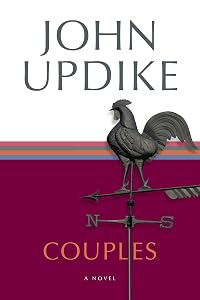
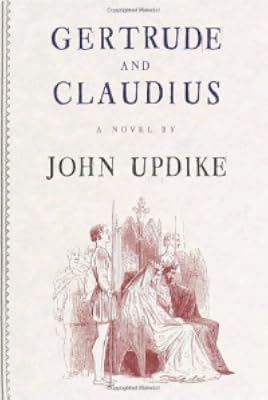

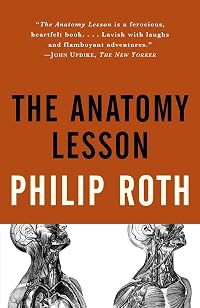

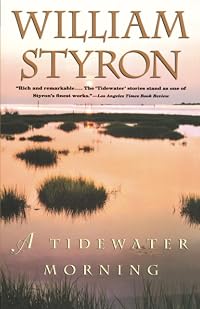




Member Recommendations

mediapuzzle A similarly tragic tale in an exotic locale and very well written.
mediapuzzle A tragic tale in an exotic locale.
Member Reviews
John Updike’s 16th novel, published in 1994 when the author was 62, is a rambunctious adventure story describing the obsessive, forbidden love of Tristão Raposo and Isabel Leme, who meet as teenagers on Rio de Janeiro’s Copacabana Beach in the mid-1960s. A case of love-at-first-sight, their passionate mismatch could not be more problematic. Tristão is black, hails from Rio’s hillside slums (the favela or shanty town), and survives through petty larceny. Isabel, white, is a product of privilege—a lonely, beautiful young woman with a rebellious streak, being groomed for a life of ease as some rich man’s wife—who lives in a grand apartment with her uncle since her mother is dead and her father, a career diplomat, is always on show more the move. The two quickly consummate their love, but since the risks they face are obvious to them both, they decide to abscond so they can be together forever. They make it to São Paulo before Isabel’s father’s henchmen catch up with them. Isabel is taken to Brasilia, where her father maintains an apartment, and Tristão is left in São Paulo toiling in an auto manufacturing plant. For a couple of years, while Tristão works and Isabel attends university, it seems their love has cooled, successfully thwarted by brute force. But it is only simmering, and when Tristão makes his move, he gambles everything on the belief that Isabel still feels as he does. Impulsively, he travels to Brasilia to find her, and the two go on the run from her father, heading west, into the steaming Brazilian wilderness where unknown perils await. Updike’s narrative is undeniably engrossing, with twists and turns aplenty, and carries the reader along on wave after wave of suspense. Tristão and Isabel face numerous threats to their lives and their love and are forced to scramble and kill and make horrendous choices when it comes to fending for themselves, putting food on the table and keeping each other and their children safe. It’s all a bit frenetic, and the reader is occasionally asked to accept as given events that are more than simply fanciful and some that veer (gleefully) into the realm of magic realism. The author’s fascination with the sweaty rigors of copulation and male and female genitalia is also on full, unapologetic display. Brazil is an example of John Updike’s storytelling skill in full plumage, an exotic and raunchy tale of forbidden love (based on the legend of Tristan and Iseult) gussied up with exquisite gem-like details lifted from the author’s extensive background reading, all of it lovingly assembled for maximum entertainment value. And as always with Updike—even second tier Updike—there is his astonishing verbal fluency, examples of which can be found on every page. show less
This book has been on my TBR pile for several years - my husband put it there after he had finished it, saying he thought I’d like it. Well I did - sort of. The writing is terrific; Updike’s descriptions of place are detailed and evocative. In this Tristan-and-Isolde-like tale, Updike explores themes of racism and colonialism, class and extreme poverty, love and sexuality, gender and gender roles, obsession and family. Some of his observations approach profundity while others are stale and flat. Along the way he gives us adventure and a bit of magical realism. And yet it doesn’t all come together to create excellence.
This was a very bizarre story that features Updike's version of the legend of Tristan and Iseult, prototype victims of doomed love. Nineteen year old Tristao, a black teenager from the Brazilian slums, falls for Isabel, a rich young daughter of the elite, one afternoon on Rio's Copacabana beach. Isabel falls back, takes him home and gives her virginity to him. They both discover a love to end all loves and decide to run away together. Her father's men pursue them to Sao Paulo where Isabel is forced away, only the first of many partings they will have over the next thirty years.
Updike sets his amorous pair against a squalid backdrop of crooks, mercenaries, whores, pimps and other greedy and grasping predators. His descriptions of show more Tristan's penis (“his cashew become a banana, and then a rippled yam”) gave me some real laugh out loud moments and a vow to avoid sweet potatoes in the future. Who doesn't love some good vegetable sexual symbolism?
Updike endeavors for a magical realist effect in an overly vivid dialogue and plotting. The characters had little personality or development. Tristao even wears the same swimming trunks and uses the same razor blades at the end of the story as he did at the start. There are plenty of gratuitous sex scenes that are supposed to demonstrate how much they love each other but just seemed too comical for me to take seriously. He did describe a wide ranging outlook of both the city culture and the jungle culture. I felt like I did get some measure of what Brazil is all about but ended the book feeling that there is more to Brazil than just a mediocre travelogue and non-stop degrading sex.
1159 show less
Updike sets his amorous pair against a squalid backdrop of crooks, mercenaries, whores, pimps and other greedy and grasping predators. His descriptions of show more Tristan's penis (“his cashew become a banana, and then a rippled yam”) gave me some real laugh out loud moments and a vow to avoid sweet potatoes in the future. Who doesn't love some good vegetable sexual symbolism?
Updike endeavors for a magical realist effect in an overly vivid dialogue and plotting. The characters had little personality or development. Tristao even wears the same swimming trunks and uses the same razor blades at the end of the story as he did at the start. There are plenty of gratuitous sex scenes that are supposed to demonstrate how much they love each other but just seemed too comical for me to take seriously. He did describe a wide ranging outlook of both the city culture and the jungle culture. I felt like I did get some measure of what Brazil is all about but ended the book feeling that there is more to Brazil than just a mediocre travelogue and non-stop degrading sex.
1159 show less
Vajh egy amerikai író, aki az amerikai társadalom nagy amerikai elemzője és amerikai kritikusa, miért dönt úgy, hogy nosza, ideje írni egy regényt Brazíliáról is? Egy hosszú dél-amerikai utazás visszfénye tükröződik eme vágyban? Esetleg az, hogy az érzelmek, amelyekkel dolgozni kíván, túl intenzívek ahhoz, hogy angolszász szereplőkkel játszassa el őket? Mit tudom én. Mindenesetre aligha akad Updike-regény, amiben többet rakják be a duzzadó-pulzáló, erekkel átszőtt yamgyökeret abba a kis... hm... yamgyökértárolóba, na, tudjátok, mire gondolok... illetve dehogy gondolok erre, az ilyesmin szigorúan csak munkaidőn kívül gondolkodik az ember... kivéve persze azokat az embereket, akiknek a show more munkájukból fakadóan muszáj ilyesmiken gondolkodni - ilyen ember például Updike a Brazília c. könyv írásakor.
Tristão, a nincstelen fekete tolvaj és rabló, a favela gyermeke odalép a strandon Isabelhez, a hófehér bőrű, kőgazdag és elkényeztetett szűzhöz – és innentől kezdve csak úgy díbolnak a hormonok. Fülledt Rómeó és Júlia történet két emberről, akik társadalmi helyzetükből fakadóan nem lehetnének egymáséi – de fityisz neked, társadalmi helyzet, mert juszt is egymáséi lesznek. És körbehordozzák szerelmüket egész Brazílián, miközben Candide-hoz mérhető válogatott groteszk szörnyűségeken mennek keresztül, kapcsolatuk minden lehetséges (és nem lehetséges) módon próbára tevődik, hogy aztán… de csitt. Updike igazi profiként építi fel a regényt a különböző ellentétekből: filozófia ütközik ösztönösséggel, trágárság a lírával, büszke szabadságvágy a legmocskosabb megaláztatással, az ember meg csak kapaszkodik a fotel karfájába a folyamatos karamboloztatásban. Igaz, a szerző mintha nem tudna ellenállni annak, hogy botcsinálta idegenvezetőként minden, de tényleg minden brazil egzotikumot belesűrítsen a szövegbe a Copacabanától a dzsungelekig, a São Paulo -i gyárosoktól az indián sámánokig mondjuk focizni nem fociznak benne, valóban, és hát a nyomorpornó is, amin áthajszolja főhőseit, már-már karikatúrába hajlik (pont mint a Candide esetében), de azért élvezetes, vérbő olvasmány. Azt pedig, hogy Updike megírt-e egy Brazília-regényt, vagy csak megkísérelt megírni egyet… hm, ezt őszintén nem tudom. Valahol a kettő határán mozog ez a könyv. show less
Tristão, a nincstelen fekete tolvaj és rabló, a favela gyermeke odalép a strandon Isabelhez, a hófehér bőrű, kőgazdag és elkényeztetett szűzhöz – és innentől kezdve csak úgy díbolnak a hormonok. Fülledt Rómeó és Júlia történet két emberről, akik társadalmi helyzetükből fakadóan nem lehetnének egymáséi – de fityisz neked, társadalmi helyzet, mert juszt is egymáséi lesznek. És körbehordozzák szerelmüket egész Brazílián, miközben Candide-hoz mérhető válogatott groteszk szörnyűségeken mennek keresztül, kapcsolatuk minden lehetséges (és nem lehetséges) módon próbára tevődik, hogy aztán… de csitt. Updike igazi profiként építi fel a regényt a különböző ellentétekből: filozófia ütközik ösztönösséggel, trágárság a lírával, büszke szabadságvágy a legmocskosabb megaláztatással, az ember meg csak kapaszkodik a fotel karfájába a folyamatos karamboloztatásban. Igaz, a szerző mintha nem tudna ellenállni annak, hogy botcsinálta idegenvezetőként minden, de tényleg minden brazil egzotikumot belesűrítsen a szövegbe a Copacabanától a dzsungelekig, a São Paulo -i gyárosoktól az indián sámánokig mondjuk focizni nem fociznak benne, valóban, és hát a nyomorpornó is, amin áthajszolja főhőseit, már-már karikatúrába hajlik (pont mint a Candide esetében), de azért élvezetes, vérbő olvasmány. Azt pedig, hogy Updike megírt-e egy Brazília-regényt, vagy csak megkísérelt megírni egyet… hm, ezt őszintén nem tudom. Valahol a kettő határán mozog ez a könyv. show less
Brasil
John Updike
Publicado: 1994 | 257 páginas
Novela Realista
Tristão Raposo es negro, tiene 19 años, chulea por la playa de Copacabana y va armado de una hoja de afeitar, atracando aquí y allá para capear el hambre. Isabel Leme es blanca, rica, acaba de salir de un colegio de monjas y tiene 18 años cuando Tristão, al verla pasar en biquini, piensa: «Esta muñeca está hecha para mí». Pese a la salvaje rapacidad de la pobreza, él parece casi sofisticado; ella, hecha a «la lógica y el bienestar del poder», va pisando fuerte por la vida. Pero, en cuanto sus cuerpos se juntan, él verdugo y ella víctima, los dos intuyen ya que el desenlace de aquel asalto no será otro que una pasión sin límite. Inspirándose en la leyenda show more de «Tristán e Isolda», Updike nos embarca en la extraordinaria odisea que, por las junglas de Brasil, tanto las de asfalto como las otras, emprende la pareja hacia los abismos del alma y de la miseria en su constante huida de los esbirros del padre de Isabel. Nada podrá detenerlos en un país donde lo mágico y lo real se confunden en simas a veces insondables… show less
John Updike
Publicado: 1994 | 257 páginas
Novela Realista
Tristão Raposo es negro, tiene 19 años, chulea por la playa de Copacabana y va armado de una hoja de afeitar, atracando aquí y allá para capear el hambre. Isabel Leme es blanca, rica, acaba de salir de un colegio de monjas y tiene 18 años cuando Tristão, al verla pasar en biquini, piensa: «Esta muñeca está hecha para mí». Pese a la salvaje rapacidad de la pobreza, él parece casi sofisticado; ella, hecha a «la lógica y el bienestar del poder», va pisando fuerte por la vida. Pero, en cuanto sus cuerpos se juntan, él verdugo y ella víctima, los dos intuyen ya que el desenlace de aquel asalto no será otro que una pasión sin límite. Inspirándose en la leyenda show more de «Tristán e Isolda», Updike nos embarca en la extraordinaria odisea que, por las junglas de Brasil, tanto las de asfalto como las otras, emprende la pareja hacia los abismos del alma y de la miseria en su constante huida de los esbirros del padre de Isabel. Nada podrá detenerlos en un país donde lo mágico y lo real se confunden en simas a veces insondables… show less
fated lovers Tristo + Isabel — (Tristan + Isolde — myth) — Black + White deep in jungle run away — magic — White turns + Black reverse
Spans 22 yrs — 60 — 80º
in Brazil — death at end — food for though!
Bk went with Bk — River of Doubt @ Teddy R's — trip down Amazon
In the dream-Brazil of John Updike’s imagining, almost anything is possible if you are young and in love. When Tristão Raposo, a black nineteen-year-old from the Rio slums, and Isabel Leme, an eighteen-year-old upper-class white girl, meet on Copacabana Beach, their flight from family and into marriage takes them to the farthest reaches of Brazil’s phantasmagoric western frontier. Privation, violence, captivity, and reversals of fortune afflict them, show more yet this latter-day Tristan and Iseult cling to the faith that each is the other’s fate for life. Spanning twenty-two years, from the sixties through the eighties, Brazil surprises with its celebration of passion, loyalty, romance, and New World innocence. show less
Spans 22 yrs — 60 — 80º
in Brazil — death at end — food for though!
Bk went with Bk — River of Doubt @ Teddy R's — trip down Amazon
In the dream-Brazil of John Updike’s imagining, almost anything is possible if you are young and in love. When Tristão Raposo, a black nineteen-year-old from the Rio slums, and Isabel Leme, an eighteen-year-old upper-class white girl, meet on Copacabana Beach, their flight from family and into marriage takes them to the farthest reaches of Brazil’s phantasmagoric western frontier. Privation, violence, captivity, and reversals of fortune afflict them, show more yet this latter-day Tristan and Iseult cling to the faith that each is the other’s fate for life. Spanning twenty-two years, from the sixties through the eighties, Brazil surprises with its celebration of passion, loyalty, romance, and New World innocence. show less
This is one of Updike's least appealing novels, both from the point of view of obsessive personal preoccupations as well as from its ill-advised attempt to cater to contemporary critical fashions that were far removed from his literary strengths.
Members
- Recently Added By
Author Information

342+ Works 53,757 Members
American novelist, poet, and critic John Updike was born in Reading, Pennsylvania on March 18, 1932. He received an A.B. degree from Harvard University, which he attended on a scholarship, in 1954. After graduation, he accepted a one-year fellowship to study painting at the Ruskin School of Drawing and Fine Art in Oxford, England. After returning show more from England in 1955, he worked for two years on the staff of The New Yorker. This marked the beginning of a long relationship with the magazine, during which he has contributed numerous short stories, poems, and book reviews. Although Updike's first published book was a collection of verse, The Carpentered Hen and Other Tame Creatures (1958), his renown as a writer is based on his fiction, beginning with The Poorhouse Fair (1959). During his lifetime, he wrote more than 50 books and primarily focused on middle-class America and their major concerns---marriage, divorce, religion, materialism, and sex. Among his best-known works are the Rabbit tetrology---Rabbit, Run (1960), Rabbit Redux (1971), Rabbit Is Rich (1981), and Rabbit at Rest (1988). Rabbit, Run introduces Harry "Rabbit" Angstrom as a 26-year-old salesman of dime-store gadgets trapped in an unhappy marriage in a dismal Pennsylvania town, looking back wistfully on his days as a high school basketball star. Rabbit Redux takes up the story 10 years later, and Rabbit's relationship with representative figures of the 1960s enables Updike to provide social commentary in a story marked by mellow wisdom and compassion in spite of some shocking jolts. In Rabbit Is Rich, Harry is comfortably middle-aged and complacent, and much of the book seems to satirize the country-club set and the swinging sexual/social life of Rabbit and his friends. Finally, in Rabbit at Rest, Harry arrives at the age where he must confront his mortality. Updike won the Pulitzer Prize for both Rabbit Is Rich and Rabbit at Rest. Updike's other novels range widely in subject and locale, from The Poorhouse Fair, about a home for the aged that seems to be a microcosm for society as a whole, through The Court (1978), about a revolution in Africa, to The Witches of Eastwick (1984), in which Updike tries to write from inside the sensibilities of three witches in contemporary New England. The Centaur (1963) is a subtle, complicated allegorical novel that won Updike the National Book Award in 1964. In addition to his novels, Updike also has written short stories, poems, critical essays, and reviews. Self-Consciousness (1989) is a memoir of his early life, his thoughts on issues such as the Vietnam War, and his attitude toward religion. He was elected to the American Academy of Arts and Letters in 1977. He died of lung cancer on January 27, 2009 at the age of 76. (Bowker Author Biography) John Updike was born in 1932, in Shillington, Pennsylvania. Since 1957 he has lived in Massachusetts. His novels have won the Pulitzer Prize, the National Book Award, the National Book Critics Circle Award, & the Howells Medal. (Publisher Provided) John Updike was born in 1932 and attended Harvard College and the Ruskin School of Drawing and Fine Art in Oxford, England. Form 1955 to 1957 he was a staff member of The New Yorker, which he contributed numerous writings. Updike's art criticism has appeared in publications including Arts and Antiques, The New Republic, The New York Times Book Review, and Realites, among many others. He is the author of such best-selling novels as Rabbit Run and Rabbit is Rich. His many works of fiction, poetry and criticism have been awarded the Pulitzer Prize, the National Book Award, the American Book Award, and the National Book Critics Circle Award. For the past 40 years he has lived in Massachusetts. (Publisher Provided) John Updike is the author of some 50 books, including collections of short stories, poems, & criticism. His novels have won the Pulitzer Prize, the National Book Award, the National Book Critics Circle Award, & the Howells Medal. Born in Shillington, Pennsylvania, in 1932, he has lived in Massachusetts since 1957. (Publisher Provided) show less
Awards and Honors
Series
Belongs to Publisher Series
rororo (1690)
Common Knowledge
- Original title
- Brazil
- Original publication date
- 1994
- People/Characters
- Tristão Raposo; Isabel Leme
- Epigraph
- Thou know'st 'tis common; all that lives must die,
Passing through nature to eternity.
—The Queen, in Hamlet.
Welcome, Brazilian brother—thy ample place is ready
A loving hand—a smile from the north—a sunny instant hail!
—Walt Whitman, "A Christmas Greeting... (show all)." - First words
- Black is a shade of brown.
- Last words
- (Click to show. Warning: May contain spoilers.)Having absorbed this desolating truth, the dark-eyed widow staggered to her feet, tightened her robe about her nakedness, and let her uncle lead her home.
- Publisher's editor
- Jones, Judith
- Disambiguation notice
- Please do not combine with "Brazil" by any other author.
Classifications
Statistics
- Members
- 854
- Popularity
- 32,064
- Reviews
- 22
- Rating
- (3.28)
- Languages
- 12 — Danish, Dutch, English, Estonian, French, German, Hungarian, Italian, Portuguese, Russian, Spanish, Swedish
- Media
- Paper, Audiobook, Ebook
- ISBNs
- 34
- ASINs
- 14