The Sound of Paper
by Julia Cameron
On This Page
Description
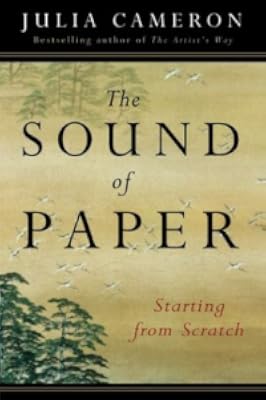
New Age. Self-Improvement. Nonfiction. Self Help. HTML:The bestselling author of The Artist's Way draws on her many years of personal experience as both a writer and a teacher to uncover the difficult soul work that artists must do to find inspiration.In The Sound of Paper, Julia Cameron delves deep into the heart of the personal struggles that all artists experience. What can we do when we face our keyboard or canvas with nothing but a cold emptiness? How can we begin to carve out our show more creation when our vision and drive are clouded by life's uncertainties? In other words, how can we begin the difficult work of being an artist? In this inspiring book, Cameron describes a process of constant renewal, of starting from the beginning. She writes, "When we are building a life from scratch, we must dig a little. We must be like that hen scratching beneath the soil. 'What goodness is hidden here, just below the surface?' we must ask."
With personal essays accompanied by exercises designed to develop the power to infuse one's art with a deeply informed knowledge of the soul, this book is an essential artist's companion from one of the foremost authorities on the creative process. Cameron's most illuminating book to date, The Sound of Paper provides readers with a spiritual path for creating the best work of their lives.
. show less
Tags
Recommendations
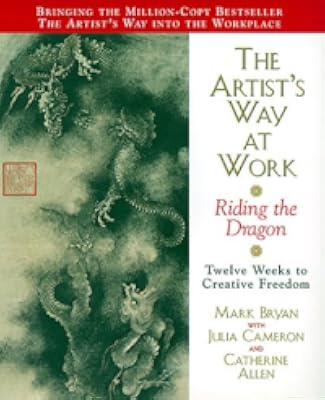
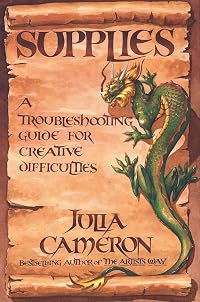
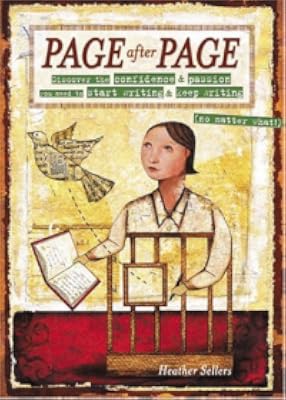
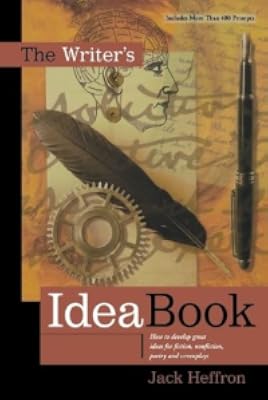
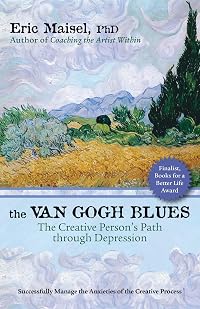
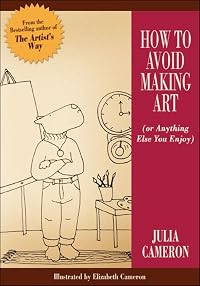
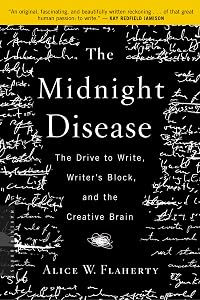
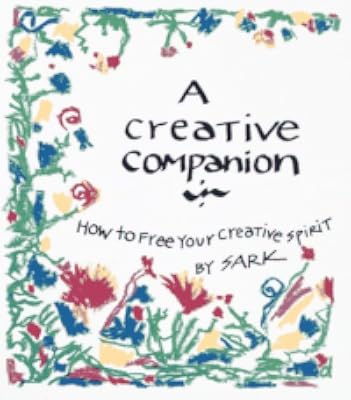
Member Reviews
Two stars, downgraded from the solid five stars it was for so long. I first got this book at fourteen as a gift. I was trying to write an amazing novel, and my family was delighted and supportive in so many ways. My late grandmother, a librarian, got me this book and a dozen more. My aunt, her daughter who I'm still close to, bought me several others I also valued, but they were about marketing novels and the requirements of publishing in the late 90s-early 2000s. I whipped through those. I was too young then to appreciate this book, and tried to donate it. My mom rescued it and put it on a high bookshelf. Bored and taller at sixteen, I tilted my head and decided to read it again. I loved the imagery of the essays, but felt like I show more couldn't do the exercises, flipped past them and put the book back on the shelf. I was eighteen or nineteen when the book finally clicked for me, as it were, and I was delighted.
This isn't a guide on writing, but a collection of essays and exercises on busting through writer's block or or working less or differently than an artist normally does in their discipline. It occurs to me that this probably wasn't intended to be read in one sitting, as I've been doing for years, due to the sheer repetition of so many themes and exercises. Maybe readers were supposed to flip to whatever. I've read this maybe a dozen times over the years and always thought so highly of it until the last three times. The imagery is still great. There's still exercises I really look forward to and get a lot out of. But I've changed so much as a person, and my perspective has changed. I'll check out more books on writing, as I do every few years. The last time was 2013. Sometimes I find wonderful ones that are not at my library when I go to read them again, and are insanely expensive online, so it's gonna be a continual process.
I'm getting less and less out of the exercises, and only liked four exercises this time. I also take issue with how Julia Cameron phrases things sometimes.This book is brimming with references to Alcoholics Anonymous, which isn't helpful to me as a hobbyist writer. She talks about G-d, or more precisely her view of G-d, nearly every chapter. Not helpful. The ableism in here flat-out irritated me, where it just used to make me roll my eyes. On page 151 of the edition I was reading--I've hung onto the original paperback all these years--she compares writer's block to PTSD of soldiers in war zones. DUDE, WTF. NO. it's by no means uncommon for writers to do that in writer's guides, either. I read a writing guide that compared writer's block to surviving the Shoah, right down to quoting Anne Frank plus survivors waaaaay out of context. I made it halfway through that one before throwing it on the floor in disgust and (redacted as Zev went on an angry tirade and this review is not about that book). That one in particular was an enormous, creepy waste of time because he also could not shut up about how amaaaeezing his kids were. I wanted to read about writing, not all that. Back to this.
It got repetitive really quickly, both the imagery and exercises. The essay on page 225 of the edition I was reading was nothing but blatant racism, and I was shocked--I'd forgotten the essay even existed. It amounted to a Big Lipped Alligator Moment: came right out of nowhere, had nothing to do with writing, contained none of the usual imagery the book repeated, and wasn't referred to again. Thanks to Lindsay Ellis for the term, and the definition, which I loosely adapted here for the purposes of explanation.
I copied down my favorite exercises and will donate it this time. show less
This isn't a guide on writing, but a collection of essays and exercises on busting through writer's block or or working less or differently than an artist normally does in their discipline. It occurs to me that this probably wasn't intended to be read in one sitting, as I've been doing for years, due to the sheer repetition of so many themes and exercises. Maybe readers were supposed to flip to whatever. I've read this maybe a dozen times over the years and always thought so highly of it until the last three times. The imagery is still great. There's still exercises I really look forward to and get a lot out of. But I've changed so much as a person, and my perspective has changed. I'll check out more books on writing, as I do every few years. The last time was 2013. Sometimes I find wonderful ones that are not at my library when I go to read them again, and are insanely expensive online, so it's gonna be a continual process.
I'm getting less and less out of the exercises, and only liked four exercises this time. I also take issue with how Julia Cameron phrases things sometimes.This book is brimming with references to Alcoholics Anonymous, which isn't helpful to me as a hobbyist writer. She talks about G-d, or more precisely her view of G-d, nearly every chapter. Not helpful. The ableism in here flat-out irritated me, where it just used to make me roll my eyes. On page 151 of the edition I was reading--I've hung onto the original paperback all these years--she compares writer's block to PTSD of soldiers in war zones. DUDE, WTF. NO. it's by no means uncommon for writers to do that in writer's guides, either. I read a writing guide that compared writer's block to surviving the Shoah, right down to quoting Anne Frank plus survivors waaaaay out of context. I made it halfway through that one before throwing it on the floor in disgust and (redacted as Zev went on an angry tirade and this review is not about that book). That one in particular was an enormous, creepy waste of time because he also could not shut up about how amaaaeezing his kids were. I wanted to read about writing, not all that. Back to this.
It got repetitive really quickly, both the imagery and exercises. The essay on page 225 of the edition I was reading was nothing but blatant racism, and I was shocked--I'd forgotten the essay even existed. It amounted to a Big Lipped Alligator Moment: came right out of nowhere, had nothing to do with writing, contained none of the usual imagery the book repeated, and wasn't referred to again. Thanks to Lindsay Ellis for the term, and the definition, which I loosely adapted here for the purposes of explanation.
I copied down my favorite exercises and will donate it this time. show less
I don't know if this book is great or if it was great for me right now. In any case, "The Sound of Paper" delivered just what I needed, when I needed it: encouragement, understanding, and tangible tools to get me inspired and writing.
I've just finished Julia Cameron's The Sound of Paper a book I started a year ago. It is a series of three to four page essays on the creative life each focused on a particular topic with a suggested exercise for personal reinforcement. The duration of the reading was attributed to the manner by which I read the book. For me the book was best read in segments over time.To get the fullest value I read no more then one apter per day. Other times the book might sit unread for weeks. This allowed me to contemplate, experience and apply the subject matter gaining more value then if I had read it straight through. Because of how the book was written I could always pick up right where I had left off and feel at home even after an extended show more absence. On the one or two occasions where I read sections more continuously I did not find it as enjoyable or valuable an experience. But that's just me. Although the topics at times seemed to me simple or obvious, it is often that which is right in front of us which we
fail to see. If one is open minded and allows the book to unwind at it's own pace, it may bring to light some important insights which we fail to see or simply forgot. Having completed this journey I feel satisfied and already prepared to return to the beginning and start again with this or
possibly another one of Cameron's books in a similar vain. As I am quite probably one of the last people on earth to not have read The Artist's Way, I may go that route. http://nicolevlozano.blogspot.com/2008/05/recent-read-sounds-of-paper.html show less
fail to see. If one is open minded and allows the book to unwind at it's own pace, it may bring to light some important insights which we fail to see or simply forgot. Having completed this journey I feel satisfied and already prepared to return to the beginning and start again with this or
possibly another one of Cameron's books in a similar vain. As I am quite probably one of the last people on earth to not have read The Artist's Way, I may go that route. http://nicolevlozano.blogspot.com/2008/05/recent-read-sounds-of-paper.html show less
If you've never read Julia Cameron this book is completely fine. But if you've never read Julia Cameron you should probably read The Artist's Way and have done with it.
Appropriate title. About all I got out of this book was hearing the sound of paper as I turned pages. The author talks and talks about how to write, even though you have nothing to say. That's fine, but do you have to publish it when you have nothing to say?
Ratings
Members
- Recently Added By
Author Information

81 Works 17,573 Members
Common Knowledge
- Canonical title*
- The Sound of Paper:Starting from scratch
- Original title
- The Sound of Paper:Starting from scratch
- Original publication date
- 2004
- Dedication*
- This book is dedicated to Joel Fotinos, who has taugh me to approach the changing seasons of my life with faith.
- First words*
- The small book you hold in your hands was begun in a green easter spring and written throughout a long, parched summer in New Mexico.
- Last words*
- (Click to show. Warning: May contain spoilers.)I think of myself as a companion of the trail.
- Original language*
- English
*Some information comes from Common Knowledge in other languages. Click "Edit" for more information.
Classifications
Statistics
- Members
- 541
- Popularity
- 55,314
- Reviews
- 5
- Rating
- (3.77)
- Languages
- English, French
- Media
- Paper, Ebook
- ISBNs
- 6
- ASINs
- 4