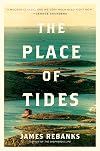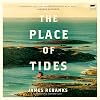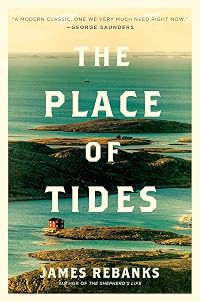
The Place of Tides
by James Rebanks
On This Page
Description
"The Place of Tides feels like, not only a modern classic, but one we very much need right now." -George Saunders From perhaps the preeminent nature writer of our time and the acclaimed author of Pastoral Song and The Shepherd's Life, a magical work of nonfiction in which James Rebanks reflects on a life-changing summer spent on a remote island off the coast of Norway, where his only companion was an old woman who practiced the ancient tradition of collecting eiderdown from birds that nest show more on this remarkable landscape each year. We are all in need of lights to follow. One afternoon many years ago, James Rebanks met an old woman on a remote Norwegian island. She lived and worked alone on a tiny rocky outcrop, caring for wild Eider ducks and gathering their down. Hers was a centuries-old trade that had once made men and women rich but had long been in decline. Still, somehow, she seemed to be hanging on. Back at home, Rebanks couldn't stop thinking about the woman on the rocks. She was fierce and otherworldly-and yet strangely familiar. Years passed. Then, one day, he wrote her a letter, asking if he could return. Bring work clothes, she replied, and good boots, and come quickly: her health was failing. And so he travelled to the edge of the Arctic to witness her last season on the island. This is the story of that season. It is the story of a unique and ancient landscape, and of the woman who brought it back to life. It traces the pattern of her work from the rough, isolated toil of bitter winter to the elation of the endless summer light, when the birds leave behind their precious down for gathering, like feathered gold. Slowly, Rebanks begins to understand that this woman and her world are not what he had previously thought. What began as a journey of escape becomes an extraordinary lesson in self-knowledge and forgiveness. show lessTags
Recommendations

























Member Reviews
Rating: 3.5* of five
The Publisher Says: We are all in need of lights to follow.
One afternoon many years ago, James Rebanks met an old woman on a remote Norwegian island. She lived and worked alone on a tiny rocky outcrop, caring for wild Eider ducks and gathering their down. Hers was a centuries-old trade that had once made men and women rich, but had long been in decline. Still, somehow, she seemed to be hanging on.
Back at home, Rebanks couldn’t stop thinking about the woman on the rocks. She was fierce and otherworldly—and yet strangely familiar. Years passed. Then, one day, he wrote her a letter, asking if he could return. Bring work clothes, she replied, and good boots, and come her health was failing. And so he travelled to the show more edge of the Arctic to witness her last season on the island.
This is the story of that season. It is the story of a unique and ancient landscape, and of the woman who brought it back to life. It traces the pattern of her work from the rough, isolated toil of bitter winter, building little wooden huts that will protect the ducks come spring; to the elation of the endless summer light, when the birds leave behind their precious down for the woman to gather, like feathered gold.
Slowly, Rebanks begins to understand that this woman and her world are not at all what he had previously thought. As the weeks pass, what began as a journey of escape becomes an extraordinary lesson in self-knowledge and forgiveness.
I RECEIVED A DRC FROM THE PUBLISHER VIA NETGALLEY. THANK YOU.
My Review: Author Rebanks, "an expert advisor to UNESCO on sustainable tourism", tells us an amazingly convenient story of going to learn the old folk ways of Anna, an elder who has made her life as far away from others as she can get; has devoted herself to maintaining a lifeway that, should any significant number of just this book's readers attempt to emulate would result in environmental devastation; but which fuels the itchy sense the world is enshittifying everything worthwhile without offering any remotely practicable solution to that real and accurate feeling.
I admit I'm a grouch, an also am in existential crisis about the world's horrifying trajectory. This book's pretty, nicely turned and selected sentences, all supporting a beautiful fantasy of life utterly in harmony with nature, are NOT A HELPFUL HOW-TO. They should not be read as anything inspiring you to reproduce the actions the author took. Inspiring you to look into ways to work with local nature-preserving groups? Absolutely. Don't think it's going to be like the author's time with Anna.
There are not a lot of ways to experience the thrill of being able to immerse yourself in unmediated nature. The author does it as long as it suits him, and his emotional needs. Then he returns to his 21st-century life. That's a whole huge pile of unexamined privilege there, sir. The majority of us can't find an Anna, still less go spend a lot of time not doing what people with lives and families must. After all, that was what drove you to seek Anna out.
As lessons go, this one is hard to fault. It applies to all people everywhere. If your pretty sentences do good for the world, this is the good they do. It was, however, a lot more like a very good Longreads piece instead of a resource-heavy printed book; hence my mingy rating.
Just don't think it's going to look like an isolated life in a beautiful Arctic setting. See the message not the movie, and set out to make a small, undramatic difference wherever you are, however you can. show less
The Publisher Says: We are all in need of lights to follow.
One afternoon many years ago, James Rebanks met an old woman on a remote Norwegian island. She lived and worked alone on a tiny rocky outcrop, caring for wild Eider ducks and gathering their down. Hers was a centuries-old trade that had once made men and women rich, but had long been in decline. Still, somehow, she seemed to be hanging on.
Back at home, Rebanks couldn’t stop thinking about the woman on the rocks. She was fierce and otherworldly—and yet strangely familiar. Years passed. Then, one day, he wrote her a letter, asking if he could return. Bring work clothes, she replied, and good boots, and come her health was failing. And so he travelled to the show more edge of the Arctic to witness her last season on the island.
This is the story of that season. It is the story of a unique and ancient landscape, and of the woman who brought it back to life. It traces the pattern of her work from the rough, isolated toil of bitter winter, building little wooden huts that will protect the ducks come spring; to the elation of the endless summer light, when the birds leave behind their precious down for the woman to gather, like feathered gold.
Slowly, Rebanks begins to understand that this woman and her world are not at all what he had previously thought. As the weeks pass, what began as a journey of escape becomes an extraordinary lesson in self-knowledge and forgiveness.
I RECEIVED A DRC FROM THE PUBLISHER VIA NETGALLEY. THANK YOU.
My Review: Author Rebanks, "an expert advisor to UNESCO on sustainable tourism", tells us an amazingly convenient story of going to learn the old folk ways of Anna, an elder who has made her life as far away from others as she can get; has devoted herself to maintaining a lifeway that, should any significant number of just this book's readers attempt to emulate would result in environmental devastation; but which fuels the itchy sense the world is enshittifying everything worthwhile without offering any remotely practicable solution to that real and accurate feeling.
I admit I'm a grouch, an also am in existential crisis about the world's horrifying trajectory. This book's pretty, nicely turned and selected sentences, all supporting a beautiful fantasy of life utterly in harmony with nature, are NOT A HELPFUL HOW-TO. They should not be read as anything inspiring you to reproduce the actions the author took. Inspiring you to look into ways to work with local nature-preserving groups? Absolutely. Don't think it's going to be like the author's time with Anna.
There are not a lot of ways to experience the thrill of being able to immerse yourself in unmediated nature. The author does it as long as it suits him, and his emotional needs. Then he returns to his 21st-century life. That's a whole huge pile of unexamined privilege there, sir. The majority of us can't find an Anna, still less go spend a lot of time not doing what people with lives and families must. After all, that was what drove you to seek Anna out.
“Anna’s example was simple: if we are to save the world, we have to start somewhere. We just have to do one damn thing after another. Hers was a small kind of heroism, but it was the most powerful kind. The kind that saves us. We all have to go to work in our own communities, in our own landscapes. We have to show up day in, day out, for years and years, doing the work. There will be no brass band, no parade. And we have to accept and keep the faith in each other, and somehow work together. It is the only way we can make our own tiny deeds add up to become the change we all need.”
As lessons go, this one is hard to fault. It applies to all people everywhere. If your pretty sentences do good for the world, this is the good they do. It was, however, a lot more like a very good Longreads piece instead of a resource-heavy printed book; hence my mingy rating.
Just don't think it's going to look like an isolated life in a beautiful Arctic setting. See the message not the movie, and set out to make a small, undramatic difference wherever you are, however you can. show less
James Rebanks, the Herdy Shepherd, spends 10 weeks on a remote island off northern Norway at a UNESCO Heritage site to help a 70 year old woman carry on the tradition of helping eider ducks to nest and gather their down. This dying practice was once a mainstay for these remote islands but time, climate change, and sociological changes are squeezing out this labor intensive occupation.
It is a meditation on the traditional values vs. a modern overly capitalist approach to how we live. And it is a plea for all of us to stop and observe our natural surroundings and assess the harm that our life styles are inflicting on our world.
It is a meditation on the traditional values vs. a modern overly capitalist approach to how we live. And it is a plea for all of us to stop and observe our natural surroundings and assess the harm that our life styles are inflicting on our world.
This is the third book of James Rebanks that I have read and I have really liked them all. They are part memoir, part nature, part ecology concerns, part personal observation and takes you to places not otherwise explored. This is to the remote islands off the coast of Norway where eider is collected from ducks in the old fashioned way and by observing the people who are committed to doing so. Rebanks captures the emotion of making personal changes in a different environment and he very capably describes the beauty of these remote islands and his working relationships with the women who make this story happen.
I was very taken by Rebanks' 'The Shepherd's Life', a book as to his schooling and later early years taking up a farming life in the Lake District, just like his father and grandfather before him, albeit against the threat of those who saw no merit in the 'old ways'. Later Rebanks also consulted world wide as to how to retain historical farming and agricultural practices.
The Place of Tides tells of Rebanks first brief encounter with a centuries old practice on remote Norwegian island (on the edge of the Artic) where migrating Eider ducks are managed for an annual harvesting of the ducks magnificent eider down feathers (rest assured the ducks moult...no ducks are harmed in the process: indeed they are looked after in the hope there will show more return the following year to start over again.
Rebanks returns to the islands some years later to work with the elderly Anna on those remote island on what turns out to be her last season. The work is becoming too harsh for her. It is an extremely moving time for her, given that many years previously she had worked tirelessly to resurrect the practice after the remote islands had been allowed to deteriorate, with adverse impacts for the ducks themselves.
There is no certainty that if this is indeed Anna's last season whether anyone will step into the breach to continue the practice.
Under Anna's guidance Rebanks spends time working, rebuilding nests and other structures, cleaning out structures and making them as attractive as possible for the (hopefully) returning Eider ducks. Subsequently he helps Anna and another helper in the tedious tasks of collecting, cleaning and carding the down.
Rebanks learns al lot about all of this but also as to the importance of family, resilience, continuity and the impact of the modern world on traditional practices.
Whilst this book did not touch me as my as his earlier book, I nevertheless enjoyed very much learning about a world I did notknow existed, and as to Rebanks' own musings as what it meant to him as someone who was himself trying to continue his own traditional farming endeavours, though in the face of a changing world.
Big Ship
14 January 2025 show less
The Place of Tides tells of Rebanks first brief encounter with a centuries old practice on remote Norwegian island (on the edge of the Artic) where migrating Eider ducks are managed for an annual harvesting of the ducks magnificent eider down feathers (rest assured the ducks moult...no ducks are harmed in the process: indeed they are looked after in the hope there will show more return the following year to start over again.
Rebanks returns to the islands some years later to work with the elderly Anna on those remote island on what turns out to be her last season. The work is becoming too harsh for her. It is an extremely moving time for her, given that many years previously she had worked tirelessly to resurrect the practice after the remote islands had been allowed to deteriorate, with adverse impacts for the ducks themselves.
There is no certainty that if this is indeed Anna's last season whether anyone will step into the breach to continue the practice.
Under Anna's guidance Rebanks spends time working, rebuilding nests and other structures, cleaning out structures and making them as attractive as possible for the (hopefully) returning Eider ducks. Subsequently he helps Anna and another helper in the tedious tasks of collecting, cleaning and carding the down.
Rebanks learns al lot about all of this but also as to the importance of family, resilience, continuity and the impact of the modern world on traditional practices.
Whilst this book did not touch me as my as his earlier book, I nevertheless enjoyed very much learning about a world I did notknow existed, and as to Rebanks' own musings as what it meant to him as someone who was himself trying to continue his own traditional farming endeavours, though in the face of a changing world.
Big Ship
14 January 2025 show less
The Place of Tides is written by James Rebanks.
James Rebanks is a farmer based in the Lake District in northwestern England, where his family has lived and worked for more than 600 years.
He is an accomplished author - with lyrical and atmospheric writing, passionate about his land and its history, his work as a shepherd, farmer and caretaker of his ancient landscape.
I have read all of his books and they are in places of honor on my bookshelves. I refer to them often.
Mr. Rebanks traveled to Norway and met an older woman on a remote Norwegian island. She lived and worked alone on a tiny island caring for wild eider ducks and gathering their down. A centuries-old trade presently in decline. Years later he traveled back to the island, to show more the edge of the Arctic to witness her last season on the island.
This book, The Place of Tides, is the story of that season.
His journey began as an escape from his busy life and ended in a lesson of emotional self-discovery.
A beautifully written book, so many pages are dog-eared and returned to, over and over again.
p. 149 “Anna reminded me that the first rule of living is to live. To see, hear, smell, touch and taste the world. The more I tuned in, the closer Anna and I were growing as friends. I was beginning a journey back to the person I had once been - and needed to be again.”
Five Magical Stars ***** show less
James Rebanks is a farmer based in the Lake District in northwestern England, where his family has lived and worked for more than 600 years.
He is an accomplished author - with lyrical and atmospheric writing, passionate about his land and its history, his work as a shepherd, farmer and caretaker of his ancient landscape.
I have read all of his books and they are in places of honor on my bookshelves. I refer to them often.
Mr. Rebanks traveled to Norway and met an older woman on a remote Norwegian island. She lived and worked alone on a tiny island caring for wild eider ducks and gathering their down. A centuries-old trade presently in decline. Years later he traveled back to the island, to show more the edge of the Arctic to witness her last season on the island.
This book, The Place of Tides, is the story of that season.
His journey began as an escape from his busy life and ended in a lesson of emotional self-discovery.
A beautifully written book, so many pages are dog-eared and returned to, over and over again.
p. 149 “Anna reminded me that the first rule of living is to live. To see, hear, smell, touch and taste the world. The more I tuned in, the closer Anna and I were growing as friends. I was beginning a journey back to the person I had once been - and needed to be again.”
Five Magical Stars ***** show less
This is the third Rebanks book I've read and I enjoyed it as much as the others. He took a chance to live on a duck station island on the Atlantic coast on Norway in an effort to see how people carve out these perfect, isolated lives. Rebanks realizes that this view is a fantasy and that he's missing out on the bigger picture.
The anecdotal storytelling is thoughtful and each chapter brought new insight from the quiet lives of the duck women.
The anecdotal storytelling is thoughtful and each chapter brought new insight from the quiet lives of the duck women.
Wonderful book of altruism at its finest . . .
Members
- Recently Added By
Lists

History
37 works; 1 member
Author Information

7 Works 2,199 Members
Awards and Honors
Common Knowledge
- Original publication date
- 2024-10-17
Classifications
Statistics
- Members
- 295
- Popularity
- 108,825
- Reviews
- 9
- Rating
- (4.21)
- Languages
- English, German, Norwegian (Bokmål)
- Media
- Paper, Audiobook, Ebook
- ISBNs
- 13
- ASINs
- 4