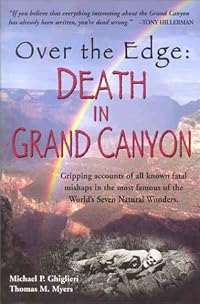
Over the Edge: Death in Grand Canyon
by Michael P. Ghiglieri, Thomas M. Myers
On This Page
Description
Gripping accounts of all known fatal mishaps in the most famous of the World's Natural Wonders.Tags
Recommendations






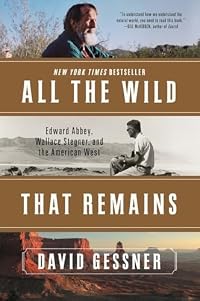

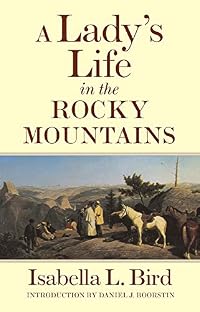
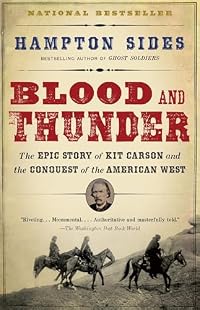
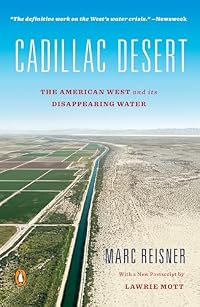
Member Recommendations
Member Reviews
Are you morbid, and also enjoy the outdoors?
You'll absolutely adore this book!
Over the Edge: Death In Grand Canyon reads like an outdoorsy-death-lover's delight! This book honors the names of more deceased than Forest Lawn. In fact, The Grand Canyon may as well be a Forest Lawn Cemetery, since almost one thousand folks have died there. And we're not just talking good old fashioned everyday death by falling, slipping, or tripping over the edge of The Grand Canyon, either. Oh no, there's plenty of other exciting (and more creative) means of dying documented in The Grand Canyon too. Because the great Grand Canyon's no one trick mule ride when it comes to death and dying.
Like, for instance, death-by-not-setting-your-parking brake. Remember show more Thelma & Louise; how at the end of the movie the two heroines linked hands and Thelma, I believe it was, floored the gas and launched their convertible into The Grand Canyon? Well, imagine Thelma and Louise, rather than flooring the gas, instead simply not setting the parking brake after parking their car at the very edge of the Grand Canyon; and imagine next that they've exited their convertible to enjoy the sublime Grand Canyon view, but lo and behold, they've forgotten - dipshits - about their kids in the back seat!
And now, finally imagine the parking brake fails, and Thelma and Louise, mere feet from the car, but too shocked to shout for help (as if there were time for help anyway), watch with a mixture of paralyzed horror and disbelief as their little children buckled snug in their carseats begin rolling fatefully forward toward the yawning edge of The Grand Canyon, closer, closer, until...finally...the front wheels leave the earth, and a moment later, Thelma and Louise see their children alive for the last time as the car enters the air of the unforgiving chasm and plummets, plummets...crash. Explosion. Burn. Quite compelling (if not grotesquely gratuitous) outdoor reading! How would you have liked to have been those parents, all jazzed and excited on your family vacation upon having finally arrived at The Canyon, and in a flash, bye bye babies, forever?
Or, like death-by-diving-into-an-18-inch-pool of water! From 180 feet up off of a sputtering waterfall! Ouch.
Of course, one should never glibly (and never gleefully) relay these tragic tales of untimely demise one reads about in a book that tallys every death (and near death) in detail, during The Grand Canyon's "civilized" history, since that would be distasteful, disrespectul, and certainly insensitive to the memories of the poor victims and their loved ones left behind.
But, good God, how fricking stupid do some of these nincompoops have to be to find their names, dates of birth and death, itemized in the pages of an unputdownable tasty entertaining treat titled Over the Edge: Death In Grand Canyon? Some of these people are so naive and ill-prepared for a walk down the block (let alone for a backpack into The Canyon) that I couldn't help almost rooting against them and hoping they would in fact meet their maker and not be rescued. And let me tell you how disappointed I was in reading the harrowing accounts of people who indeed survived their stupendous stupidity!
Look, helicopter sightseeing disasters caused by The Canyon's unpredicatble wind shears will occur, or whitewater rafting accidents in the Colorado River's world class rapids, or flash floods, airline collisions over the Canyon, murder (including one serial killer victim), lightning strikes, rattlesnake bites, spooked mules roped-together going one-by-one, like doomed dominoes, off the precipitous, narrow South Rim Bight Angel Trail over the edge (along with their terrified human riders) - I can live with that kind of arbitrary, absolutely-nothing-you-can-do-about-it, death. That's Death that Fate dictated, or Destiny decided, and left you out of its existential equations.
But dying from heat stroke or heat exhaustion - dehydration - because you thought three pints of water per person for a three day backpack in July, when temperatures in the Inner Canyon regularly soar over 110 degrees (and that's 110 degrees in the shade) would be enough water both to drink and to cook with? - is it wrong to suggest such foolhardy imbeciles had it coming to them?
Maybe next time some of these misinformed morons (assuming they've survived) will remember the importance of always securing their parking brakes before putting the Chrysler or Chevy Nova into park. Especially if they're foolish enough to park the car at the very precipice of The Canyon. And maybe too they'll check how deep the water is before dying (I mean diving). Hope so. Because The Grand Canyon's a national park, People, not a national morgue. show less
You'll absolutely adore this book!
Over the Edge: Death In Grand Canyon reads like an outdoorsy-death-lover's delight! This book honors the names of more deceased than Forest Lawn. In fact, The Grand Canyon may as well be a Forest Lawn Cemetery, since almost one thousand folks have died there. And we're not just talking good old fashioned everyday death by falling, slipping, or tripping over the edge of The Grand Canyon, either. Oh no, there's plenty of other exciting (and more creative) means of dying documented in The Grand Canyon too. Because the great Grand Canyon's no one trick mule ride when it comes to death and dying.
Like, for instance, death-by-not-setting-your-parking brake. Remember show more Thelma & Louise; how at the end of the movie the two heroines linked hands and Thelma, I believe it was, floored the gas and launched their convertible into The Grand Canyon? Well, imagine Thelma and Louise, rather than flooring the gas, instead simply not setting the parking brake after parking their car at the very edge of the Grand Canyon; and imagine next that they've exited their convertible to enjoy the sublime Grand Canyon view, but lo and behold, they've forgotten - dipshits - about their kids in the back seat!
And now, finally imagine the parking brake fails, and Thelma and Louise, mere feet from the car, but too shocked to shout for help (as if there were time for help anyway), watch with a mixture of paralyzed horror and disbelief as their little children buckled snug in their carseats begin rolling fatefully forward toward the yawning edge of The Grand Canyon, closer, closer, until...finally...the front wheels leave the earth, and a moment later, Thelma and Louise see their children alive for the last time as the car enters the air of the unforgiving chasm and plummets, plummets...crash. Explosion. Burn. Quite compelling (if not grotesquely gratuitous) outdoor reading! How would you have liked to have been those parents, all jazzed and excited on your family vacation upon having finally arrived at The Canyon, and in a flash, bye bye babies, forever?
Or, like death-by-diving-into-an-18-inch-pool of water! From 180 feet up off of a sputtering waterfall! Ouch.
Of course, one should never glibly (and never gleefully) relay these tragic tales of untimely demise one reads about in a book that tallys every death (and near death) in detail, during The Grand Canyon's "civilized" history, since that would be distasteful, disrespectul, and certainly insensitive to the memories of the poor victims and their loved ones left behind.
But, good God, how fricking stupid do some of these nincompoops have to be to find their names, dates of birth and death, itemized in the pages of an unputdownable tasty entertaining treat titled Over the Edge: Death In Grand Canyon? Some of these people are so naive and ill-prepared for a walk down the block (let alone for a backpack into The Canyon) that I couldn't help almost rooting against them and hoping they would in fact meet their maker and not be rescued. And let me tell you how disappointed I was in reading the harrowing accounts of people who indeed survived their stupendous stupidity!
Look, helicopter sightseeing disasters caused by The Canyon's unpredicatble wind shears will occur, or whitewater rafting accidents in the Colorado River's world class rapids, or flash floods, airline collisions over the Canyon, murder (including one serial killer victim), lightning strikes, rattlesnake bites, spooked mules roped-together going one-by-one, like doomed dominoes, off the precipitous, narrow South Rim Bight Angel Trail over the edge (along with their terrified human riders) - I can live with that kind of arbitrary, absolutely-nothing-you-can-do-about-it, death. That's Death that Fate dictated, or Destiny decided, and left you out of its existential equations.
But dying from heat stroke or heat exhaustion - dehydration - because you thought three pints of water per person for a three day backpack in July, when temperatures in the Inner Canyon regularly soar over 110 degrees (and that's 110 degrees in the shade) would be enough water both to drink and to cook with? - is it wrong to suggest such foolhardy imbeciles had it coming to them?
Maybe next time some of these misinformed morons (assuming they've survived) will remember the importance of always securing their parking brakes before putting the Chrysler or Chevy Nova into park. Especially if they're foolish enough to park the car at the very precipice of The Canyon. And maybe too they'll check how deep the water is before dying (I mean diving). Hope so. Because The Grand Canyon's a national park, People, not a national morgue. show less
The book was far less morbid than I feared. It recounts all the ways people have died in the Grand Canyon, with an eye toward learning from their fatal mistakes. Apparently many people wrongly believe that the Grand Canyon has been made "safe" because otherwise the general public wouldn't be allowed to sight-see/hike/raft there. This belief persuades them to do unsafe things, such as ignore guard rails and warning signs. I guess that's predictable . . . but other lessons in the book were less so. For example, being in great shape can be a risk factor, because you think, "The sign says don't swim, but I'm an excellent swimmer!" or "My guide says watch your step, but I have excellent balance" and then get yourself into trouble. And people show more who are skilled mountain climbers get into trouble because canyoneering is very different from mountaineering. The book ends with lists of things to do and things to pack to stay safe.
In addition to the stories of death (some of them heartbreaking), you'll also read about inspiring rescues and intriguing historical mysteries. You will probably be less eager to sight-see by air, though, or at least I was. Personally, I'm glad I read the book after I visited the Grand Canyon because I would have been a little more freaked out (I have kids the same age as some in the book) on my visit if I'd read the book first. If all you do is take a bus tour around the rim, as I did, maybe read the book after your visit. But if you're planning to hike or ride into the canyon, or go rafting on the Colorado, read the book first. show less
In addition to the stories of death (some of them heartbreaking), you'll also read about inspiring rescues and intriguing historical mysteries. You will probably be less eager to sight-see by air, though, or at least I was. Personally, I'm glad I read the book after I visited the Grand Canyon because I would have been a little more freaked out (I have kids the same age as some in the book) on my visit if I'd read the book first. If all you do is take a bus tour around the rim, as I did, maybe read the book after your visit. But if you're planning to hike or ride into the canyon, or go rafting on the Colorado, read the book first. show less
OK, I’ll admit it: I bought this book in a bookshop in Grand Canyon Village on the South Rim, which I’d stopped into to warm up for a moment, when the proprietor told me that it was their best seller. It’s a 550 page chronicle of all (literally all) the known deaths that have occurred in the Grand Canyon National Park, from causes ranging from falls from the rim, to dehydration on the hiking trails, to accidents while rafting the Colorado River, to mid-air collisions of planes. My “favorite” is the tourist who wanted to get a photo of his hotel, which overlooked the canyon, and so walked backwards while taking pictures, right over the edge into the canyon!
The book tries to justify itself by drawing conclusions that will lead show more to fewer deaths in the park. One example: it’s very risky to hike alone. Well, duh! And another: the major risk factor for death in the Grand Canyon is being male and between the ages of 20 and 30. But really all that is beside the point. You read this book, especially while you’re actually at the Grand Canyon, for the same reason that you watch detective shows on television: to get a glimpse of the really awful things that you’ve managed to avoid.
(Aside: I have the “Newly Expanded 10th Anniversary Edition,” which was written because, in the decade since the original writing” about 100 more people have perished within Grand Canyon, some of them in ways new and unique, others in ways old but still tragic.”) show less
The book tries to justify itself by drawing conclusions that will lead show more to fewer deaths in the park. One example: it’s very risky to hike alone. Well, duh! And another: the major risk factor for death in the Grand Canyon is being male and between the ages of 20 and 30. But really all that is beside the point. You read this book, especially while you’re actually at the Grand Canyon, for the same reason that you watch detective shows on television: to get a glimpse of the really awful things that you’ve managed to avoid.
(Aside: I have the “Newly Expanded 10th Anniversary Edition,” which was written because, in the decade since the original writing” about 100 more people have perished within Grand Canyon, some of them in ways new and unique, others in ways old but still tragic.”) show less
I was a little bit disappointed by Michael Ghilglieri's book "Over the Edge: Death in Grand Canyon," mostly because my expectations were different for the book. I envisioned it something more like "Not Without Peril" -- a fantastic book that recounts deaths and near-deaths in the White Mountains of New Hampshire.
"Over the Edge" is a much drier book -- fitting, I suppose, since most of the deaths have a dehydration component -- for the most part, falls, dehydration and heart attacks (often caused by a combination of all three things) are responsible for the deaths in the canyon.
There was a bit of a snarky tone at times, which bugged me. Yes, these people may have made bad decisions but they paid the ultimate price and have families show more they left behind, it doesn't hurt to be kinder about things. I actually preferred reading the chapter summaries with the listing of deaths that fit in the chapter's category.
All that said, there were some really interesting stories sprinkled in with all the statistics that were pretty engaging. This really wasn't a bad book -- it just wasn't exactly what I expected. show less
"Over the Edge" is a much drier book -- fitting, I suppose, since most of the deaths have a dehydration component -- for the most part, falls, dehydration and heart attacks (often caused by a combination of all three things) are responsible for the deaths in the canyon.
There was a bit of a snarky tone at times, which bugged me. Yes, these people may have made bad decisions but they paid the ultimate price and have families show more they left behind, it doesn't hurt to be kinder about things. I actually preferred reading the chapter summaries with the listing of deaths that fit in the chapter's category.
All that said, there were some really interesting stories sprinkled in with all the statistics that were pretty engaging. This really wasn't a bad book -- it just wasn't exactly what I expected. show less
Having just visited the Grand Canyon, I was very interested in reading this book, which I took out of the library when I got home. I witnessed in person the foolhardy actions of tourists going way too close to the edge while taking pictures or just tempting fate perhaps to peek over the edge to see the massive drop off. It is truly frightening to see how easy it would be to fall over the edge, and many people have done just that, whether by accident or on purpose. The book chronicles every known death in the Grand Canyon in grisly detail, divided into chapters for the various causes of such deaths. I found it to be a fascinating and absorbing account, but the book is very long (500+ pages), and some of the sections would have benefited show more by some editing. show less
Accounts of the surprising number of different ways people can demonstrate natural selection in action. Although the title implies falling off the edge is the principal means of winning the Darwin award at Grand Canyon National Park, the actual winner is sightseeing flights (this includes the 1956 midair collision between TWA Flight 2 and United Flight 718; although these were both regular scheduled flights both pilots deviated from their flight plans to give their passengers a view of the canyon). That doesn’t mean, of course, that people don’t fall, jump, or get pushed off the edge in abundance. They also die of exposure, flash flood, river running, lightning strikes, and rock falls. A few a people who did everything right but show more just had bad luck, but the majority found that stupidity really does get punished sooner or later (especially stupidity plus alcohol).
The exposure deaths interested me, because of authors Michael Ghiglieri and Thomas Myers description of the Grand Canyon as an “inverted mountain”. Climbing a mountain you may eventually realize “Whoa. This is too much for me”, turn around, and it’s all downhill from there (this doesn’t mean that people haven’t died on the way down, of course). However, if you get halfway down the Grand Canyon and decide to give up, you’re in a world of hurt. It’s 120° F, you’ve run out of water, and it will just get hotter if you keep going down but you’re now too exhausted to climb back up. One of the nastiest events was the 1996 death of a Boy Scout from heat stroke on a group hike. The group leader had taken the boys on an unmapped route he claimed to have hiked before. Some years later, an unpublished manuscript written by the Scout leader’s son was discovered; it detailed a hike by a Scout group which became lost and wandered around the Grand Canyon for hours before rescue. The manuscript was written before the fatal hike; the unstated implication is that the Scout leader deliberately led his group by a dangerous route to get more material. Another tale involves a 25-year-old woman who started out on a solo hike too late in the day with inadequate water, lost her backpack, lost her way, and eventually ended up in a dead-end canyon. She survived for 17 days on slow drip from spring, found and broke and old whiskey bottle that would have enabled her to store enough water to get back on the main trail, failed to light a signal fire despite having matches, and was eventually found by a Supai Indian who noticed a single footprint “where no footprint should have been”. She became a celebrity and appeared on TV (she lost 25 pounds, although I suspect she would not recommend this as a weight-loss regimen). Only in America.
The authors generally let the stories tell themselves (author Myers was an emergency physician on duty at the Grand Canyon for years and thus can sometimes recount his personal experiences with accident victims). They do a pretty good job of tiptoeing around the edge of calling some of the victims and near victims bonehead stupid without actually doing so. There are decent maps, but no photographs – a few pictures of smashed bodies or what you look like after spending several weeks in the Colorado River might be ghoulish, but would also get the point across. Organized into chapters by type of death; there’s an appendix at the end of each chapter with all known fatalities whether they are mentioned in the main text or not. Fun to have the family read before a trip to the canyon. show less
The exposure deaths interested me, because of authors Michael Ghiglieri and Thomas Myers description of the Grand Canyon as an “inverted mountain”. Climbing a mountain you may eventually realize “Whoa. This is too much for me”, turn around, and it’s all downhill from there (this doesn’t mean that people haven’t died on the way down, of course). However, if you get halfway down the Grand Canyon and decide to give up, you’re in a world of hurt. It’s 120° F, you’ve run out of water, and it will just get hotter if you keep going down but you’re now too exhausted to climb back up. One of the nastiest events was the 1996 death of a Boy Scout from heat stroke on a group hike. The group leader had taken the boys on an unmapped route he claimed to have hiked before. Some years later, an unpublished manuscript written by the Scout leader’s son was discovered; it detailed a hike by a Scout group which became lost and wandered around the Grand Canyon for hours before rescue. The manuscript was written before the fatal hike; the unstated implication is that the Scout leader deliberately led his group by a dangerous route to get more material. Another tale involves a 25-year-old woman who started out on a solo hike too late in the day with inadequate water, lost her backpack, lost her way, and eventually ended up in a dead-end canyon. She survived for 17 days on slow drip from spring, found and broke and old whiskey bottle that would have enabled her to store enough water to get back on the main trail, failed to light a signal fire despite having matches, and was eventually found by a Supai Indian who noticed a single footprint “where no footprint should have been”. She became a celebrity and appeared on TV (she lost 25 pounds, although I suspect she would not recommend this as a weight-loss regimen). Only in America.
The authors generally let the stories tell themselves (author Myers was an emergency physician on duty at the Grand Canyon for years and thus can sometimes recount his personal experiences with accident victims). They do a pretty good job of tiptoeing around the edge of calling some of the victims and near victims bonehead stupid without actually doing so. There are decent maps, but no photographs – a few pictures of smashed bodies or what you look like after spending several weeks in the Colorado River might be ghoulish, but would also get the point across. Organized into chapters by type of death; there’s an appendix at the end of each chapter with all known fatalities whether they are mentioned in the main text or not. Fun to have the family read before a trip to the canyon. show less
While the topic of this book might seem morbid, it really is a fascinating and instructive set of essays on human behavior. Well-researched and engaging, this revised and updated edition recounts stories of what most often amount to tragic tales of sheer human stupidity.
What really resonates most strongly is the authors' desire to communicate that the Grand Canyon is not some man-made, man-controlled theme park, but instead a heartbreakingly beautiful and very dangerous natural phenomenon, to be treated with reverence and caution.
The final chapter on murder reads like a historical thriller, unearthing mysteries that have been embedded in the canyon for over a hundred years. But the authors never rely on sensationalism. Instead, they show more share eyewitness accounts and solid research that reveal many secrets of the canyon, only to show that there are many more buried below. show less
What really resonates most strongly is the authors' desire to communicate that the Grand Canyon is not some man-made, man-controlled theme park, but instead a heartbreakingly beautiful and very dangerous natural phenomenon, to be treated with reverence and caution.
The final chapter on murder reads like a historical thriller, unearthing mysteries that have been embedded in the canyon for over a hundred years. But the authors never rely on sensationalism. Instead, they show more share eyewitness accounts and solid research that reveal many secrets of the canyon, only to show that there are many more buried below. show less
Members
- Recently Added By
Lists

True Crime
216 works; 16 members
Author Information

7 Works 948 Members
4 Works 691 Members
Awards and Honors
Awards
Common Knowledge
- Original publication date
- 2001
- People/Characters
- Glen Hyde; Bessie Hyde
- Important places
- Grand Canyon, Arizona, USA
- Epigraph
- For want of a nail, the shoe was lost.
For want of a shoe, the horse was lost.
For want of a horse, the general was lost.
For want of a general, the battle was lost.
For want of the battle, the war was lost. - Dedication
- For the millions who come to Grand Canyon in the future, that they each may walk away enriched - and in one piece.
And also in recognition of each member of every search and rescue team from Arizona and Utah and Nevada... (show all) and of every guide, companion, and Good Samaritan who has risked his or her own life to save those of us who otherwise never would have walked away at all. - First words
- "How many people die here each year?"
- Last words
- (Click to show. Warning: May contain spoilers.)Forewarned enough, perhaps we and our vanishing wilderness will both survive.
Classifications
- Genres
- Nonfiction, Travel, General Nonfiction, Sports and Leisure, Science & Nature
- DDC/MDS
- 979.133 — History & geography History of North America Great Basin and Pacific Slope region of United States Arizona Northern Arizona Coconino County
- LCC
- F788 .G46 — Local History of the United States, Canada and Latin America United States local history New Southwest. Colorado River, Canyon, and Valley
Statistics
- Members
- 684
- Popularity
- 41,641
- Reviews
- 25
- Rating
- (3.87)
- Languages
- English
- Media
- Paper, Ebook
- ISBNs
- 4
- ASINs
- 1