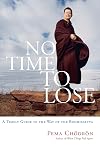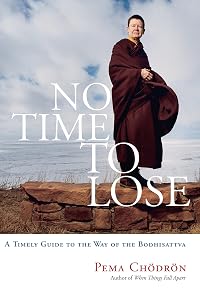
No Time to Lose: A Timely Guide to the Way of the Bodhisattva
by Pema Chödrön
On This Page
Description
Over the years, Pema Chödrön's books have offered readers an exciting new way of living: developing fearlessness, generosity, and compassion in all aspects of their lives. In this new book, she invites readers to venture further along the path of the "bodhisattva warrior," explaining in depth how we can awaken the softness of our hearts and develop true confidence amid the challenges of daily living. In No Time to Lose Chödrön reveals the traditional Buddhist teachings that guide her own show more life: those of The Way of the Bodhisattva ( Bodhicharyavatara), a text written by the eighth-century sage Shantideva. This treasured Buddhist work is remarkably relevant for our times, describing the steps we can take to cultivate courage, caring, and joy--the key to healing ourselves and our troubled world. Chödrön offers us a highly practical and engaging commentary on this essential text, explaining how its profound teachings can be applied to our daily lives. Full of illuminating stories and practical exercises, this fresh and accessible guide shows us that the path of the bodhisattva is open to each and every one of us. Pema Chödrön urges us to embark on this transformative path today, writing, "There is no time to lose--but not to worry, we can do it." show lessTags
Recommendations







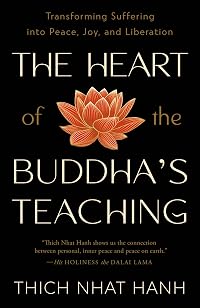

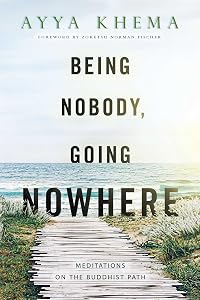
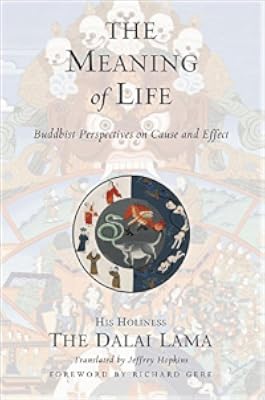
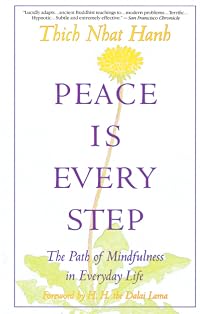
Member Reviews
This isn't a book I feel I'll ever 'finish', per se. It's a book that Buddhists and aspiring Bodhisattvas can return to time and time again for wisdom and inspiration. Ani Pema Chodron dissects Shantideva's cherished "The Way of the Bodhisattva". Shantideva's classic is written in verse, as a personal meditation, outlining the path of the Bodhisattvas—those who renounce the peace of individual enlightenment and vow to work for the liberation of all beings and to attain buddhahood for their sake. (I paraphrased that description from the book jacket of the original edition).
Pema Chodron takes each verse and breaks it down for us modern-day readers and practitioners. She puts it in less poetic, more relatable language so we have a more show more accessible relationship with the text, as well as the path itself.
There's a lot packed into the book, and thus, I foresee it being a book I reference frequently, perhaps reading sections of it again the way one might read the Bible over a year's time, sort of a devotional. But I wanted to make it through the book once before I dug into it on the level I need to to truly appreciate it. I look forward to a long relationship with these teachings. show less
Pema Chodron takes each verse and breaks it down for us modern-day readers and practitioners. She puts it in less poetic, more relatable language so we have a more show more accessible relationship with the text, as well as the path itself.
There's a lot packed into the book, and thus, I foresee it being a book I reference frequently, perhaps reading sections of it again the way one might read the Bible over a year's time, sort of a devotional. But I wanted to make it through the book once before I dug into it on the level I need to to truly appreciate it. I look forward to a long relationship with these teachings. show less
Over the years, Pema Chödrön's books have offered readers an exciting new way of living: developing fearlessness, generosity, and compassion in all aspects of their lives. In this new book, she invites readers to venture further along the path of the "bodhisattva warrior," explaining in depth how we can awaken the softness of our hearts and develop true confidence amid the challenges of daily living.
In No Time to Lose Chödrön reveals the traditional Buddhist teachings that guide her own life: those of The Way of the Bodhisattva ( Bodhicharyavatara), a text written by the eighth-century sage Shantideva. This treasured Buddhist work is remarkably relevant for our times, describing the steps we can take to cultivate courage, caring, show more and joy—the key to healing ourselves and our troubled world. Chödrön offers us a highly practical and engaging commentary on this essential text, explaining how its profound teachings can be applied to our daily lives. show less
In No Time to Lose Chödrön reveals the traditional Buddhist teachings that guide her own life: those of The Way of the Bodhisattva ( Bodhicharyavatara), a text written by the eighth-century sage Shantideva. This treasured Buddhist work is remarkably relevant for our times, describing the steps we can take to cultivate courage, caring, show more and joy—the key to healing ourselves and our troubled world. Chödrön offers us a highly practical and engaging commentary on this essential text, explaining how its profound teachings can be applied to our daily lives. show less
Library Journal
In Mahayana Buddhism, Bodhisattvas are those who vow to achieve personal enlightenment solely for the purpose of eliminating the suffering of all sentient beings before they themselves abandon the painful cycle of death and rebirth. To help guide these seekers on their spiritual paths, the eighth-century Indian sage Shantideva composed the Buddhist text Bodhicaryavatara, or The Way of the Bodhisattva, today considered one of the classics of all religious literature. Ch?dr?n (The Places That Scare You), an American Buddhist teacher in the lineage of Chogyam Trungpa, gives general readers as well as serious students an easily understood explication of The Way, quatrain by quatrain. Her warm and elegant instruction omits show more only Chapter 9 of The Way, as she feels it would require a book of its own (the Dalai Lama has treated this chapter in his Transcendent Wisdom). Highly recommended for public and academic libraries.-James R. Kuhlman, Univ. of North Carolina at Asheville Lib. (c) Copyright 2010. show less
In Mahayana Buddhism, Bodhisattvas are those who vow to achieve personal enlightenment solely for the purpose of eliminating the suffering of all sentient beings before they themselves abandon the painful cycle of death and rebirth. To help guide these seekers on their spiritual paths, the eighth-century Indian sage Shantideva composed the Buddhist text Bodhicaryavatara, or The Way of the Bodhisattva, today considered one of the classics of all religious literature. Ch?dr?n (The Places That Scare You), an American Buddhist teacher in the lineage of Chogyam Trungpa, gives general readers as well as serious students an easily understood explication of The Way, quatrain by quatrain. Her warm and elegant instruction omits show more only Chapter 9 of The Way, as she feels it would require a book of its own (the Dalai Lama has treated this chapter in his Transcendent Wisdom). Highly recommended for public and academic libraries.-James R. Kuhlman, Univ. of North Carolina at Asheville Lib. (c) Copyright 2010. show less
BODHISATTVAYANA, TIBETSKI BUDIZAM
> Babelio : https://www.babelio.com/livres/Chdrn-Il-ny-a-plus-de-temps-a-perdre/878159
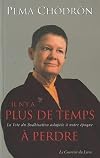
> IL N'Y A PLUS DE TEMPS À PERDRE, La voie du bodhisattva adaptée à notre époque, de Pema Chödrön. — La Voie du Bodhisattva a été écrite en Inde au - XIIIe siècle par Shantideva. Pema Chôdron qui fut disciple de Chôgyam Trungpa commente ce texte bouddhiste qu’elle a longuement médité et sur lequel elle s’appuie souvent dans son enseignement. « Je considère ce texte comme un manuel d’instruction pour apprendre à se consacrer au maximum au bien d’autrui, un guide pour agir avec compassion. On peut le lire pour se libérer des habitudes handicapantes et de 1a confusion ». Le texte de Shantideva se décline en dix chapitres. Les show more trois premiers évoquent l’aspiration à être, à la transformation. « De la même manière que l’on défriche la terre, on prépare le mental ». Les trois chapitres suivant concernent les émotions, notre identification aux manifestations de l’ego et à nos conditionnements. L’« expérience immédiate » est voilée par nos schémas de fonctionnement réactifs. Discipline et patience permettent de nous libérer petit à petit : les « habitudes profondément installées de négativité et d’égoïsme » fondent, se dissolvent sous une vision juste. La progression du texte et des commentaires qui permettent de le placer sous un éclairage contemporain aboutit à un enseignement sur la méditation et la vacuité, traitées dans les derniers chapitres. Pema Chodrôn fait bénéficier ses commentaires de sa grande connaissance de l’humain, de son authentique ouverture du cœur et de sa simplicité. Ed. Le Courrier du Livre, 2011. 368 p.
—3e millénaire, (99), Printemps 2011 show less
> IL N'Y A PLUS DE TEMPS À PERDRE, La voie du bodhisattva adaptée à notre époque, de Pema Chödrön. — La Voie du Bodhisattva a été écrite en Inde au - XIIIe siècle par Shantideva. Pema Chôdron qui fut disciple de Chôgyam Trungpa commente ce texte bouddhiste qu’elle a longuement médité et sur lequel elle s’appuie souvent dans son enseignement. « Je considère ce texte comme un manuel d’instruction pour apprendre à se consacrer au maximum au bien d’autrui, un guide pour agir avec compassion. On peut le lire pour se libérer des habitudes handicapantes et de 1a confusion ». Le texte de Shantideva se décline en dix chapitres. Les show more trois premiers évoquent l’aspiration à être, à la transformation. « De la même manière que l’on défriche la terre, on prépare le mental ». Les trois chapitres suivant concernent les émotions, notre identification aux manifestations de l’ego et à nos conditionnements. L’« expérience immédiate » est voilée par nos schémas de fonctionnement réactifs. Discipline et patience permettent de nous libérer petit à petit : les « habitudes profondément installées de négativité et d’égoïsme » fondent, se dissolvent sous une vision juste. La progression du texte et des commentaires qui permettent de le placer sous un éclairage contemporain aboutit à un enseignement sur la méditation et la vacuité, traitées dans les derniers chapitres. Pema Chodrôn fait bénéficier ses commentaires de sa grande connaissance de l’humain, de son authentique ouverture du cœur et de sa simplicité. Ed. Le Courrier du Livre, 2011. 368 p.
—3e millénaire, (99), Printemps 2011 show less
Apr 1, 2019 (Edited)French
Ratings
Members
- Recently Added By
Lists

Club Read's Recommended Nonfiction Written by Women
618 works; 30 members
Author Information

All Editions
Work Relationships
Common Knowledge
- Original publication date
- 2005
- People/Characters
- Shantideva
Classifications
Statistics
- Members
- 610
- Popularity
- 48,133
- Reviews
- 5
- Rating
- (4.20)
- Languages
- English, French, German, Portuguese
- Media
- Paper, Audiobook, Ebook
- ISBNs
- 9
- ASINs
- 6