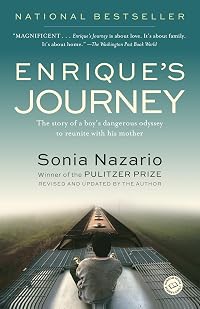
Enrique's Journey: The Story of a Boy's Dangerous Odyssey to Reunite with His Mother
by Sonia Nazario
On This Page
Description
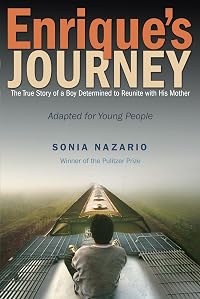
Based on the Los Angeles Times series that won two Pulitzer Prizes, this is a timeless story of families torn apart. When Enrique was five, his mother, too poor to feed her children, left Honduras to work in the United States. The move allowed her to send money back home so Enrique could eat better and go to school past the third grade. She promised she would return quickly, but she struggled in America. Without her, he became lonely and troubled. After eleven years, he decided he would go show more find her. He set off alone, with little more than a slip of paper bearing his mother's North Carolina telephone number. Without money, he made the dangerous trek up the length of Mexico, clinging to the sides and tops of freight trains. He and other migrants, many of them children, are hunted like animals. To evade bandits and authorities, they must jump onto and off the moving boxcars they call the Train of Death. It is an epic journey, one thousands of children make each year to find their mothers in the United States.--From publisher description. show lessTags
Recommendations






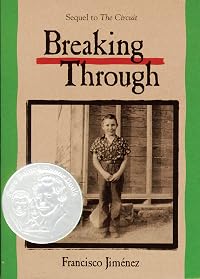





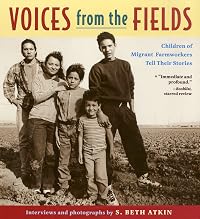
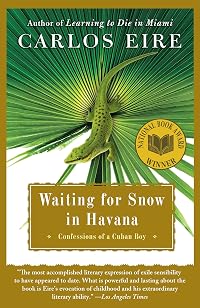
Member Recommendations
Member Reviews
This is a heart-wrenching book that presents a compassionate examination of illegal immigration in the United States. Journalist Sonia Nazario follows the journey of Enrique as he travels from Honduras to the United States to find his mother. Nazaio highlights the fact that a significant number of illegal immigrants are children whose parents left them behind while they enter the U.S. to try and create a better life for their children. Enrique’s family is poor and barely surviving. His mother decides to leave her children behind while she enters the U.S. to find work and send money back to her family. Enrique feels abandoned, develops all kinds of problems, and ultimately travels through Central America in order to enter the U.S. show more illegally to find his mother. The journey is dangerous, many children die or are seriously injured. Nazario gives us background on Enriques hometown in Honduras, the experience of his mother in the U.S. and numerous other characters that Enrique encounters.
The book reads like a newspaper series. It is meticulously researched and Nazario actually takes the journey herself and requires therapy to recover from her experiences (as stated in the introduction). It is a hard read. As a parent, it was a harder read for me. I couldn’t imagine how a mother could leave their children behind. But these women risk death, rape, and incredible hardship for the sake of improving their children’s lives. The book highlights the corruption of authorities in Central America, provides a glimpse into how desperate people take on incredible journeys for an opportunity for a better life for their families, and describes some incredible contrasts between the violence of gangs and police, and the compassionate behavior of some poor communities in Central America. show less
The book reads like a newspaper series. It is meticulously researched and Nazario actually takes the journey herself and requires therapy to recover from her experiences (as stated in the introduction). It is a hard read. As a parent, it was a harder read for me. I couldn’t imagine how a mother could leave their children behind. But these women risk death, rape, and incredible hardship for the sake of improving their children’s lives. The book highlights the corruption of authorities in Central America, provides a glimpse into how desperate people take on incredible journeys for an opportunity for a better life for their families, and describes some incredible contrasts between the violence of gangs and police, and the compassionate behavior of some poor communities in Central America. show less
rabck from Pam99; Heartbreaking. Originally a newpaper series, the author expanded her investigation and turned it into a book. She follows teenager, Enrique, on his journey as an illegal immigrant from Hondorus to America. A great deal of the journey was traveling through Mexico. His mother, left as a poor single parent of two young children by her philandering husband, left the children and made it to America. She believed at the time that it was the best thing for her family. But she never got ahead, and sending expensive presents and money to her relatives didn't make up for not being there. After reuniting with Enrique, nine years after she left, the relationship is broken almost beyond repair. Using their tale, the author explores show more the issue of why? The poverty, the breakdown of family in the country, the dislocation of the children as more and more mothers go north, and the crackdown on immigration, which makes it harder for the immigrants to slip back home & then north again all make it a no win situation. show less
Great book. Good lesson in appreciating what you've got, and how lucky we are to be in the U.S. Very interesting about Central American family relationships and how desperate Latinos are to get to the U.S., what hardships they will endure to come here, that they even risk death -- over and over. Notably kids seeking their mothers. Very sad, seems like the world ought to be a better place. Good information about migrants; I understand much more now than before. Compelling story.
Decent story about a boy from Honduras who is determined to find his mother in the U.S. She left her family when he was very small and he was fixated for years on finding her again.
When he reached his teens he started to plan seriously to travel to the US. Leaving behind his girlfriend, he hitched rides on trains headed north. Much of the book is about the horrors and challenges he faced. He was caught and sent back on a bus. This happened several times until he finally reached the border and managed to call his mother to ask for help in paying for a guide. Ultimately he did reach his mother, but reunions like this one never quite meet expectations.
We get to follow him and his girlfriend as they cope with his life in the north and show more her attempts to meet up with him.
What makes this story interesting is that the writer took the time to travel the rails the way the boy did, mostly on top of the cars, but of course she was safer than he was and spent each night in a safe place. She also tracked and interviewed his friends and his mother so the story would feel complete. Importantly, she ends the book with additional information on this traffic and what befalls so many of these immigrants, so many looking for a way out of extreme poverty. It isn't a pretty story but it has its moments, places where people are dedicated to helping others at great cost to themselves.
It's an important story, particularly in these times of immigrant fear. show less
When he reached his teens he started to plan seriously to travel to the US. Leaving behind his girlfriend, he hitched rides on trains headed north. Much of the book is about the horrors and challenges he faced. He was caught and sent back on a bus. This happened several times until he finally reached the border and managed to call his mother to ask for help in paying for a guide. Ultimately he did reach his mother, but reunions like this one never quite meet expectations.
We get to follow him and his girlfriend as they cope with his life in the north and show more her attempts to meet up with him.
What makes this story interesting is that the writer took the time to travel the rails the way the boy did, mostly on top of the cars, but of course she was safer than he was and spent each night in a safe place. She also tracked and interviewed his friends and his mother so the story would feel complete. Importantly, she ends the book with additional information on this traffic and what befalls so many of these immigrants, so many looking for a way out of extreme poverty. It isn't a pretty story but it has its moments, places where people are dedicated to helping others at great cost to themselves.
It's an important story, particularly in these times of immigrant fear. show less
I have read umpteen books over the last six months on the subject on migrants leaving their Central American or Mexican homes for a shot at the dream of living in Ther United States. The ones that come here are predominantly wonderful loving parents ready to work hard and send the money they make back to the families so they can survive a little better than most of the people left behind to the abject poverty in Honduras, El Salvador, Guatemala etc.
Their stories are always tragic full of loneliness, abuse and death. The people attacking them are robbers, gang members and renegade police officers, each countries el migra, ready to put a hold on the dream A hold is all that it is. These people are determined to run away from the poverty show more their lives have given them, willing to risk life and limb to reach loved ones who have gone ahead. I have to highlight Enrique's Journey as the one most exceptional tale that I have read on this subject.
While other authors too have travelled with migrants to trace their stories and steps none have done it as efficiently, none have laid bare the awful tragedy or shown the determination of the people she followed so graphically than journalist and authorr, Sonia Nazario. Having met seventeen year-old Enrique's she goes about back-tracking, following up on every detail of his story from visiting his home town, interviewing his relatives, riding El Tran de la Muerte and witnessing for herself the terror of bandits on the roof of the train carriages, of people falling or being knocked from their perches to fall on the rails to perish or to lose a limb. She stopped and interviewed the priests that helped the migrants with food and shelter, the ones that stood in harms way to help strangers. In short everywhere Enrique went so did she.
The story she wrote is adapted from the news story she earned a Pulitzer prize for and takes the reader along on the torturous decisions that humans make to leave their small children to give them a better life and how those same separated children so often turn to drugs and crime before making the decision to travel to America to find their family. We feel the agony of the attacks on the physical bodies - Enrique was thwarted seven times before finally reaching the promised land - and we gather into our souls the love expressed by the folk that help those worse off from themselves as they throw food and clothes to the trainriders. For the priests and health-workers that administer spiritual and physical food Nazario shows a side of humans that I have not seen described in other border crossing tomes. She brings indignation, faith, a feeling of hopelessness that one cannot do more and intense feeling to her writing. I shed a tear or two in the dramatic tale of Enrique's Journey show less
Their stories are always tragic full of loneliness, abuse and death. The people attacking them are robbers, gang members and renegade police officers, each countries el migra, ready to put a hold on the dream A hold is all that it is. These people are determined to run away from the poverty show more their lives have given them, willing to risk life and limb to reach loved ones who have gone ahead. I have to highlight Enrique's Journey as the one most exceptional tale that I have read on this subject.
While other authors too have travelled with migrants to trace their stories and steps none have done it as efficiently, none have laid bare the awful tragedy or shown the determination of the people she followed so graphically than journalist and authorr, Sonia Nazario. Having met seventeen year-old Enrique's she goes about back-tracking, following up on every detail of his story from visiting his home town, interviewing his relatives, riding El Tran de la Muerte and witnessing for herself the terror of bandits on the roof of the train carriages, of people falling or being knocked from their perches to fall on the rails to perish or to lose a limb. She stopped and interviewed the priests that helped the migrants with food and shelter, the ones that stood in harms way to help strangers. In short everywhere Enrique went so did she.
The story she wrote is adapted from the news story she earned a Pulitzer prize for and takes the reader along on the torturous decisions that humans make to leave their small children to give them a better life and how those same separated children so often turn to drugs and crime before making the decision to travel to America to find their family. We feel the agony of the attacks on the physical bodies - Enrique was thwarted seven times before finally reaching the promised land - and we gather into our souls the love expressed by the folk that help those worse off from themselves as they throw food and clothes to the trainriders. For the priests and health-workers that administer spiritual and physical food Nazario shows a side of humans that I have not seen described in other border crossing tomes. She brings indignation, faith, a feeling of hopelessness that one cannot do more and intense feeling to her writing. I shed a tear or two in the dramatic tale of Enrique's Journey show less
I found this book for my neighborhood book club when it was my turn to choose, and I wanted to find something that would bring the nationwide immigration conversation "home" to us. It won the Pulitzer when it was first published as a series of of articles in the LA Times. An amazing true story of a reporter who retraces the journey of a Honduran boy to the U.S. in search of his mother, riding on the backs/sides/tops of trains. At times I cried at how people were treated - cried aloud while reading on a cross-country flight. At times it's too obvious to readers that the book was originally published as a series of articles (could have used a better editor). But I highly recommend it to better understand the human side of the immigration show more equation - regardless of how the politics pan out. show less
This is a tough read. It follows the attempts of a young Hondouran to travel to the United States to reunite with his mother. She had left for the U.S. some dozen years previously, hoping to find a job so as better to feed her children. She sent money home to sustain her two children, but there was always a hole in their hearts because their mother had left them behind. Enrique finally decides that he must trek northwards to find her. It takes him nine attempts in all before he succeeds. We learn much about the plight of the migrants, learning we're not likely to receive from the local news nor from the moral defectives who populate our political classes.
Members
- Recently Added By
Lists

High School Novels about Immigration
40 works; 1 member
Author Information

4 Works 1,676 Members
Some Editions
Awards and Honors
Awards
Distinctions
Work Relationships
Common Knowledge
- Canonical title
- Enrique's Journey: The Story of a Boy's Dangerous Odyssey to Reunite with His Mother
- Original title
- Enrique's Journey
- Important places
- Central America; Honduras; North Carolina, USA
Classifications
- Genres
- Nonfiction, Biography & Memoir, General Nonfiction
- DDC/MDS
- 305.23 — Society, government, & culture Social sciences, sociology & anthropology Social group - Age, Gender, Ethnicity Age groups Young people up to 20
- LCC
- E184 .H66 .N397 — History of the United States United States Elements in the population Afro-Americans
- BISAC
Statistics
- Members
- 1,403
- Popularity
- 16,903
- Reviews
- 37
- Rating
- (3.91)
- Languages
- English, Spanish
- Media
- Paper, Audiobook, Ebook
- ISBNs
- 21
- ASINs
- 7