On This Page
Description
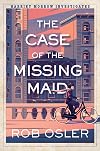
The acclaimed author of the Anthony, Agatha, Macavity, and Lefty Award-nominated Devil's Chew Toy delights with the first in a new historical mystery series set in turn-of-the-19th-century Chicago, as America is entering its Progressive Era and Harriet Morrow, a bike-riding, trousers-wearing lesbian, has just begun her new job as the first female detective at the Windy City's Prescott Agency . . .Rough-around-the-edges Harriet Morrow has long been drawn to the idea of whizzing around the show more city on her bicycle as a professional detective, solving crimes for a living without having to take a husband. Just twenty-one with a younger brother to support, she seizes the chance when the prestigious Prescott Agency hires her as its first woman operative. The move sparks controversy—with skeptical male colleagues, a high-strung office secretary, and her boss, Mr. Theodore Prescott, all waiting for her to unravel under the pressure . . .
Only an hour into the job, Harriet has an assignment: Discover the whereabouts of a missing maid from one of the most extravagant mansions on Prairie Avenue. Owner Pearl Bartlett has a reputation for sending operatives on wild goose chases around her grand estate, but Harriet believes the stunningly beautiful Agnes Wozniak has indeed vanished under mysterious circumstances—possibly a victim of kidnapping, possibly a victim of something worse . . .
With Mr. Prescott pushing a hard deadline, Harriet's burgeoning career depends on working through a labyrinth of eccentric characters and murky motives in a race to discover who made Agnes disappear. When her search leads to Chicago's Polish community and a new friendship in Agnes's charming older sister, Barbara, clues scattered across the city slowly reveal just how much depends on Harriet's inexperienced investigation for answers . . . and the deep danger that awaits once she learns the truth.
. show less
Tags
Recommendations
























Member Reviews
Rating: 4* of five
The Publisher Says: The acclaimed author of the Anthony, Agatha, Macavity, and Lefty Award-nominated Devil’s Chew Toy delights with the first in a new historical mystery series set in turn-of-the-20th-century Chicago, as America is entering its Progressive Era and Harriet Morrow, a bike-riding, trousers-wearing lesbian, has just begun her new job as the first female detective at the Windy City's Prescott Agency...
Chicago, 1898. Rough-around-the-edges Harriet Morrow has long been drawn to the idea of whizzing around the city on her bicycle as a professional detective, solving crimes for a living without having to take a husband. Just twenty-one with a younger brother to support, she seizes the chance when the show more prestigious Prescott Agency hires her as its first woman operative. The move sparks controversy—with skeptical male colleagues, a high-strung office secretary, and her boss, Mr. Theodore Prescott, all waiting for her to unravel under the pressure . . .
Only an hour into the job, Harriet has an assignment: Discover the whereabouts of a missing maid from one of the most extravagant mansions on Prairie Avenue. Owner Pearl Bartlett has a reputation for sending operatives on wild goose chases around her grand estate, but Harriet believes the stunningly beautiful Agnes Wozniak has indeed vanished under mysterious circumstances—possibly a victim of kidnapping, possibly a victim of something worse . . .
With Mr. Prescott pushing a hard deadline, Harriet’s burgeoning career depends on working through a labyrinth of eccentric characters and murky motives in a race to discover who made Agnes disappear. When her search leads to Chicago’s Polish community and a new friendship in Agnes’s charming older sister, Barbara, clues scattered across the city slowly reveal just how much depends on Harriet’s inexperienced investigation for answers . . . and the deep danger that awaits once she learns the truth.
I RECEIVED A DRC FROM THE PUBLISHER VIA NETGALLEY. THANK YOU.
My Review: In her very first appearance in this (hopefully) ongoing series, Harriet Morrow receives her new name, "Harry," from her first client. The slightly dotty Mrs. Bartlett insist Agnes, her maid, has disappeared without so much as a by-your-leave. Highly unusual behavior for a servant, still less for Agnes, a most responsible girl according to Mrs. Bartlett.
As mentioned, her dottiness leads Mr. Prescott to assign this tyro woman to the likely useless search for a missing maid and to assign her a "mentor" who "investigated" earlier disappearances of stuff in that house, but they turned out to be an old woman's forgetfulness misplacing the items.
This setup pays off right away in the mentor/mentee relationship setting the tone for misogyny in her new world. She does find an ally in McCabe, another very junior agent, at least in part because she's so roughly dismissed by the senior agents...and the secretaries. While Harry looks into Agnes's disappearance with the diligence one hopes to find in an investigator, she also comes across a world she did not know existed in a gay bar that Barbara (Agnes's sister) introduces her to. Not only is she doing the job for dotty Mrs. Bartlett and proving her right about Agnes, she's discovering why "Harry" felt so fight and fitting as a name for herself.
The mystery itself isn't stunningly complex or stupid-easy. I think if you like Maisie Dobbs, you'll like the mystery and its tone. It's a solidly grounded setting, one that Author Osler is at pains to show you he's researched. It's a slightly over-explained setting for my taste but it's not a huge drag on the pace of the read. The stakes are set early and tension mounts as Harry finds this simple case is the tip of a much more worrying set of crimes. You already know Harry resolves the disappearance because this is a series mystery and ma'at must be upheld.
Choosing to revolve a series opener around a lesbian awakening for your sleuth is bold for a male author. I'm not a lesbian so I don't know what Author Osler might have got wrong. Nothing stood out to me, so at least it's sure he made no catastrophic mistakes. (I hope.) I always prefer to read genre fiction that centers my QUILTBAG siblings. I'll be looking for the next entry in the series with pleasure and anticipation. show less
The Publisher Says: The acclaimed author of the Anthony, Agatha, Macavity, and Lefty Award-nominated Devil’s Chew Toy delights with the first in a new historical mystery series set in turn-of-the-20th-century Chicago, as America is entering its Progressive Era and Harriet Morrow, a bike-riding, trousers-wearing lesbian, has just begun her new job as the first female detective at the Windy City's Prescott Agency...
Chicago, 1898. Rough-around-the-edges Harriet Morrow has long been drawn to the idea of whizzing around the city on her bicycle as a professional detective, solving crimes for a living without having to take a husband. Just twenty-one with a younger brother to support, she seizes the chance when the show more prestigious Prescott Agency hires her as its first woman operative. The move sparks controversy—with skeptical male colleagues, a high-strung office secretary, and her boss, Mr. Theodore Prescott, all waiting for her to unravel under the pressure . . .
Only an hour into the job, Harriet has an assignment: Discover the whereabouts of a missing maid from one of the most extravagant mansions on Prairie Avenue. Owner Pearl Bartlett has a reputation for sending operatives on wild goose chases around her grand estate, but Harriet believes the stunningly beautiful Agnes Wozniak has indeed vanished under mysterious circumstances—possibly a victim of kidnapping, possibly a victim of something worse . . .
With Mr. Prescott pushing a hard deadline, Harriet’s burgeoning career depends on working through a labyrinth of eccentric characters and murky motives in a race to discover who made Agnes disappear. When her search leads to Chicago’s Polish community and a new friendship in Agnes’s charming older sister, Barbara, clues scattered across the city slowly reveal just how much depends on Harriet’s inexperienced investigation for answers . . . and the deep danger that awaits once she learns the truth.
I RECEIVED A DRC FROM THE PUBLISHER VIA NETGALLEY. THANK YOU.
My Review: In her very first appearance in this (hopefully) ongoing series, Harriet Morrow receives her new name, "Harry," from her first client. The slightly dotty Mrs. Bartlett insist Agnes, her maid, has disappeared without so much as a by-your-leave. Highly unusual behavior for a servant, still less for Agnes, a most responsible girl according to Mrs. Bartlett.
As mentioned, her dottiness leads Mr. Prescott to assign this tyro woman to the likely useless search for a missing maid and to assign her a "mentor" who "investigated" earlier disappearances of stuff in that house, but they turned out to be an old woman's forgetfulness misplacing the items.
This setup pays off right away in the mentor/mentee relationship setting the tone for misogyny in her new world. She does find an ally in McCabe, another very junior agent, at least in part because she's so roughly dismissed by the senior agents...and the secretaries. While Harry looks into Agnes's disappearance with the diligence one hopes to find in an investigator, she also comes across a world she did not know existed in a gay bar that Barbara (Agnes's sister) introduces her to. Not only is she doing the job for dotty Mrs. Bartlett and proving her right about Agnes, she's discovering why "Harry" felt so fight and fitting as a name for herself.
The mystery itself isn't stunningly complex or stupid-easy. I think if you like Maisie Dobbs, you'll like the mystery and its tone. It's a solidly grounded setting, one that Author Osler is at pains to show you he's researched. It's a slightly over-explained setting for my taste but it's not a huge drag on the pace of the read. The stakes are set early and tension mounts as Harry finds this simple case is the tip of a much more worrying set of crimes. You already know Harry resolves the disappearance because this is a series mystery and ma'at must be upheld.
Choosing to revolve a series opener around a lesbian awakening for your sleuth is bold for a male author. I'm not a lesbian so I don't know what Author Osler might have got wrong. Nothing stood out to me, so at least it's sure he made no catastrophic mistakes. (I hope.) I always prefer to read genre fiction that centers my QUILTBAG siblings. I'll be looking for the next entry in the series with pleasure and anticipation. show less
Dollycas’s Thoughts
Twenty-one-year-old Harriet Morrow has a younger brother to support, and she has always dreamed about solving crime for a living. The Prescott Agency was looking for a junior field operative. She shocked Theodore Prescott when she applied for the job, but he was convinced to hire her on a trial basis. A controversial move, especially with his own staff, and most are very unwelcoming to Harriet.
Her first assignment, before she receives any training, is to find the missing maid of Pearl Barlett. A neighbor of Mr. Prescott, who has sent his operatives on fruitless searches before. Mrs. Bartlett truly believes, and evidence appears to show, that Agnes Wozniak has disappeared in what could be a kidnapping, or worse. Mr. show more Prescott gives her a firm deadline, and she plans to meet it. Her investigation takes her all over Chicago and into Chicago’s Polish community, where she meets Agnes’s sister Barbara. A budding friendship feeds her need to find Agnes and bring her back to her family, but it could be a very dangerous undertaking.
Harriet Morrow is a compelling young lesbian woman ahead of her time, filled with spunk, drive, and a need to prove herself. Her father was a lawyer representing labor unions. Her mother was an active member of the Illinois Equal Suffrage Association. They had encouraged Harriet to pursue her dreams, despite what others may think of them. Her father died 26 days after her mother was lost due to pneumonia. She is now responsible for her teenage brother, Aubrey, and all that entails. Most of the people at the Prescott Agency are uncomfortable with Harriet being an operative, including the man tasked with training her. Matthew McCabe, another Junior Operative, steps up when Mr. Somer isn’t very helpful. Mr. Prescott appears to be a fair man; Harriet just needs to prove herself. All of Mr. Osler’s characters are well-crafted, and their nature and personalities seem to fit the time. Harriet could pontificate at times, but for me, it gave a clear insight into her charm. She did have a lawyer as a father.
Harriet’s first assignment, to find Mrs. Bartlett’s missing maid, was expected to take nothing more than a visit to her mansion and show the woman that she was mistaken, that the maid was there, just in another part of the home. Harriet does a complete search. The maid is not there. In fact, it looks like she was taken against her will from her room. Harriet asks a few basic questions, then returns to the office for instructions, and then embarks on a journey that takes her to Chicago’s Polish immigrant community and elsewhere around town as she follows leads. Leads that take her to a gritty pool hall and a gay bar. In addition to trying to get the information she seeks, she finds a hidden world she didn’t even know existed, but where she may fit in. After it all, the case takes a turn, and a secret is revealed. I had sleuthed out part of the mystery earlier in the story and had an inkling about the rest, but it did not deter my enjoyment of the story.
The Case of the Missing Maid is an entertaining, well-researched, and well-plotted mystery. Harriet has a lot to learn, but with her first case behind her, Mr. Prescott has officially bestowed her with the title of Junior Field Operative, and her true training will begin. I have The Case of the Murdered Muckraker waiting impatiently on my To-Be-Read shelf. I hope to get to it soon, as book 3, The Case of the Swindled Suffragist, is set to be released on January 26, 2027. show less
Twenty-one-year-old Harriet Morrow has a younger brother to support, and she has always dreamed about solving crime for a living. The Prescott Agency was looking for a junior field operative. She shocked Theodore Prescott when she applied for the job, but he was convinced to hire her on a trial basis. A controversial move, especially with his own staff, and most are very unwelcoming to Harriet.
Her first assignment, before she receives any training, is to find the missing maid of Pearl Barlett. A neighbor of Mr. Prescott, who has sent his operatives on fruitless searches before. Mrs. Bartlett truly believes, and evidence appears to show, that Agnes Wozniak has disappeared in what could be a kidnapping, or worse. Mr. show more Prescott gives her a firm deadline, and she plans to meet it. Her investigation takes her all over Chicago and into Chicago’s Polish community, where she meets Agnes’s sister Barbara. A budding friendship feeds her need to find Agnes and bring her back to her family, but it could be a very dangerous undertaking.
Harriet Morrow is a compelling young lesbian woman ahead of her time, filled with spunk, drive, and a need to prove herself. Her father was a lawyer representing labor unions. Her mother was an active member of the Illinois Equal Suffrage Association. They had encouraged Harriet to pursue her dreams, despite what others may think of them. Her father died 26 days after her mother was lost due to pneumonia. She is now responsible for her teenage brother, Aubrey, and all that entails. Most of the people at the Prescott Agency are uncomfortable with Harriet being an operative, including the man tasked with training her. Matthew McCabe, another Junior Operative, steps up when Mr. Somer isn’t very helpful. Mr. Prescott appears to be a fair man; Harriet just needs to prove herself. All of Mr. Osler’s characters are well-crafted, and their nature and personalities seem to fit the time. Harriet could pontificate at times, but for me, it gave a clear insight into her charm. She did have a lawyer as a father.
Harriet’s first assignment, to find Mrs. Bartlett’s missing maid, was expected to take nothing more than a visit to her mansion and show the woman that she was mistaken, that the maid was there, just in another part of the home. Harriet does a complete search. The maid is not there. In fact, it looks like she was taken against her will from her room. Harriet asks a few basic questions, then returns to the office for instructions, and then embarks on a journey that takes her to Chicago’s Polish immigrant community and elsewhere around town as she follows leads. Leads that take her to a gritty pool hall and a gay bar. In addition to trying to get the information she seeks, she finds a hidden world she didn’t even know existed, but where she may fit in. After it all, the case takes a turn, and a secret is revealed. I had sleuthed out part of the mystery earlier in the story and had an inkling about the rest, but it did not deter my enjoyment of the story.
The Case of the Missing Maid is an entertaining, well-researched, and well-plotted mystery. Harriet has a lot to learn, but with her first case behind her, Mr. Prescott has officially bestowed her with the title of Junior Field Operative, and her true training will begin. I have The Case of the Murdered Muckraker waiting impatiently on my To-Be-Read shelf. I hope to get to it soon, as book 3, The Case of the Swindled Suffragist, is set to be released on January 26, 2027. show less
The central character in The Case of the Missing Maid is Harriet Morrow—who I'm hoping will stick around to become the central character in a series. She's a twenty-one-year-old lesbian (though I'm not sure she even knows this word) living in 1898 Chicago, struggling to raise her younger brother and desperate to move on to a more interesting career than the one she's been stuck in: being a numbers cruncher (a *woman* numbers cruncher, so don't get any ideas about respect, recognition of intelligence, or a living wage).
So when Harriet sees an ad for a a junior investigator with the Pescott Investigative Agency, she decides to apply. And, she gets the position, at least for a probationary period. Aside from Mr. Prescott himself, almost show more no one is glad to see her arrive as the first woman to work for the agency in anything other than a secretarial position. When she arrives at her first day of work (an hour before Mr. Prescott) both the receptionist and Prescott's personal secretary refuse to believe she's been employed by Prescott and both try to give her "the bum's rush" before he can make it in to the office. Once he verifies that, yes, she is the new investigator-trainee, she's shuffled off to a desk in a corner of the room housing the secretarial pool—unlike all the male investigators who have small, unattractive, but personal, offices.
The first investigation Prescott gives her is uninspiring, to say the least. Prescott's next-door-neighbor, a well-off widow insists that her maid has disappeared without explanation. Prescott's wife is fond of the old dear, so to please the Mrs., he's sending Harriet to hear what Pearl Bartlett, the neighbor, has to say. This despite the fact that he's already assignment another investigator to investigate two "thefts" from Pearl's home, which turn out to be not thefts, but an old woman's failure to remember where she's put things. He also assigns Harriet another investigator as a mentor, a man who seems even more hostile to her than most of the male hierarchy and who's the man who investigated those two non-thefts.
Pearl first mistakes Harriet for a man, as she dresses in the expected skirt, but pairs that with a man's shirt, tie, bowler, and shoes. Pearl sees not Harriet, but Harry—and Harry (let's stick with that name since she likes it) is quickly convinced that the maid has disappeared and may be at genuine risk.
Harry's investigation takes her into Chicago's Polish immigrant community, and to one of the city's few gay bars. Harriet begins to see a world she might fit into that she hadn't realized exists. Each of these communities is hidden in its own way because their members are beneath notice to most of the city.
I'm waiting to see how Harry develops as a character. She has a great deal of potential, and I can't think of any equivalent investigators in historical mysteries set in the city in those years. If you enjoy historical mysteries and/or novels with queer central characters, track down a copy of the Case of the Missing Maid. Get to know Harry now, so you can enjoy her on future adventures without playing catch-up.
I received a free electronic review copy of this title from the publisher via NetGalley; the opinions are my own. show less
So when Harriet sees an ad for a a junior investigator with the Pescott Investigative Agency, she decides to apply. And, she gets the position, at least for a probationary period. Aside from Mr. Prescott himself, almost show more no one is glad to see her arrive as the first woman to work for the agency in anything other than a secretarial position. When she arrives at her first day of work (an hour before Mr. Prescott) both the receptionist and Prescott's personal secretary refuse to believe she's been employed by Prescott and both try to give her "the bum's rush" before he can make it in to the office. Once he verifies that, yes, she is the new investigator-trainee, she's shuffled off to a desk in a corner of the room housing the secretarial pool—unlike all the male investigators who have small, unattractive, but personal, offices.
The first investigation Prescott gives her is uninspiring, to say the least. Prescott's next-door-neighbor, a well-off widow insists that her maid has disappeared without explanation. Prescott's wife is fond of the old dear, so to please the Mrs., he's sending Harriet to hear what Pearl Bartlett, the neighbor, has to say. This despite the fact that he's already assignment another investigator to investigate two "thefts" from Pearl's home, which turn out to be not thefts, but an old woman's failure to remember where she's put things. He also assigns Harriet another investigator as a mentor, a man who seems even more hostile to her than most of the male hierarchy and who's the man who investigated those two non-thefts.
Pearl first mistakes Harriet for a man, as she dresses in the expected skirt, but pairs that with a man's shirt, tie, bowler, and shoes. Pearl sees not Harriet, but Harry—and Harry (let's stick with that name since she likes it) is quickly convinced that the maid has disappeared and may be at genuine risk.
Harry's investigation takes her into Chicago's Polish immigrant community, and to one of the city's few gay bars. Harriet begins to see a world she might fit into that she hadn't realized exists. Each of these communities is hidden in its own way because their members are beneath notice to most of the city.
I'm waiting to see how Harry develops as a character. She has a great deal of potential, and I can't think of any equivalent investigators in historical mysteries set in the city in those years. If you enjoy historical mysteries and/or novels with queer central characters, track down a copy of the Case of the Missing Maid. Get to know Harry now, so you can enjoy her on future adventures without playing catch-up.
I received a free electronic review copy of this title from the publisher via NetGalley; the opinions are my own. show less
"Much of the fun of reading a historical novel is immersing yourself in a different time."
-- Author's Note
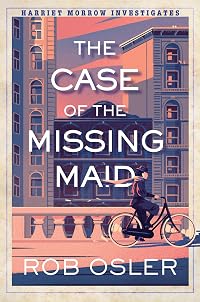
Quite. Osler's The Case Of The Missing Maid is perfectly entertaining, moved along by solid characterization rather than intricate plotting, and an opportunity to observe atypical characters in novel situations. The genre premise allows for believable visits to different parts of the city, from posh Prairie Avenue mansions to secret afterhours night haunts, Loop office towers (this was the beginning of Chicago's innovations in high rise architecture) to Polishtown family businesses. The story illustrates that certain societal developments emerged alongside one another rather than sequentially (electrification of the el, of street show more lighting) and often much earlier than I supposed, while others existed without yet being widespread (private plumbing in an executive's office).
I take the mystery itself to be pedestrian for the circumstances, which is wholly fitting for the protagonist's personality and novel's premise. I guessed the perpetrator but not the motivation, partway through: not typical of me. The showdown made sense as opposed to a contrived dramatic confrontation for the sake of the novel. Very much a cozy mystery ending, presumably leaving open the opportunity for sequels (as already hinted on the cover jacket's Harriet Morrow Investigates tagline). show less
-- Author's Note
Quite. Osler's The Case Of The Missing Maid is perfectly entertaining, moved along by solid characterization rather than intricate plotting, and an opportunity to observe atypical characters in novel situations. The genre premise allows for believable visits to different parts of the city, from posh Prairie Avenue mansions to secret afterhours night haunts, Loop office towers (this was the beginning of Chicago's innovations in high rise architecture) to Polishtown family businesses. The story illustrates that certain societal developments emerged alongside one another rather than sequentially (electrification of the el, of street show more lighting) and often much earlier than I supposed, while others existed without yet being widespread (private plumbing in an executive's office).
I take the mystery itself to be pedestrian for the circumstances, which is wholly fitting for the protagonist's personality and novel's premise. I guessed the perpetrator but not the motivation, partway through: not typical of me. The showdown made sense as opposed to a contrived dramatic confrontation for the sake of the novel. Very much a cozy mystery ending, presumably leaving open the opportunity for sequels (as already hinted on the cover jacket's Harriet Morrow Investigates tagline). show less
This is a delightful romp through 1898 Chicago. In her first test case as a new private detective, Harriet learns some tradecraft along with learning a great deal about herself and how to present to the world. Osler has created a character that is very likable, but leads us through some risky adventures as she attempts to solve the case, thus securing her a place in the detective agency. The Polish Dowtown community plays a large role in this mystery as well. I would classify this as historical fiction, but without a firm base in some of the areas of societal history that were not well recorded at the time. I will definitely move on with this series.
rough writing but an interesting premise, and better than Cirque du Slay. There’s some insight into early 20th century underground queer culture that was interesting.
Guilded Age mystery!
Chicago 1898.
Pinkerton had appointed a woman operative decades ago.
Harriet Morrow has always been encouraged to be herself. She knows about Pinkerton but she doesn’t hold her breath when she decides to apply to a detective agency for a job. She’s stunned when finds out she’s been accepted.
Not that that shows up in her workplace. On her first day neither the receptionist or the secretaries will believe that she’s a new operative. Quite a circus!
Only when verified by Mr Prescott, the agency owner do they evince a modicum of belief. But then she’s given a desk in the secretaries’ room? Still Harriet wasn’t going to let that deter her.
Harriet fast becomes a bike riding, gun toting, bowler hat and men’s show more shoes wearing investigator (practical!), as she tracks down a maid that’s disappeared from the residence of a neighbor of Mr. Prescott’s.
The other operatives and the police believe the maid’s left.
Harriet’s convinced there’s been foul play.
I really enjoyed Harriet (Harry) as she discovers her calling, new friends and herself!
Hopefully more episodes will follow.
A Kensington ARC via NetGalley.
Many thanks to the author and publisher. show less
Chicago 1898.
Pinkerton had appointed a woman operative decades ago.
Harriet Morrow has always been encouraged to be herself. She knows about Pinkerton but she doesn’t hold her breath when she decides to apply to a detective agency for a job. She’s stunned when finds out she’s been accepted.
Not that that shows up in her workplace. On her first day neither the receptionist or the secretaries will believe that she’s a new operative. Quite a circus!
Only when verified by Mr Prescott, the agency owner do they evince a modicum of belief. But then she’s given a desk in the secretaries’ room? Still Harriet wasn’t going to let that deter her.
Harriet fast becomes a bike riding, gun toting, bowler hat and men’s show more shoes wearing investigator (practical!), as she tracks down a maid that’s disappeared from the residence of a neighbor of Mr. Prescott’s.
The other operatives and the police believe the maid’s left.
Harriet’s convinced there’s been foul play.
I really enjoyed Harriet (Harry) as she discovers her calling, new friends and herself!
Hopefully more episodes will follow.
A Kensington ARC via NetGalley.
Many thanks to the author and publisher. show less
Members
- Recently Added By
Lists

Kindle Historical Fiction
163 works; 1 member
Author Information

4 Works 283 Members
Awards and Honors
Awards
Notable Lists
Series

Common Knowledge
- Canonical title
- The Case of the Missing Maid
- Important places
- Chicago, Illinois, USA
- Important events
- 1890s
Classifications
Statistics
- Members
- 127
- Popularity
- 257,082
- Reviews
- 10
- Rating
- (3.67)
- Languages
- English
- Media
- Paper, Audiobook, Ebook
- ISBNs
- 6
- ASINs
- 2