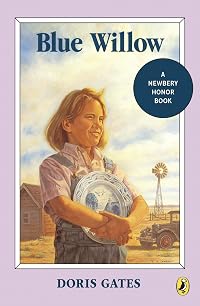
Blue Willow
by Doris Gates
On This Page
Description
A little girl, who wants most of all to have a real home and to go to a regular school, hopes that the valley her family has come to, which so resembles the pattern on her treasured blue willow plate, will be their permanent home.Tags
Recommendations
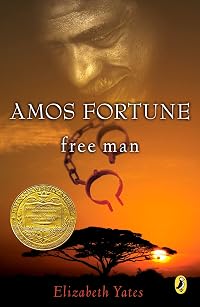
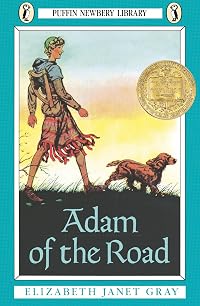
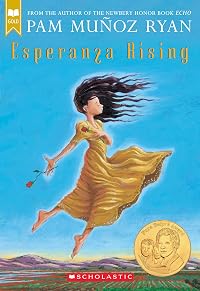
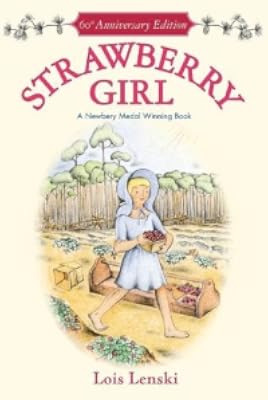

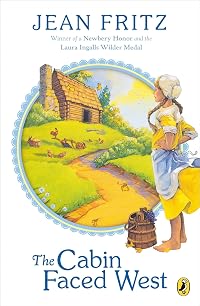
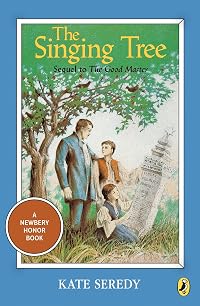
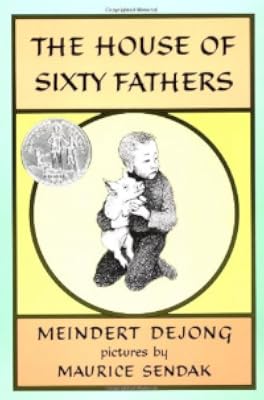
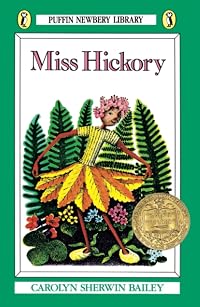
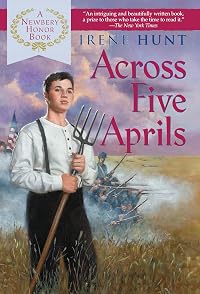
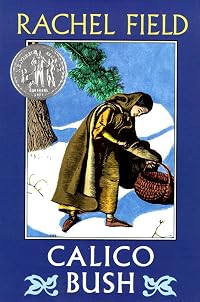
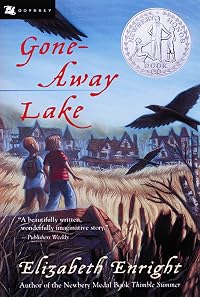
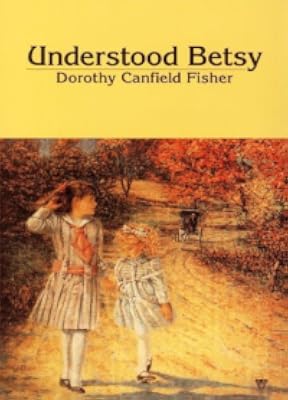

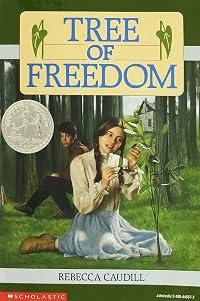
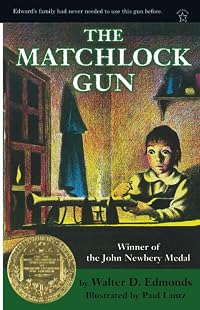
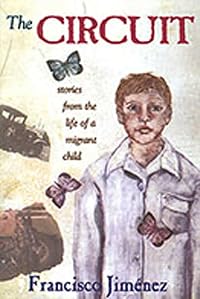
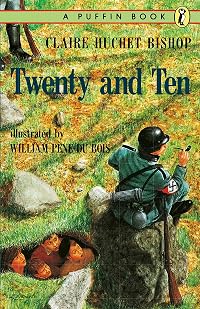


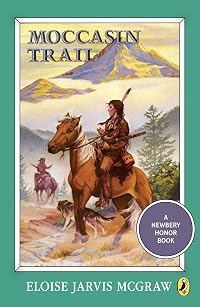
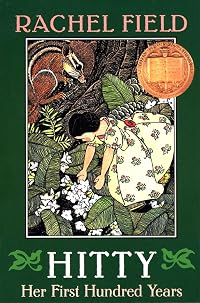
Member Recommendations
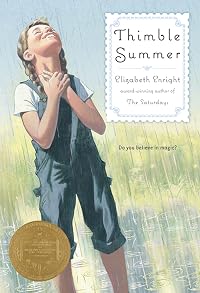
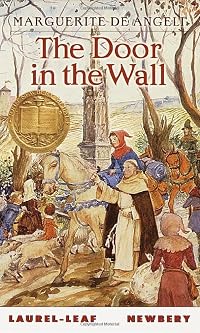
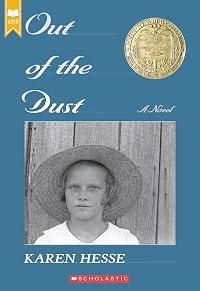
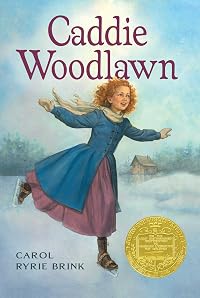
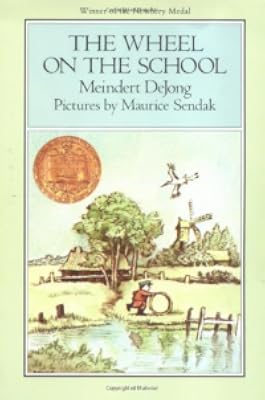
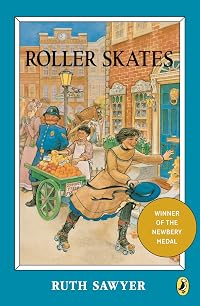
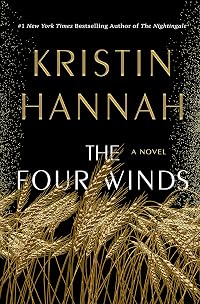
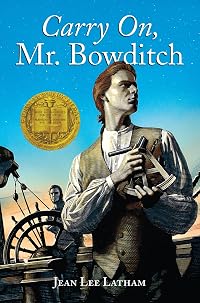
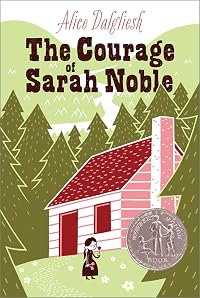
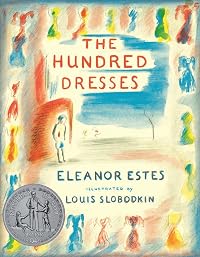
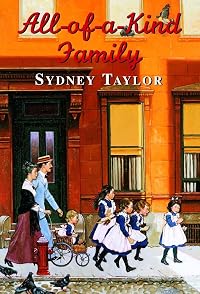
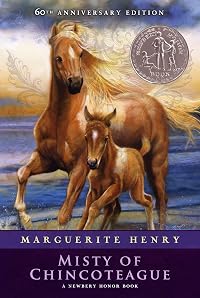
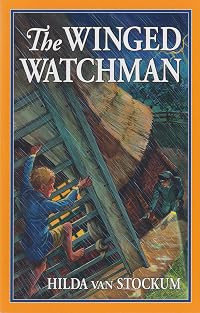
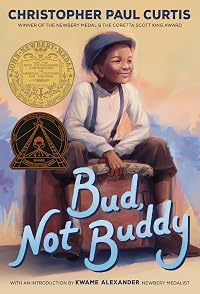
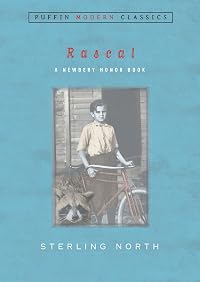
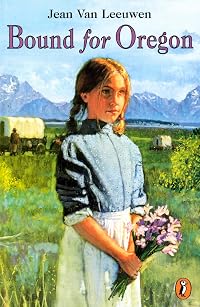
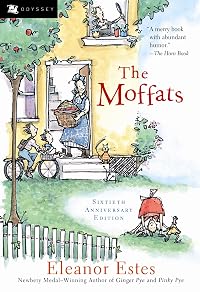
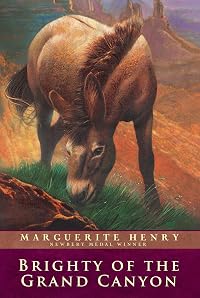
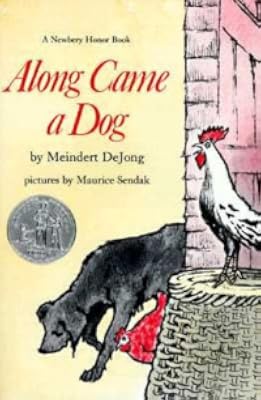
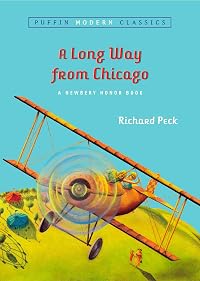
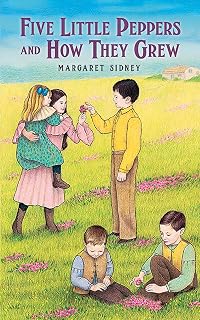
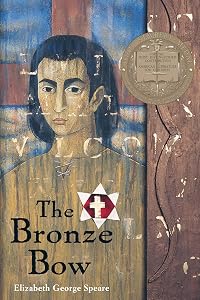
cbl_tn The main character in each book is a 10-year-old girl whose family has just moved to a new place. Both books have a strong sense of place.

AbigailAdams26 Both of these books feature poignant stories about young girls who are the daughters of migrant farm-workers in Depression-era California, and who eventually find a home and a sense of belonging.
Also recommended by HollyMS
Member Reviews
Ten-year-old Janey Larkin, the daughter of migrant farm workers in Great Depression-era California, clings to the beautiful blue willow plate that once belonged to her mother in this poignant children's novel. As the Larkins settle into a shack in the San Joaquin Valley, while Mr. Larkin goes to work in the cotton fields, Janey befriends Lupe Romero, who lives in the shack opposite the Larkins, and goes to the field school run by Miss Peterson. Slowly, Janey begins to feel that this is a place she could call home and put down roots. But when her step-mother becomes ill and work dries up, it looks like the Larkins will have to move on once more. Can the willow plate, a symbol of Janey's deepest desire for a home and a sense of belonging, show more save her and her family...?
Published in 1940, Blue Willow was chosen as one of four Newbery Honor books in 1941—other Honor Books that year included Young Mac of Fort Vancouver by Mary Jane Carr, The Long Winter by Laura Ingalls Wilder and Nansen by Anna Gertrude Hall, while the Medal Winner was Armstrong Perry's Call it Courage—and it is not difficult to see why. Doris Gates, who worked for many years as a children's librarian in the San Joaquin Valley, spins an immensely engaging and moving story, beautifully capturing Janey's rich inner life, from her changing perception of her wonderful step-mother, Mom, to her puzzling over her father's words on courage, and her discovery of the joys of true friendship with Lupe. This latter is quite interesting, in that it is the earliest example I have encountered, in the pages of popular children's literature, of a genuine friendship across racial and ethnic divides. There were one or two moments that I found dated—Janey wondering why Lupe would prefer a dress that made her look darker, for instance—but on the whole I thought this aspect of the story was very progressive for its time, treating the two friends as equals, delving into Lupe's perspective, and highlighting her many good qualities without making her a saint. The happy ending of the story, while perhaps a tad unrealistic, is nevertheless deeply satisfying.
All in all, I found Blue Willow a wonderful book, and would recommend it to upper primary and lower middle-grade readers who enjoy historical stories, or who are looking for heartwarming tales of children finding a home and happiness. Thematically, it is very similar to Zilpha Keatley Snyder's The Velvet Room, which I have also read and loved, and could be read in tandem with that book. show less
Published in 1940, Blue Willow was chosen as one of four Newbery Honor books in 1941—other Honor Books that year included Young Mac of Fort Vancouver by Mary Jane Carr, The Long Winter by Laura Ingalls Wilder and Nansen by Anna Gertrude Hall, while the Medal Winner was Armstrong Perry's Call it Courage—and it is not difficult to see why. Doris Gates, who worked for many years as a children's librarian in the San Joaquin Valley, spins an immensely engaging and moving story, beautifully capturing Janey's rich inner life, from her changing perception of her wonderful step-mother, Mom, to her puzzling over her father's words on courage, and her discovery of the joys of true friendship with Lupe. This latter is quite interesting, in that it is the earliest example I have encountered, in the pages of popular children's literature, of a genuine friendship across racial and ethnic divides. There were one or two moments that I found dated—Janey wondering why Lupe would prefer a dress that made her look darker, for instance—but on the whole I thought this aspect of the story was very progressive for its time, treating the two friends as equals, delving into Lupe's perspective, and highlighting her many good qualities without making her a saint. The happy ending of the story, while perhaps a tad unrealistic, is nevertheless deeply satisfying.
All in all, I found Blue Willow a wonderful book, and would recommend it to upper primary and lower middle-grade readers who enjoy historical stories, or who are looking for heartwarming tales of children finding a home and happiness. Thematically, it is very similar to Zilpha Keatley Snyder's The Velvet Room, which I have also read and loved, and could be read in tandem with that book. show less
Janey Larkin and her parents have moved around a lot over the last few years as her father follows the harvest. Most recently, they've found a shack in the San Joaquin valley and a job picking cotton. The only thing Janey owns of value is a blue willow plate that was in the family for generations. As Janey makes friends with Lupe Romero, she starts to wish that they could settle here for good.
This Newbery Honor book from 1940 was a mixed bag for me. It's praised for being one of the first children's literature of its kind, focusing on migrant workers, having a problem the child addresses, and including Mexican Americans one of whom is Janey's best friend. However, for today's sensibilities it's also very much of its time: a little slow show more to start, moralizing, having a happy ending that stretches credulity, and including some casual racism (a dress Lupe wears makes her look "darker" but Janey chooses not to mention it) and sexism. show less
This Newbery Honor book from 1940 was a mixed bag for me. It's praised for being one of the first children's literature of its kind, focusing on migrant workers, having a problem the child addresses, and including Mexican Americans one of whom is Janey's best friend. However, for today's sensibilities it's also very much of its time: a little slow show more to start, moralizing, having a happy ending that stretches credulity, and including some casual racism (a dress Lupe wears makes her look "darker" but Janey chooses not to mention it) and sexism. show less
Janey Larkin lives a nomadic life, under the care of her father and stepmother. Her greatest and only treasure is a blue willow ceramic plate that once belonged to a mother she can no longer remember. As her family sets-down near her father’s current job of picking cotton, Janey begins long for a change to “stay as long as they want” but achieving that dream might cost her greatest treasure.
Janey’s journey is brilliantly displayed. She matures through her friendship with Lupe, and through her education, gaining an understanding of courage and what’s important. Watching her struggle with the difficult things around her is part of the “realistic” nature of the story. While the ending is a bit – Shiny – where everything show more works out perfectly, the journey of how she gets there has danger and difficulty, and her start in life is not rosy-pink and happy.
It should be noted that Lupe, Janey’s friend, is clearly of Mexican origin. Surprising for the era, Lupe and her family are written with respect and accuracy to their culture but without any of the stereotypes so prevalent during the era (or even today). Lupe is a well-rounded side-character, an excellent part of the story and a refreshing take on non-European cultures that make up America.
The prose is simple, with easy-to-read words and both writing and subject are suitable for children ages 6+.
Note: Doris Gates received both praise and criticism for this book. One of the first “realistic” children’s books, Blue Willow entered the scene during a debate between teachers, librarians, and authors regarding realism vs. imaginative in Children’s Literature. In dealing with poverty, intenerate workers, illness, and even death, Blue Willow helped pave the way for books for children that accurately reflected the world they already knew. Gates is considered a major influence and pioneer in this area. show less
Janey’s journey is brilliantly displayed. She matures through her friendship with Lupe, and through her education, gaining an understanding of courage and what’s important. Watching her struggle with the difficult things around her is part of the “realistic” nature of the story. While the ending is a bit – Shiny – where everything show more works out perfectly, the journey of how she gets there has danger and difficulty, and her start in life is not rosy-pink and happy.
It should be noted that Lupe, Janey’s friend, is clearly of Mexican origin. Surprising for the era, Lupe and her family are written with respect and accuracy to their culture but without any of the stereotypes so prevalent during the era (or even today). Lupe is a well-rounded side-character, an excellent part of the story and a refreshing take on non-European cultures that make up America.
The prose is simple, with easy-to-read words and both writing and subject are suitable for children ages 6+.
Note: Doris Gates received both praise and criticism for this book. One of the first “realistic” children’s books, Blue Willow entered the scene during a debate between teachers, librarians, and authors regarding realism vs. imaginative in Children’s Literature. In dealing with poverty, intenerate workers, illness, and even death, Blue Willow helped pave the way for books for children that accurately reflected the world they already knew. Gates is considered a major influence and pioneer in this area. show less
Ten-year-old Janey Larkin, her father, and her stepmother are among the migrants who made their way to California in the wake of the Dust Bowl. The family moves frequently as Janey's father follows the harvests. Janey carries her ideal of home with her in the treasured blue willow plate that belonged to her mother. This move is different, and Janey finds herself longing to stay in this corner of the San Joaquin Valley near the river that looks so much like the scene in the blue willow plate.
I'm sorry that I missed this book during my childhood. I would have loved it if only for the connection to my grandmother's blue willow dishes. Those dishes are one of the strongest memories I have of meals in my grandmother's kitchen. This story show more could be used as supplemental reading for a unit on the Great Depression and/or the Dust Bowl of the 1930s. However, the book does contain some mild stereotyping of Janey's Mexican American neighbors, the Romeros. Janey also acts out occasionally in a way that would be considered inappropriate by today's standards. show less
I'm sorry that I missed this book during my childhood. I would have loved it if only for the connection to my grandmother's blue willow dishes. Those dishes are one of the strongest memories I have of meals in my grandmother's kitchen. This story show more could be used as supplemental reading for a unit on the Great Depression and/or the Dust Bowl of the 1930s. However, the book does contain some mild stereotyping of Janey's Mexican American neighbors, the Romeros. Janey also acts out occasionally in a way that would be considered inappropriate by today's standards. show less
A 1931 Newbery Honor book, it is quite refreshing to read this tale of a young girl tired and weary of moving with her father and mother from job to job, place to place, with no roots. Janey has one prized possession, a blue willow plate given to her a long time ago.
When I think of all the possessions most American children of today own, I wonder if they an relate to an impoverished girl who is so very proud of just one object.
When the dust bowl hit Texas, Janey's family had to leave. Living in a migrant worker life style, they come upon a shack located in the cotton groves of California. From her travels and loneliness, Janey has a chip on her shoulder. Thus, when a girl whose father also works in the fields befriends Janey, it is show more difficult for Janey to trust.
Soon the Romero family bonds with Janey and she grows confident, while always knowing the back of her mind that she and her family will be moving along as soon as the cotton crop is finished.
When Janey's mother becomes ill and there is no money for a doctor, Janey seeks a local doctor to help, offering him the willow plate.
This is a tale of poverty, and of making the best of life, a tale of trust and friendship, and a tale of forsaking all when love is involved.
Edit | More show less
When I think of all the possessions most American children of today own, I wonder if they an relate to an impoverished girl who is so very proud of just one object.
When the dust bowl hit Texas, Janey's family had to leave. Living in a migrant worker life style, they come upon a shack located in the cotton groves of California. From her travels and loneliness, Janey has a chip on her shoulder. Thus, when a girl whose father also works in the fields befriends Janey, it is show more difficult for Janey to trust.
Soon the Romero family bonds with Janey and she grows confident, while always knowing the back of her mind that she and her family will be moving along as soon as the cotton crop is finished.
When Janey's mother becomes ill and there is no money for a doctor, Janey seeks a local doctor to help, offering him the willow plate.
This is a tale of poverty, and of making the best of life, a tale of trust and friendship, and a tale of forsaking all when love is involved.
Edit | More show less
"Blue Willow" feels like an historical novel about a migrant farming family during the Great Depression, but since it was published in 1940, it was actually written as a contemporary tale.
10-year-old Janey travels with her Dad and step-mother looking for farming work after Dad lost his own farm in the Dust Bowl. At the beginning of the book, they settle into an abandoned shack to live there while Dad harvests cotton. Janey meanwhile, just wants to belong somewhere instead of moving every few weeks. The only possession the family has that she cares about is the Blue Willow Plate - a blue China plate with a Chinese design. The plate is mentioned in the beginning of the book, then seemingly forgotten, but becomes significant again towards show more the last quarter of the story.
"Blue Willow" is about Janey finding a friend - Lupe Lopez; and a place she wants to stay; a sense of belonging somewhere. It's a slow quiet story, with an unrealistically happy ending (perhaps appropriate, since it's more of an upper elementary book than a middle grades story). show less
10-year-old Janey travels with her Dad and step-mother looking for farming work after Dad lost his own farm in the Dust Bowl. At the beginning of the book, they settle into an abandoned shack to live there while Dad harvests cotton. Janey meanwhile, just wants to belong somewhere instead of moving every few weeks. The only possession the family has that she cares about is the Blue Willow Plate - a blue China plate with a Chinese design. The plate is mentioned in the beginning of the book, then seemingly forgotten, but becomes significant again towards show more the last quarter of the story.
"Blue Willow" is about Janey finding a friend - Lupe Lopez; and a place she wants to stay; a sense of belonging somewhere. It's a slow quiet story, with an unrealistically happy ending (perhaps appropriate, since it's more of an upper elementary book than a middle grades story). show less
To Janey Larkin, the blue willow plate was the most beautiful thing in her life, a symbol of the home she could only dimly remember. Now that her father was an itinerant worker, Janey didn't have a home she could call her own or any real friends, as her family had to keep moving, following the crops from farm to farm. Someday, Janey promised the willow plate, with its picture of a real house, her family would once again be able to set down roots in a community.
Members
- Recently Added By
Lists

Favorite Childhood Books
1,646 works; 518 members

Best Newbery Honor Books
241 works; 31 members
Honey For a Child's Heart
1,152 works; 25 members

Books About Girls
219 works; 17 members

Sonlight Books
1,487 works; 25 members
Ambleside Books
459 works; 18 members

Elevenses
316 works; 88 members
Books with Colourful Titles
171 works; 8 members

CCE 1000 Good Books List
1,033 works; 12 members

Newbery Honor Books By Year - I - 1922-1980
199 works; 3 members

Romalda Spalding's Writing Road To Reading
213 works; 3 members

Recommended Reading List
219 works; 1 member

Books We Loved As Children
603 works; 252 members

Book Review Roundup
254 works; 2 members

Precious People
119 works; 1 member

Tagged Great Depression
23 works; 3 members

Beautiful Feet Books
304 works; 7 members

Books Read in 2022
5,166 works; 112 members

Before Austen Comes Aesop
318 works; 9 members

Allie's Favourite 150 Books
145 works; 3 members

In or About the 1930s
198 works; 27 members

Ry's Uncover Challenge Window Shopping
14 works; 1 member
Talk Discussions
Past Discussions
A girl, about 12 years old, her family picks fruit (migrant workers) and she longs for a house to li in Name that Book (August 2012)
Author Information

All Editions
Awards and Honors
Series
Belongs to Publisher Series
Vintage Scholastic (TX0126)
Work Relationships
Is abridged in
Common Knowledge
- Canonical title
- Blue Willow
- Original publication date
- 1940
- People/Characters
- Janey Larkin; Lupe Romero; Bounce Reyburn
- Important places
- San Joaquin Valley, California, USA; California, USA
- Important events
- Great Depression
- Dedication
- To my Father and Mother
- First words
- Janey Larkin paused on the top step of the shack and looked down at her shadow.
- Last words
- (Click to show. Warning: May contain spoilers.)"As long as we want to," she said.
- Original language
- English
Classifications
Statistics
- Members
- 2,506
- Popularity
- 7,676
- Reviews
- 28
- Rating
- (3.97)
- Languages
- English, Finnish, Spanish
- Media
- Paper, Audiobook, Ebook
- ISBNs
- 19
- ASINs
- 33