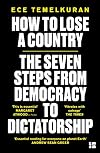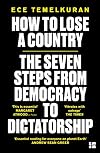
How to Lose a Country: The 7 Steps from Democracy to Dictatorship
by Ece Temelkuran
On This Page
Description
"It couldn't happen here'- Ece Temelkuran heard reasonable people in Britain say it the night of the Brexit vote. She heard reasonable people in America say it the night Trump's election was soundtracked by chants of 'Build that wall.' She heard reasonable people in Turkey say it as Erdogan rigged elections, rebuilt the economy around cronyism, and labelled his opposition as terrorists.How to Lose a Country is an impassioned plea, a warning to the world that populism and nationalism don't show more march fully-formed into government; they creep. Award winning author and journalist Ece Temelkuran identifies the early-warning signs of this phenomenon, sprouting up across the world, in order to define a global pattern, and arm the reader with the tools to root it out. Proposing alternative, global answers to the pressing - and too often paralysing - political questions of our time, Temelkuran explores the insidious idea of `real people', the infantilisation of language and debate, the way laughter can prove a false friend, and the dangers of underestimating one's opponent. She weaves memoir, history and clear-sighted argument into an urgent and eloquent defence of democracy. No longer can the reasonable comfort themselves with `it couldn't happen here.' It is happening. And soon it may be too late."-- show lessTags
Recommendations



































Member Reviews
Astonishing, gripping, disturbing. This is, so far, the best book I've read about the political and social changes happening in the U.S. "When did you become so cruel?" Apparently, the U.S. is far from alone. The author is from Turkey and she chronicled the loss of her country to Erdogan (from abroad, for her safety). There's also Orban in Hungary, Putin in Russia, and more. These dictators are supported by their masses of populist minions who do their bidding. No surprise that the dictators are admired by America's right wing.
And what's the first thing on the chopping block? (Before journalists, protesters, etc.) Women's rights, of course, the softest target.
Page 171: "Throughout history every societal, religious, or political project show more has treated women like cut-out paper dolls, to be dressed in or stripped of the ruling power's chosen ideological outfit. ... From the Nazi Party ... or Stalin ... to today ... A woman's image ... is ... used as a store mannequin to promote the prevailing political power's concept of the ideal female citizen. ... Redesigning women, so they believe, is an overnight job. And it is unfortunate that ... these projects, despite their obvious hostility towards women, [are] always able to find female supporters whose substance is as pliable as Play-Doh. ... [Women] are the first to feel the poke of misogyny, which is the wingman to right-wing populism."
Reminds me of the young woman who spoke at the Republican Convention and, in a later interview, proposed stripping women of their voting rights -- one family, one vote, and the husband decides. She calls that a "biblical marriage."
A memorable book! And highly recommended! show less
And what's the first thing on the chopping block? (Before journalists, protesters, etc.) Women's rights, of course, the softest target.
Page 171: "Throughout history every societal, religious, or political project show more has treated women like cut-out paper dolls, to be dressed in or stripped of the ruling power's chosen ideological outfit. ... From the Nazi Party ... or Stalin ... to today ... A woman's image ... is ... used as a store mannequin to promote the prevailing political power's concept of the ideal female citizen. ... Redesigning women, so they believe, is an overnight job. And it is unfortunate that ... these projects, despite their obvious hostility towards women, [are] always able to find female supporters whose substance is as pliable as Play-Doh. ... [Women] are the first to feel the poke of misogyny, which is the wingman to right-wing populism."
Reminds me of the young woman who spoke at the Republican Convention and, in a later interview, proposed stripping women of their voting rights -- one family, one vote, and the husband decides. She calls that a "biblical marriage."
A memorable book! And highly recommended! show less
The best part of this book is the last chapter, so hang in. Temelkuran uses her native Turkey to look at how many countries are slipping from democracy into fascism. Turkey's President Erdoğan is the example, but many English-speakers (including me, a Canadian) will be thinking of Trump and the U.S.'s crumbling democratic state. As their freedom and equality and all the things that they are so proud of fade away, we non-U.S. citizens wonder how long before the forces of evil come after us.
Temelkuran is both a political analyst and a poet and in the the book she employs both skills. There is a feeling at times that Temelkuran (a middle-class educated person) is is sniping a bit at well-meaning but confused fellow middle-class folks who show more are frightened, confused and angry that millions of their fellow citizens are voting for fascist governments. As Temelkuran notes, quoting Spinoza, "the masses are roaring their sad passions and fighting for their servitude as if it were their salvation" (brilliant!), a sentiment echoed in such books as Erich Fromm's Escape from Freedom, written in the '50s. It's hard to avoid being pessimistic in the face of this.
Personally, despite the brilliance of the prose, the clarity of her push to unveil populist aggression, and the astute political analysis, I bogged down mid-book as I felt some parts were repetitive. Maybe that's necessary to get the message through.
But like Lenin before, asking "What is to be done?" we can't sit on the sidelines hoping that things will improve. Across the world and particularly in the U.S. there are other Trumps: Donald is just a stooge for darker forces manipulating him. We the people must gather in the agora and work together to resist. Facebook, Twitter et al (including reviews like this) are not enough. As Temelkuran says in her last words in the book, we can't see ourselves as isolated atoms. We must act globally and together, starting now.
The blurb on the front of my copy has a Margaret Atwood Tweet saying "this [book] is essential." Perhaps so. Definitely read it, and then act. "Our mistake wasn't that we didn't know that we should have done it earlier. We were too busy doing what might be called pseudo-understanding...seeking survival at the edges of the battle." It's not really happening to me/us is it? I need to understand more.
Thus we go on, failing to realize that "understanding requires action." Again, starting, now. show less
Temelkuran is both a political analyst and a poet and in the the book she employs both skills. There is a feeling at times that Temelkuran (a middle-class educated person) is is sniping a bit at well-meaning but confused fellow middle-class folks who show more are frightened, confused and angry that millions of their fellow citizens are voting for fascist governments. As Temelkuran notes, quoting Spinoza, "the masses are roaring their sad passions and fighting for their servitude as if it were their salvation" (brilliant!), a sentiment echoed in such books as Erich Fromm's Escape from Freedom, written in the '50s. It's hard to avoid being pessimistic in the face of this.
Personally, despite the brilliance of the prose, the clarity of her push to unveil populist aggression, and the astute political analysis, I bogged down mid-book as I felt some parts were repetitive. Maybe that's necessary to get the message through.
But like Lenin before, asking "What is to be done?" we can't sit on the sidelines hoping that things will improve. Across the world and particularly in the U.S. there are other Trumps: Donald is just a stooge for darker forces manipulating him. We the people must gather in the agora and work together to resist. Facebook, Twitter et al (including reviews like this) are not enough. As Temelkuran says in her last words in the book, we can't see ourselves as isolated atoms. We must act globally and together, starting now.
The blurb on the front of my copy has a Margaret Atwood Tweet saying "this [book] is essential." Perhaps so. Definitely read it, and then act. "Our mistake wasn't that we didn't know that we should have done it earlier. We were too busy doing what might be called pseudo-understanding...seeking survival at the edges of the battle." It's not really happening to me/us is it? I need to understand more.
Thus we go on, failing to realize that "understanding requires action." Again, starting, now. show less
This is an interesting book. The author is a Turkish journalist and novelist who draws on her examination of Turkey's government, and her personal experiences, to write about the dangers of populism and fundamentalism. She warns that these kinds of regimes don't suddenly appear...they "creep", gradually taking over. Drawing largely, but not exclusively, on experience in Turkey, she identifies early warning signs of threats to democracy and ideas about what citizens can do about it.
I especially liked her analysis of left-wing movements; how and why they have failed to effectively respond to the new right. Her insights, I think, really hit the mark. I liked the way she was able to blend personal experience with national experiences show more without resorting to anecdotes. She writes clearly and kept my interest throughout. show less
I especially liked her analysis of left-wing movements; how and why they have failed to effectively respond to the new right. Her insights, I think, really hit the mark. I liked the way she was able to blend personal experience with national experiences show more without resorting to anecdotes. She writes clearly and kept my interest throughout. show less
Este libro arranca con aviones de combate sobrevolando Estambul, con bombas y disparos. Es el 15 de julio de 2016, y la autora contempla a través de la ventana el desarrollo del chapucero golpe de Estado que Erdogan sofocará en pocas horas, y que le proporcionará la excusa para activar un engranaje de detenciones y purgas. ¿Cómo llegó Turquía, que aspiraba a ser europea y moderna, a semejante situación?
Es tan claro como terrible: el populismo y el nacionalismo corroyeron el sistema y derivaron en tentación autoritaria. Pero eso no es exclusivo de Turquía. Lo vemos en Venezuela, y en Hungría, y hay señales de alarma en los Estados Unidos de Trump, en la Gran Bretaña del Brexit y en la Europa de la ultraderecha, que también show more ha llegado a España.
El volumen se organiza como un manual de instrucciones para llevar a un país de la democracia a la dictadura de facto en siete pasos, que la autora denuncia a modo de antídoto: crear un movimiento, trastocar la lógica y atentar contra el lenguaje, apostar por la posverdad, desmantelar los mecanismos judiciales y políticos, diseñar tu propio modelo de ciudadano, dejar que ese ciudadano se ría del horror y construir tu propio país a tu medida. Un texto imprescindible, que todos debería-mos leer antes de que sea demasiado tarde. show less
Es tan claro como terrible: el populismo y el nacionalismo corroyeron el sistema y derivaron en tentación autoritaria. Pero eso no es exclusivo de Turquía. Lo vemos en Venezuela, y en Hungría, y hay señales de alarma en los Estados Unidos de Trump, en la Gran Bretaña del Brexit y en la Europa de la ultraderecha, que también show more ha llegado a España.
El volumen se organiza como un manual de instrucciones para llevar a un país de la democracia a la dictadura de facto en siete pasos, que la autora denuncia a modo de antídoto: crear un movimiento, trastocar la lógica y atentar contra el lenguaje, apostar por la posverdad, desmantelar los mecanismos judiciales y políticos, diseñar tu propio modelo de ciudadano, dejar que ese ciudadano se ría del horror y construir tu propio país a tu medida. Un texto imprescindible, que todos debería-mos leer antes de que sea demasiado tarde. show less
Oct 13, 2020Spanish
Die Autorin beschreibt den erstarkenden Rechtspopulismus und versucht antidemokratische Tendenzen in verschiedenen Ländern zu analysieren und Gemeinsamkeiten festzustellen. Gerade in der Türkei ist das Leben für intellektuelle Frauen wie die Autorin sehr schwer geworden und das beschreibt sie eindringlich.
Für mich ist das Buch inhaltlich dem gerade gelesenen Buch „Anstand“ von Axel Hacke vergleichbar. Auch hier stellt die Autorin sensibel dar, wie sehr verachtende und entwürdigende Verhaltensweisen salonfähig geworden sind, wie sich aber die rechten Bewegungen auf (erfundene oder empfundene) Opferrollen zurückziehen.
Für Deutschland kann ich mit Axel Hacke sagen: „Wie weit muss man von jeder Wirklichkeit entfernt sein, um show more unser Land für eine Bananenrepublik zu halten? Welche Ansprüche an das Leben muss man haben, wenn man als einfacher Bürger an einem Wochentag mittags in einem Lokal sitzen kann, die Steaks medium bestellt, draußen scheint die Sonne, unbewaffnete Fußgänger warten vor einer leeren Straße auf das Grün ihrer Ampel, nirgends stirbt jemand vor Hunger, und am Bahnhof fahren die Züge pünktlich? (Gut, nicht jeden Tag, aber an diesem doch, ich weiß es.) Und dann so zu reden!“
Die Opferrolle, die Forderung nach Respekt der „vermeintlich vom Establishment Unterdrückten“, stößt mir am meisten auf.
Ich fand das Buch aber dennoch nicht gerade einfach zu lesen, es ist sehr assoziativ und damit unsystematisch geschrieben. Die einzelnen Aspekte sind jedoch schockierend. show less
Für mich ist das Buch inhaltlich dem gerade gelesenen Buch „Anstand“ von Axel Hacke vergleichbar. Auch hier stellt die Autorin sensibel dar, wie sehr verachtende und entwürdigende Verhaltensweisen salonfähig geworden sind, wie sich aber die rechten Bewegungen auf (erfundene oder empfundene) Opferrollen zurückziehen.
Für Deutschland kann ich mit Axel Hacke sagen: „Wie weit muss man von jeder Wirklichkeit entfernt sein, um show more unser Land für eine Bananenrepublik zu halten? Welche Ansprüche an das Leben muss man haben, wenn man als einfacher Bürger an einem Wochentag mittags in einem Lokal sitzen kann, die Steaks medium bestellt, draußen scheint die Sonne, unbewaffnete Fußgänger warten vor einer leeren Straße auf das Grün ihrer Ampel, nirgends stirbt jemand vor Hunger, und am Bahnhof fahren die Züge pünktlich? (Gut, nicht jeden Tag, aber an diesem doch, ich weiß es.) Und dann so zu reden!“
Die Opferrolle, die Forderung nach Respekt der „vermeintlich vom Establishment Unterdrückten“, stößt mir am meisten auf.
Ich fand das Buch aber dennoch nicht gerade einfach zu lesen, es ist sehr assoziativ und damit unsystematisch geschrieben. Die einzelnen Aspekte sind jedoch schockierend. show less
Apr 29, 2019German
Wir lesen hier vom durchaus stimmigen Versuch, die Situation in der Türkei zu beschreiben und die Sehnsucht, dort einen säkularen Staat aufzubauen. ET schreibt mit einer Vielzahl persönlicher Erlebnisse und verknüpft diese immer wieder mit allgemeinen Theorien von Demokratie bzw. auch Faschismus. Leider ist eine demokratische türkische Entwicklung gescheitert, dank Erdogan, der schon 1998 das gesagt hat, es wird auf Seite 12 zitiert: „Die Minarette sind unsere Bajonette, die Kuppeln unsere Helme, die Moscheen unsere Kasernen, und die Gläubigen unsere Soldaten.“ Er musste dafür ins Gefängnis, nur um dort umso stärker seinen Plan für das Heute aufzustellen, ein Konzept für eine islamische Türkei, die sich als show more patriarchalisches System erweist, unterdrückerischer als jemals zuvor.
Ece Temelkuran (ET) schreibt am Ende: „Der Islam hat sein Ansehen eingebüßt und sich als Hochstapler mit beschränkter Fantasie und noch geringerer Tauglichkeit für das 21. Jh. erwiesen.“ (S. 285) Na ja, die Frage wäre, wann und wo der Islam Ansehen genossen hat. Bei den Frauen etwa? Vielem kann man zustimmen und das Bedauern wächst mit der Autorin, wenn sie Urlaub auf einer griechischen Insel verbringt, um ihre Heimatstadt Izmir zu sehen, unerreichbar für sie, die den Autokraten Erdogan kritisiert.
Insgesamt lese ich in diesem Buch viel von (ihrer, linken) Wahrheit und jenem Unsinn, dem man sich entgegenstellen sollte, von rechts, „der von Banausen verbreitet würde“. Mehr Sachlichkeit ist leider nicht, stattdessen Monologe über postfaktische Wahrheiten und Trollarmeen, die das Internet unsicher machen würden. Zwischendurch Berichte aus der Türkei, Mark Zuckerberg, Steve Jobs, ein buntes Potpourri der Meinungen und Verschachtelungen, die einen verwirrt zurückzulassen. Die Inszierungen von Apple, alles Teufelszeug, Mark Zuckerberg ein moderner Faschist.
Erdogan und Trump werden über einen Kamm geschoren, schuld an allem sind auch die Amerikaner und Diktatoren stehen überall auf, jeden Tag, sie bedrohen die freie Welt. Nun, ich glaube die globale, freie Welt wird durch eine fahrlässige Durchlässigkeit von Regeln und wirtschaftlichen Notwendigkeiten bedroht, in erodierenden National-Staaten, die sich dagegen nicht mehr wehren können. Nein, es gibt auch keine amorphe Masse, das Establishment, dem man die Zähne ausreißen könnte. Das Problem sind kollektive, linke Träume, die die Autorin liebt, die aber vergessen haben, den echten Gegner zu bekämpfen. Darunter subsummiere ich alles Religiöse, worunter auch die grüne Kirche fällt, jene des ewigen angstmachenden 5vor12.
Durch Lachen und Karneval alleine lässt sich die islamische Religion nicht bezwingen, ET könnte es begriffen haben nach dem Studium der Grundlagenwerke, sie wird immer die Einheit mit den Mächtigen suchen und Menschen unterdrücken. In Europa wurde dem mächtigen Amtskirchentum der katholischen Kirche die die Zähne gezogen, in der Türkei wird dies schwer möglich sein - und in keinem anderen islamischen Land, es sei denn die Autorin würde eine echte Aufklärung des Islam starten. So wie in Europa mutige Menschen (Abe Meslier z.B.) gegen die Amtskirche aufbegehrt und ihre Macht gebrochen haben.
In Steve Bannon sieht sie einen 1-Mann, und jeder höre jetzt genau hin, „einen Einmann-Kreuz-Zug, der durchaus gefährlich werden könnte, sollte amerikanisches Geld in die extreme Rechte Europas fließen.“ Kreuzzug also, der schwerste Vorwurf von Muslimen gegen eine Christenheit, die damals ihre Heiligtümer zu sichern trachtete. Natürlich zieht sie Parallelen zu Erdogan, welch ein Irrsinn versammelt in einem einzigen konfusen Buch. Bannon als Mafiosi, der alle zu einem Geheimnetzwerk zusammenknüpft und die Welt in die Luft sprengt? „Das Ergebnis sind riesige Territorien der Unmoral.“
Warum wohl konnten in Ägypten und Syrien keine Demokratien aufleben? Der Brexit wurde aus Jux und Dollerei veranstaltet oder weil England als älteste Demokratie einfach keine Reglementierungen durch Brüssel will? Woher die Mafia stammt und wie der Faschismus als enge Kette zwischen Macht und Religion gezerrt wird, erfährt man in dem Buch „Der islamische Faschismus“ von Hamed Abdel Samad. Dort wird erklärt, wann die Mafia in Europa ihren Siegeszug begann. Es war während der islamischen Besetzung in Sizilien, die fast 250 Jahre währte.
Dem Neoliberalismus würde ein Narrativ fehlen, das sie verbindet, so ET. Das Buch ist durchsetzt von windschiefen bis falschen Behauptungen, eifrig aneinander gereiht, was man so denken könnte in der Waschküche der besseren Menschen. Im Fall des Neoliberalismus empfehle ich Ayn Rand und das Nachdenken darüber, welches Konzept dem Wirtschaften eines Menschen am besten entspricht. Auch wenn die Gleichheitsapostel alles einebnen und kollektiv glücklich machen wollen, sind es die Unterschiede der Menschen und die Kreativität, die sie antreiben und jene Produkte und Dienstleistungen schaffen, die gekauft werden können. Man nennt dieses System Kapitalismus und seine Segnungen sind mannigfaltig, ein Ergebnis der individuellen Stärke der Aufklärung, hervorgegangen aus einem jüdisch-christlichen Weltbild. D.h. nicht, dass die Möglichkeiten global agierender Konzerne nicht beschränkt werden sollten, ganz im Gegenteil.
Ein verwirrendes, ein ganz schwaches Buch, durchfahren von Schachtelsätzen und Gedankensprüngen. show less
Ece Temelkuran (ET) schreibt am Ende: „Der Islam hat sein Ansehen eingebüßt und sich als Hochstapler mit beschränkter Fantasie und noch geringerer Tauglichkeit für das 21. Jh. erwiesen.“ (S. 285) Na ja, die Frage wäre, wann und wo der Islam Ansehen genossen hat. Bei den Frauen etwa? Vielem kann man zustimmen und das Bedauern wächst mit der Autorin, wenn sie Urlaub auf einer griechischen Insel verbringt, um ihre Heimatstadt Izmir zu sehen, unerreichbar für sie, die den Autokraten Erdogan kritisiert.
Insgesamt lese ich in diesem Buch viel von (ihrer, linken) Wahrheit und jenem Unsinn, dem man sich entgegenstellen sollte, von rechts, „der von Banausen verbreitet würde“. Mehr Sachlichkeit ist leider nicht, stattdessen Monologe über postfaktische Wahrheiten und Trollarmeen, die das Internet unsicher machen würden. Zwischendurch Berichte aus der Türkei, Mark Zuckerberg, Steve Jobs, ein buntes Potpourri der Meinungen und Verschachtelungen, die einen verwirrt zurückzulassen. Die Inszierungen von Apple, alles Teufelszeug, Mark Zuckerberg ein moderner Faschist.
Erdogan und Trump werden über einen Kamm geschoren, schuld an allem sind auch die Amerikaner und Diktatoren stehen überall auf, jeden Tag, sie bedrohen die freie Welt. Nun, ich glaube die globale, freie Welt wird durch eine fahrlässige Durchlässigkeit von Regeln und wirtschaftlichen Notwendigkeiten bedroht, in erodierenden National-Staaten, die sich dagegen nicht mehr wehren können. Nein, es gibt auch keine amorphe Masse, das Establishment, dem man die Zähne ausreißen könnte. Das Problem sind kollektive, linke Träume, die die Autorin liebt, die aber vergessen haben, den echten Gegner zu bekämpfen. Darunter subsummiere ich alles Religiöse, worunter auch die grüne Kirche fällt, jene des ewigen angstmachenden 5vor12.
Durch Lachen und Karneval alleine lässt sich die islamische Religion nicht bezwingen, ET könnte es begriffen haben nach dem Studium der Grundlagenwerke, sie wird immer die Einheit mit den Mächtigen suchen und Menschen unterdrücken. In Europa wurde dem mächtigen Amtskirchentum der katholischen Kirche die die Zähne gezogen, in der Türkei wird dies schwer möglich sein - und in keinem anderen islamischen Land, es sei denn die Autorin würde eine echte Aufklärung des Islam starten. So wie in Europa mutige Menschen (Abe Meslier z.B.) gegen die Amtskirche aufbegehrt und ihre Macht gebrochen haben.
In Steve Bannon sieht sie einen 1-Mann, und jeder höre jetzt genau hin, „einen Einmann-Kreuz-Zug, der durchaus gefährlich werden könnte, sollte amerikanisches Geld in die extreme Rechte Europas fließen.“ Kreuzzug also, der schwerste Vorwurf von Muslimen gegen eine Christenheit, die damals ihre Heiligtümer zu sichern trachtete. Natürlich zieht sie Parallelen zu Erdogan, welch ein Irrsinn versammelt in einem einzigen konfusen Buch. Bannon als Mafiosi, der alle zu einem Geheimnetzwerk zusammenknüpft und die Welt in die Luft sprengt? „Das Ergebnis sind riesige Territorien der Unmoral.“
Warum wohl konnten in Ägypten und Syrien keine Demokratien aufleben? Der Brexit wurde aus Jux und Dollerei veranstaltet oder weil England als älteste Demokratie einfach keine Reglementierungen durch Brüssel will? Woher die Mafia stammt und wie der Faschismus als enge Kette zwischen Macht und Religion gezerrt wird, erfährt man in dem Buch „Der islamische Faschismus“ von Hamed Abdel Samad. Dort wird erklärt, wann die Mafia in Europa ihren Siegeszug begann. Es war während der islamischen Besetzung in Sizilien, die fast 250 Jahre währte.
Dem Neoliberalismus würde ein Narrativ fehlen, das sie verbindet, so ET. Das Buch ist durchsetzt von windschiefen bis falschen Behauptungen, eifrig aneinander gereiht, was man so denken könnte in der Waschküche der besseren Menschen. Im Fall des Neoliberalismus empfehle ich Ayn Rand und das Nachdenken darüber, welches Konzept dem Wirtschaften eines Menschen am besten entspricht. Auch wenn die Gleichheitsapostel alles einebnen und kollektiv glücklich machen wollen, sind es die Unterschiede der Menschen und die Kreativität, die sie antreiben und jene Produkte und Dienstleistungen schaffen, die gekauft werden können. Man nennt dieses System Kapitalismus und seine Segnungen sind mannigfaltig, ein Ergebnis der individuellen Stärke der Aufklärung, hervorgegangen aus einem jüdisch-christlichen Weltbild. D.h. nicht, dass die Möglichkeiten global agierender Konzerne nicht beschränkt werden sollten, ganz im Gegenteil.
Ein verwirrendes, ein ganz schwaches Buch, durchfahren von Schachtelsätzen und Gedankensprüngen. show less
Feb 19, 2023German
Ratings
Members
- Recently Added By
Author Information

26 Works 537 Members
Ece Temelkuran is one of Turkey's best-known authors and political Commentators. She was sacked from the Milliyet newspaper alter criticising the Turkish government.
Some Editions
Common Knowledge
- Dedication
- For Umut.
His name means 'hope' in my mother tongue.
For Umut, his name means 'hope' in my mother tongue. - First words
- The fighter jets are breaking the dark sky into giant geometric pieces as if the air were a solid object.
Forward: Dear Reader, It seems, of all the books in the world, you've picked mine. - Quotations
- In Turkey, coups are played out over forty-eight-hour curfews, and the leftists are locked up at the end.
..the politicised and mobilised provincial grudge has announced its grand entrance onto the global stage with essentially the same statement in several countries: 'This is a movement, a new movement of real people beyond and ... (show all)above all political factions.'
...from Turkey to the United States, including the most developed countries with their seemingly strong democratic institutions, such as France, the UK and Germany, we have seen people assemble behind relentless, audacious po... (show all)pulist leaders, in order to move together and attack the actuality they call the establishment; to attack the game itself, deeming it dysfunctional and corrupt.
[Donald Trump] gave them something solid to hate, and they gave him their votes. And once he started speaking in the name of we - as has happened many times over the course of history - they were willing to sacrifice t... (show all)hemselves. - Last words
- (Click to show. Warning: May contain spoilers.)But those words will not come from I, sitting alone on the edge, but from we, acting together in the middle of the arena, transforming it into a global agora.
- Blurbers
- Greer, Andrew Sean; Pullman, Philip; Hanif, Mohammed; Mishra, Pankaj; Crabapple, Molly; Brown, Tina (show all 7); Atwood, Margaret
Classifications
- Genres
- Nonfiction, Politics and Government, General Nonfiction, History
- DDC/MDS
- 320.5662 — Social sciences Political science Political science (Politics and government) Political ideologies Racism Ideologies by miscellaneous social statuses
- LCC
- JC423 .T46 — Political Science Political theory Political theory. The state. Theories of the state Forms of the state
- BISAC
Statistics
- Members
- 199
- Popularity
- 163,617
- Reviews
- 6
- Rating
- (4.05)
- Languages
- 7 — Dutch, English, French, German, Italian, Portuguese, Spanish
- Media
- Paper, Audiobook, Ebook
- ISBNs
- 21
- ASINs
- 6