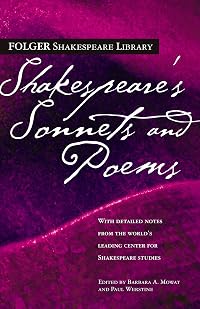
William Shakespeare: The Complete Sonnets and Poems
by William Shakespeare
On This Page
Description
Despite the foundational place of Shakespeare's poems within his oeuvre, modern readers seldom engage with his non-dramatic works as a whole. This volume includes all of Shakespeare's sonnets and poems and explains how this state of affairs has arisen.Tags
Recommendations


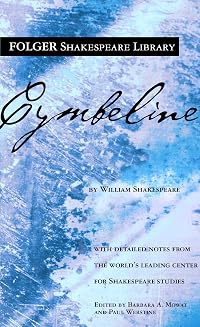
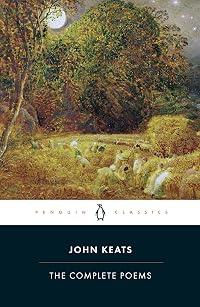
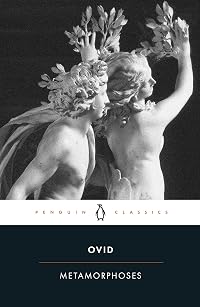
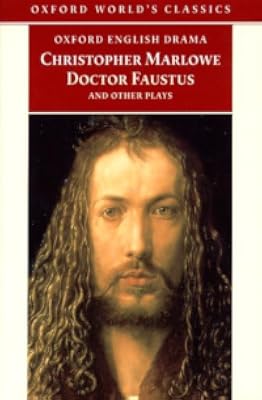





Member Recommendations

davidcla Excellent critical commentary on the poems.
Member Reviews
What an exquisite edition of one of the greatest works in the Western canon. Armed with an authoritative editorial team, Professor Jonathan Bate has reworked all of Shakespeare's plays, as well as his poems. The footnotes are extensive and cover all meanings of words (including the more salacious ones that many school texts leave out), while also providing informative historical and contextual information.
This edition seeks to give us every word attributed to Shakespeare (although, as it points out at length, we can't really know what he wrote: all of our current versions come from a variety of sources typeset in his later years, and primarily from the First Folio printed after his death. Any work of the Bard's is distorted in some show more way). With appendices and footnotes, notable textual errors or areas of debate are highlighted.
There is so much to love here. Epic tragedies - Antony and Cleopatra, Julius Caesar, Hamlet, King Lear - joined by their lesser, but poetically affecting counterparts like Othello, Macbeth, Romeo and Juliet and Titus Andronicus. Shakespeare plays with and shuffles around comic tropes in his wide variety of comedies: peaks include The Comedy of Errors, Love's Labour's Lost, A Midsummer Night's Dream and Much Ado About Nothing.
In his more subdued romances, Shakespeare often seems reduced to more typical characters yet imbues than with layer upon layer of subtlety: Measure for Measure and The Winter's Tale are particularly splendid examples. Some of the tragedies and comedies aren't as startling, and some are challenging - such as his part-satire Troilus and Cressida - but every work brims with characters whose opinions, beliefs and motives are individual, and not simply echoing those of an author. Beyond these plays lies a staggering cycle of love poems in The Sonnets, as well as his other various poetry which always makes fascinating, lyrical reading.
Capping all this is Shakespeare's incredible cycle of English history, which details the country's fate from 1199 to 1533, through the stories of the English monarchs: their battles, their loves, their lives and the effect their squabbles have over countless citizens. The cycle begins with the somewhat talky King John (far from my favourite work, but well presented in the BBC Complete Works cycle) and ends with the autumnal King Henry VIII. In between are eight plays (two tetraologies) which encompass the Wars of the Roses, and they are astonishing. From the private thoughts of the monarch to the most unimportant peasant, Shakespeare captures an age.
The introductions on each play detail cultural successes over the centuries, as well as basic historical information. I've seen people suggest other aspects that could improve this - such as a suggestion of ways to double parts (this is defined as the "actor's edition"). Certainly, I can accept that, but as it stands this is already beyond a 5-star piece of work. A place of honour on my shelf, that's for sure. show less
This edition seeks to give us every word attributed to Shakespeare (although, as it points out at length, we can't really know what he wrote: all of our current versions come from a variety of sources typeset in his later years, and primarily from the First Folio printed after his death. Any work of the Bard's is distorted in some show more way). With appendices and footnotes, notable textual errors or areas of debate are highlighted.
There is so much to love here. Epic tragedies - Antony and Cleopatra, Julius Caesar, Hamlet, King Lear - joined by their lesser, but poetically affecting counterparts like Othello, Macbeth, Romeo and Juliet and Titus Andronicus. Shakespeare plays with and shuffles around comic tropes in his wide variety of comedies: peaks include The Comedy of Errors, Love's Labour's Lost, A Midsummer Night's Dream and Much Ado About Nothing.
In his more subdued romances, Shakespeare often seems reduced to more typical characters yet imbues than with layer upon layer of subtlety: Measure for Measure and The Winter's Tale are particularly splendid examples. Some of the tragedies and comedies aren't as startling, and some are challenging - such as his part-satire Troilus and Cressida - but every work brims with characters whose opinions, beliefs and motives are individual, and not simply echoing those of an author. Beyond these plays lies a staggering cycle of love poems in The Sonnets, as well as his other various poetry which always makes fascinating, lyrical reading.
Capping all this is Shakespeare's incredible cycle of English history, which details the country's fate from 1199 to 1533, through the stories of the English monarchs: their battles, their loves, their lives and the effect their squabbles have over countless citizens. The cycle begins with the somewhat talky King John (far from my favourite work, but well presented in the BBC Complete Works cycle) and ends with the autumnal King Henry VIII. In between are eight plays (two tetraologies) which encompass the Wars of the Roses, and they are astonishing. From the private thoughts of the monarch to the most unimportant peasant, Shakespeare captures an age.
The introductions on each play detail cultural successes over the centuries, as well as basic historical information. I've seen people suggest other aspects that could improve this - such as a suggestion of ways to double parts (this is defined as the "actor's edition"). Certainly, I can accept that, but as it stands this is already beyond a 5-star piece of work. A place of honour on my shelf, that's for sure. show less
I'm not going to review the actual sonnets. Others have done it better and at great length. Obviously repays reading and rereading but every time I find something new.
This edition is excellent. The poetry is presented clearly and cleanly and the notes don't overdo it as the Arden has a tendency to. Language and vocabulary are explained, contentious passages are discussed and additional meanings are covered, including, of course, the double entendres.
This edition is excellent. The poetry is presented clearly and cleanly and the notes don't overdo it as the Arden has a tendency to. Language and vocabulary are explained, contentious passages are discussed and additional meanings are covered, including, of course, the double entendres.
There is a very definite reason that some of Shakespeare's sonnets are recognizable by the completion of the first line, whereas with others, you could hear the whole thing and not have any idea who wrote it (or what it was about). Some of the sonnets are very nice, but on the whole, I didn't care for them very much. The epic poems where more interesting to me (The Rape of Lucrece and Venus and Adonis).
teeny book of poetry, seems to be affiliated to Allied newspapers, maybe a free gift, dated in pencil 1890
Shakespeare skrev som bekant inte endast dramer utan även poesi: förutom sonetterna, som troligen är de mest kända, finns några längre, berättande poem bevarade. Dessa är Venus and Adonis och Lucrece (även känd som The Rape of Lucrece), med ämnen hämtade ur den klassiska litteraturen, den allegoriska The Turtle and the Phoenix (turturduva, inte sköldpadda), och The Lover's Complaint, om en bedragen flickas veklagan över den trolöse unge mannen. Den volym jag äger heter Sonnets and Poems (naturligtvis finns det många olika utgåvor), och innehåller inga som helst kommentarer eller noter. I vissa fall (de klassiska dikterna) var detta ingen större förlust, i andra (allegorin och sonetterna) hade sådant varit till stor show more nytta.
Sonetterna är hur som haver indelade i olika grupper: först 17 stycken som uppmuntrar en ung man att skaffa barn på det att hans skönhet inte må förgås utan leva vidare i dem (ett tema som återkommer från både Venus and Adonis och Lucrece), sedan 108 riktade till en »skön yngling« som poeten uppenbart är förälskad i, varefter i de sista sonetterna beskrivs ett förhållande med en »mörk dam«:
My mistress' eyes are nothing like the sun;
Coral is far more red, than her lips red:
If snow be white, why then her breasts are dun;
If hairs be wires, black wires grow on her head.
I have seen roses damask'd, red and white,
But no such roses see I in her cheeks;
And in some perfumes is there more delight
Than in the breath that from my mistress reeks.
I love to hear her speak, yet well I know
That music hath a far more pleasing sound:
I grant I never saw a goddess go,—
My mistress, when she walks, treads on the ground:
And yet by heaven, I think my love as rare,
As any she belied with false compare.
(Sonnet 130). Denna dam har tydligen stulit ynglingens kärlek, till skillnad från den rivaliserande poet som Shakespeare tidigare haft att tampas med och vars överlägsenhet han erkänt (samtidigt som han klart påstått att det enda som står mellan ynglingen och glömskan är hans vers – ironiskt med tanke på all den möda som ägnats att ta reda på vem den anonyme ynglingen kan ha varit).
Sonetterna är på det hela taget trevlig, om ibland lite väl tung läsning. Liknande kan sägas om de två kortare av de berättande verserna, och de är på det hela taget inte så värst speciella och gav inga större intryck. Även om berättelsen om Sextus Tarquinius våldtäkt på Lucretia ibland även den går lite långsamt och tar en omväg via en målning över det trojanska kriget för att visa upp poetens kunskaper, så är den ändå för det mesta klar och redig, även om moralen med moderna ögon sett är förkastlig. Det var den i och flr sig på Shakespeares tid också, men då snarare för att den var kättersk än misogyn: att som Lucretia begå självmord – oavsett om det var för att tvätta bort skammen av att ha tvingats leva med en annan man – sågs som bekant som liktydig med enkelbiljett till helvetet.
Nej, klarast lyser Venus och Adonis, om kärleksgudinnans lust efter den ovillige ynglingen och hur hon först med milt våld försöker tvinga sig på honom för att till slut se honom gå till sina kamrater för en jakt, trots att hon varnar honom för vildsvinet. Han överlever inte detta möte, vilket framkallar stor poesi när Venus först söker efter honom och sedan, efter att ha funnits hans blodiga kropp beklagar sig.
Shakespeares poesi är inte felfri, men det är tydligt att han kan göra minst lika väl ifrån sig med rim som han normalt gör utan. Den som uppskattar hans mer lyriska kvaliteter bör stifta bekantskap med även denna sida av hans produktion. show less
Sonetterna är hur som haver indelade i olika grupper: först 17 stycken som uppmuntrar en ung man att skaffa barn på det att hans skönhet inte må förgås utan leva vidare i dem (ett tema som återkommer från både Venus and Adonis och Lucrece), sedan 108 riktade till en »skön yngling« som poeten uppenbart är förälskad i, varefter i de sista sonetterna beskrivs ett förhållande med en »mörk dam«:
My mistress' eyes are nothing like the sun;
Coral is far more red, than her lips red:
If snow be white, why then her breasts are dun;
If hairs be wires, black wires grow on her head.
I have seen roses damask'd, red and white,
But no such roses see I in her cheeks;
And in some perfumes is there more delight
Than in the breath that from my mistress reeks.
I love to hear her speak, yet well I know
That music hath a far more pleasing sound:
I grant I never saw a goddess go,—
My mistress, when she walks, treads on the ground:
And yet by heaven, I think my love as rare,
As any she belied with false compare.
(Sonnet 130). Denna dam har tydligen stulit ynglingens kärlek, till skillnad från den rivaliserande poet som Shakespeare tidigare haft att tampas med och vars överlägsenhet han erkänt (samtidigt som han klart påstått att det enda som står mellan ynglingen och glömskan är hans vers – ironiskt med tanke på all den möda som ägnats att ta reda på vem den anonyme ynglingen kan ha varit).
Sonetterna är på det hela taget trevlig, om ibland lite väl tung läsning. Liknande kan sägas om de två kortare av de berättande verserna, och de är på det hela taget inte så värst speciella och gav inga större intryck. Även om berättelsen om Sextus Tarquinius våldtäkt på Lucretia ibland även den går lite långsamt och tar en omväg via en målning över det trojanska kriget för att visa upp poetens kunskaper, så är den ändå för det mesta klar och redig, även om moralen med moderna ögon sett är förkastlig. Det var den i och flr sig på Shakespeares tid också, men då snarare för att den var kättersk än misogyn: att som Lucretia begå självmord – oavsett om det var för att tvätta bort skammen av att ha tvingats leva med en annan man – sågs som bekant som liktydig med enkelbiljett till helvetet.
Nej, klarast lyser Venus och Adonis, om kärleksgudinnans lust efter den ovillige ynglingen och hur hon först med milt våld försöker tvinga sig på honom för att till slut se honom gå till sina kamrater för en jakt, trots att hon varnar honom för vildsvinet. Han överlever inte detta möte, vilket framkallar stor poesi när Venus först söker efter honom och sedan, efter att ha funnits hans blodiga kropp beklagar sig.
Shakespeares poesi är inte felfri, men det är tydligt att han kan göra minst lika väl ifrån sig med rim som han normalt gör utan. Den som uppskattar hans mer lyriska kvaliteter bör stifta bekantskap med även denna sida av hans produktion. show less
Mar 8, 2010Swedish
LB-3
Nov 13, 2020Catalan
Members
- Recently Added By
Lists

Harold Bloom - The Western Canon: B. The Aristocratic Age
231 works; 13 members

Philip Ward's Lifetime Reading Plan
592 works; 22 members

'Books You Can't Live Without: The Top 100', The Guardian, 2007
156 works; 7 members
Author Information

6,148+ Works 443,353 Members
William Shakespeare, 1564 - 1616 Although there are many myths and mysteries surrounding William Shakespeare, a great deal is actually known about his life. He was born in Stratford-Upon-Avon, son of John Shakespeare, a prosperous merchant and local politician and Mary Arden, who had the wealth to send their oldest son to Stratford Grammar School. show more At 18, Shakespeare married Anne Hathaway, the 27-year-old daughter of a local farmer, and they had their first daughter six months later. He probably developed an interest in theatre by watching plays performed by traveling players in Stratford while still in his youth. Some time before 1592, he left his family to take up residence in London, where he began acting and writing plays and poetry. By 1594 Shakespeare had become a member and part owner of an acting company called The Lord Chamberlain's Men, where he soon became the company's principal playwright. His plays enjoyed great popularity and high critical acclaim in the newly built Globe Theatre. It was through his popularity that the troupe gained the attention of the new king, James I, who appointed them the King's Players in 1603. Before retiring to Stratford in 1613, after the Globe burned down, he wrote more than three dozen plays (that we are sure of) and more than 150 sonnets. He was celebrated by Ben Jonson, one of the leading playwrights of the day, as a writer who would be "not for an age, but for all time," a prediction that has proved to be true. Today, Shakespeare towers over all other English writers and has few rivals in any language. His genius and creativity continue to astound scholars, and his plays continue to delight audiences. Many have served as the basis for operas, ballets, musical compositions, and films. While Jonson and other writers labored over their plays, Shakespeare seems to have had the ability to turn out work of exceptionally high caliber at an amazing speed. At the height of his career, he wrote an average of two plays a year as well as dozens of poems, songs, and possibly even verses for tombstones and heraldic shields, all while he continued to act in the plays performed by the Lord Chamberlain's Men. This staggering output is even more impressive when one considers its variety. Except for the English history plays, he never wrote the same kind of play twice. He seems to have had a good deal of fun in trying his hand at every kind of play. Shakespeare wrote 154 sonnets, all published on 1609, most of which were dedicated to his patron Henry Wriothsley, The Earl of Southhampton. He also wrote 13 comedies, 13 histories, 6 tragedies, and 4 tragecomedies. He died at Stratford-upon-Avon April 23, 1616, and was buried two days later on the grounds of Holy Trinity Church in Stratford. His cause of death was unknown, but it is surmised that he knew he was dying. (Bowker Author Biography) show less
Some Editions
Series
Belongs to Publisher Series
Work Relationships
Is contained in
Common Knowledge
- Canonical title
- William Shakespeare: The Complete Sonnets and Poems
- Alternate titles
- Shakespeare's Sonnets & Poems
- Original publication date
- 1904
- People/Characters
- William Shakespeare; Fair Youth; Rival Poet; Dark Lady; Cupid; Venus (show all 13); Adonis; Lucretia (Lucrece); Sextus Tarquinius; Lucius Tarquinius Collatinus; Phoenix; Turtle Dove; Passionate Pilgrim
- Disambiguation notice
- The text used for this edition is that prepared by the late Arthur Henry Bullen for the Stratford Town Edition, to print which he founded the Shakespeare Head Press in 1904.
Classifications
Statistics
- Members
- 1,613
- Popularity
- 14,061
- Reviews
- 7
- Rating
- (4.41)
- Languages
- English, Estonian, French, Italian
- Media
- Paper, Ebook
- ISBNs
- 26
- ASINs
- 15