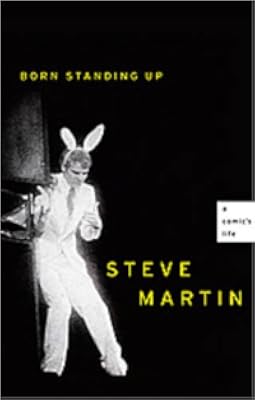
Born Standing Up: A Comic's Life
by Steve Martin
On This Page
Description
The riveting, mega-bestselling, beloved and highly acclaimed memoir of a man, a vocation, and an era named one of the ten best nonfiction titles of the year by Time and Entertainment Weekly.In the mid-seventies, Steve Martin exploded onto the comedy scene. By 1978 he was the biggest concert draw in the history of stand-up. In 1981 he quit forever. This book is, in his own words, the story of "why I did stand-up and why I walked away."
Emmy and Grammy Award–winner, author of the acclaimed show more New York Times bestsellers Shopgirl and The Pleasure of My Company, and a regular contributor to The New Yorker, Martin has always been a writer. His memoir of his years in stand-up is candid, spectacularly amusing, and beautifully written.
At age ten Martin started his career at Disneyland, selling guidebooks in the newly opened theme park. In the decade that followed, he worked in the Disney magic shop and the Bird Cage Theatre at Knott's Berry Farm, performing his first magic/comedy act a dozen times a week. The story of these years, during which he practiced and honed his craft, is moving and revelatory. The dedication to excellence and innovation is formed at an astonishingly early age and never wavers or wanes.
Martin illuminates the sacrifice, discipline, and originality that made him an icon and informs his work to this day. To be this good, to perform so frequently, was isolating and lonely. It took Martin decades to reconnect with his parents and sister, and he tells that story with great tenderness. Martin also paints a portrait of his times—the era of free love and protests against the war in Vietnam, the heady irreverence of The Smothers Brothers Comedy Hour in the late sixties, and the transformative new voice of Saturday Night Live in the seventies.
Throughout the text, Martin has placed photographs, many never seen before. Born Standing Up is a superb testament to the sheer tenacity, focus, and daring of one of the greatest and most iconoclastic comedians of all time. show less
Tags
Recommendations




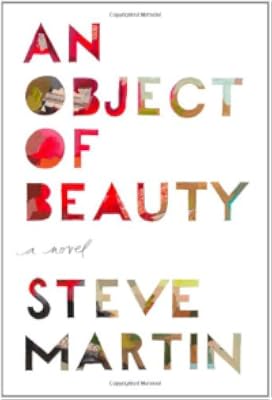

Member Recommendations

Member Reviews
I remember watching The Sunday Show in 1996 when Dennis Pennis buttonholed Steve Martin at a red carpet do somewhere – ‘Steve! Steve! Just one question—’ and then as Martin leaned in expectantly: ‘How come you're not funny anymore?’
He looked genuinely distraught as he turned away (in fact it later emerged that he had cancelled all his press engagements as a result), but the trajectory he was on is one that's become familiar – from live stand-up to film comedies, and from film comedies to more bittersweet roles, and finally to worthy passion projects. We can admire Steve Martin the banjo virtuoso like we can admire Hugh Laurie the pianist, but the primary feeling is one of tolerance rather than enthusiasm. In our heart of show more hearts we want Steve to put on a white suit and wear an arrow through his head, just like we want Hugh to be eternally getting punched in the face by Rowan Atkinson.
Like it or not, they're past all that, and the perspective is an important one for this book. Comedians frequently refer to Born Standing Up as the finest memoir of its kind, but the most striking thing about it is that – unlike a lot of stand-up memoirs I've read – it is not the analysis of a working comic about how their act has been honed, but rather the reflections of someone looking back in a tone of melancholy forbearance on a distant period of their youth. Sometimes, typing out his performance notes from the 70s, he seems unsure of the jokes, and eventually admits to the reader that he no longer gets the material.
At his prime, though, in the late 1970s, Steve Martin changed everything, inventing a new kind of stand-up comedy based on absurdist nonsequiturs, exuberant physical gags, and a constant, simmering hilarity which had been stripped of punchlines so that the audience was never allowed to release the tension. Watching him gradually arrive at this style, by fortuitous increments and occasional ‘intuitive leaps’, is fascinating, although it's told rather dispassionately, without any of the thrill that must have accompanied it at the time.
More vivid are his descriptions of the banal exigencies of touring, the exciting anonymity of life on the road and the exposure it gave him to different oddball characters – and girls, of whom he seems to have had one in every port. He is rather charming on this subject.
One night I opened the show for Linda Ronstadt; she sang barefoot on a raised stage and wore a silver lamé dress that stopped a millimeter below her panties, causing the floor of the Troubadour to be slick with drool. Linda and I saw each other for a while, but I was so intimidated by her talent and street smarts that, after the ninth date, she finally said, “Steve, do you often date girls and not try to sleep with them?” We parted chaste.
You can see that Martin is graceful enough to recognise the primary reason people read autobiographies, namely to find out who you were sleeping with back in the day. This winning anecdote, from his days of obscurity, contrasts interestingly with another story from some chapters later, when, now as the most famous comedian on the planet, he tries to take someone out on date.
After the salad course, she started talking about her boyfriend.
“You have a boyfriend?” I asked, puzzled.
“Yes, I do.”
“Does he know you're out with me?” I asked.
“Yes, he does.”
“And what does he think of that?”
“He thinks it's great!”
I was now famous, and the normal rules of social interaction no longer applied.
The distance Martin, as writer, has from his material may be a little disconcerting at times, but it does allow him to organise and streamline his material without getting distracted. He stopped doing stand-up overnight and – he says – never looked back once until he sat down to write this book. He should look back more often, because this is a joy to read – I just bought it a few hours ago in a bookshop outside Detroit, and I've bombed through the whole thing in a single afternoon. He may not be funny anymore, at least not in the same way, but his creativity and wit haven't gone anywhere. show less
He looked genuinely distraught as he turned away (in fact it later emerged that he had cancelled all his press engagements as a result), but the trajectory he was on is one that's become familiar – from live stand-up to film comedies, and from film comedies to more bittersweet roles, and finally to worthy passion projects. We can admire Steve Martin the banjo virtuoso like we can admire Hugh Laurie the pianist, but the primary feeling is one of tolerance rather than enthusiasm. In our heart of show more hearts we want Steve to put on a white suit and wear an arrow through his head, just like we want Hugh to be eternally getting punched in the face by Rowan Atkinson.
Like it or not, they're past all that, and the perspective is an important one for this book. Comedians frequently refer to Born Standing Up as the finest memoir of its kind, but the most striking thing about it is that – unlike a lot of stand-up memoirs I've read – it is not the analysis of a working comic about how their act has been honed, but rather the reflections of someone looking back in a tone of melancholy forbearance on a distant period of their youth. Sometimes, typing out his performance notes from the 70s, he seems unsure of the jokes, and eventually admits to the reader that he no longer gets the material.
At his prime, though, in the late 1970s, Steve Martin changed everything, inventing a new kind of stand-up comedy based on absurdist nonsequiturs, exuberant physical gags, and a constant, simmering hilarity which had been stripped of punchlines so that the audience was never allowed to release the tension. Watching him gradually arrive at this style, by fortuitous increments and occasional ‘intuitive leaps’, is fascinating, although it's told rather dispassionately, without any of the thrill that must have accompanied it at the time.
More vivid are his descriptions of the banal exigencies of touring, the exciting anonymity of life on the road and the exposure it gave him to different oddball characters – and girls, of whom he seems to have had one in every port. He is rather charming on this subject.
One night I opened the show for Linda Ronstadt; she sang barefoot on a raised stage and wore a silver lamé dress that stopped a millimeter below her panties, causing the floor of the Troubadour to be slick with drool. Linda and I saw each other for a while, but I was so intimidated by her talent and street smarts that, after the ninth date, she finally said, “Steve, do you often date girls and not try to sleep with them?” We parted chaste.
You can see that Martin is graceful enough to recognise the primary reason people read autobiographies, namely to find out who you were sleeping with back in the day. This winning anecdote, from his days of obscurity, contrasts interestingly with another story from some chapters later, when, now as the most famous comedian on the planet, he tries to take someone out on date.
After the salad course, she started talking about her boyfriend.
“You have a boyfriend?” I asked, puzzled.
“Yes, I do.”
“Does he know you're out with me?” I asked.
“Yes, he does.”
“And what does he think of that?”
“He thinks it's great!”
I was now famous, and the normal rules of social interaction no longer applied.
The distance Martin, as writer, has from his material may be a little disconcerting at times, but it does allow him to organise and streamline his material without getting distracted. He stopped doing stand-up overnight and – he says – never looked back once until he sat down to write this book. He should look back more often, because this is a joy to read – I just bought it a few hours ago in a bookshop outside Detroit, and I've bombed through the whole thing in a single afternoon. He may not be funny anymore, at least not in the same way, but his creativity and wit haven't gone anywhere. show less
Steve Martin, one of the most obviously intelligent comedy artists of his generation, has written a genial and serious book about the art of stand-up comedy as he saw it during his development in the 1960s and his enormous success in the 1970s. The book is charming and funny, yet it trades easy laughs for a real look at what went into the building of a spectacular career. Martin is authentic in his description of his upbringing in a family that didn't discover closeness until almost too late. It's a lovely and sometimes touching book.
(Reprinted from the Chicago Center for Literature and Photography [cclapcenter.com]. I am the original author of this essay, as well as the owner of CCLaP; it is not being reprinted here illegally.)
I hope this isn't too embarrassing a thing to admit, but when I was a kid I used to have Steve Martin's old comedy albums literally memorized; and I mean, literally, back in the late '70s and early '80s when he was at his commercial height, back when I was ten, eleven, twelve years old, I could literally relate entire routines of his to a public audience (and sometimes did), pause for pause and inflection for inflection. And now I look back, of course, and wonder what the childhood-me ever saw in Martin's edgy, countercultural performances; show more as can be expected from a '70s comedian, most of his work was about drugs and sex and other strictly adult topics, half the jokes zooming right over my head as a child even as I was able to perfectly recite them. I guess, then, that it was maybe the pure manic energy Martin brought to his performance, the traditional zaniness of it all, which I guess adults were enjoying for ironic reasons at the time but I loved just because it was silly -- a grown man wearing rabbit ears, a clown wearing a formal three-piece white suit. "Well, excuuuuuuuusssse meeeeee!!!!"
So how interesting, then, to get to sit down and read Martin's memoirs on those years, Born Standing Up, decades after he quit stand-up for good, decades where he has been ambivalent and shy about his stand-up years in the first place, preferring to constantly delve forward with his traditional acting instead, as well as the more intellectual humor that has defined his later career as a novelist and playwright. Because as this tight, slim, plainly-spoken, always entertaining volume shows, it was in fact precisely the combination of his traditional showbiz childhood experiences and the countercultural excesses of the '60s that led to his act in the first place, not an affectation of any sort but merely the things that naturally interested him back then, the things that he naturally found funny; but by doing so, he in fact forged something entirely new, unique and unforgettable, leading to him at one point being the number-one live-entertainment draw in the entire United States, and this counting rock musicians as well.
That's important to remember about Martin's early career, that he had the kinds of live-audience successes that sound surreal anymore in these "Laff Shack on every corner" days; at the height of his stand-up years, he was sometimes packing in 20,000 people a night or more, night after night and city after city, precisely because he did the kind of hybrid performance that no other comedian did, a wry sensibility attuned to the times combined with literal cornball routines and effects from the Catskills era. It'd be easy to believe, as many did, that Martin deliberately added these cornball details to his routine at a certain point during adulthood, precisely for the ironic enjoyment that jaded '70s audiences would get out of it; but as this book shows, these elements have actually been a consistent part of his public act since literally his teenage years, when he worked at the magic store inside of California's Disneyland during high school, wearing such things as arrows-through-the-head and Groucho Marx glasses unironically, trying to actually sell more of them at the store. Once he got into college, according to him, once he was in his twenties and starting to put together an adult touring club routine of his own, he simply left the magic-store accrouchements in, simply because he was 20 and a terrible comedian and needed stuff to fall back on; it was only as he started getting older, started embracing more of the countercultural things going on around him, that these details took on their ironic effect, by which time he was a good enough comedian to understand how to exploit them for that purpose.
In fact, it's no surprise that no less than Jerry Seinfeld has called Born Standing Up "one of the best books about comedy and being a comedian ever written," because this is a very wonky, very process-obsessed memoir, a chance for Martin to literally record the steps that moved him from one moment to the next in his early career, to literally talk about the specific things he changed from step to step, the specific things he held onto. Because let's face it, there's actually a hugely fascinating milieu of significant events that was swarming around him during his youth; raised in southern California, actually a philosophy student at college while first pursuing a career as a comedian, Martin was lovers and roommates with all the various future legends of Hollywood, but also compatriots with student radicals, art historians, blacklisted Communist writers, and all kinds of other people who would have such a profound effect on his later, more mature career. (For those who don't know, in fact, on top of his performance career, he's currently also one of the most respected private collectors of 20th-century art in the entire country.) He was a writer on the old "Smothers Brothers Comedy Show," right at the height of its Nixon-hating, network-preempting controversy; he was brought into the now-classic "Saturday Night Live" right at its most daring start, one of the people who helped cement the show into what it now is. When the "Lenny Bruce Look" finally became the norm on comedy stages in the mid-'70s, he switched over to a short haircut and a three-piece suit, for no other reason than to be different; and then right at the height of his career, a moment when he was literally selling out basketball stadiums for weeks on end, he walked away from it all and never looked back.
And that's maybe the biggest irony about Martin's early career, as so smartly but sometimes cynically detailed in Born Standing Up; that he had never meant to be a stand-up in the first place, had only done so because he literally had nothing else going on in his life at the time, and in fact couldn't wait to walk away from it all as soon as he could, perpetually embarrassed as he was over the entire stand-up industry in the first place. And in this I share a deep empathy with Martin, in that this is how I in general feel as well about my own youthful years in the slam-poetry community of the 1990s; how even something that brings a person quick fame and attention can ultimately be embarrassing to the person it's benefiting, how a person can be weirdly proud of what they themselves did within that medium but still deeply disappointed by the medium itself, by everyone else in it and what the general public thinks of it. As Martin explains throughout this memoir, he has always seen writing and intellectualism as much more worthy life pursuits than simply getting on a stage and making with the yuk-yuk, and in fact even needed to be convinced by friends to write the memoir in the first place; it's very telling, I think, that he actually had to hire a researcher to track down all the photos and documents seen throughout the manuscript, in that he had held on to barely any of this stuff himself.
That's a fascinating thing about Martin, I think, that his career can be classified into such two clean and unrelated halves, not just the mediums he's worked in but even the type of humor he uses. He truly was a master of the stand-up format, which is why I have such immense respect for him for walking away from it all, the moment his fame got big enough that he had the actual opportunity to do so, to delve instead into traditional movies and traditional acting. But I have to say, I'm glad as well that he was eventually convinced to indeed write Born Standing Up -- it's a treasure trove of information for anyone who was old fan of his from those years, as well as any aspiring stage performer who wants to understand more about how one hones one's craft over time. It comes highly recommended today.
Out of 10: 9.0 show less
I hope this isn't too embarrassing a thing to admit, but when I was a kid I used to have Steve Martin's old comedy albums literally memorized; and I mean, literally, back in the late '70s and early '80s when he was at his commercial height, back when I was ten, eleven, twelve years old, I could literally relate entire routines of his to a public audience (and sometimes did), pause for pause and inflection for inflection. And now I look back, of course, and wonder what the childhood-me ever saw in Martin's edgy, countercultural performances; show more as can be expected from a '70s comedian, most of his work was about drugs and sex and other strictly adult topics, half the jokes zooming right over my head as a child even as I was able to perfectly recite them. I guess, then, that it was maybe the pure manic energy Martin brought to his performance, the traditional zaniness of it all, which I guess adults were enjoying for ironic reasons at the time but I loved just because it was silly -- a grown man wearing rabbit ears, a clown wearing a formal three-piece white suit. "Well, excuuuuuuuusssse meeeeee!!!!"
So how interesting, then, to get to sit down and read Martin's memoirs on those years, Born Standing Up, decades after he quit stand-up for good, decades where he has been ambivalent and shy about his stand-up years in the first place, preferring to constantly delve forward with his traditional acting instead, as well as the more intellectual humor that has defined his later career as a novelist and playwright. Because as this tight, slim, plainly-spoken, always entertaining volume shows, it was in fact precisely the combination of his traditional showbiz childhood experiences and the countercultural excesses of the '60s that led to his act in the first place, not an affectation of any sort but merely the things that naturally interested him back then, the things that he naturally found funny; but by doing so, he in fact forged something entirely new, unique and unforgettable, leading to him at one point being the number-one live-entertainment draw in the entire United States, and this counting rock musicians as well.
That's important to remember about Martin's early career, that he had the kinds of live-audience successes that sound surreal anymore in these "Laff Shack on every corner" days; at the height of his stand-up years, he was sometimes packing in 20,000 people a night or more, night after night and city after city, precisely because he did the kind of hybrid performance that no other comedian did, a wry sensibility attuned to the times combined with literal cornball routines and effects from the Catskills era. It'd be easy to believe, as many did, that Martin deliberately added these cornball details to his routine at a certain point during adulthood, precisely for the ironic enjoyment that jaded '70s audiences would get out of it; but as this book shows, these elements have actually been a consistent part of his public act since literally his teenage years, when he worked at the magic store inside of California's Disneyland during high school, wearing such things as arrows-through-the-head and Groucho Marx glasses unironically, trying to actually sell more of them at the store. Once he got into college, according to him, once he was in his twenties and starting to put together an adult touring club routine of his own, he simply left the magic-store accrouchements in, simply because he was 20 and a terrible comedian and needed stuff to fall back on; it was only as he started getting older, started embracing more of the countercultural things going on around him, that these details took on their ironic effect, by which time he was a good enough comedian to understand how to exploit them for that purpose.
In fact, it's no surprise that no less than Jerry Seinfeld has called Born Standing Up "one of the best books about comedy and being a comedian ever written," because this is a very wonky, very process-obsessed memoir, a chance for Martin to literally record the steps that moved him from one moment to the next in his early career, to literally talk about the specific things he changed from step to step, the specific things he held onto. Because let's face it, there's actually a hugely fascinating milieu of significant events that was swarming around him during his youth; raised in southern California, actually a philosophy student at college while first pursuing a career as a comedian, Martin was lovers and roommates with all the various future legends of Hollywood, but also compatriots with student radicals, art historians, blacklisted Communist writers, and all kinds of other people who would have such a profound effect on his later, more mature career. (For those who don't know, in fact, on top of his performance career, he's currently also one of the most respected private collectors of 20th-century art in the entire country.) He was a writer on the old "Smothers Brothers Comedy Show," right at the height of its Nixon-hating, network-preempting controversy; he was brought into the now-classic "Saturday Night Live" right at its most daring start, one of the people who helped cement the show into what it now is. When the "Lenny Bruce Look" finally became the norm on comedy stages in the mid-'70s, he switched over to a short haircut and a three-piece suit, for no other reason than to be different; and then right at the height of his career, a moment when he was literally selling out basketball stadiums for weeks on end, he walked away from it all and never looked back.
And that's maybe the biggest irony about Martin's early career, as so smartly but sometimes cynically detailed in Born Standing Up; that he had never meant to be a stand-up in the first place, had only done so because he literally had nothing else going on in his life at the time, and in fact couldn't wait to walk away from it all as soon as he could, perpetually embarrassed as he was over the entire stand-up industry in the first place. And in this I share a deep empathy with Martin, in that this is how I in general feel as well about my own youthful years in the slam-poetry community of the 1990s; how even something that brings a person quick fame and attention can ultimately be embarrassing to the person it's benefiting, how a person can be weirdly proud of what they themselves did within that medium but still deeply disappointed by the medium itself, by everyone else in it and what the general public thinks of it. As Martin explains throughout this memoir, he has always seen writing and intellectualism as much more worthy life pursuits than simply getting on a stage and making with the yuk-yuk, and in fact even needed to be convinced by friends to write the memoir in the first place; it's very telling, I think, that he actually had to hire a researcher to track down all the photos and documents seen throughout the manuscript, in that he had held on to barely any of this stuff himself.
That's a fascinating thing about Martin, I think, that his career can be classified into such two clean and unrelated halves, not just the mediums he's worked in but even the type of humor he uses. He truly was a master of the stand-up format, which is why I have such immense respect for him for walking away from it all, the moment his fame got big enough that he had the actual opportunity to do so, to delve instead into traditional movies and traditional acting. But I have to say, I'm glad as well that he was eventually convinced to indeed write Born Standing Up -- it's a treasure trove of information for anyone who was old fan of his from those years, as well as any aspiring stage performer who wants to understand more about how one hones one's craft over time. It comes highly recommended today.
Out of 10: 9.0 show less
How did a shy guy become the world's most popular "wild and crazy guy," while remaining an introvert? Steven Martin tells us in his remarkable memoir “Born Standing Up” (2007).
Martin got his start when Disneyland opened in Anaheim, just a bicycle ride from his home. He started working there as a 10-year-old, passing out brochures. Already fascinated by magic, he hung out in the magic shops in the park and eventually got a job at one of them, demonstrating tricks and learning the comic patter.
He traces the real start to his show business career to the Bird Cage Theatre at Knott's Berry Farm, where as a teenager he performed regularly in a variety of acts for park visitors, including solo performances incorporating magic, banjo show more picking and comedy, most of the latter borrowed from others. Then came the long, lonely road of trying to make it as a standup comic traveling across the country from one small club to another, sometimes performing for, quite literally, an empty house.
Success came gradually, thanks to television appearances and a comedy record. He says it took years for Johnny Carson to get his act, scheduling him only when his show had a guest host. Martin clicked with Carson about the same time he clicked with everyone else, and almost overnight he was performing to crowds of thousands of people. Martin calls this success "the loneliest period of my life." It was a life lived mostly on stage and in hotel rooms, his sudden fame making it impossible for him to walk down the street or eat in a restaurant.
Martin tells about his appearances on “Saturday Night Live” and the beginning of his movie career, both of which multiplied his income, fame and loneliness. He quit stand-up after a performance in Atlantic City. "I went to my dressing room, opened my travel-weary black prop case, and stowed away my magic act, thinking that one day I would open it and look at it sentimentally, which for no particular reason, I haven't."
Yet Martin does get sentimental about the Bird Cage Theatre, which he returned to refresh the memories it holds, and about his family. He says he never felt loved by his father and never got close to his older sister, yet once his days on the road ended he was able to connect meaningfully with both of them.
Martin, the author of several books, is a terrific writer. His memoir moves along spritely, full of humor and grace. And lots of photos. show less
Martin got his start when Disneyland opened in Anaheim, just a bicycle ride from his home. He started working there as a 10-year-old, passing out brochures. Already fascinated by magic, he hung out in the magic shops in the park and eventually got a job at one of them, demonstrating tricks and learning the comic patter.
He traces the real start to his show business career to the Bird Cage Theatre at Knott's Berry Farm, where as a teenager he performed regularly in a variety of acts for park visitors, including solo performances incorporating magic, banjo show more picking and comedy, most of the latter borrowed from others. Then came the long, lonely road of trying to make it as a standup comic traveling across the country from one small club to another, sometimes performing for, quite literally, an empty house.
Success came gradually, thanks to television appearances and a comedy record. He says it took years for Johnny Carson to get his act, scheduling him only when his show had a guest host. Martin clicked with Carson about the same time he clicked with everyone else, and almost overnight he was performing to crowds of thousands of people. Martin calls this success "the loneliest period of my life." It was a life lived mostly on stage and in hotel rooms, his sudden fame making it impossible for him to walk down the street or eat in a restaurant.
Martin tells about his appearances on “Saturday Night Live” and the beginning of his movie career, both of which multiplied his income, fame and loneliness. He quit stand-up after a performance in Atlantic City. "I went to my dressing room, opened my travel-weary black prop case, and stowed away my magic act, thinking that one day I would open it and look at it sentimentally, which for no particular reason, I haven't."
Yet Martin does get sentimental about the Bird Cage Theatre, which he returned to refresh the memories it holds, and about his family. He says he never felt loved by his father and never got close to his older sister, yet once his days on the road ended he was able to connect meaningfully with both of them.
Martin, the author of several books, is a terrific writer. His memoir moves along spritely, full of humor and grace. And lots of photos. show less
Who doesn’t like Steve Martin? You definitely won’t like him any less after reading this book, and you’ll have more appreciation for what makes him tick.
It’s an autobiography but it really only carries through to the end of his standup career and the beginning of his movie career. And it reads like something of a focused account of his development as a standup comedian, beginning with his early family life, his attraction to magic tricks and performance, and those early jobs at Disneyland where he got his first taste of performance.
As a teenager, he was already practicing, selling and demonstrating magic tricks in a Disneyland magic shop. He was learning what it was to have an audience, how to keep their attention, and the show more payoff of entertaining them. He learned from everybody he met and worked with.
And he didn’t succeed right away. It’s the almost trite story of the overnight success that took eighteen years. He performed before empty clubs, silent audiences, and he almost gave up several times.
And of course he made his living for much of this time as a writer for others to tell his jokes, notably on The Smothers Brothers show.
Really what seems to have turned the corner for him (although it was a very long turn) was realizing how funny comedy about comedy could be. We forget sometimes that Steve Martin was one of the pioneers of that kind of meta-comedy that features a comedian playing a comedian onstage. The kind of thing that Andy Kaufman took to a painful extreme. Martin hit the sweet spot.
The book is kind of a backstage pass. He doesn’t just tell us what he did, he tells us how what he did developed over time.
It seems as though many if not most of his signature gags just happened, whether improvised during a performance or just suddenly occurring to him somewhere — the arrow through his head, the “happy feet,” “Well excu-u-use me!” . . .
During what he describes as his funniest years, everything just seemed to be raw material for comedy. The “happy feet” sign in the shop at Disneyland, even his studies of formal logic in college.
When he hit his stride, he got big. Really big. And that seems to have been the greatest thing and the worst thing. The greatest because he really did become the number one comedian in America, commanding crowds in the tens of thousands.
And his humor was certainly influential on his and following generations of comedians, something he doesn’t really talk about here.
But it was the worst because his success turned back to bite what had made him successful and really funny. He couldn’t just go out and be Steve Martin, that guy who was always coming up with new, funny, and kind of mind-twisting stuff. He had expectations to fulfill.
He went from a live, experimental, creative act to a high-priced product with no room for error, or improvisation. He recounts a woman in Texas, coming up to him and asking, “Are you that Steve Martin thang?”
And he was too famous to feed as he always had on the material of everyday life. He didn’t have an everyday life. He recounts a panic attack during a show and then a trip to the ER, where after his EKG showed no serious problems, he accepted a request from a nurse to autograph the printout of his EKG. Maybe a funny story in itself, but only as an illustration of that kind of cage of fame that built up around him.
Much to his credit, he found a way out. Movies. And he tells a little here about how he made the transition. His writeup of the idea for The Jerk is a great story. That signature line at the beginning is transitioned directly from his standup act — “It wasn’t always easy for me; I was born a poor black child.” That was the germ of the movie.
There are some things you aren’t going to get here. Although he talks about girlfriends and relationships up through his early years, and he tells a little about his relationship with Bernadette Peters, I noticed only one mention of Victoria Tennant and their marriage.
There are no tell-alls, no stories about drugs, alcohol, all the rest of it. For that matter, Steve Martin himself seems, at least by contrast to a lot of his peers, kind of a clean liver.
Those are certainly not faults of the book. It’s a book about how his career happened, how he developed the unique comedy that made him “Steve Martin.” And you’ll still like him as much or more after you’ve read the story. show less
It’s an autobiography but it really only carries through to the end of his standup career and the beginning of his movie career. And it reads like something of a focused account of his development as a standup comedian, beginning with his early family life, his attraction to magic tricks and performance, and those early jobs at Disneyland where he got his first taste of performance.
As a teenager, he was already practicing, selling and demonstrating magic tricks in a Disneyland magic shop. He was learning what it was to have an audience, how to keep their attention, and the show more payoff of entertaining them. He learned from everybody he met and worked with.
And he didn’t succeed right away. It’s the almost trite story of the overnight success that took eighteen years. He performed before empty clubs, silent audiences, and he almost gave up several times.
And of course he made his living for much of this time as a writer for others to tell his jokes, notably on The Smothers Brothers show.
Really what seems to have turned the corner for him (although it was a very long turn) was realizing how funny comedy about comedy could be. We forget sometimes that Steve Martin was one of the pioneers of that kind of meta-comedy that features a comedian playing a comedian onstage. The kind of thing that Andy Kaufman took to a painful extreme. Martin hit the sweet spot.
The book is kind of a backstage pass. He doesn’t just tell us what he did, he tells us how what he did developed over time.
It seems as though many if not most of his signature gags just happened, whether improvised during a performance or just suddenly occurring to him somewhere — the arrow through his head, the “happy feet,” “Well excu-u-use me!” . . .
During what he describes as his funniest years, everything just seemed to be raw material for comedy. The “happy feet” sign in the shop at Disneyland, even his studies of formal logic in college.
When he hit his stride, he got big. Really big. And that seems to have been the greatest thing and the worst thing. The greatest because he really did become the number one comedian in America, commanding crowds in the tens of thousands.
And his humor was certainly influential on his and following generations of comedians, something he doesn’t really talk about here.
But it was the worst because his success turned back to bite what had made him successful and really funny. He couldn’t just go out and be Steve Martin, that guy who was always coming up with new, funny, and kind of mind-twisting stuff. He had expectations to fulfill.
He went from a live, experimental, creative act to a high-priced product with no room for error, or improvisation. He recounts a woman in Texas, coming up to him and asking, “Are you that Steve Martin thang?”
And he was too famous to feed as he always had on the material of everyday life. He didn’t have an everyday life. He recounts a panic attack during a show and then a trip to the ER, where after his EKG showed no serious problems, he accepted a request from a nurse to autograph the printout of his EKG. Maybe a funny story in itself, but only as an illustration of that kind of cage of fame that built up around him.
Much to his credit, he found a way out. Movies. And he tells a little here about how he made the transition. His writeup of the idea for The Jerk is a great story. That signature line at the beginning is transitioned directly from his standup act — “It wasn’t always easy for me; I was born a poor black child.” That was the germ of the movie.
There are some things you aren’t going to get here. Although he talks about girlfriends and relationships up through his early years, and he tells a little about his relationship with Bernadette Peters, I noticed only one mention of Victoria Tennant and their marriage.
There are no tell-alls, no stories about drugs, alcohol, all the rest of it. For that matter, Steve Martin himself seems, at least by contrast to a lot of his peers, kind of a clean liver.
Those are certainly not faults of the book. It’s a book about how his career happened, how he developed the unique comedy that made him “Steve Martin.” And you’ll still like him as much or more after you’ve read the story. show less
Way back in the late 70s, around when I hit double digits, Steve Martin was the funniest person I'd ever heard. His act, unlike say Richard Pryor, wasn't too blue for someone my age to listen to. Or at least that's how my parents felt. I listened to Let's Get Small and Wild and Crazy Guy and died laughing. When I got older, I snatched them (vinyl) from my parents for my own collection, where they still are today (Sorry Mom and Dad!). I would then try to relate his act to my friends, mercilessly butchering it of course. I roared at his appearances on Saturday Night Live and I think I may have even caught his HBO special. Steve Martin was the comic hero of my pre-teens and his transition to movies (The Jerk, Dead Men Don't Wear Plaid, The show more Man With Two Brains) kept it going (except for that horrendous drama Pennies From Heaven) for several more years. But by the late 80s/early 90s, his sense of humor and mine had diverged. His films were no longer "must see" but rather a coin toss as to whether or not they were cringe-worthy. I've passed on all but two (Bowfinger and Novocaine) of Martin's two dozen or so works since 1991's L.A. Story. Cheaper by the Dozen? Don't think so.
While visiting my parents this month (April 2008), my mother loaned me a copy of Born Standing Up. It's a memoir about why Martin got into stand-up comedy and why he left it.
The book opens with his early performances as the opening act at the "Coffee and Confusion" club in San Francisco in 1965. Unfortunately, the club was typically empty when he went on stage and, despite his protests, he had to perform anyway.
From there, we're introduced to his unhappy childhood, salvation at Disneyland, mixing magic and comedy, getting caught up in the 60s, paying his dues on Berry Farm, the impressionable young man he was while dating Mitzi Trumbo (the daughter of Dalton Trumbo), writing for the Smothers Brothers Comedy Hour, appearing on the Tonight Show, the meteoric rise of his popularity, the loneliness of touring, and the absurd benefits of fame. And when the man is at his peak, he recognizes it for what it is and stops.
Sprinkled throughout the book are pieces of his act and how they originated. Poetry reading got tossed once he realized flower power had run out of gas. The banjo appeared early and not always for humor. "Grandmother's Song" and "flair pens" go way back. Stage props were always there. His look even changed. He started out clean cut, grew a beard and his hair to blend in with the times (pictures provided), and went back to clean cut and put on a suit all by 1972. The white suit didn't come about until years later when his success had gathered him audiences of 2,000+. He was worried about being visible from the back as so much of his act was visual.
All along the way, Martin shares humorous and humbling anecdotes from his life. He relates advice he received that he stuck with ("look better than they do") and some he ignored ("Lose the arrow through the head"). During the darker memories, he doesn't wallow around in self-pity. It's more like he brings us to these nadirs not because he wants to, but because he has to. It's part of the story. His story. But he doesn't dwell there. He shows us and moves on.
This is a book that I highly recommend for all fans of Steve Martin's stand-up years. I really enjoyed reading about how it all came together. I might even see if the turntable still works and throw on one of his old albums. If you still have fond memories of him from that time, then check it out. show less
While visiting my parents this month (April 2008), my mother loaned me a copy of Born Standing Up. It's a memoir about why Martin got into stand-up comedy and why he left it.
The book opens with his early performances as the opening act at the "Coffee and Confusion" club in San Francisco in 1965. Unfortunately, the club was typically empty when he went on stage and, despite his protests, he had to perform anyway.
From there, we're introduced to his unhappy childhood, salvation at Disneyland, mixing magic and comedy, getting caught up in the 60s, paying his dues on Berry Farm, the impressionable young man he was while dating Mitzi Trumbo (the daughter of Dalton Trumbo), writing for the Smothers Brothers Comedy Hour, appearing on the Tonight Show, the meteoric rise of his popularity, the loneliness of touring, and the absurd benefits of fame. And when the man is at his peak, he recognizes it for what it is and stops.
Sprinkled throughout the book are pieces of his act and how they originated. Poetry reading got tossed once he realized flower power had run out of gas. The banjo appeared early and not always for humor. "Grandmother's Song" and "flair pens" go way back. Stage props were always there. His look even changed. He started out clean cut, grew a beard and his hair to blend in with the times (pictures provided), and went back to clean cut and put on a suit all by 1972. The white suit didn't come about until years later when his success had gathered him audiences of 2,000+. He was worried about being visible from the back as so much of his act was visual.
All along the way, Martin shares humorous and humbling anecdotes from his life. He relates advice he received that he stuck with ("look better than they do") and some he ignored ("Lose the arrow through the head"). During the darker memories, he doesn't wallow around in self-pity. It's more like he brings us to these nadirs not because he wants to, but because he has to. It's part of the story. His story. But he doesn't dwell there. He shows us and moves on.
This is a book that I highly recommend for all fans of Steve Martin's stand-up years. I really enjoyed reading about how it all came together. I might even see if the turntable still works and throw on one of his old albums. If you still have fond memories of him from that time, then check it out. show less
A friend once said to me, "You know who's a brilliant writer but you'd never guess? Steve Martin." Turns out she was right. Maybe this isn't a surprise for those in the know. However, it was a pleasant one for me. This book is both highly entertaining and elegantly nuanced.
Born Standing Up is Steve Martin's account of his journey from his youth in nostalgic southern California to world famous performer. Specifically, it's all the dreams, goals and unplanned circumstances that guided him towards becoming a stand-out stand-up comedian. As with most other autobiographies, the early chapters are superior, because I'm of the mind that origin stories always are, but Born Standing Up still manages to sustain itself all the way to the present show more day. The lessons Steve Martin gleans as a nearly burnt out performer later in his career are no less potent that when he's working on his own showman style as a part-time magic shop clerk in Disneyland as a teen. You'll laugh throughout, I guarantee it, but you'll also be moved. A successful comic's life is often tragic, but not always in overt ways.
Although there were many to choose from, this is my favorite quote from the whole book: "Despite a lack of natural ability, I did have the one element necessary to all early creativity: naïveté, that fabulous quality that keeps you from knowing just how unsuited you are for what you are about to do." show less
Born Standing Up is Steve Martin's account of his journey from his youth in nostalgic southern California to world famous performer. Specifically, it's all the dreams, goals and unplanned circumstances that guided him towards becoming a stand-out stand-up comedian. As with most other autobiographies, the early chapters are superior, because I'm of the mind that origin stories always are, but Born Standing Up still manages to sustain itself all the way to the present show more day. The lessons Steve Martin gleans as a nearly burnt out performer later in his career are no less potent that when he's working on his own showman style as a part-time magic shop clerk in Disneyland as a teen. You'll laugh throughout, I guarantee it, but you'll also be moved. A successful comic's life is often tragic, but not always in overt ways.
Although there were many to choose from, this is my favorite quote from the whole book: "Despite a lack of natural ability, I did have the one element necessary to all early creativity: naïveté, that fabulous quality that keeps you from knowing just how unsuited you are for what you are about to do." show less
Members
- Recently Added By
Published Reviews
ThingScore 100
there is a tendency for critics to be so overwhelmed with surprise that they overburden the resulting volume with praise. In the case of Steve Martin's exquisitely pithy and precise memoir of his life as a stand-up comedian, however, the over-familiar accolade "beautifully written" really is the only one that does the job.
added by mikeg2
Lists

100 Biographies & Memoirs to Read in a Lifetime
42 works; 18 members

Best Biographies, Autobiographies and Memoirs
465 works; 160 members

To read: Celebrity Biographies/Memoirs
39 works; 2 members

Books Read in 2012 (Numbered)
168 works; 6 members

WTF! with Marc Maron
20 works; 1 member

100 Biographies and Memoirs to Read in a (Single) Lifetime
98 works; 12 members

Books Read in 2016
4,666 works; 199 members

The Joe Rogan Experience Library
254 works; 3 members
Author Information

Steve Martin was born on August 14, 1945 in Waco, Texas. He studied at Long Beach State College. He has acted in such films as The Jerk; Roxanne; Planes, Trains and Automobiles; Bowfinger; Father of the Bride; Cheaper by the Dozen; and Shopgirl, which was adapted from a novel he wrote. He has won an Emmy for his comedy writing and Grammies for his show more comedy albums. He has made several appearances on The Tonight Show and Saturday Night Live. He has written several books including Shopgirl, Cruel Shoes, Pure Drivel, The Pleasure of My Company, and An Object of Beauty. He also wrote a play entitled Picasso at the Lapin Agile and a memoir entitled Born Standing Up. During the 1990s, he wrote various pieces for The New Yorker. In 2002, he adapted the Carl Sternheim play The Underpants, which ran Off-Broadway at Classic Stage Company and in 2008, co-wrote and produced Traitor. In 2013 he published a memoir entitled Born Standing Up: A Comic's Life. This book tells the story of his beginnings as a magician and comedian at a young age and follows through his career lifetime. (Bowker Author Biography) show less
Awards and Honors
Common Knowledge
- Canonical title
- Born Standing Up: A Comic's Life
- Original publication date
- 2007
- People/Characters
- Steve Martin; Bob Einstein; Glenn Vernon Martin; Mary Lee Martin; Melinda Martin; Dave Steward (show all 22); Kathy Westmoreland; Stormie Omartian (as Stormie Sherk); Nina Raggio (as Nina Goldblatt and Nina Lawrence (as Nina Goldblatt and Nina Lawrence); Phil Carey; John McClure; Melissa "Mitzi" Trumbo (daughter of Dalton Trumbo); Dalton Trumbo; Mason Williams; George McKelvey; Carole McKelvey; Bill McEuen; Ann-Margret; Priscilla Presley; Elvis Presley; Johnny Carson; Carl Reiner
- Important places
- Disneyland, Anaheim, California, USA; Beverly Hills, California, USA; Nashville, Tennessee, USA; Waco, Texas, USA; Inglewood, California, USA; Los Angeles, California, USA (show all 8); Garden Grove, California, USA; Knott's Berry Farm, Buena Park, California, USA
- Dedication
- To my father, mother, and sister, Melinda
- First words
- I did stand-up comedy for eighteen years.
- Last words
- (Click to show. Warning: May contain spoilers.)"What time is it?"
- Blurbers
- Seinfeld, Jerry; Maloof, David; Smith, Kyle
- Original language
- English US
Classifications
- Genres
- Biography & Memoir, General Nonfiction, Nonfiction
- DDC/MDS
- 792.7028092 — Arts & recreation Recreation, sports, and performing arts Stage presentations Variety shows and theatrical dancing; burlesque, cabaret, vaudeville, music hall, nightclubs modified standard subdivisions Techniques, procedures, apparatus, equipment, materials, miscellany Acting and performance standard subdivisions History, geographic treatment, biography Biography
- LCC
- PN2287 .M522 .A3 — Language and Literature Literature (General) Literature (General) Drama Dramatic representation. The theater Special regions or countries
- BISAC
Statistics
- Members
- 3,985
- Popularity
- 3,933
- Reviews
- 172
- Rating
- (3.81)
- Languages
- English
- Media
- Paper, Audiobook, Ebook
- ISBNs
- 21
- ASINs
- 20