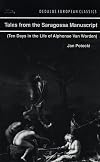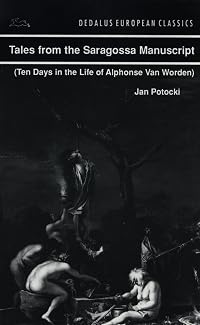
Tales from the Saragossa Manuscript: Ten Days in the Life of Alphonse Van Worden (Dedalus European Classics)
by Jan Potocki
On This Page
Description
One of the great masterpieces of literary fantasy and a joy to read.Tags
Recommendations


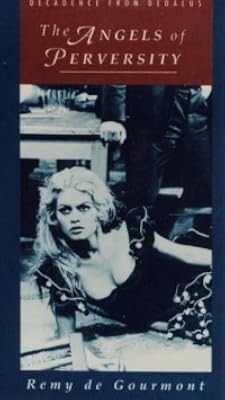
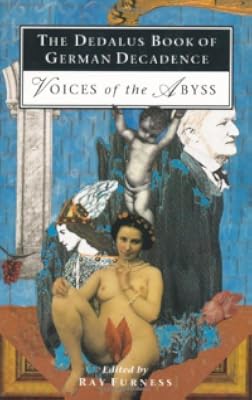
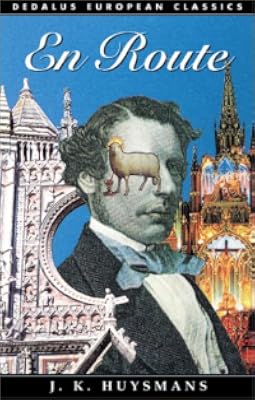

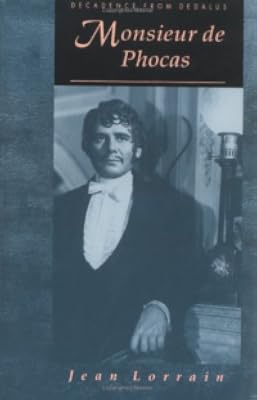


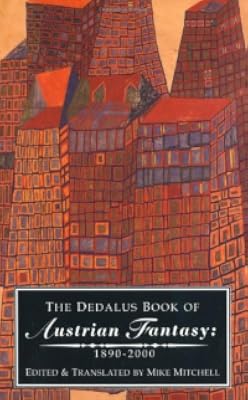
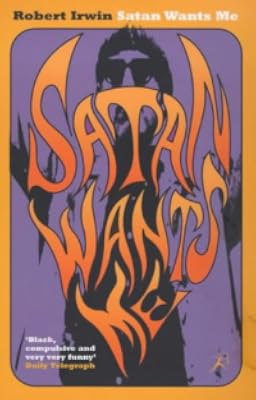
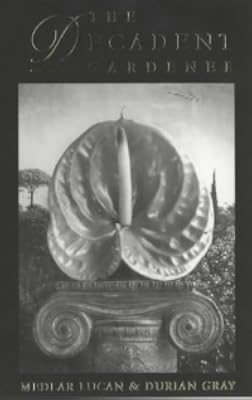
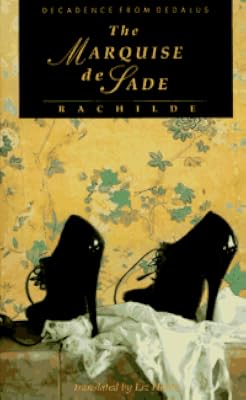




Member Recommendations
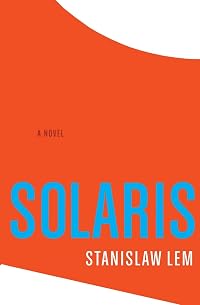
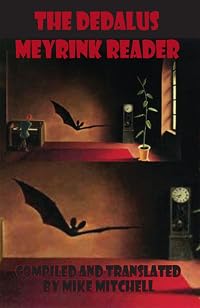
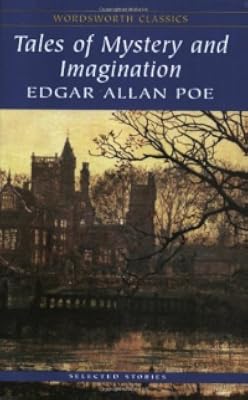
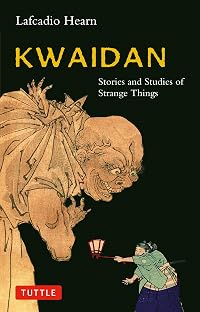
avatiakh This is the full manuscript of 65 days
Member Reviews
This is an overrated picaresque 'classic' from very early in the nineteenth century. It has its moments of genuine surprise and horror - indeed eroticism - but it is also overwrought, messy and confused.
Brian Stableford has produced a solid piece of academic background for this edition. We are really not very sure of the book's origin. Is it Polish or French and, if Polish, which Potocki wrote it?
There have been great cultural claims for this book - including claims of it holding secret qabbalistic meaning - but it strikes me as the plaything of a bored aristocrat trying to work out his demons on paper.
The most striking aspect of this quasi-Gothic tale is the underlying eroticism of what amount to mysterious and dream-like 'threesomes' show more that only get dignified with their qabbalistic coating towards the end.
And, of course, we have our old nineteenth century neurotic friend - the linkage of sex and death. We find ourselves in the picaresque tale-telling world of one era and the decadent necro-sexuality of another.
I am not sure about these claims at all. It seems to me that our mysterious nobleman was trying to cope with his sexual fantasies and then finding a way to give them erotic meaning through the esoteric.
That may sound cynical until you consider how much libertine, homo-erotic and ephebophiliac sentiment was usefully hidden under neo-pagan cover right up until very recent times.
In a Christian culture of aristocratic licence and religious reaction, the worlds of myth and the esoteric have both been tailor made for turning 'base' desires and urges into something 'magical' and 'other'.
But the artistic output of sexual desire can be done well or badly. This book is so inconclusive that there is a danger of thinking its incompleteness hides some intended subtlety. I do not think it does.
What might be said, though, is that 'Potocki' straddles the world of eighteenth century aristocratic licentiousness and what would become the bourgeois decadence of the era of Huysmans in a very peculiar way.
The peculiarity of this is taken unwarrantedly for sophistication. What we have instead is an acute magpie mind, taking a number of literary influences and throwing them into what amounts to a dream novel.
The tension between the honour codes of Alphonse Van Worden and the desire to be saved from eternal damnation is also a tension between fleshly pleasures and the desire for meaning.
It could be said that the confusion and lack of completion in the book mirrors these tensions quite well but that is not enough.
The 'manuscript' deserves its place in history (for study) but it is not a great book for all that. show less
Brian Stableford has produced a solid piece of academic background for this edition. We are really not very sure of the book's origin. Is it Polish or French and, if Polish, which Potocki wrote it?
There have been great cultural claims for this book - including claims of it holding secret qabbalistic meaning - but it strikes me as the plaything of a bored aristocrat trying to work out his demons on paper.
The most striking aspect of this quasi-Gothic tale is the underlying eroticism of what amount to mysterious and dream-like 'threesomes' show more that only get dignified with their qabbalistic coating towards the end.
And, of course, we have our old nineteenth century neurotic friend - the linkage of sex and death. We find ourselves in the picaresque tale-telling world of one era and the decadent necro-sexuality of another.
I am not sure about these claims at all. It seems to me that our mysterious nobleman was trying to cope with his sexual fantasies and then finding a way to give them erotic meaning through the esoteric.
That may sound cynical until you consider how much libertine, homo-erotic and ephebophiliac sentiment was usefully hidden under neo-pagan cover right up until very recent times.
In a Christian culture of aristocratic licence and religious reaction, the worlds of myth and the esoteric have both been tailor made for turning 'base' desires and urges into something 'magical' and 'other'.
But the artistic output of sexual desire can be done well or badly. This book is so inconclusive that there is a danger of thinking its incompleteness hides some intended subtlety. I do not think it does.
What might be said, though, is that 'Potocki' straddles the world of eighteenth century aristocratic licentiousness and what would become the bourgeois decadence of the era of Huysmans in a very peculiar way.
The peculiarity of this is taken unwarrantedly for sophistication. What we have instead is an acute magpie mind, taking a number of literary influences and throwing them into what amounts to a dream novel.
The tension between the honour codes of Alphonse Van Worden and the desire to be saved from eternal damnation is also a tension between fleshly pleasures and the desire for meaning.
It could be said that the confusion and lack of completion in the book mirrors these tensions quite well but that is not enough.
The 'manuscript' deserves its place in history (for study) but it is not a great book for all that. show less
Ratings
Members
- Recently Added By
Author Information

39+ Works 1,932 Members
Work Relationships
Is contained in
Common Knowledge
- Disambiguation notice
- A subset of the complete set of tales; covers only 10 days - do not combine with the complete work.
Classifications
- Genres
- Fiction and Literature, General Fiction, Horror
- DDC/MDS
- 843.6 — Literature & rhetoric French Literature French fiction Revolution and empire 1789–1815
- LCC
- PQ2019 .P87 — Language and Literature French, Italian, Spanish and Portuguese literatures French literature Modern literature 18th century
- BISAC
Statistics
- Members
- 48
- Popularity
- 625,984
- Reviews
- 1
- Rating
- (4.06)
- Languages
- English, French
- Media
- Paper, Ebook
- ISBNs
- 3
- ASINs
- 2