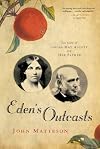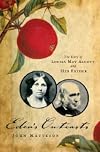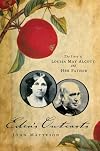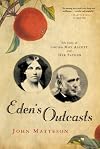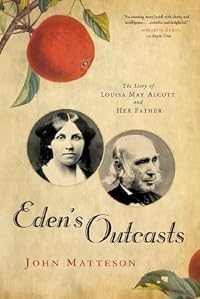
Eden's Outcasts: The Story of Louisa May Alcott and Her Father
by John Matteson
On This Page
Description
The beloved author of Little Women was torn between pleasing her idealistic father and planting her feet in the material world. Now, Louisa May Alcott's name is known universally; yet, during her youth, the famous Alcott was her father, Bronson--an eminent teacher, lecturer, and friend of Emerson and Thoreau. Willful and exuberant, Louisa flew in the face of all her father's theories of child rearing. She, in turn, could not understand the frugal life Bronson preached, which reached its show more epitome in the failed utopian community of Fruitlands. In a family that insisted on self-denial and spiritual striving, Louisa dreamed of wealth and fame. At the same time, like most daughters, she wanted her father's approval. This story of their tense yet loving relationship adds dimensions to Louisa's life, her work, and the relationships of fathers and daughters.--From publisher description. show lessTags
Recommendations
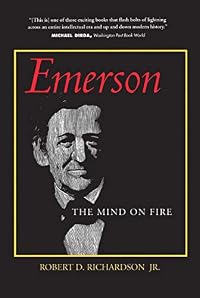
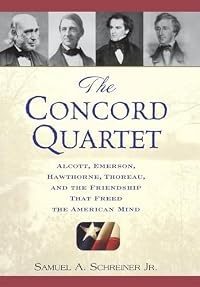
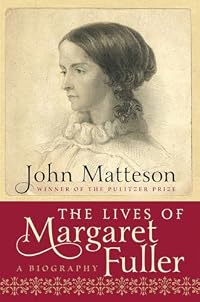
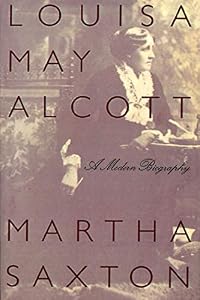
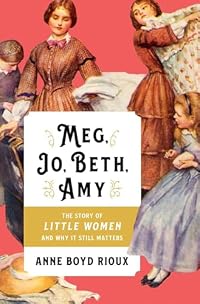
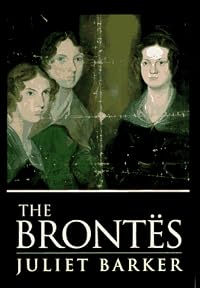
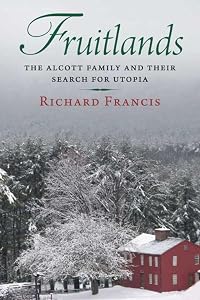
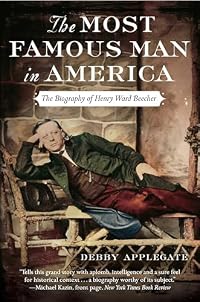
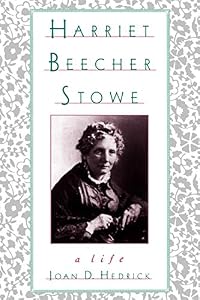
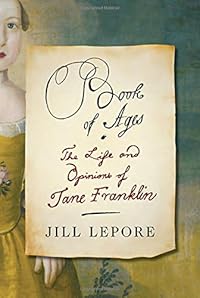
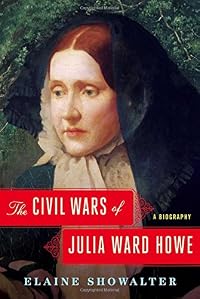
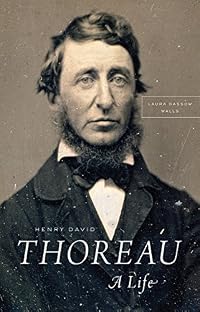
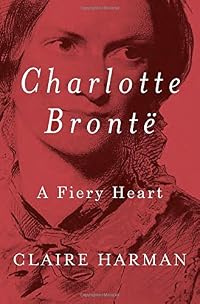
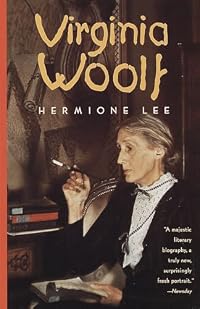
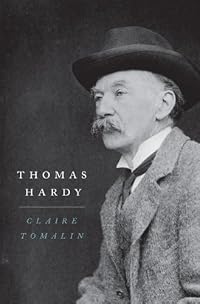
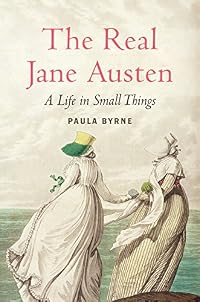



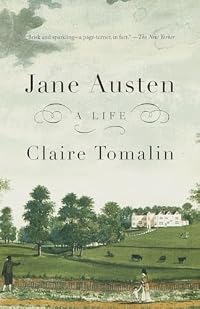
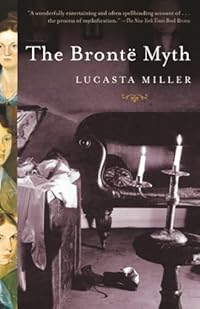
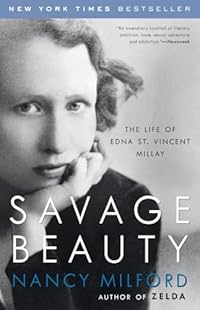

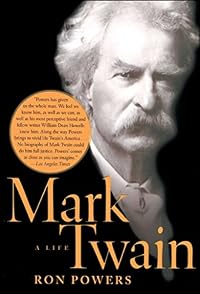
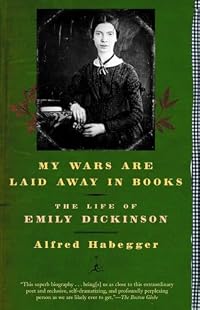

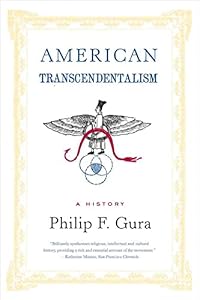
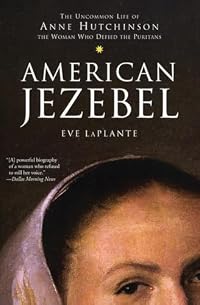
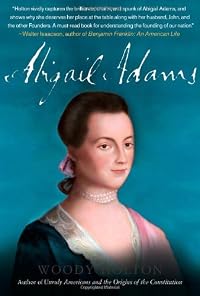
Member Recommendations
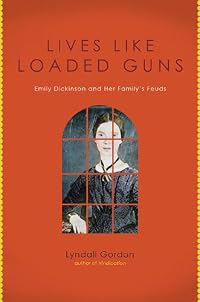
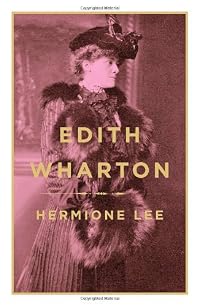
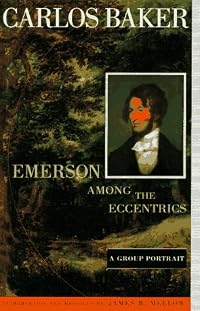
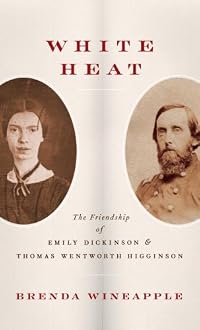
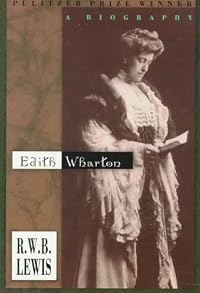
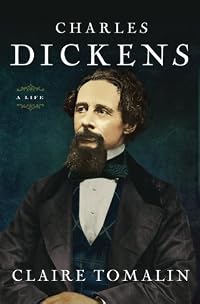
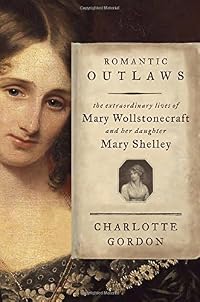
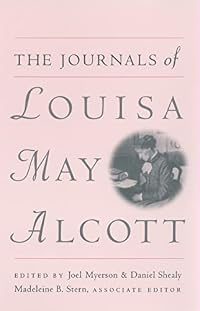
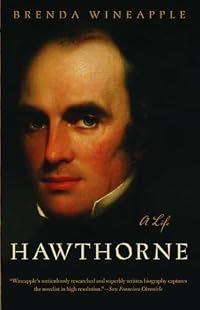
PuddinTame The two books complement each other, one the general background, and the other on specific individuals.
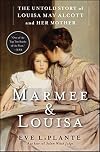
PuddinTame Eden's Outcasts shows Bronson Alcott to be a deeply flawed man, but Marmee & Louisa is scathing. I recommend reading both.
Member Reviews
Amos Bronson Alcott and his daughter Louisa May didn't always see eye to eye. He was a friend of Emerson and Thoreau's, a staunch abolitionists and a vegetarian, a philosopher, a teacher, yet always poor and in debt. His daughter Louisa was temperamentally was much like her mother and sometimes had her father at his wit's end with her impetuousness and spirit. Then, as she grew older she was much more practical and desirous of the comforts solvency can bring.
In this dual biography of Bronson and his famous daughter, John Matteson draws on the wealth of writings, including personal journals and letters, of the Alcott family to illuminate not just two lives but their changing relationship. Matteson does occasionally venture a little too show more far in his surmising (I noted a passage where he took Louisa's love for Jane Eyre as potentially linked to her fascination with the idea of mental health being hereditary), and tends to see a lot more autobiography in Louisa's fiction that I thought was perhaps warranted. Still, this well-researched, Pulitzer-prize winning book is a thorough and entertaining read, illuminating these two fascinating people in light of their relationship which each other. Born on the same day 33 years apart and dying within days of each other, Bronson and Louisa may not have always seen eye to eye, but they clearly loved each other and grew in mutual respect over the years. Well worth reading for anyone interested in literary history, Massachusetts history, or Transcendentalists. show less
In this dual biography of Bronson and his famous daughter, John Matteson draws on the wealth of writings, including personal journals and letters, of the Alcott family to illuminate not just two lives but their changing relationship. Matteson does occasionally venture a little too show more far in his surmising (I noted a passage where he took Louisa's love for Jane Eyre as potentially linked to her fascination with the idea of mental health being hereditary), and tends to see a lot more autobiography in Louisa's fiction that I thought was perhaps warranted. Still, this well-researched, Pulitzer-prize winning book is a thorough and entertaining read, illuminating these two fascinating people in light of their relationship which each other. Born on the same day 33 years apart and dying within days of each other, Bronson and Louisa may not have always seen eye to eye, but they clearly loved each other and grew in mutual respect over the years. Well worth reading for anyone interested in literary history, Massachusetts history, or Transcendentalists. show less
Eden's Outcasts is an outstanding double biography of Louisa May Alcott and her father, Bronson Alcott. I was very impressed at the author's balancing act for all the disparate themes touched on in subjects lives.
Matteson gives a full background and exploration of the life and influences on Bronson Alcott, and his circle of contemporary transcendentalists. For the reader who comes to this biography wanting to know more about Louisa May Alcott, this background is illuminating. But Matteson gives Bronson's life full and compelling coverage, and he never treats Bronson as only "Louisa's Father".
Having read other biographies (excellent ones) of Louisa May Alcott, I was wondering what new information this bio would provide. But Matteson's show more approach to Louisa's life and literary influences does explore areas which other biographers have not covered, and Matteson ties together his research and his theories into a fresh and exciting story.
Most importantly, I felt that Matteson did a wonderful job of sympathizing with his subject's human failings without becoming an apologist or providing justifications for the subject's actions. This is especially hard given the dual nature of this biography, and the fact that the two subjects were sometimes in conflict with one another. Matteson fearlessly explored places where his subjects were less than heroic. But he always did so respectfully and with an eye to a better understanding, rather than to place blame or cast judgment.
I would highly recommend this biography to anyone interested in Alcott, the Transcendentalist Philosophy, American Writers, Feminist History, or in knowing more about the author of Little Women. The writing is absolutely accessible to those outside of academia, without talking down to anyone. show less
Matteson gives a full background and exploration of the life and influences on Bronson Alcott, and his circle of contemporary transcendentalists. For the reader who comes to this biography wanting to know more about Louisa May Alcott, this background is illuminating. But Matteson gives Bronson's life full and compelling coverage, and he never treats Bronson as only "Louisa's Father".
Having read other biographies (excellent ones) of Louisa May Alcott, I was wondering what new information this bio would provide. But Matteson's show more approach to Louisa's life and literary influences does explore areas which other biographers have not covered, and Matteson ties together his research and his theories into a fresh and exciting story.
Most importantly, I felt that Matteson did a wonderful job of sympathizing with his subject's human failings without becoming an apologist or providing justifications for the subject's actions. This is especially hard given the dual nature of this biography, and the fact that the two subjects were sometimes in conflict with one another. Matteson fearlessly explored places where his subjects were less than heroic. But he always did so respectfully and with an eye to a better understanding, rather than to place blame or cast judgment.
I would highly recommend this biography to anyone interested in Alcott, the Transcendentalist Philosophy, American Writers, Feminist History, or in knowing more about the author of Little Women. The writing is absolutely accessible to those outside of academia, without talking down to anyone. show less
I'm very much the right audience for this book--I read Little Women and its sequels too many times to count when I was growing up, and in fact at one point named one of my dolls Louisa May Alcott Bassham. (Between this book and My Wilder Life, the last couple of months have been a real trip down Memory Lane.)
But leaving that aside, Matteson does great work in this book. It's a dual biography of Louisa and her father Bronson (they died a mere three days apart), who are both fascinating characters. Matteson has obviously done a lot of research, but he wears it lightly. He writes well; the book was simply a joy to read. I only wish I'd read it before we visited the Alcott house a couple of years ago.
But leaving that aside, Matteson does great work in this book. It's a dual biography of Louisa and her father Bronson (they died a mere three days apart), who are both fascinating characters. Matteson has obviously done a lot of research, but he wears it lightly. He writes well; the book was simply a joy to read. I only wish I'd read it before we visited the Alcott house a couple of years ago.
I'm very much the right audience for this book--I read Little Women and its sequels too many times to count when I was growing up, and in fact at one point named one of my dolls Louisa May Alcott Bassham. (Between this book and My Wilder Life, the last couple of months have been a real trip down Memory Lane.)
But leaving that aside, Matteson does great work in this book. It's a dual biography of Louisa and her father Bronson (they died a mere three days apart), who are both fascinating characters. Matteson has obviously done a lot of research, but he wears it lightly. He writes well; the book was simply a joy to read. I only wish I'd read it before we visited the Alcott house a couple of years ago.
But leaving that aside, Matteson does great work in this book. It's a dual biography of Louisa and her father Bronson (they died a mere three days apart), who are both fascinating characters. Matteson has obviously done a lot of research, but he wears it lightly. He writes well; the book was simply a joy to read. I only wish I'd read it before we visited the Alcott house a couple of years ago.
A very special book. So informative and well-written. I can see why it won the Pulitzer. I'm a native of eastern Massachusetts, and I love reading about Transcendentalists, specially because I can easily visit sites in Boston and Concord.
Matteson did a great job writing a double biography, pulling from a huge number of sources. At first Bronson was the focus. I had a very negative opinion of him before reading this; after reading it, I'm still not going to run out and try to find one of his old books. But I have more respect for him as a parent and teacher than I did previously. I was very surprised to learn that the experiment at Fruitlands lasted only seven months and involved so few people. I visited Fruitlands for the first time in show more the fall and it is quite developed as a history site, given the short time they spent there.
I have even more respect for Louisa after reading about her lifelong struggle with "moods," and the therapeutic poisoning she suffered when serving as a Civil War nurse in Washington, D.C. After six weeks, she was too sick to continue and was sent home to recover, but never again to feel well. And yet she soldiered on, intent on making her writing pay the bills that her father seemed unable and unwilling to pay with his own labor. Even her great novel, Little Women, was something she wrote at her publisher's request. She was never able to produce her masterpiece for adults. show less
Matteson did a great job writing a double biography, pulling from a huge number of sources. At first Bronson was the focus. I had a very negative opinion of him before reading this; after reading it, I'm still not going to run out and try to find one of his old books. But I have more respect for him as a parent and teacher than I did previously. I was very surprised to learn that the experiment at Fruitlands lasted only seven months and involved so few people. I visited Fruitlands for the first time in show more the fall and it is quite developed as a history site, given the short time they spent there.
I have even more respect for Louisa after reading about her lifelong struggle with "moods," and the therapeutic poisoning she suffered when serving as a Civil War nurse in Washington, D.C. After six weeks, she was too sick to continue and was sent home to recover, but never again to feel well. And yet she soldiered on, intent on making her writing pay the bills that her father seemed unable and unwilling to pay with his own labor. Even her great novel, Little Women, was something she wrote at her publisher's request. She was never able to produce her masterpiece for adults. show less
John Matteson really did his homework. Well written and well researched. This book sent me off in pursuit of more. Bronson Alcott is an amazing man. What a treat to delve into his life and the lives of his family. There is a lot of depth to this book. It sent me off on tangents that made it hard for me to finish. Fascinating family.
@ Louisa + Bronson Alcott
Pulitzer Prize - Winner
Louisa May Alcott is known universally. Yet during Louisa's youth, the famous Alcott was her father, Bronson, an eminent teacher and a friend of Emerson and Thoreau. He desired perfection, for the world and from his family. Louisa challenged him with her mercurial moods and yearnings for money and fame. The other prize she deeply coveted her father's understanding seemed hardest to win. This story of Bronson and Louisa's tense yet loving relationship adds dimensions to Louisa's life, her work, and the relationships of fathers and daughters.
Pulitzer Prize - Winner
Louisa May Alcott is known universally. Yet during Louisa's youth, the famous Alcott was her father, Bronson, an eminent teacher and a friend of Emerson and Thoreau. He desired perfection, for the world and from his family. Louisa challenged him with her mercurial moods and yearnings for money and fame. The other prize she deeply coveted her father's understanding seemed hardest to win. This story of Bronson and Louisa's tense yet loving relationship adds dimensions to Louisa's life, her work, and the relationships of fathers and daughters.
Members
- Recently Added By
Published Reviews
ThingScore 88
Author John Matteson won the Pulitzer Prize for this book, and deservedly so. The depth and scope of his research is admirable.
added by Shortride
A double biography is a difficult thing to bring off but Matteson does it beautifully, giving a vivid but delicate account of two complicated characters inextricably entwined.
added by Shortride
Matteson tells his story so clearly and attractively that no previous acquaintance with the remarkable Alcott clan and their various, equally remarkable friends is needed to relish their world as he re-creates it.
added by Shortride
Lists

Top Five Books of 2017
757 works; 231 members
Author Information

5+ Works 699 Members
John Matteson was awarded the Pulitzer Prize for Biography for Eden's Outcasts and the Ann M. Sperber Prize for The Lives of Margaret Fuller. Distinguished Professor of English at John Jay College of Criminal Justice, he lives in the Bronx.
Some Editions
Awards and Honors
Common Knowledge
- Original publication date
- 2008
- People/Characters
- Louisa May Alcott; Bronson Alcott; Abigail May Alcott, "Abba" (mother); Anna Alcott; Louisa May Alcott; Elizabeth Alcott, "Lizzie" (show all 7); Abigail May Alcott "May" (daughter of Bronson and Abigail)
- Important places
- Boston, Massachusetts, USA; Concord, Massachusetts, USA
- Important events
- Transcendentalism
- Dedication
- FOR
Rosemary, Michelle, and Rebecca
Family is but the name for a larger synthesis of spirits. -- A.B.A, 1836 - First words
- At the Houghton Library of Harvard University, there sits a massive collection of letters, news clippings, and other memorabilia compiled over the span of seven decades by Amos Bronson Alcott, a dedicated educator and reforme... (show all)r, a close friend of Emerson and Thoreau, and the father of the four sisters whom his second daughter, Louisa May Alcott, immortalized as Meg, Jo, Beth, and Amy in Little Women. (Preface)
In a number of significant ways, life did not fully begin for Bronson Alcott until the year 1828, when three defining events occurred within months of each other: he paid his first visit to the city of Boston; he first heard ... (show all)the preaching of a young Unitarian minster named Ralph Waldo Emerson; and he proposed marriage to a fascinating woman named Abigail May. (Chapter One: "Beginnings") - Quotations
- To the extent that a written page permits knowledge of a different time and departed souls, this book has tried to reveal them. However, as Bronson Alcott learned to his bemusement, the life written is never the same as the ... (show all)life lived. Journals and letters tell much. Biographers can sift the sands as they think wisest. But the bonds that two persons share consist also of encouraging words, a reassuring hand on a tired shoulder, fleeting smiles, and soon-forgotten quarrels. These contacts, so indispensable to existence, leave no durable trace. As writers, as reformers, and as inspirations, Bronson and Louisa still exist for us. Yet this existence, on whatever terms we may experience it, is no more than a shadow when measured against the way they existed for each other. (closing paragraph)
- Last words
- (Click to show. Warning: May contain spoilers.)Yet this existence, on whatever terms we may experience it, is no more than a shadow when measured against the way they existed for each other.
- Publisher's editor
- Cherry, Amy; Fitzpatrick, Lydia; Pierson, Elizabeth
- Blurbers
- Shealy, Daniel; Reisen, Harriet
Classifications
- Genres
- Literature Studies and Criticism, Biography & Memoir
- DDC/MDS
- 818.403 — Literature & rhetoric American literature in English American miscellaneous writings in English Later 19th Century 1861-1900 Diaries, journals, notebooks, reminiscences
- LCC
- PS1018 .M34 — Language and Literature American literature American literature Individual authors 19th century
- BISAC
Statistics
- Members
- 461
- Popularity
- 65,867
- Reviews
- 12
- Rating
- (4.01)
- Languages
- English
- Media
- Paper, Ebook
- ISBNs
- 6
- ASINs
- 2