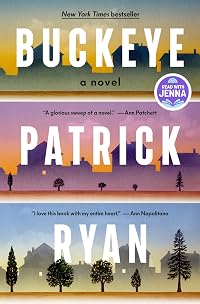
Buckeye
by Patrick Ryan
On This Page
Description
"In Bonhomie, Ohio, a stolen moment of passion, sparked in the exuberant aftermath of the Allied victory in Europe, binds Cal Jenkins, a man wounded not in war but by his inability to serve in it, to Margaret Salt, a woman trying to obscure her past. Cal's wife, Becky, has a spiritual gift: She is a seer who can conjure the dead, helping families connect with those they've lost. Margaret's husband, Felix, is serving on a Navy cargo ship, out of harm's way--until a telegram suggests that the show more unthinkable might have happened. Later, as the country reconstructs in the postwar boom, a secret grows in Bonhomie--but nothing stays buried forever in a small town. Against the backdrop of some of the most transformative decades in modern America, the consequences of that long-ago encounter ripple through the next generation of both families, compelling them to reexamine who they thought they were and what the future might hold. Sweeping yet intimate, rich with piercing observation and the warmth that comes from profound understanding of the human spirit, Buckeye captures the universal longing for love and for goodness"-- show lessTags
Recommendations




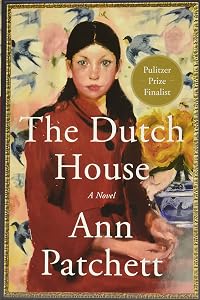
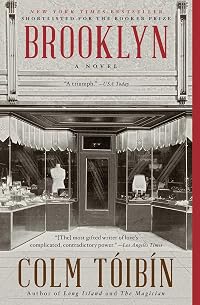
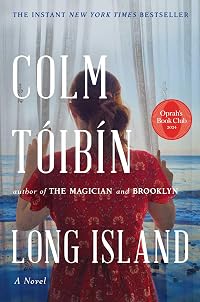
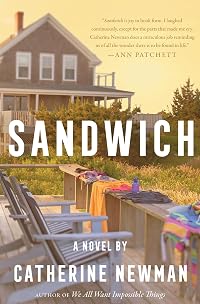



Member Recommendations
jbvm Like "Buckeye", Peace Like a River is a sweeping but quiet American story with exceptionally beautiful writing.
Member Reviews
It's May 1945 in the small fictional Ohio town of Bonhomie, and Germany has just surrendered to the Allies. Margaret Salt, whose husband Felix is still serving in the Navy in the Pacific, walks into the local hardware store where Cal Jenkins works and demands he turn on the radio. When the news of victory reaches them, Margaret grabs Cal by the shoulders and kisses him — impulsive, celebratory, not remotely sexy — and Cal, a good husband and new father, finds he likes it. That single moment radiates outward through sixty years of American history and two families.
Cal was born with one leg two inches shorter than the other — two inches that kept him out of World War II and put him in Margaret's path. His wife Becky discovered as a show more child that she can communicate with the dead, a gift that will become a strange comfort during the Vietnam War. Margaret grew up in an orphanage, abandoned as a baby, and carries that wound everywhere. Felix, her husband, is a closeted gay man who served on a Navy cargo ship and met the love of his life — a fellow sailor who quoted Thomas Aquinas — losing him to the war in a way that can never be acknowledged. The novel follows all four through their marriages, mistakes, secrets, and the children who inherit the fallout, all the way through Vietnam and into the 1980s.
[May contain spoilers]
The brief affair between Cal and Margaret produces a child that is obviously not Felix's — a secret that strains and reshapes both marriages across decades. Felix's decades of silent grief over the man he loved and lost at sea is the emotional core of the novel — nothing in his marriage is cruel, just insufficient, and Ryan treats his sexuality with deep tenderness rather than tragedy. The next generation of sons must face Vietnam, and the novel expands to include their experiences and how war ripples forward through families. The ending finds Becky and Cal finally taking the honeymoon they postponed because of the war — a quietly hopeful rather than dramatically resolved conclusion. The final meditation on time is devastating and beautiful.
What I think: This is quiet, devastating, multi-generational American literary fiction with real sweep and extraordinary compassion for all its flawed characters. Felix's storyline alone is worth the whole book. The deliberate pace might try your patience slightly — some reviewers felt the final decades are rushed after spending so long in the early years. But the emotional gut-punch is absolutely there. show less
Cal was born with one leg two inches shorter than the other — two inches that kept him out of World War II and put him in Margaret's path. His wife Becky discovered as a show more child that she can communicate with the dead, a gift that will become a strange comfort during the Vietnam War. Margaret grew up in an orphanage, abandoned as a baby, and carries that wound everywhere. Felix, her husband, is a closeted gay man who served on a Navy cargo ship and met the love of his life — a fellow sailor who quoted Thomas Aquinas — losing him to the war in a way that can never be acknowledged. The novel follows all four through their marriages, mistakes, secrets, and the children who inherit the fallout, all the way through Vietnam and into the 1980s.
[May contain spoilers]
The brief affair between Cal and Margaret produces a child that is obviously not Felix's — a secret that strains and reshapes both marriages across decades. Felix's decades of silent grief over the man he loved and lost at sea is the emotional core of the novel — nothing in his marriage is cruel, just insufficient, and Ryan treats his sexuality with deep tenderness rather than tragedy. The next generation of sons must face Vietnam, and the novel expands to include their experiences and how war ripples forward through families. The ending finds Becky and Cal finally taking the honeymoon they postponed because of the war — a quietly hopeful rather than dramatically resolved conclusion. The final meditation on time is devastating and beautiful.
What I think: This is quiet, devastating, multi-generational American literary fiction with real sweep and extraordinary compassion for all its flawed characters. Felix's storyline alone is worth the whole book. The deliberate pace might try your patience slightly — some reviewers felt the final decades are rushed after spending so long in the early years. But the emotional gut-punch is absolutely there. show less
Buckeye by Patrick Ryan is a family saga set in small town Bonhomie, Ohio about the lives of Cal Jenkins and his eventual wife Becky and Margaret Salt and her eventual husband Felix. Cal is born in 1920 with one leg shorter than the other making him ineligible to serve in World War II, while Felix serves in the Navy on a cargo ship. Becky realises her gift of mediumship during the war and Margaret is still troubled by her upbringing as a foundling in an orphanage.
A novel that examines these four lives and the families they create in detail wouldn't be my usual reading choice but there was something about the blurb and early praise from the likes of Tom Hanks ("I've been yearning for a novel that connects the American generations who show more dealt with our two Wars - one of Omaha Beach, the other of the la Drang Valley. Buckeye is that book, and it soars") that drew me in and I'm so glad it did.
The author made me care deeply about each of the characters as they went about their lives, bearing witness to their flaws and insecurities, following their struggles and yearning for their inner peace and happiness.
There were plenty of daily references to suburban life in this era and I especially loved the mention of a mailbox bookclub where four older men enjoyed reading and discussing westerns.
"They agreed ahead of time on what book they would read - often a reread - and when there was only the one copy available, they worked out a system wherein each of them would get three days with it, then tape a nickel inside the book's cover and leave it in their mailbox. Skip would then collect the nickel and carry the book on his bicycle over to the next house, where he would leave it in the mailbox and put the flag up." Page 286
Brilliant! My favourite character arc was that of Cal's alcoholic father who suffered from PTSD related to his service in WWI. A hoarder living on his own, he had a turbulent relationship with his son which came into focus after a near tragedy.
Ryan includes many touching and amusing moments to offset the struggles of our characters, like Becky asking her father-in-law his thoughts on the book Death on the Nile. He said he hadn't especially enjoyed it:
"But that Poy-Rot is in the right business." Page 336
The book spans a period of 60 years and Ryan takes us right through to events in the Vietnam War and in doing so shines a light on the complex effects war has on each generation of characters. Also under the author's microscope is the marriage between Cal and Becky and Margaret and Felix.
At the end of Buckeye, there didn't appear to be a logical conclusion reached with any of the four main characters, rather it felt as though 'this is where the reader will leave the characters.'
"What is it about time that confounds us? We spend it. We save it. We while it away. We waste it. We kill it. We complain about not having enough of it, or about having too much of it on our hands. We regret what we've done with it. We give it away. We want it back. We say 'time and again' when something is bothering us and 'it's time' when something is supposed to end. ...all we should ever want of time is more of it." Page 430
Buckeye by Patrick Ryan is a moving historical family saga set in the American midwest about ambition, love, longing, marriage, parenthood, service, sacrifice, loss, grief, forgiveness, guilt and survival.
Highly recommended!
* Copy courtesy of Bloomsbury * show less
A novel that examines these four lives and the families they create in detail wouldn't be my usual reading choice but there was something about the blurb and early praise from the likes of Tom Hanks ("I've been yearning for a novel that connects the American generations who show more dealt with our two Wars - one of Omaha Beach, the other of the la Drang Valley. Buckeye is that book, and it soars") that drew me in and I'm so glad it did.
The author made me care deeply about each of the characters as they went about their lives, bearing witness to their flaws and insecurities, following their struggles and yearning for their inner peace and happiness.
There were plenty of daily references to suburban life in this era and I especially loved the mention of a mailbox bookclub where four older men enjoyed reading and discussing westerns.
"They agreed ahead of time on what book they would read - often a reread - and when there was only the one copy available, they worked out a system wherein each of them would get three days with it, then tape a nickel inside the book's cover and leave it in their mailbox. Skip would then collect the nickel and carry the book on his bicycle over to the next house, where he would leave it in the mailbox and put the flag up." Page 286
Brilliant! My favourite character arc was that of Cal's alcoholic father who suffered from PTSD related to his service in WWI. A hoarder living on his own, he had a turbulent relationship with his son which came into focus after a near tragedy.
Ryan includes many touching and amusing moments to offset the struggles of our characters, like Becky asking her father-in-law his thoughts on the book Death on the Nile. He said he hadn't especially enjoyed it:
"But that Poy-Rot is in the right business." Page 336
The book spans a period of 60 years and Ryan takes us right through to events in the Vietnam War and in doing so shines a light on the complex effects war has on each generation of characters. Also under the author's microscope is the marriage between Cal and Becky and Margaret and Felix.
At the end of Buckeye, there didn't appear to be a logical conclusion reached with any of the four main characters, rather it felt as though 'this is where the reader will leave the characters.'
"What is it about time that confounds us? We spend it. We save it. We while it away. We waste it. We kill it. We complain about not having enough of it, or about having too much of it on our hands. We regret what we've done with it. We give it away. We want it back. We say 'time and again' when something is bothering us and 'it's time' when something is supposed to end. ...all we should ever want of time is more of it." Page 430
Buckeye by Patrick Ryan is a moving historical family saga set in the American midwest about ambition, love, longing, marriage, parenthood, service, sacrifice, loss, grief, forgiveness, guilt and survival.
Highly recommended!
* Copy courtesy of Bloomsbury * show less
The novel Buckeye from Ryan Patrick provides a historical chronology of two families over about a 40 year period. It’s a very plot driven book, but one whose omniscient narrative makes for a compelling read. We meet Cal Jenkins, who works at a hardware store in a small town during World War II. Because he was born with a left leg 2 inches shorter than his right, he was unable to enlist and so serves on the local watch crew. On May 7th, 1945, a woman by the name of Margaret Salt came into his shop and asked him to turn on the radio. There’s some kind of commotion going on outside, and when they finally tuned in, they realize that Germany had just surrendered and the war in Europe was over. Margaret, whose husband Felix was overseas show more in the Navy, looked at Cal, a man she never met, and kissed him. Maybe it’s just a celebratory victory kiss or maybe it was something they both enjoyed a bit too much. ..
So begins this novel that takes place in Bonhomie, Ohio. Part of the novel’s charm is this memory of small time life where kids ride bikes until the street lights signal dinner, where family owned stores and soda shops are successful and everyone seems to know each other to some degree. The lives of these two families and the complications that arise from that kiss propel the narrative. The other main characters include Cal’s wife, Becky, who seems to be able to communicate with the dead and there’s Margaret’s husband Felix, who we come to know is more attracted to men, but is hoping his marriage to Margaret will help him through his proclivities. I enjoyed the historical elements, remembering what it was like when the devastations of war, both World War II and Vietnam, impacted a community and robbed it of its young men. I can’t say that I was highlighting a lot of sentences for their insights or observational descriptions, but I did find myself looking forward to picking up the story each time I opened up the book - maybe that’s enough.
Recommend
Lines:
There was a willful out-of-reachness to Everett now that seemed to deepen with his pitted cheeks, an appetite for suspicion and a compulsion for stockpiling that became more ravenous with each passing year—all of which made it a good thing the house wasn’t in town.
That woman—Mrs. Dodson—had a face with no fight left in it.
They disappeared into the task, shoveled themselves night and day into the furnace of their intention to keep Skip safe and healthy.
Time was like a rock bed with a lot of layers, she said, then took a moment to find the word she wanted: strata. Even the most unbearable things became fossils, after a while.
But in the coming weeks, she set about doing everything she could think to do for a naïve, city-bound, beautiful young woman in 1936. For Margaret had grown into a true beauty, with flowing red hair and bright-green eyes, good cheekbones and a wry smile. She had a fox’s coloring and a fox’s face, that beautiful.
She’d kissed him because she saw in his eyes that he wanted her to kiss him. She saw in his eyes something she’d never seen in Felix’s. Desire.
The whole reason you build a bridge together is so the water can run under it, right?
The wisdom that comes with age was needling, he found, because it brought the clarity of hindsight without the means to change anything. show less
So begins this novel that takes place in Bonhomie, Ohio. Part of the novel’s charm is this memory of small time life where kids ride bikes until the street lights signal dinner, where family owned stores and soda shops are successful and everyone seems to know each other to some degree. The lives of these two families and the complications that arise from that kiss propel the narrative. The other main characters include Cal’s wife, Becky, who seems to be able to communicate with the dead and there’s Margaret’s husband Felix, who we come to know is more attracted to men, but is hoping his marriage to Margaret will help him through his proclivities. I enjoyed the historical elements, remembering what it was like when the devastations of war, both World War II and Vietnam, impacted a community and robbed it of its young men. I can’t say that I was highlighting a lot of sentences for their insights or observational descriptions, but I did find myself looking forward to picking up the story each time I opened up the book - maybe that’s enough.
Recommend
Lines:
There was a willful out-of-reachness to Everett now that seemed to deepen with his pitted cheeks, an appetite for suspicion and a compulsion for stockpiling that became more ravenous with each passing year—all of which made it a good thing the house wasn’t in town.
That woman—Mrs. Dodson—had a face with no fight left in it.
They disappeared into the task, shoveled themselves night and day into the furnace of their intention to keep Skip safe and healthy.
Time was like a rock bed with a lot of layers, she said, then took a moment to find the word she wanted: strata. Even the most unbearable things became fossils, after a while.
But in the coming weeks, she set about doing everything she could think to do for a naïve, city-bound, beautiful young woman in 1936. For Margaret had grown into a true beauty, with flowing red hair and bright-green eyes, good cheekbones and a wry smile. She had a fox’s coloring and a fox’s face, that beautiful.
She’d kissed him because she saw in his eyes that he wanted her to kiss him. She saw in his eyes something she’d never seen in Felix’s. Desire.
The whole reason you build a bridge together is so the water can run under it, right?
The wisdom that comes with age was needling, he found, because it brought the clarity of hindsight without the means to change anything. show less
The wisdom that comes with age was needling, he found, because it brought the clarity of hindsight without the means to change anything. from Buckeye by Patrick Ryan
I loved this novel, its pages filled with flawed people who hope for the best but cause deep damage, people who learn to transcend pain and become a support for each other in darkest times.
The story of two families arcs across the twentieth century, encompassing three generations. All the 20th c touchpoints are referenced. It was a time of secrets and closeting, when governments sent young men into brutal wars. When women had limited options.
It is set in an intimate small Ohio town and in the city of Columbus with its anonymity and sparkling department stores.
Tom, nicknamed show more Buckeye for his pockets filled with the nut from his backyard tree, is the crux of the story. His mother abandoned the family when he was a child, and not even his father knew that she had likewise been abandoned when a child. Tom makes friends with an older boy, Skip, whose dad works in his in-law’s hardware store. Skip’s mother freely shares her gift of connecting to the dead, hoping to bring comfort to the grieving.
A secret liaison born of need alters the future.
The things we love tell us what we are. Thomas Aquinas quoted in Buckeye by Patrick Ryan
For all the pain these characters cause each other, there is great forgiveness and love. We realize we should never waste a moment of our brief life, that forgiveness allows us to flourish. We build our life every day, have a chance to make amends every day. We are a work in process.
Thanks to the publisher for a free book through NetGalley. show less
I loved this novel, its pages filled with flawed people who hope for the best but cause deep damage, people who learn to transcend pain and become a support for each other in darkest times.
The story of two families arcs across the twentieth century, encompassing three generations. All the 20th c touchpoints are referenced. It was a time of secrets and closeting, when governments sent young men into brutal wars. When women had limited options.
It is set in an intimate small Ohio town and in the city of Columbus with its anonymity and sparkling department stores.
Tom, nicknamed show more Buckeye for his pockets filled with the nut from his backyard tree, is the crux of the story. His mother abandoned the family when he was a child, and not even his father knew that she had likewise been abandoned when a child. Tom makes friends with an older boy, Skip, whose dad works in his in-law’s hardware store. Skip’s mother freely shares her gift of connecting to the dead, hoping to bring comfort to the grieving.
A secret liaison born of need alters the future.
The things we love tell us what we are. Thomas Aquinas quoted in Buckeye by Patrick Ryan
For all the pain these characters cause each other, there is great forgiveness and love. We realize we should never waste a moment of our brief life, that forgiveness allows us to flourish. We build our life every day, have a chance to make amends every day. We are a work in process.
Thanks to the publisher for a free book through NetGalley. show less
Buckeye is a wonderful read about two families in Bonhomie, Ohio. It’s detailed, covering the lives of the four main characters and then their children across war and small(ish) town life. It’s heartbreaking, fascinating and very addictive.
The first character we meet is Cal, who was born with one leg shorter than the other. His mother and siblings died when he was young and he’s raised by a father who drinks to forget World War I. When he meets Becky, he’s taken aside by his future father-in-law and it’s suggested that he make something better of himself by working at the family’s hardware store. It’s there that he meets Margaret as victory is declared in Europe, ending part of World War II. Her looking for a radio and show more coming into the store sets off a chain of events that will change her and Cal’s families forever. The novel then goes into Margaret’s backstory growing up in an orphanage and meeting her husband Felix, who has his own reasons to get married. Felix is away in the navy when Margaret meets Cal, but comes home a changed man with PTSD. It will take time for things to settle down, and then be shaken up again as each character works out what they want, and what they can live with. But a secret hangs over the heads of the two couple’s children, Skip and Tom. Should they be told the truth? Or would it ruin everything?
The story sounds simple but it’s very engrossing. Ryan creates characters that are fully fleshed out from their desires to their preferred reading material. He creates sympathy for each of them no matter their faults, nor does he try to explain away what they do wrong. There are poor decisions made by each of the characters, but none feel out of place for them. Some are redeemed; some are not redeemable. There are a lot of big events as it seems America moves from one war to another (the world wars, then Korea and finally Vietnam) but there are smaller events that are just as interesting. Becky’s ability to speak with the dead just seems to fit as something completely normal, as does Cal’s father need to collect junk culminating in a major life changing event. Parental love and neglect are a major theme of the novel, as is love and trust in many forms. Secrets are the backbone, and it’s truly difficult to say that both families did the right thing. It’s hard to leave the characters at the end of the novel as they all seem so real.
The writing and pacing of Buckeye are just right. There are some bigger gaps in time as the novel draws to a close, but it seemed fitting to me to focus on the initial characters rather than their children. The backdrop of how the town of Bonhomie grows and changes is symbolic of America during that time period. The effects of war are realistic too, and shape multiple characters. It’s a brilliant story that draws you in. Highly recommended.
http://samstillreading.wordpress.com show less
The first character we meet is Cal, who was born with one leg shorter than the other. His mother and siblings died when he was young and he’s raised by a father who drinks to forget World War I. When he meets Becky, he’s taken aside by his future father-in-law and it’s suggested that he make something better of himself by working at the family’s hardware store. It’s there that he meets Margaret as victory is declared in Europe, ending part of World War II. Her looking for a radio and show more coming into the store sets off a chain of events that will change her and Cal’s families forever. The novel then goes into Margaret’s backstory growing up in an orphanage and meeting her husband Felix, who has his own reasons to get married. Felix is away in the navy when Margaret meets Cal, but comes home a changed man with PTSD. It will take time for things to settle down, and then be shaken up again as each character works out what they want, and what they can live with. But a secret hangs over the heads of the two couple’s children, Skip and Tom. Should they be told the truth? Or would it ruin everything?
The story sounds simple but it’s very engrossing. Ryan creates characters that are fully fleshed out from their desires to their preferred reading material. He creates sympathy for each of them no matter their faults, nor does he try to explain away what they do wrong. There are poor decisions made by each of the characters, but none feel out of place for them. Some are redeemed; some are not redeemable. There are a lot of big events as it seems America moves from one war to another (the world wars, then Korea and finally Vietnam) but there are smaller events that are just as interesting. Becky’s ability to speak with the dead just seems to fit as something completely normal, as does Cal’s father need to collect junk culminating in a major life changing event. Parental love and neglect are a major theme of the novel, as is love and trust in many forms. Secrets are the backbone, and it’s truly difficult to say that both families did the right thing. It’s hard to leave the characters at the end of the novel as they all seem so real.
The writing and pacing of Buckeye are just right. There are some bigger gaps in time as the novel draws to a close, but it seemed fitting to me to focus on the initial characters rather than their children. The backdrop of how the town of Bonhomie grows and changes is symbolic of America during that time period. The effects of war are realistic too, and shape multiple characters. It’s a brilliant story that draws you in. Highly recommended.
http://samstillreading.wordpress.com show less
Patrick Ryan’s Buckeye is an engrossing work of historical fiction that traces the lives of two intertwined, imperfect families across three generations. Set in a small Ohio town, the novel captures a vivid sense of place while exploring the complexities of family bonds, long-held grudges, and the passage of time.
Ryan’s storytelling feels both realistic and emotionally resonant—balancing moments of warmth and tenderness with heartbreak and tragedy. The characters are flawed yet compelling, making their struggles and choices feel authentic and relatable. As the narrative unfolds, it steadily builds toward a bittersweet reconciliation that feels earned rather than forced.
Though it is a lengthy read, Buckeye remains engaging show more throughout. I found it both entertaining, moving and captivating. show less
Ryan’s storytelling feels both realistic and emotionally resonant—balancing moments of warmth and tenderness with heartbreak and tragedy. The characters are flawed yet compelling, making their struggles and choices feel authentic and relatable. As the narrative unfolds, it steadily builds toward a bittersweet reconciliation that feels earned rather than forced.
Though it is a lengthy read, Buckeye remains engaging show more throughout. I found it both entertaining, moving and captivating. show less
Buckeye is a multi-generational family saga following the evolution of two small town Ohio families from the 1920s to the 1980s. The book’s central character is Cal Jenkins, a young man who is born with one leg significantly shorter than the other. Still dejected because he is physically ineligible for World War II military service, Cal marries Becky, a hometown girl who sometimes is able to make minimal contact with the dead, a talent that compounds Cal’s feelings of his own inadequacy. The other family in the story is comprised of two outsiders who move to Bonhomie as adults: Margaret, who grew up in an orphanage, and Felix, who was transferred to the town after receiving a job promotion at another Ohio location.
The two families show more become indelibly linked on VE Day when Margaret goes to town for some shopping and suddenly starts hearing loud chatter and cheers on the street. Sensing significant war news, she rushes into Cal’s hardware store hoping that he has a radio she can listen to the good news on. Then, in celebratory excitement, Margaret impulsively kisses Cal on her way out of the store, and that single kiss ignites a spark that will directly impact the lives of everyone in both families for at least two generations.
Because of the risk of spoiling the novel for future readers, I’m going to stop with just those plot details.
Patrick Ryan, despite his tendency to do as much “telling” as “showing” in his storytelling, creates several memorable characters in Buckeye. Cal, because of his insecurities about not being enough of a man to fight alongside his friends and neighbors, seems very real. Becky is a goodhearted woman who finds meaning in her life by connecting the dead to those they left behind, never charging a dime for her time or services. Margaret’s coming-of-age story in the orphanage is one that deserves a novel of its own, and Felix, her husband, is a man desperately struggling to determine exactly what kind of man he wants to be for the rest of his life. Each of the four are as interesting as they are different from one another, but it is when they begin to interact that the sparks really begin to fly.
Buckeye is a novel about keeping secrets from those closest to you, and how keeping those secrets can create enough guilt, resentment, and anger to destroy the very relationships you were trying to protect in the first place. It explores the definition of masculinity and comes up with some surprising conclusions. It is about small town America during World War II, an era during which people knew their neighbors along with most of their secrets - and all the good and the bad that came with that closeness. Buckeye is a longish novel in which whatever action there is can seem to develop very slowly at times, and I considered abandoning it at one point, but the characters, and their predicament, kept me coming back. And I’m glad I did. show less
The two families show more become indelibly linked on VE Day when Margaret goes to town for some shopping and suddenly starts hearing loud chatter and cheers on the street. Sensing significant war news, she rushes into Cal’s hardware store hoping that he has a radio she can listen to the good news on. Then, in celebratory excitement, Margaret impulsively kisses Cal on her way out of the store, and that single kiss ignites a spark that will directly impact the lives of everyone in both families for at least two generations.
Because of the risk of spoiling the novel for future readers, I’m going to stop with just those plot details.
Patrick Ryan, despite his tendency to do as much “telling” as “showing” in his storytelling, creates several memorable characters in Buckeye. Cal, because of his insecurities about not being enough of a man to fight alongside his friends and neighbors, seems very real. Becky is a goodhearted woman who finds meaning in her life by connecting the dead to those they left behind, never charging a dime for her time or services. Margaret’s coming-of-age story in the orphanage is one that deserves a novel of its own, and Felix, her husband, is a man desperately struggling to determine exactly what kind of man he wants to be for the rest of his life. Each of the four are as interesting as they are different from one another, but it is when they begin to interact that the sparks really begin to fly.
Buckeye is a novel about keeping secrets from those closest to you, and how keeping those secrets can create enough guilt, resentment, and anger to destroy the very relationships you were trying to protect in the first place. It explores the definition of masculinity and comes up with some surprising conclusions. It is about small town America during World War II, an era during which people knew their neighbors along with most of their secrets - and all the good and the bad that came with that closeness. Buckeye is a longish novel in which whatever action there is can seem to develop very slowly at times, and I considered abandoning it at one point, but the characters, and their predicament, kept me coming back. And I’m glad I did. show less
Members
- Recently Added By
Published Reviews
ThingScore 100
Other than bourbon, is there anything more reliably sweetened by the phrase “old-fashioned” than the American novel?
Patrick Ryan’s captivating “Buckeye” may provide the most recent proof. Omniscient, sweeping, almost defiantly sentimental, “Buckeye” is a reminder of the deep pleasure of following a cast of characters over their entire lives, through births, deaths, marriages, show more tragedies and, in this case, hard-won reconciliations. show less
Patrick Ryan’s captivating “Buckeye” may provide the most recent proof. Omniscient, sweeping, almost defiantly sentimental, “Buckeye” is a reminder of the deep pleasure of following a cast of characters over their entire lives, through births, deaths, marriages, show more tragedies and, in this case, hard-won reconciliations. show less
added by RickK
Lists

Fiction: Historical
288 works; 3 members

Books Read in 2025
4,091 works; 97 members

Read with Jenna
91 works; 2 members

Top Five Books of 2025
954 works; 303 members

Wikidata Absent Works
50 works; 1 member
Author Information

5+ Works 1,239 Members
Awards and Honors
Awards
Distinctions
The Guardian Book of the Day (2025-09-04)
Read with Jenna (2025-09 – 2025)
Common Knowledge
Classifications
Statistics
- Members
- 1,061
- Popularity
- 24,253
- Reviews
- 48
- Rating
- (4.14)
- Languages
- English, Norwegian
- Media
- Paper, Audiobook, Ebook
- ISBNs
- 15
- ASINs
- 5