On This Page
Description
The Spoilt City is a dramatic and colourful portrait of a city in turmoil - and a sharply perceptive portrait of a young couple struggling to make their marriage work in the face of adversity. 'Her gallery of personages is huge, her scene painting superb, her pathos controlled, her humour quiet and civilised' - Anthony Burgess 'Glittering characterisation, sharp and eloquent writing' - Sunday Telegraph Bucharest, 1940. The city is on the brink of invasion and Guy and Harriet Pringle find show more their position growing ever more dangerous. Harriet longs for safety, while Guy's idealism frustrates his new wife. But when the Germans march in, Guy believes they must separate in a desperate bid to find safety, so Harriet leaves for Athens. The Spoilt City is a dramatic and colourful portrait of a city in turmoil, and of a young couple struggling to make their marriage work in the face of adversity. show lessTags
Recommendations
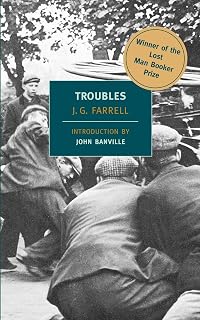



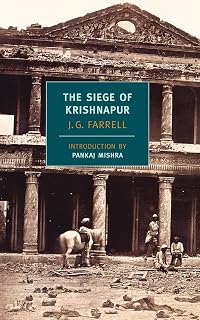







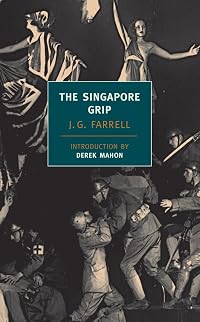






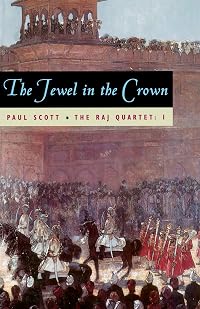
























Member Recommendations
karatelpek Romania during the same period. However with a bit more spy and geopolitical intrigue.
Member Reviews
The Spoilt City, the second book in The Balkan Trilogy, opens in the summer of 1940 shortly after the fall of France. Guy and Harriet Pringle have been living in Bucharest since the war began in September 1939. Romania welcomed British citizens at first, seeing the British and the French as their protectors during the war. But as these countries struggled against Germany’s gathering strength, Romania ceded territory and in September the government ultimately fell to a fascist coup. Suddenly the Pringles’ comfortable lifestyle – working at the university, dining out, enjoying the company of fellow Englishmen – fell apart. Most of their compatriots found a way out of Bucharest but Guy, ever the optimist, held fast to a sense of show more duty and continued lecturing at the university even as the student population dwindled.
In the midst of political turmoil is the story of a young couple who perhaps married too soon, and are gradually getting to know one another. Guy is consumed by his work, leaving Harriet to fend for herself most of the time. He is far too magnanimous, taking in “strays” who have nowhere else to go. He resists Harriet’s pleas to find them other accommodation, and is certain things will just work out somehow. But Harriet is stronger than she first appears, and shows herself able to act in a crisis. The last few chapters read like a thriller: will the Pringles leave Romania before all exit routes are blocked? The novel ends with more questions than answers, so of course I had to move directly to the third book in the trilogy. show less
In the midst of political turmoil is the story of a young couple who perhaps married too soon, and are gradually getting to know one another. Guy is consumed by his work, leaving Harriet to fend for herself most of the time. He is far too magnanimous, taking in “strays” who have nowhere else to go. He resists Harriet’s pleas to find them other accommodation, and is certain things will just work out somehow. But Harriet is stronger than she first appears, and shows herself able to act in a crisis. The last few chapters read like a thriller: will the Pringles leave Romania before all exit routes are blocked? The novel ends with more questions than answers, so of course I had to move directly to the third book in the trilogy. show less
Book 2 in the Balkan Trilogy carries on with the story of Guy and Harriet Pringle as they continue their newly married life in the Bucharest of WWII. As German influence over Romania grows and political chaos reigns in Bucharest, Harriet becomes more and more convinced that staying in Romania is neither safe nor sensible. The British, once popular in Romania, become less and less so as the German hegemony increases.
But Guy will not leave while he has students to teach and Harriet will not leave without Guy...
As with the first book in the trilogy ([The Great Fortune]) virtually everyone in this book is intensely irritating in their failure to appreciate the gravity of their situation. Surely they can see the writing on the wall, you think? Can't they just use a bit of common sense and get out while they still can? Is the teaching of English really that important? But despite this (or perhaps because of it) the characters seem intensely real and I will definitely be carrying on to the next book in the series. show less
Hearing English spoken, an elderly man leapt up from a near-by table and reminded everyone that Britain had guaranteed Rumania. Now that Rumania was menaced, what were the British going to do? “Nothing, nothing,” he screamed in rage. “They are finished,” and he made a lunge towards the Pringles with his tussoreshow more
parasol.
Harriet looked uneasily about her. When, ten months before, she had first arrived in Bucharest, the British here had been respected: now, on the losing side, they were respected no longer. She half feared actual attack – but no attack came. A certain sentiment, even affection, persisted for the once great, protecting power which was believed to be doomed.
But Guy will not leave while he has students to teach and Harriet will not leave without Guy...
As with the first book in the trilogy ([The Great Fortune]) virtually everyone in this book is intensely irritating in their failure to appreciate the gravity of their situation. Surely they can see the writing on the wall, you think? Can't they just use a bit of common sense and get out while they still can? Is the teaching of English really that important? But despite this (or perhaps because of it) the characters seem intensely real and I will definitely be carrying on to the next book in the series. show less
The second book in Manning's Balkan Trilogy is where things really get going, at least for me as a reader. Rumania begins to be a dangerous place to be as WWII ramps up. It is right in the crosshairs of Germany and Russia. Food is scarce and the King is overthrown. There are disturbing political groups known to be aggressive and antisemitic. Amidst this political turmoil, Guy and Harriet continue to try to understand each other and their marriage. Guy stubbornly refuses to leave, insisting that his summer school teaching is too important to desert. But meanwhile, their friends and acquaintances either escape the country or turn up dead. Things are definitely getting tense.
Looking forward to book three!
Looking forward to book three!
In The Spoilt City; Olivia Manning continues the story of Guy and Harriet Pringle, Yakimov, Inchcape, Clarence Lawson and co that she began in The Great Fortune. Picking up where the previous novel ended, the city of Bucharest is increasingly a city beset with uncertainty – the so called phoney war is over, and German invasion seems a greater possibility than ever. Olivia Manning writes beautifully about the city of Bucharest in the summer of 1940.
“As the sunset threw its reds and purples across the sky, the waiting crowds grew restless. Time was passing. Those in the square had been mostly men of the working classes. With evening, women appeared, their light clothes glimmering in the twilight. The first breath of cool air brought show more the prosperous Rumanians out for the promenade. Though they walked from habit into the Calea Victoriei and the Boulevard Carol, they were drawn back again and again to the square, the centre of tension.
When Guy returned from the University, Harriet said they must eat quickly, then go out and discover what was happening.”
The position of English people appears to be more precarious than it was – and as some people begin to leave the Pringles stay on. Guy is determined to hang on to his job in the English department at the university – insisting he must wait to be reassigned and can’t just abandon his post. Harriet is more concerned about their position, and watches Guy holding on to a job that is daily becoming less and less required, with frustration. Guy’s students are dwindling in number and Harriet isn’t convinced, that the summer school, Guy is planning is a very good idea.
Yakimov – the glory of his appearance in Guy’s production of Troilus and Cressida fading – is still installed in the Pringle’s flat – much to Harriet’s irritation. As time goes on Yakimov is becoming more and more shameless in his constant pursuit of good food, money and something like a return to his former glory days. He thinks nothing of rummaging through Guy’s desk and removing something he thinks will make a good story and get him a couple of drinks bought in the English bar.
“In the small central drawer of the writing-desk he came on a sealed envelope marked ‘Top secret.’ This immediately excited him. He was not the only one inclined to suspect that Guy’s occupation in Bucharest was not as innocent as it seemed. Affable, sympathetic, easy to know, Guy would, in Yakimov’s opinion, make an ideal agent.
The flap of the envelope, imperfectly sealed, opened as he touched it. Inside was a diagram of a section through – what? A pipe or well. Having heard so much talk of sabotage in the English Bar, he guessed it was an oil well. A blockage in the pipe was marked ‘detonator’. Here was a simple exposition of how and where the amateur saboteur should place his gelignite.”
Yakimov is also ridiculously out of touch and naïve – asked to run a simple errand to Cluj – Yakimov decides to drop in on his old friend Fredi von Flugel – now a high-ranking Nazi – hoping only to benefit from his generous hospitality – thinking nothing will have changed between them.
Rumania has allied itself strongly with Germany in a bid to prevent German aggression – sacrificing some Transylvanian territory in the process. Soon there are Germans all over Bucharest – propping up the English bar and swaggering through the streets. Harriet’s friend Bella – married to a Rumanian, who speaks good German, claims to feel great comfort in the presence of their new allies – a stabilising community in a city rife with rumour and dissension. Harriet suspects her attitude to be one brought about by fear – a necessary bit of self-preservation in frightening times. Revolution is in the air, there are demonstrations against the king – who had been reigning as a dictator, and is finally forced to abdicate.
In the Great Fortune, Drucker a wealthy, Jewish banker was arrested and imprisoned, his son Sasha a student of Guy’s disappeared with his stepmother and the city has been rife with rumour about his whereabouts ever since. One day Guy and Harriet run into Sasha – though he looks nothing like he did. Guy says Sasha can stay with them, though with Yakimov still in the spare room, the only place he can sleep in some small servants’ rooms on the roof. Sasha manages to charm the Pringles servant Despina who delights in feeding him and keeping him company in the kitchen when the flat is empty – but Harriet is worried about what might happen if Yakimov becomes aware of Sasha’s presence – Yakimov is horribly indiscreet.
Things are becoming more frightening, there is news of people being attacked in the street – and more and more people are wondering about leaving. The Pringles realise that Yakimov has simply taken himself off – and they need to find a way of getting Sasha out of Rumania alive. In the midst of all this uncertainty and chaos Inchcape decides to invite Professor Pinkrose to Bucharest to give a lecture – inexplicably given the turmoil across Europe, Pinkrose travelled thousands of miles, expecting a rather more rapturous reception than that which he receives. Inchcape is attacked, and Guy persuades Harriet (finally thinking of her before everyone else) to leave for Athens and wait for him to join her.
In this second book of the Balkan trilogy Olivia Manning again brings to life the atmosphere of a city at war. It was a world she well knew; having lived there with her husband, a lecturer – arriving in Bucharest the very day that Britain declared war on Germany. There is much more drama and action in this novel, it is enormously compelling, and I can’t wait for Friends and Heroes; volume three – after which I shall no doubt immediately go on to The Levant Trilogy. show less
“As the sunset threw its reds and purples across the sky, the waiting crowds grew restless. Time was passing. Those in the square had been mostly men of the working classes. With evening, women appeared, their light clothes glimmering in the twilight. The first breath of cool air brought show more the prosperous Rumanians out for the promenade. Though they walked from habit into the Calea Victoriei and the Boulevard Carol, they were drawn back again and again to the square, the centre of tension.
When Guy returned from the University, Harriet said they must eat quickly, then go out and discover what was happening.”
The position of English people appears to be more precarious than it was – and as some people begin to leave the Pringles stay on. Guy is determined to hang on to his job in the English department at the university – insisting he must wait to be reassigned and can’t just abandon his post. Harriet is more concerned about their position, and watches Guy holding on to a job that is daily becoming less and less required, with frustration. Guy’s students are dwindling in number and Harriet isn’t convinced, that the summer school, Guy is planning is a very good idea.
Yakimov – the glory of his appearance in Guy’s production of Troilus and Cressida fading – is still installed in the Pringle’s flat – much to Harriet’s irritation. As time goes on Yakimov is becoming more and more shameless in his constant pursuit of good food, money and something like a return to his former glory days. He thinks nothing of rummaging through Guy’s desk and removing something he thinks will make a good story and get him a couple of drinks bought in the English bar.
“In the small central drawer of the writing-desk he came on a sealed envelope marked ‘Top secret.’ This immediately excited him. He was not the only one inclined to suspect that Guy’s occupation in Bucharest was not as innocent as it seemed. Affable, sympathetic, easy to know, Guy would, in Yakimov’s opinion, make an ideal agent.
The flap of the envelope, imperfectly sealed, opened as he touched it. Inside was a diagram of a section through – what? A pipe or well. Having heard so much talk of sabotage in the English Bar, he guessed it was an oil well. A blockage in the pipe was marked ‘detonator’. Here was a simple exposition of how and where the amateur saboteur should place his gelignite.”
Yakimov is also ridiculously out of touch and naïve – asked to run a simple errand to Cluj – Yakimov decides to drop in on his old friend Fredi von Flugel – now a high-ranking Nazi – hoping only to benefit from his generous hospitality – thinking nothing will have changed between them.
Rumania has allied itself strongly with Germany in a bid to prevent German aggression – sacrificing some Transylvanian territory in the process. Soon there are Germans all over Bucharest – propping up the English bar and swaggering through the streets. Harriet’s friend Bella – married to a Rumanian, who speaks good German, claims to feel great comfort in the presence of their new allies – a stabilising community in a city rife with rumour and dissension. Harriet suspects her attitude to be one brought about by fear – a necessary bit of self-preservation in frightening times. Revolution is in the air, there are demonstrations against the king – who had been reigning as a dictator, and is finally forced to abdicate.
In the Great Fortune, Drucker a wealthy, Jewish banker was arrested and imprisoned, his son Sasha a student of Guy’s disappeared with his stepmother and the city has been rife with rumour about his whereabouts ever since. One day Guy and Harriet run into Sasha – though he looks nothing like he did. Guy says Sasha can stay with them, though with Yakimov still in the spare room, the only place he can sleep in some small servants’ rooms on the roof. Sasha manages to charm the Pringles servant Despina who delights in feeding him and keeping him company in the kitchen when the flat is empty – but Harriet is worried about what might happen if Yakimov becomes aware of Sasha’s presence – Yakimov is horribly indiscreet.
Things are becoming more frightening, there is news of people being attacked in the street – and more and more people are wondering about leaving. The Pringles realise that Yakimov has simply taken himself off – and they need to find a way of getting Sasha out of Rumania alive. In the midst of all this uncertainty and chaos Inchcape decides to invite Professor Pinkrose to Bucharest to give a lecture – inexplicably given the turmoil across Europe, Pinkrose travelled thousands of miles, expecting a rather more rapturous reception than that which he receives. Inchcape is attacked, and Guy persuades Harriet (finally thinking of her before everyone else) to leave for Athens and wait for him to join her.
In this second book of the Balkan trilogy Olivia Manning again brings to life the atmosphere of a city at war. It was a world she well knew; having lived there with her husband, a lecturer – arriving in Bucharest the very day that Britain declared war on Germany. There is much more drama and action in this novel, it is enormously compelling, and I can’t wait for Friends and Heroes; volume three – after which I shall no doubt immediately go on to The Levant Trilogy. show less
I found this to be better paced than [The Great Fortune], with more action and a sense of impending doom hanging over Guy, Harriet and the rest of the British community in Bucharest. I still found some of the characters inscrutable, and had a bit of difficulty remembering various details of them from the first book. There were some great insights from Harriet's perspective on the nature of marriage, and I did find Guy slightly less annoying in this volume. Poor Yaki continues to delight me.
3.75 stars
3.75 stars
This is book two in Manning's Balkan Trilogy. It moves at a faster pace than the first book, as the war (WWII) is well underway now. At the end of the first book, France had fallen, and this book picks up right where that one left off. Tension escalates, and as the Germans become more of a presence in Romania, the Pringles comfortable existence there begins to crumble. I do not understand why Guy insists on staying even when he knows he is in danger - he seems to be in denial, but really, why is he staying when he is not even doing important work? I have no patience for him. Once again, Manning's sense of place steals the show, and I loved reading her descriptions of this time and place.
"There were very few people about. A haze,show more
silvering the sky, gave a ghostly softness to the light. The distant elevations were washes of pearly transparency. The flower-beds now had almost nothing to show except the lank stalks of withered plants. Dahlias and chrysanthemums fell, bedraggled, across the paths. On the long and almost leafless stems of the rose-bushes there were a few roses, small and colourless, too hard pressed to look like any particular sort of rose. The dovecots seemed to be empty. From somewhere in the distance came, dismally, the squawks of the white peacocks. Leaves were falling, littering the grass and sticking in wads to the damp asphalt of the paths, but beside the lake the trees were still thickly feathered, hanging over the water, drop-winged, like gorged and sleepy birds of prey."show less
When we catch up with Guy and Harriet Pringle in the next installment of the Balkan Trilogy, the English newlyweds have been in Bucharest for ten months. Harriet is making friends despite being the newcomer to the region. Guy is as busier as ever trying to hold together his post as lecturer at University. Despite the German advancement, the Pringles refuse to show fear or flee the city; not even under the guise of a holiday. The presence of the Iron Guard puts the entire city on edge yet people are in denial, claiming Rumania is neutral and will never be affected by war. Even when Guy makes it onto a suspected terrorist list and the Gestapo roll into town, he is not worried. His bravado continues despite the fact others named on the show more terrorist list are either beaten or murdered one by one.
As an aside, now that Manning had set the stage in the first installment of the Balkan Trilogy, The Spoilt City's plot moved along much faster. Reading it didn't feel as much of a slog. show less
As an aside, now that Manning had set the stage in the first installment of the Balkan Trilogy, The Spoilt City's plot moved along much faster. Reading it didn't feel as much of a slog. show less
Members
- Recently Added By
Lists

Books about the Balkans
19 works; 2 members
Author Information

28+ Works 3,689 Members
Some Editions
Series


Work Relationships
Common Knowledge
- Original title
- The spoilt city
- Original publication date
- 1962
- People/Characters
- Harriet Pringle; Guy Pringle; Yakimov; Clarence
- Important places
- Bucarest, Rumanía
- Important events
- Comienzos de la II Guerra Mundial
- Related movies
- Fortunes of War (1987 | TV miniseries | IMDb)
- Dedication
- A Ivy Compton-Burnett
- First words
- El mapa de Francia desapareció del escaparate de la Oficina de Información Alemana y su lugar lo ocupó uno de las islas británicas.
- Last words
- (Click to show. Warning: May contain spoilers.)Saludó con la mano, dio media vuelta y echó a andar arrastrando por el suelo el bajo descosido del abrigo.
- Original language
- Inglés
Classifications
- Genres
- Fiction and Literature, General Fiction, Historical Fiction
- DDC/MDS
- 823.914 — Literature & rhetoric English & Old English literatures English fiction 1900- 1901-1999 1945-1999
- LCC
- PZ3 .M3213 — Language and Literature Fiction and juvenile belles lettres Fiction and juvenile belles lettres Fiction in English
- BISAC
Statistics
- Members
- 153
- Popularity
- 211,861
- Reviews
- 10
- Rating
- (3.96)
- Languages
- English, Spanish, Swedish
- Media
- Paper, Audiobook, Ebook
- ISBNs
- 15
- ASINs
- 12