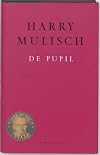
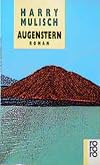
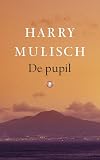
The pupil
by Harry Mulisch
On This Page
Tags
Recommendations


Member Reviews
Vlak na de oorlog is een jongen van rond de 18 jaar naar Italië 'gevlucht'. In Italië had hij een
baantje als pompbediende. Bij het pompstation laat op een dag Mme. Sasserath haar tank volgooien. Al gauw blijkt dat ze dezelfde taal spreken. Na een praatje
besluit Mme. Sasserath 'de pupil' mee te nemen naar haar huis als haar gezelschapsheer. Mme. Sasserath blijkt de weduwe van de man die de veiligheidsspeld heeft uit gevonden. Haar man is daarmee zo rijk geworden dat Mme. Sasserath een heerlijk, onbekommerd rijk leventje leidt aan de Middellandse Zee met uitkijk op de Vesuvius. De pupil is erg gefacineerd door deze vulkaan.
De relatie tussen Mme. Sasserath en haar pupil wordt steeds hechter.
De pupil voelt op een gegeven moment dat Mme. show more Sasserath iets voor hem verzwijgt. Op een dag blijkt dat 'het geheim', wat de pupil al in de lucht had voelen hangen, een kabelbaan om de top van
de Vesuvius te bereiken was.
Als Mme. Sasserath en de pupil samen als eerste in de kabelbaan naar boven gaan is Mme. Sasserath halverwege ineens verdwenen. Mme Sasseraths bedienden verdenken de pupil van moord en van het uit zijn op haar erfenis. Met zijn welbespraaktheid kon hij zich uit deze situatie redden, stapte in een taxi en verdween om nooit meer terug te keren. show less
baantje als pompbediende. Bij het pompstation laat op een dag Mme. Sasserath haar tank volgooien. Al gauw blijkt dat ze dezelfde taal spreken. Na een praatje
besluit Mme. Sasserath 'de pupil' mee te nemen naar haar huis als haar gezelschapsheer. Mme. Sasserath blijkt de weduwe van de man die de veiligheidsspeld heeft uit gevonden. Haar man is daarmee zo rijk geworden dat Mme. Sasserath een heerlijk, onbekommerd rijk leventje leidt aan de Middellandse Zee met uitkijk op de Vesuvius. De pupil is erg gefacineerd door deze vulkaan.
De relatie tussen Mme. Sasserath en haar pupil wordt steeds hechter.
De pupil voelt op een gegeven moment dat Mme. show more Sasserath iets voor hem verzwijgt. Op een dag blijkt dat 'het geheim', wat de pupil al in de lucht had voelen hangen, een kabelbaan om de top van
de Vesuvius te bereiken was.
Als Mme. Sasserath en de pupil samen als eerste in de kabelbaan naar boven gaan is Mme. Sasserath halverwege ineens verdwenen. Mme Sasseraths bedienden verdenken de pupil van moord en van het uit zijn op haar erfenis. Met zijn welbespraaktheid kon hij zich uit deze situatie redden, stapte in een taxi en verdween om nooit meer terug te keren. show less
Ratings
Members
- Recently Added By
Author Information

124+ Works 11,843 Members
Mulisch's name will go down in history as the writer par excellence of modern myths, and possibly not only in Dutch literary history. Every one of his great novels such as Het Stenen Bruidsbed (The Stone Bridal Bed) (1959), Hoogste Tijd (High Time) (1985), and De Aanslag (The Assault) (1982) is technically based on, or evokes reminiscences of, show more existing classical myths; at the same time, each work is thematically related to the author's own time and experiences, usually World War II. Every one of the more important characters, excluding the main characters who normally serve as narrators or reporters, is an embodiment or personification of an archetype. In The Assault the various characters not only play completely different roles in the killing of a German officer by members of the Dutch Resistance movement, but they also represent distinct types. The action is also much more than an incident. The protagonist, Anton Steenwijk, spends a lifetime trying to solve the puzzle consisting of the various causes and effects relative to the fatal act. He does this not as a detective but as a normal, thinking human being who is interested in knowing where he came from and where he is headed. The puzzle that presents itself to him is as complex, yet as logical, as the waves created by a passing ship, reverberating indefinitely, even when the ship has disappeared from sight. Mulisch is, with Wolkers, Hermans, and Vestdijk, one of the most talented novelists of his generation, but he may be expected to outlive all three others because of the classical nature of his work, classical here meaning "of primary significance for all people of all times." (Bowker Author Biography) Harry Mulisch is the author of such internationally bestselling novels as "The Assault", which was made into the film that won the 1987 Oscar for Best Foreign Film, & "The Discovery of Heaven". He has also published short stories, essays, poetry, plays, & philosophical works. He lives in Amsterdam. (Bowker Author Biography) show less
Some Editions
Series
Belongs to Publisher Series
Work Relationships
Has as a student's study guide
Common Knowledge
- Canonical title
- The pupil
- Original title
- De pupil
- Original publication date
- 1987
- Important places*
- Italië
- Epigraph
- Non ha l'ottimo artista alcun concrtto c'un marmo solo in sé non circonscriva col suo superchio, e solo a quello arriva la man che ubbidisce all'intelletto.* Michelangelo
Non *De grootste kunstenaar kan niets verzinnen dat niet vooraf al in de steen bestaat, maar als zijn hand niet met zijn geest meegaat zal hij het nooit van 't ruwe marmer winnen. (vert. Frans van Dooren) - First words
- Elk leven kent zijn geheimen. Die moeten geheim gehouden worden.
- Last words
- (Click to show. Warning: May contain spoilers.)Toen ik haar op had, ging ik op mijn zij liggen en staarde met brandende ogen naar de schemerende figuren op de grond, - en terwijl ik nog even het gelach van de archeologen hoorde, viel ik en een diepe slaap. Amsterdam, 3 - 24 december 1986
- Original language*
- Nederlands
*Some information comes from Common Knowledge in other languages. Click "Edit" for more information.
Classifications
- Genres
- General Fiction, Fiction and Literature
- DDC/MDS
- 839.31364 — Literature & rhetoric German & related literatures Other Germanic literatures Netherlandish literatures Dutch Dutch fiction 20th Century 1945-1999
- LCC
- PT5860 .M85 .P864 — Language and Literature German, Dutch and Scandinavian literatures Dutch literature Individual authors or works 1800-1960
Statistics
- Members
- 148
- Popularity
- 222,161
- Reviews
- 1
- Rating
- (3.40)
- Languages
- Dutch, English, German
- Media
- Paper
- ISBNs
- 9
- ASINs
- 1