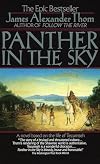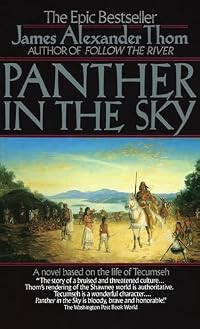
Panther in the Sky
by James Alexander Thom
On This Page
Description
Rich, colorful and bursting with excitement, this remarkable story turns James Alexander Thom's power and passion for American history to the epic story of Tecumseh's life and give us a heart-thumping novel of one man's magnificent destinyâ??to unite his people in the struggle to save their land and their way of life from the relentless press of the white settlers.â??Oh, what a man this will be, with such a sign as that!â?
In 1768, when Turtle Mother gave birth to a strong baby boy show more in the heart of the Shawnee nation, a green-yellow shooting star streaked across the heavens. Hard Striker saw the unsoma, the birth sign, and named his son Tecumseh, meaning Panther in the Sky . . .
Praise for Panther in the Sky
â??[James Alexander] Thom shows how, in honest, capable hands, fictionalized biography can add verisimilitude to the life and times of this extraordinary America. . . . The dialogue has the ring of reality about it. . . . Thom is able to get into the thoughts and emotions of his characters.â?â??Dee Brown, Los Angeles Times
â??The story of a bruised and threatened culture . . . Thom's rendering of the Shawnee world is authoritative. Tecumseh is a wonderful character. . . . Panther in the Sky is bloody, brave and honorable.â?â??The Washington Post Book World
â??Through Thom's masterful storytelling and his passion for Shawnee lore, customs and especially mysticism, you continually have the feeling that maybe, these simple, proud individuals can win back their land and have life go on as â??Our Grandmother,â?? that great spiritual force, intended.â?â??Chicago Tribune
â??A work of such sweep and compassion that it blurs the demarcation between novel and history . . . Totally admirable.â?â??The Cincinnati Enquirer
â??A brillinant job . . . meticulously researched . . . It is a detailed story of the almost mythical life of [Tecumseh] and that of the Shawnee of his time.â?â??Kansas City Star
â??A spellbinding novel about the life of Tecumseh . . . The book is almost epic in its scope. . . . Thom has carefully researched his facts. He has the care of a historian to go with the skills of the seasoned novelist.â?â??The Indianapolis Star
â??Rivet show less
Tags
Recommendations





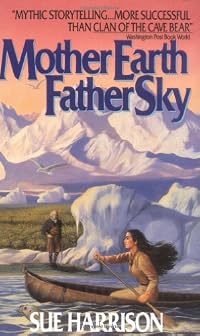
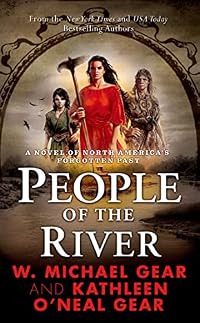
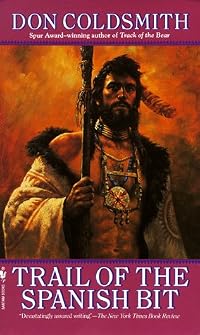
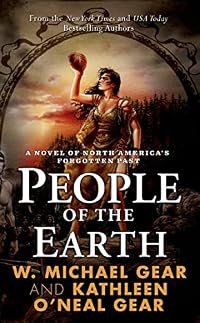




Member Recommendations
Member Reviews
Thom’s historical fictions, mostly based in Colonial and pre-Colonial America, are impeccably researched, exquisitely detailed … and hellaciously long. His fictionalized biography of the Shawnee chief Tecumseh hits all those marks squarely, and individual readers who hang on through the nearly 700 pages of the saga will have to decide, in hindsight, whether the journey was worth it.
There are a lot of battles in this book. A. Lot. Of. Battles. That may be because Tecumseh’s adult life was dominated by the ongoing warfare between the British and Colonial (later, American) forces in the Revolutionary War and the War of 1812, which spilled over from the traditional Valley Forge and Yorktown locales into what was then the farthest show more reaches of the frontier, the Ohio River Basin. As white settlers began encroaching on Native American lands and British forces remaining in what is now Canada both jockeyed for control of the area, the tribal cultures there were inexorably caught within ever-tightening boundaries.
The young Tecumseh realized that the only way in which the flood of European settlers might be halted would be by a consolidated front of the many tribal groups in the area, and he spent much of his adult life trying to accomplish this goal. His growing awareness of the importance of this task and the ways in which he carried it out –- very nearly bringing it to fruition -- forms the heart of ‘Panther in the Sky’, but ultimately, it always came back to force of arms, political machinations, dismissal of Native claims, and Lots. And. Lots. Of. Battles.
Thom also provides insight into the daily life of the region’s tribes, their social customs and spiritual beliefs, peopling the story mostly with historical characters whose actions within the novel’s framework can be verified, logically inferred, or realistically imagined. Sharing the pages with Tecumseh are characters like Daniel Boone, William Rogers Clark, William Henry Harrison, and Tecumseh’s brother Tenskwatawa, a powerful shaman who was either a remarkable holy man, a total loony, or a consummate con artist, depending on the historical sources consulted and one’s own opinion of people who claim to have a direct line to the powers that rule the universe.
Readers who choose to accompany Tecumseh on his journey are looking at a fairly substantial time commitment but will be rewarded by making the acquaintance of a remarkable individual. show less
There are a lot of battles in this book. A. Lot. Of. Battles. That may be because Tecumseh’s adult life was dominated by the ongoing warfare between the British and Colonial (later, American) forces in the Revolutionary War and the War of 1812, which spilled over from the traditional Valley Forge and Yorktown locales into what was then the farthest show more reaches of the frontier, the Ohio River Basin. As white settlers began encroaching on Native American lands and British forces remaining in what is now Canada both jockeyed for control of the area, the tribal cultures there were inexorably caught within ever-tightening boundaries.
The young Tecumseh realized that the only way in which the flood of European settlers might be halted would be by a consolidated front of the many tribal groups in the area, and he spent much of his adult life trying to accomplish this goal. His growing awareness of the importance of this task and the ways in which he carried it out –- very nearly bringing it to fruition -- forms the heart of ‘Panther in the Sky’, but ultimately, it always came back to force of arms, political machinations, dismissal of Native claims, and Lots. And. Lots. Of. Battles.
Thom also provides insight into the daily life of the region’s tribes, their social customs and spiritual beliefs, peopling the story mostly with historical characters whose actions within the novel’s framework can be verified, logically inferred, or realistically imagined. Sharing the pages with Tecumseh are characters like Daniel Boone, William Rogers Clark, William Henry Harrison, and Tecumseh’s brother Tenskwatawa, a powerful shaman who was either a remarkable holy man, a total loony, or a consummate con artist, depending on the historical sources consulted and one’s own opinion of people who claim to have a direct line to the powers that rule the universe.
Readers who choose to accompany Tecumseh on his journey are looking at a fairly substantial time commitment but will be rewarded by making the acquaintance of a remarkable individual. show less
Weshecat-welok’weshe laweh-pah. Translation: May we be strong by doing what is right. This Shawnee maxim is the major theme of James Alexander Thom’s Panther in the Sky, a historical novel I wholeheartedly recommend.
One reason is you will learn so much about the Algonquian/Shawnee culture as it existed in the Ohio River Valley during the late 1700s and early 1800s. Religious beliefs, ceremonies, social morays, games, agricultural practices, tools and weapons, clothing, house construction, the roles of men and women: all of this is included in Thom’s narration of the life of the remarkable Shawnee warrior chief Tecumseh.
Here is an interesting example that involves Daniel Boone, who had been taken prisoner by the Shawnee war tribe show more that the child Tecumseh belonged to. Adopted by the tribe’s chief, Boone had been accepted as a member of the village. “Some days Big Turtle [Boone’s Indian name] would sit in the sunshine for hours, wincing while the children took turns at the tedious task of plucking off his whisker stubble, bit by bit getting rid of his facial hair as the Shawnee men did theirs.”
If you read this book, you will understand fully why Native American/frontier Caucasian conflict occurred. Natives believed that their Creator had placed them exclusively on the North American continent where they were expected to live harmoniously with nature. Tribes did not own specific parcels of land. They were free to roam. Any tribe could migrate into any territory not occupied by a different tribe. American frontiersmen believed that Indian land existed for their taking. Their attitude about seizing Indian territory is revealed in this passage, written by Tecumseh’s arch-enemy and future U.S. President, William Henry Harrison:
“Is one of the fairest portions of the globe to remain in a state of nature, the haunt of a few wretched savages, when it seems destined, by the Creator, to give support to a huge population, and to the seat of civilization, of science, and of true religion?”
White men deemed themselves the sole owners of the property they occupied. They possessed deeds of ownership. No other person could occupy any portion of their land, however extensive and unused it might be. During and after the American Revolution Blue Coat soldiers and Kentucky militiamen drove Native Americans out of Kentucky and out of the valleys of the Magnificent River (Ohio River) tributaries. Behind them hurried settlers eager to own property, clear forests, raise families, establish towns, and create states. Most of the land they would come to own had been obtained by military conquest or by treaty, old tribal chiefs forced to relinquish Indian territory and be placed on small reservations to protect their people from being militarily destroyed. Once these treaties were signed, no tribe could occupy any of these lands. Settlers, however, were allowed to venture beyond the boundaries of these lands to settle in what still remained Indian territory. Thereafter, soldiers would intimidate Indian settlements within the ever-shrinking Indian territory, and chiefs of those settlements would also be forced to decide whether to sign a treaty ceding another portion of desired land or fight. This systematic stealing of Indian land is what Tecumseh devoted his entire adult life to eliminate.
A third reason I would recommend that you read this book is to have you appreciate Tecumseh as a human being. A fierce warrior in battle, he was indefatigable in his efforts to protect his people. Yet he was compassionate. He abhorred senseless killing. He strived always to prevent the torturing and slaying of the combatants he took prisoner. He attempted to unite every tribe west of the Appalachian Mountains and east of the Mississippi River to halt, if not reverse, the white man’s inexorable encroachment. You will despise Tecumseh’s enemies -- particularly Harrison -- their racism, their arrogance, their sense of entitlement, their ignorance, and their cruelty. You will appreciate those few white men who did value Tecumseh’s ideals and friendship. You will respect Tecumseh’s family members (with one exception) and his loyal subordinates.
A fourth reason is Thom’s narration of certain, important historical battles, which are an essential part of our understanding of the Native American displacement.
A final reason to read this book is that the author provides you with what all fiction readers desire: depth of character, purposeful dialogue, intense conflict, emotionally evocative personal relationships, and effectively utilized sensory detail. Panther in the Sky is high on my list of historical novel recommendations. show less
One reason is you will learn so much about the Algonquian/Shawnee culture as it existed in the Ohio River Valley during the late 1700s and early 1800s. Religious beliefs, ceremonies, social morays, games, agricultural practices, tools and weapons, clothing, house construction, the roles of men and women: all of this is included in Thom’s narration of the life of the remarkable Shawnee warrior chief Tecumseh.
Here is an interesting example that involves Daniel Boone, who had been taken prisoner by the Shawnee war tribe show more that the child Tecumseh belonged to. Adopted by the tribe’s chief, Boone had been accepted as a member of the village. “Some days Big Turtle [Boone’s Indian name] would sit in the sunshine for hours, wincing while the children took turns at the tedious task of plucking off his whisker stubble, bit by bit getting rid of his facial hair as the Shawnee men did theirs.”
If you read this book, you will understand fully why Native American/frontier Caucasian conflict occurred. Natives believed that their Creator had placed them exclusively on the North American continent where they were expected to live harmoniously with nature. Tribes did not own specific parcels of land. They were free to roam. Any tribe could migrate into any territory not occupied by a different tribe. American frontiersmen believed that Indian land existed for their taking. Their attitude about seizing Indian territory is revealed in this passage, written by Tecumseh’s arch-enemy and future U.S. President, William Henry Harrison:
“Is one of the fairest portions of the globe to remain in a state of nature, the haunt of a few wretched savages, when it seems destined, by the Creator, to give support to a huge population, and to the seat of civilization, of science, and of true religion?”
White men deemed themselves the sole owners of the property they occupied. They possessed deeds of ownership. No other person could occupy any portion of their land, however extensive and unused it might be. During and after the American Revolution Blue Coat soldiers and Kentucky militiamen drove Native Americans out of Kentucky and out of the valleys of the Magnificent River (Ohio River) tributaries. Behind them hurried settlers eager to own property, clear forests, raise families, establish towns, and create states. Most of the land they would come to own had been obtained by military conquest or by treaty, old tribal chiefs forced to relinquish Indian territory and be placed on small reservations to protect their people from being militarily destroyed. Once these treaties were signed, no tribe could occupy any of these lands. Settlers, however, were allowed to venture beyond the boundaries of these lands to settle in what still remained Indian territory. Thereafter, soldiers would intimidate Indian settlements within the ever-shrinking Indian territory, and chiefs of those settlements would also be forced to decide whether to sign a treaty ceding another portion of desired land or fight. This systematic stealing of Indian land is what Tecumseh devoted his entire adult life to eliminate.
A third reason I would recommend that you read this book is to have you appreciate Tecumseh as a human being. A fierce warrior in battle, he was indefatigable in his efforts to protect his people. Yet he was compassionate. He abhorred senseless killing. He strived always to prevent the torturing and slaying of the combatants he took prisoner. He attempted to unite every tribe west of the Appalachian Mountains and east of the Mississippi River to halt, if not reverse, the white man’s inexorable encroachment. You will despise Tecumseh’s enemies -- particularly Harrison -- their racism, their arrogance, their sense of entitlement, their ignorance, and their cruelty. You will appreciate those few white men who did value Tecumseh’s ideals and friendship. You will respect Tecumseh’s family members (with one exception) and his loyal subordinates.
A fourth reason is Thom’s narration of certain, important historical battles, which are an essential part of our understanding of the Native American displacement.
A final reason to read this book is that the author provides you with what all fiction readers desire: depth of character, purposeful dialogue, intense conflict, emotionally evocative personal relationships, and effectively utilized sensory detail. Panther in the Sky is high on my list of historical novel recommendations. show less
While Tecumseh is a familiar name to Americans, I don't think I am alone in knowing virtually nothing about him or his life prior to reading this fictionalized but well-researched account of his life. Leading with his birth in 1768 and detailing his life as a highly respected Shawnee warrior and leader, the narrative concludes with his eventual death during the War of 1812. It is a heartbreaking story, and will make any reader yearn to go back and change history. My library copy packed 684 pages into a book only about an inch thick, and I didn't find the writing style especially engrossing, so I often felt that I was making very little progress. While I'm glad I read it, and it has absolutely made me wish to read more about the life of show more this celebrated man, I'm not sure I'll pick up another book by this author. show less
Just about all the reviews for this book I've seen on various sites are raves, but I can't say I liked this book much. My reaction to it was similar to my response to two other works of historical fiction I read over the last past months. One was Elizabeth Chadwick's The Greatest Knight about William Marshall, a figure from medieval English history, and the other was The Many Lives & Secret Sorrows of Josephine B. by Sandra Gulland about Josephine Bonaparte, the wife of Napoleon. In short, both are readable despite dull or cheesy writing because of the inherent fascination of their real life protagonists come through almost despite their authors.
I feel the same here. The name Tecumseh sounded vaguely familiar, but I never knew or had show more forgotten anything about him. As this novelized biography of him relates, he was a visionary chief of the Shawnee who attempted to unite various far-flung Native American tribes to halt the white incursion and invasion of their lands, allying himself with the British in the War of 1812. Thom states in his afterward that his purpose was "to make my reader walk in the Shawnee's moccasins, to help him appreciate what they once had and comprehend the devastation they were suffering."
I am impressed with the evident historical research he put on the page. The novel is dense with such detail, and Thom's wife is herself a Shawnee--his obvious respect and admiration for his subject shines through. But his Shawnee are too idyllic, Tecumseh too heroic, the legendary and supernatural aspects taken too seriously for me to buy, the prose too often overblown and stilted and the pace too often dragging.
There's enough here to intrigue, to make clear Tecumseh was a great leader and what happened to his people a terrible tragedy--but it's the kind of historical novel that makes me wish I had read a book of straight nonfiction history on the subject instead of, rather than in addition to, reading this. Great subject--in my opinion not great execution. show less
I feel the same here. The name Tecumseh sounded vaguely familiar, but I never knew or had show more forgotten anything about him. As this novelized biography of him relates, he was a visionary chief of the Shawnee who attempted to unite various far-flung Native American tribes to halt the white incursion and invasion of their lands, allying himself with the British in the War of 1812. Thom states in his afterward that his purpose was "to make my reader walk in the Shawnee's moccasins, to help him appreciate what they once had and comprehend the devastation they were suffering."
I am impressed with the evident historical research he put on the page. The novel is dense with such detail, and Thom's wife is herself a Shawnee--his obvious respect and admiration for his subject shines through. But his Shawnee are too idyllic, Tecumseh too heroic, the legendary and supernatural aspects taken too seriously for me to buy, the prose too often overblown and stilted and the pace too often dragging.
There's enough here to intrigue, to make clear Tecumseh was a great leader and what happened to his people a terrible tragedy--but it's the kind of historical novel that makes me wish I had read a book of straight nonfiction history on the subject instead of, rather than in addition to, reading this. Great subject--in my opinion not great execution. show less
I remember this book was worth like 70 AR points so of course I snatched it up, not even realizing what it would be about or that I'd find it incredibly fascinating. I'd never heard of Tecumseh in my life, but was rivited by this epic story. Maybe I'll give it a shot rereading it soon!
I really enjoyed this book which was an interesting account of the early American infiltration into the Native Indian homelands. It was interesting that Thom stated in the book that he struggled in his research supporting the book because there were so many conflicting and contradictory accounts. He said that he paid more credence to the Indian accounts as he tried to write the story from their perspective. The story of Tecumseh is fascinating however, and he is portrayed as an inspirational leader and enlightened individual. I would like to read more accounts of this story and non-fiction books related to the plight of the American Indian. The author has a wonderful writing style as well.
This is a wonderful book about a Native American Leader/Hero who almost stopped America's Manifest Destiny. Please do not confuse the cover picture from the awful movie with the contents of this book. Mr. Thom brings history to life and should be aplauded for this book.
Members
- Recently Added By
Lists

Best Historical Fiction
620 works; 257 members
Author Information

16+ Works 3,032 Members
Awards and Honors
Awards
Common Knowledge
- Canonical title
- Panther in the Sky
- Original publication date
- 1989
- People/Characters
- Tecumseh; Chikseka
- Important places
- Ohio, USA; Indiana, USA; Illinois, USA
- Important events
- War of 1812
- Dedication
- For Mari and Rhu,
who keep me from fossilizing - First words
- Once again the People were fleeing on a road of hunger.
- Last words
- (Click to show. Warning: May contain spoilers.)They would have to go on that way until he found a way to come around to them again.
Classifications
Statistics
- Members
- 417
- Popularity
- 73,895
- Reviews
- 11
- Rating
- (4.05)
- Languages
- Dutch, English
- Media
- Paper, Ebook
- ISBNs
- 8
- ASINs
- 6