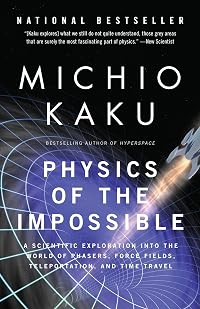
Physics of the Impossible: A Scientific Exploration Into the World of Phasers, Force Fields, Teleportation, and Time Travel
by Michio Kaku
On This Page
Description
A fascinating exploration of the science of the impossible--from death rays and force fields to invisibility cloaks--revealing to what extent such technologies might be achievable decades or millennia into the future. One hundred years ago, scientists would have said that lasers, televisions, and the atomic bomb were beyond the realm of physical possibility. In Physics of the impossible, the renowned physicist Michio Kaku explores to what extent the technologies and devices of science show more fiction that are deemed equally impossible today might well become commonplace in the future. From teleportation to telekinesis, Kaku uses the world of science fiction to explore the fundamentals--and the limits--of the laws of physics as we know them today. He ranks the impossible technologies by categories--Class I, II, and III, depending on when they might be achieved, within the next century, millennia, or perhaps never. In a compelling and thought-provoking narrative, he explains: How the science of optics and electromagnetism may one day enable us to bend light around an object, like a stream flowing around a boulder, making the object invisible to observers "downstream"; How ramjet rockets, laser sails, antimatter engines, and nanorockets may one day take us to the nearby stars; How telepathy and psychokinesis, once considered pseudoscience, may one day be possible using advances in MRI, computers, superconductivity, and nanotechnology; Why a time machine is apparently consistent with the known laws of quantum physics, although it would take an unbelievably advanced civilization to actually build one. Kaku uses his discussion of each technology as a jumping-off point to explain the science behind it. An extraordinary scientific adventure, Physics of the impossible takes listeners on an unforgettable, mesmerizing journey into the world of science that both enlightens and entertains. show lessTags
Recommendations







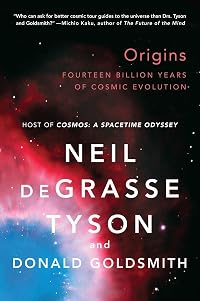
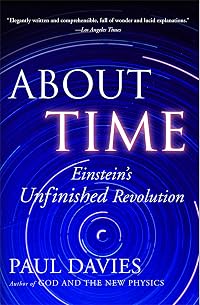

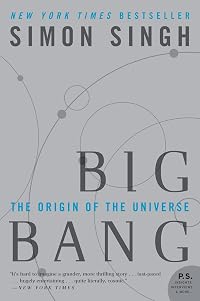
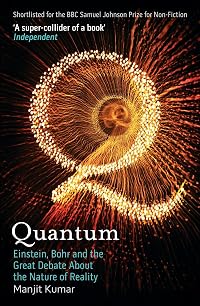
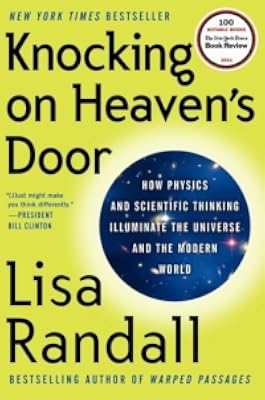
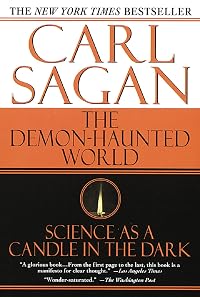
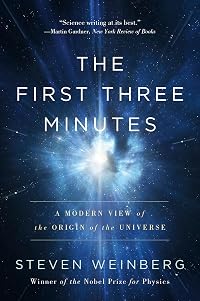
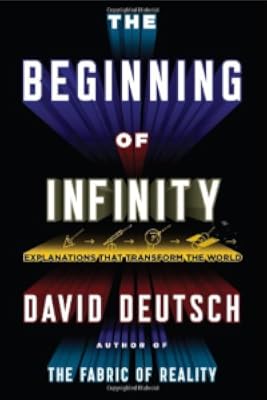

Member Recommendations

Member Reviews
"… it is always dangerous to declare that something is absolutely impossible in the physical sciences." (pg. 285)
A fantastically engrossing book in which renowned physicist Michio Kaku explains how outlandish science-fiction mainstays like time travel, phasers, interstellar travel, invisibility and teleportation may actually be scientifically possible. Even more remarkably, he argues that many of these things may not only be possible but probable. He splits the various ideas into three classes: Class I, which are impossible today but could be possible within the next century or so; Class II, which are possible according to our understanding of physics but will only be realised in the distant future; and Class III, which are ones that show more violate the known laws of physics. It says a lot that most of the ideas – even some surprising ones – end up in the first class.
It is a book that really brings home just how fascinating science is and the exciting boundaries present and future physicists are and will be pushing. Kaku's writing is occasionally clunky, but he explains the core concepts well. There is an enthusiasm for the wonders of science present in these pages that seems to seep through the pages into the skin of the reader. Similar to other popular science books like Bill Bryson's A Short History of Nearly Everything, your brain becomes giddy as it contemplates such highly stimulating ideas.
But this is not just geeking out and fantasising about one day owning your own lightsaber. It makes you realise not only how remarkable the future may be, but how remarkable the present is. Not only can we theorise about these outlandish concepts but there are significant efforts underway to one day make them a reality. We already live in a remarkable age; think of the complexity of the various technologies we use in our day-to-day lives. On page 11, Kaku talks about 'maglev' trains which are already becoming operational in our time: trains that use magnets to levitate above the tracks. These are things which are coming to bear in our lifetimes, and think about how much more may just be around the corner. Think about a hypothetical book from fifty or one hundred years ago which speculates about the internet and personal computers and mobile phones and so on, and how such things must have seemed like science fiction to people of that time. Quite aside from any of its particular qualities – and there are many – books like Physics of the Impossible are incredibly life-affirming to those willing to engage with them, because they make you dream and make you realise that wild dreams for the future can come true. show less
A fantastically engrossing book in which renowned physicist Michio Kaku explains how outlandish science-fiction mainstays like time travel, phasers, interstellar travel, invisibility and teleportation may actually be scientifically possible. Even more remarkably, he argues that many of these things may not only be possible but probable. He splits the various ideas into three classes: Class I, which are impossible today but could be possible within the next century or so; Class II, which are possible according to our understanding of physics but will only be realised in the distant future; and Class III, which are ones that show more violate the known laws of physics. It says a lot that most of the ideas – even some surprising ones – end up in the first class.
It is a book that really brings home just how fascinating science is and the exciting boundaries present and future physicists are and will be pushing. Kaku's writing is occasionally clunky, but he explains the core concepts well. There is an enthusiasm for the wonders of science present in these pages that seems to seep through the pages into the skin of the reader. Similar to other popular science books like Bill Bryson's A Short History of Nearly Everything, your brain becomes giddy as it contemplates such highly stimulating ideas.
But this is not just geeking out and fantasising about one day owning your own lightsaber. It makes you realise not only how remarkable the future may be, but how remarkable the present is. Not only can we theorise about these outlandish concepts but there are significant efforts underway to one day make them a reality. We already live in a remarkable age; think of the complexity of the various technologies we use in our day-to-day lives. On page 11, Kaku talks about 'maglev' trains which are already becoming operational in our time: trains that use magnets to levitate above the tracks. These are things which are coming to bear in our lifetimes, and think about how much more may just be around the corner. Think about a hypothetical book from fifty or one hundred years ago which speculates about the internet and personal computers and mobile phones and so on, and how such things must have seemed like science fiction to people of that time. Quite aside from any of its particular qualities – and there are many – books like Physics of the Impossible are incredibly life-affirming to those willing to engage with them, because they make you dream and make you realise that wild dreams for the future can come true. show less
Bello! Il titolo mi stuzzicava, e l'avevo in wishlist da tempo, quindi quando è spuntata un'offerta l'ho acchiappato al volo.
È il primo libro che leggo di questo scienziato, e penso che non sarà l'ultimo.
La fisica dell'impossibile è non solo ma anche quella della fantascienza di Star Trek, Guerre Stellari, dei supereroi, e viene presentata con un linguaggio tecnico il giusto, una prosa scorrevole e accattivante, mai noiosa, la chiarezza non viene mai meno nonostante l'argomento non sia di quelli di cui si discute in coda dal panettiere. Ovviamente l'esigenza di chiarezza e concisione impatta sulla precisione, ma questo è solo un pregio per un libro di divulgazione scientifica. E mi tolgo tanto di cappello davanti al signor Kaku, show more perché non deve essere per niente facile per uno scienziato di quel livello rinunciare ad andare a fondo nella materia in cui è maestro.
Mi è piaciuta la divisione degli argomenti per tipo d'impossibilità, cose impossibili oggi ma probabili in un futuro non lontano, visto che in alcuni campi la tecnica ha fatto e sta facendo passi da gigante, cose non impossibili in linea teorica ma di difficile attuazione in un futuro anche più lontano, perché le innovazioni tecniche che ne potrebbero permettere la realizzazione sono ben lontane dall'essere possibili a breve, e la terza classe, cose impossibili perché sfidano le leggi della fisica (ma impossibili per ora, lasciamo la porta aperta perché ogni giorno porta una nuova scoperta, e poi questa parte ha solo due capitoli .....).
Sebbene non sia digiuna di fisica delle particelle per gli studi fatti da giovane e le letture fatte (matematica e fisica e la loro storia sono rimaste una mia passione) devo dire che questo è uno dei libri più comprensibili che ho letto al riguardo, dunque lo consiglierei decisamente a chi volesse avvicinarsi a questo genere, e a tutti gli amanti di Star Trek, che scopriranno con piacere che alcune delle cose che vediamo nella serie sono vicine, anche se purtroppo non ancora davvero a portata di mano (e con mio rammarico il viaggio a curvatura non è uno di questi, è un'impossibilità di seconda classe).
E se per caso qualcuno volesse diventare srcittore di fantascienza, beh, leggere questo libro è un must. show less
È il primo libro che leggo di questo scienziato, e penso che non sarà l'ultimo.
La fisica dell'impossibile è non solo ma anche quella della fantascienza di Star Trek, Guerre Stellari, dei supereroi, e viene presentata con un linguaggio tecnico il giusto, una prosa scorrevole e accattivante, mai noiosa, la chiarezza non viene mai meno nonostante l'argomento non sia di quelli di cui si discute in coda dal panettiere. Ovviamente l'esigenza di chiarezza e concisione impatta sulla precisione, ma questo è solo un pregio per un libro di divulgazione scientifica. E mi tolgo tanto di cappello davanti al signor Kaku, show more perché non deve essere per niente facile per uno scienziato di quel livello rinunciare ad andare a fondo nella materia in cui è maestro.
Mi è piaciuta la divisione degli argomenti per tipo d'impossibilità, cose impossibili oggi ma probabili in un futuro non lontano, visto che in alcuni campi la tecnica ha fatto e sta facendo passi da gigante, cose non impossibili in linea teorica ma di difficile attuazione in un futuro anche più lontano, perché le innovazioni tecniche che ne potrebbero permettere la realizzazione sono ben lontane dall'essere possibili a breve, e la terza classe, cose impossibili perché sfidano le leggi della fisica (ma impossibili per ora, lasciamo la porta aperta perché ogni giorno porta una nuova scoperta, e poi questa parte ha solo due capitoli .....).
Sebbene non sia digiuna di fisica delle particelle per gli studi fatti da giovane e le letture fatte (matematica e fisica e la loro storia sono rimaste una mia passione) devo dire che questo è uno dei libri più comprensibili che ho letto al riguardo, dunque lo consiglierei decisamente a chi volesse avvicinarsi a questo genere, e a tutti gli amanti di Star Trek, che scopriranno con piacere che alcune delle cose che vediamo nella serie sono vicine, anche se purtroppo non ancora davvero a portata di mano (e con mio rammarico il viaggio a curvatura non è uno di questi, è un'impossibilità di seconda classe).
E se per caso qualcuno volesse diventare srcittore di fantascienza, beh, leggere questo libro è un must. show less
I can’t buy into Kaku’s optimism and faith in technology, but this is a fun read and it’s hard not to get excited about all the science on display, which Kaku does a really good job making intelligible to someone like me that failed AP Physics
As usual Dr. Kaku draws a reader into a fantasy, yet highly possible realm of future. Explaining both sides of the coin is something that I love about Kaku's books. Unlike most prominent scientists, Kaku doesn't outright state if something is possible or impossible. He presents a well laid out argument that gives the reader as much information on the topic as possible and then heads out to give his own view on the outcome.
This book talks about many topics that have been puzzling me for the last few years and I am glad to have read it. In a way, I can now pursue my own thoughts on the subject to come up with my own conclusions.
This book talks about many topics that have been puzzling me for the last few years and I am glad to have read it. In a way, I can now pursue my own thoughts on the subject to come up with my own conclusions.
Physicist Michio Kaku looks at various ideas and technologies that are staples of science fiction, but are not -- or are not yet -- possible in the real world, from force fields to sentient robots to time travel. He divides these "impossible" things into three categories. Most of the concepts he talks about are "Class I Impossibilities": they're not quite possible with current technology, but there's no reason why they might not be achievable in the future, and we already have at least some vague idea of how that might happen. Laser pistols are a good example of this; the main reason cops aren't carrying ray guns is that they require way too much power. "Class II Impossibilities" are things that aren't necessarily ruled out by the laws show more of physics, but involve technology and an understanding of the universe so far in advance of our own that it's hard to even imagine. This category includes faster-than-light travel via wormholes. "Class III impossibilities" are things that really do seem to be completely and eternally impossible according to our current understanding of the most basic laws of the universe. Perpetual motion machines are the big example here.
For each "impossibility," of whichever class, Kaku describes a few examples from science fiction TV shows, books, or movies; explains some of the science involved; tells us why it's not possible right now; and discusses what would be necessary to make it possible in the future. This is definitely written for the layman, and he walks a pretty fine line between treating the physics too superficially and getting too technical about the experiments and calculations that provide the basis of our scientific knowledge. For the most part, I think he walks that line fairly well. Some readers will probably start feeling a little confused when the book gets into the more abstruse areas of quantum mechanics, but I think that's just about inevitable. Even when you understand the mathematics behind that stuff, it's still hard to make sense of.
I don't think Michio Kaku is quite as lively and engaging a writer as, say, Laurence Krauss (who wrote The Physics of Star Trek, among other things), but his writing is readable enough, and this book will probably be of at least some interest to science fiction fans, especially ones who've often found themselves wondering, "Could you really do that?" show less
For each "impossibility," of whichever class, Kaku describes a few examples from science fiction TV shows, books, or movies; explains some of the science involved; tells us why it's not possible right now; and discusses what would be necessary to make it possible in the future. This is definitely written for the layman, and he walks a pretty fine line between treating the physics too superficially and getting too technical about the experiments and calculations that provide the basis of our scientific knowledge. For the most part, I think he walks that line fairly well. Some readers will probably start feeling a little confused when the book gets into the more abstruse areas of quantum mechanics, but I think that's just about inevitable. Even when you understand the mathematics behind that stuff, it's still hard to make sense of.
I don't think Michio Kaku is quite as lively and engaging a writer as, say, Laurence Krauss (who wrote The Physics of Star Trek, among other things), but his writing is readable enough, and this book will probably be of at least some interest to science fiction fans, especially ones who've often found themselves wondering, "Could you really do that?" show less
A fun and interesting read about the physics of wondrous and fantastic technology you see in science fiction. Kaku shows us how it can almost be possible to do those things that only seem to work in someone's imagination. He explores the physics behind such things as energy weapons, faster than light travel, invisibility, extraterrestrials, time travel, perpetual motion machines, etc and shows through science that some of this stuff may be a reality in the future.
This is a fascinating collection of thoughts on what might be possible in areas most people think is impossible. In the process, it provides a broad overview of what is happening on the edges of science. By describing how such concepts as invisibility, teleportation, time travel, parallel universes, and faster than light travel might…just might…be possible, Kaku introduces the reader to some of the latest scientific thinking going on in the most bizarre areas. (Don’t get me wrong – this is solid scientific study – it just seems bizarre when you think about what this research might mean.)
The approach is very accessible. While there are a few instances where the reader has the opportunity to get lost in the physics, Kaku is a show more master at explaining incredibly complicated concepts in a way that we common folk can understand. Sure, at times it comes off too simplistic, but that is the sacrifice that comes with trying to take these strange concepts and make them real. If I have any complaint, it is that Kaku is trying almost too hard to show he is “of the people”. In particular, there is constant reference to science fiction. That, in and of itself, is not an issue. What is an issue is that the references, while showing knowledge of the area, are a bit limited. How many times can references to Star Trek be the only appropriate analogy? (And how can you talk about robots without Asimov’s Three Laws?) It is hard to tell if this is a function of Kaku inadvertently pandering to the audience, or an actual limitation on his knowledge of the subject. (After all, he has been a bit busy with his science studies to have a well-rounded knowledge of science fiction.) At times it is a bit distracting, but it is easily forgiven when he jumps back into describing the new pioneers of science.
In the final analysis, in spite of a few bumps and bumbles, this book is a fun exercise in exploring the impossible and learning just how weird reality really is. show less
The approach is very accessible. While there are a few instances where the reader has the opportunity to get lost in the physics, Kaku is a show more master at explaining incredibly complicated concepts in a way that we common folk can understand. Sure, at times it comes off too simplistic, but that is the sacrifice that comes with trying to take these strange concepts and make them real. If I have any complaint, it is that Kaku is trying almost too hard to show he is “of the people”. In particular, there is constant reference to science fiction. That, in and of itself, is not an issue. What is an issue is that the references, while showing knowledge of the area, are a bit limited. How many times can references to Star Trek be the only appropriate analogy? (And how can you talk about robots without Asimov’s Three Laws?) It is hard to tell if this is a function of Kaku inadvertently pandering to the audience, or an actual limitation on his knowledge of the subject. (After all, he has been a bit busy with his science studies to have a well-rounded knowledge of science fiction.) At times it is a bit distracting, but it is easily forgiven when he jumps back into describing the new pioneers of science.
In the final analysis, in spite of a few bumps and bumbles, this book is a fun exercise in exploring the impossible and learning just how weird reality really is. show less
Members
- Recently Added By
Lists

Authors from the United States
245 works; 3 members
Author Information

39+ Works 15,095 Members
Michio Kaku was born January 24, 1947 in San Jose California. Kaku attended Cubberley High School in Palo Alto in the early 1960s and played first board on their chess team. At the National Science Fair in Albuquerque, New Mexico, he attracted the attention of physicist Edward Teller, who took Kaku as a protégé, awarding him the Hertz show more Engineering Scholarship. Kaku graduated summa cum laude from Harvard University with a B.S. degree in 1968 and was first in his physics class. He attended the Berkeley Radiation Laboratory at the University of California, Berkeley and received a Ph.D. in 1972 and held a lectureship at Princeton University in 1973. During the Vietnam War, Kaku completed his U.S. Army basic training at Fort Benning, Georgia and his advanced infantry training at Fort Lewis, Washington. Kaku currently holds the Henry Semat Chair and Professorship in theoretical physics and a joint appointment at City College of New York, and the Graduate Center of the City University of New York, where he has lectured for more than 30 years. He is engaged in defining the "Theory of Everything", which seeks to unify the four fundamental forces of the universe: the strong nuclear force, the weak nuclear force, gravity and electromagnetism. He was a visiting professor at the Institute for Advanced Study in Princeton, and New York University. He is a Fellow of the American Physical Society. He is listed in Who's Who in Science and Engineering, and American Men and Women of Science. He has published research articles on string theory from 1969 to 2000. In 1974, along with Prof. K. Kikkawa, he wrote the first paper on string field theory, now a major branch of string theory, which summarizes each of the five string theories into a single equation. In addition to his work on string field theory, he also authored some of the first papers on multi-loop amplitudes in string theory. Kaku is the author of several doctoral textbooks on string theory and quantum field theory and has published 170 articles in journals covering topics such as superstring theory, supergravity, supersymmetry, and hadronic physics. He is also author of the popular science books: Visions, Hyperspace, Einstein's Cosmos, Parallel Worlds, The Future of the Mind, and The Future of Humanity: Terraforming Mars, Interstellar Travel, Immortality, and Our Destiny Beyond. (Bowker Author Biography) show less
Awards and Honors
Distinctions
Notable Lists
Common Knowledge
- Canonical title
- Physics of the Impossible: A Scientific Exploration Into the World of Phasers, Force Fields, Teleportation, and Time Travel
- Original title
- Physics of the Impossible: A Scientific Exploration Into the World of Phasers, Force Fields, Teleportation, and Time Travel
- Original publication date
- 2008
- People/Characters
- Hans Zarkov; Jules Verne; John Carter; Edwin Hubble; Albert Einstein; H. G. Wells (show all 10); Luke Skywalker; Han Solo; John Cox; Robert Heinlein
- Important places
- Large Hadron Collider
- Related movies
- Sci Fi Science: Physics of the Impossible (2009 | IMDb)
- Dedication
- To my loving wife, Shizue, and to Michelle and Alyson
- First words
- One day, would it be possible to walk through walls? [Preface]
"Shields up!" - Last words
- (Click to show. Warning: May contain spoilers.)But whatever we find, there will always be new horizons continually awaiting us.
- Original language*
- Inglés
*Some information comes from Common Knowledge in other languages. Click "Edit" for more information.
Classifications
- Genres
- Science & Nature, General Nonfiction, Nonfiction
- DDC/MDS
- 530 — Natural sciences & mathematics Physics Physics
- LCC
- QC75 .K18 — Science Physics Physics General
- BISAC
Statistics
- Members
- 2,797
- Popularity
- 6,519
- Reviews
- 57
- Rating
- (3.85)
- Languages
- 14 — Czech, Dutch, English, French, German, Hungarian, Italian, Japanese, Polish, Portuguese, Romanian, Russian, Spanish, Turkish
- Media
- Paper, Audiobook, Ebook
- ISBNs
- 38
- ASINs
- 22