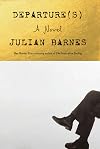
Departure(s)
by Julian Barnes
On This Page
Description
"Shortly after our narrator, a writer named Julian, begins this compact book by discussing the workings of involuntary memory, he interrupts himself with a bulletin to the reader: "There will be a story--or a story within the story--but not just yet." Of course, whether Departure(s) is mostly fiction or not, there is a lot of its author in it, including Barnes's reckoning with the blood disorder he has been living with since he was diagnosed in 2020, his long preoccupation with dying and show more grief, and his mordant sense of the indignities and lost opportunities we're prey to in love. The story he promises to deliver is a love story, that of two friends he met at university in the 1960s, that time of touted but rarely experienced sexual freedom. Julian played matchmaker to Stephen (tall, gangling, uncertain) and Jean (tart and attractive); as the third wheel he was deeply invested in the success of their love and insulted when they broke up. Time is swift, and forty years later, he tries again, watching as their rekindled affair produces joys, betrayals, and disappointments of a different order. "Life and memory can be so . . . quixotic, don't you find?" Barnes uses both his novelistic memory and his (real?) personal diary entries to examine not just the quixotic relationship of Jean and Stephen but his writer's eye upon it, and how his efforts in their behalf add up in the end. Having promised them he'd never write about them, he breaks the promise to fulfill one, amply, to his readers, in this delightful and poignant novelist's game that only Julian Barnes knows how to play"-- show lessTags
Recommendations


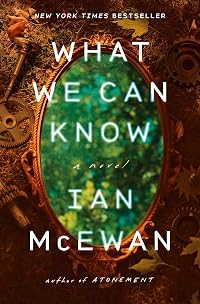
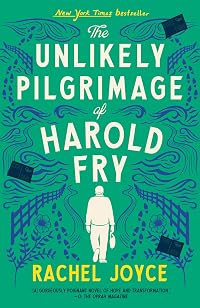
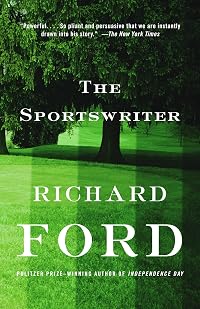
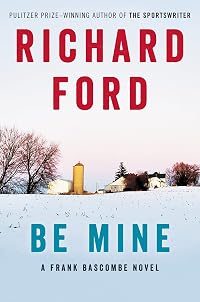










Member Recommendations
Member Reviews
There are two threads to this story - one narrated by a writer named Julian Barnes, who gives us a stoic account of his diagnosis with an incurable blood cancer (as the real author Julian Barnes was in 2020 - and there are many other autobiographical details which are shared by the narrator and the author); and a story that he tells about two friends of his, a couple at university, who split up on graduation and got back together again many decades later. Either of these stories might be true, or not - and in fact the bulk of the book is authorial musings, particular on memory. Occasionally - after telling us about something that happened to him - the narrator refers to the notebooks he kept at the time, and notes ironically which show more elements he'd remembered and which suppressed. He is interested in the neuroscience around memory, and of course also mentions Proust. And even in the narrative about the relationship, Jean and Stephen's memories of each other's youthful selves influence the way that they see each other in their later years.
Not really a book with a plot, but something I really enjoyed. I particularly recommend the audiobook as it's read by Barnes himself, who brings a nice playful touch to the more meta elements of the story (when he is teasing us about whether or not some aspect is true or fictional). I think it's particularly effective given that so much of the book is Barnes-the-narrator musing about this and that.
I am now in my mid-seventies, and like most older people am sometimes bored by myself - by which I mean my repetitious remembering of thoughts and deeds and, especially, opinions. (And those who never bore themselves, who continue to be publicly entertained by their own lives and their repeated anecdotes, are usually the worst bores on the planet. Men again, on the whole.) show less
Not really a book with a plot, but something I really enjoyed. I particularly recommend the audiobook as it's read by Barnes himself, who brings a nice playful touch to the more meta elements of the story (when he is teasing us about whether or not some aspect is true or fictional). I think it's particularly effective given that so much of the book is Barnes-the-narrator musing about this and that.
I am now in my mid-seventies, and like most older people am sometimes bored by myself - by which I mean my repetitious remembering of thoughts and deeds and, especially, opinions. (And those who never bore themselves, who continue to be publicly entertained by their own lives and their repeated anecdotes, are usually the worst bores on the planet. Men again, on the whole.) show less
This collection (or novella—depending on how you categorize it) seems to promise a tale of “double matchmaking.” We get two attempts to engineer intimacy, two departures from solitude, and perhaps two reckonings with chance. Yet the narrative never quite delivers. The strands don’t deepen each other; they just sit side by side. Instead of resonance, we get two parallel lines that don’t intersect in any meaningful way. Instead of resolution, we get a meditation on the fragility of intention. Indeed, the failed matchmaking efforts may only reflect the emotional evasions of Barnes’ characters. Their relationship doesn’t go anywhere because the characters themselves don’t risk going anywhere.
The frame feels loose. Scenes show more feel essayistic rather than dramatic; ideas hover without accumulating force. This can seem less like purposeful storytelling and more like narrative underdevelopment. However, if one reads this book as a meditation on departure itself—emotional, temporal, even existential, it becomes more coherent—but also quieter and more abstract than many readers might expect. The unusually pluralized title hints at multiple kinds of leave-taking: from youth, from romantic expectation, and even from the illusion that love can be arranged.
Reading “Departure(s)” can be frustrating primarily because of the mismatch between what it promises and what it actually delivers. It promises narrative momentum but delivers stasis. Yet Barnes seems to be content with this more controlled, reflective and detached mood. It’s not that one loses the key to the story; it’s that the door may simply open onto a different room than expected. show less
The frame feels loose. Scenes show more feel essayistic rather than dramatic; ideas hover without accumulating force. This can seem less like purposeful storytelling and more like narrative underdevelopment. However, if one reads this book as a meditation on departure itself—emotional, temporal, even existential, it becomes more coherent—but also quieter and more abstract than many readers might expect. The unusually pluralized title hints at multiple kinds of leave-taking: from youth, from romantic expectation, and even from the illusion that love can be arranged.
Reading “Departure(s)” can be frustrating primarily because of the mismatch between what it promises and what it actually delivers. It promises narrative momentum but delivers stasis. Yet Barnes seems to be content with this more controlled, reflective and detached mood. It’s not that one loses the key to the story; it’s that the door may simply open onto a different room than expected. show less
Julian Barnes turned 80 on January 19, the day before this book was published. And it is so very much a Julian Barnes book, one difficult to categorize as either fiction or non-fiction, which the narrator’s friend would undoubtedly dismiss as “’This hybrid stuff you do.’”
The narrator is a writer named Julian Barnes who states that what we are reading will be his last book. He begins with a lengthy discussion of memory, how it works and its fallibility. Promising that there will be a story, or a story within the story, he eventually tells the story of two friends, Jean and Stephen, for whom he played matchmaker, once in the 1960s and again 40 years later. This narrative feels less of a plot and more a device for examining show more love. The latter part of the book is a reflection of the narrator’s life (his writing career, the deaths of his wife and friends, his diagnosis with blood cancer, the ravishes of aging, and his eventual death). The book closes with a farewell to his readers.
I’ve really liked several of Barnes’ novels and this one was no exception. I enjoyed reading his thoughts about memory, love, grief, and death. Perhaps because I am only a decade away from his age, his reflections resonated with me. I especially liked his way of accepting life’s vicissitudes and one’s inevitable death: it’s just the universe doing its stuff.
At the end, the narrator addresses the reader directly and imagines the writer and reader sitting side by side at a cafe, watching and musing at the lives passing by. Throughout, the narrator speaks in a relaxed voice as if indeed the reader and writer are having a conversation – though he admits to seldom catching the reader’s mutterings since he imagines the reader sitting on his deaf side. As such conversations between companions do, this one meanders with digressions touching on both serious and trivial topics.
The serious topics outnumber the inconsequential, but there are definite touches of humour. The discussions about Jimmy, a Jack Russell, are often hilarious. I chuckled at Julian’s description of his triage fantasy: imagining that during Covid, he’d be dismissed as an old geezer relegated to end-of-life care until someone notices his lapel badge announcing his winning of the Booker Prize. And I loved his jabs at Trump, commenting it would be appropriate if he’d sworn on a copy of the Wicked Bible which commands “Thou shalt commit adultery.”
The title is perfect. The narrator has experienced the departure of memories, has had some people in his life leave temporarily and some die, and he gives more than passing thought to his own departure from life. And is he saying goodbye to his writing career? The narrator emphasizes how writers lie and don’t keep promises, like the one he made to Jean and Stephen to never write about them. So should we take Barnes’s statement, about this being his last book, at face value?
I hope this is not his last book, but if it is, it is a good one to mark the end of his career. And though I won’t stop looking at “the many and varied expressions of life,” I’ll miss his “sturdy presence” and “conversational mutterings.”
Note: I received an eARC from the publisher via NetGalley.
Please check out my reader's blog (https://schatjesshelves.blogspot.com/). show less
The narrator is a writer named Julian Barnes who states that what we are reading will be his last book. He begins with a lengthy discussion of memory, how it works and its fallibility. Promising that there will be a story, or a story within the story, he eventually tells the story of two friends, Jean and Stephen, for whom he played matchmaker, once in the 1960s and again 40 years later. This narrative feels less of a plot and more a device for examining show more love. The latter part of the book is a reflection of the narrator’s life (his writing career, the deaths of his wife and friends, his diagnosis with blood cancer, the ravishes of aging, and his eventual death). The book closes with a farewell to his readers.
I’ve really liked several of Barnes’ novels and this one was no exception. I enjoyed reading his thoughts about memory, love, grief, and death. Perhaps because I am only a decade away from his age, his reflections resonated with me. I especially liked his way of accepting life’s vicissitudes and one’s inevitable death: it’s just the universe doing its stuff.
At the end, the narrator addresses the reader directly and imagines the writer and reader sitting side by side at a cafe, watching and musing at the lives passing by. Throughout, the narrator speaks in a relaxed voice as if indeed the reader and writer are having a conversation – though he admits to seldom catching the reader’s mutterings since he imagines the reader sitting on his deaf side. As such conversations between companions do, this one meanders with digressions touching on both serious and trivial topics.
The serious topics outnumber the inconsequential, but there are definite touches of humour. The discussions about Jimmy, a Jack Russell, are often hilarious. I chuckled at Julian’s description of his triage fantasy: imagining that during Covid, he’d be dismissed as an old geezer relegated to end-of-life care until someone notices his lapel badge announcing his winning of the Booker Prize. And I loved his jabs at Trump, commenting it would be appropriate if he’d sworn on a copy of the Wicked Bible which commands “Thou shalt commit adultery.”
The title is perfect. The narrator has experienced the departure of memories, has had some people in his life leave temporarily and some die, and he gives more than passing thought to his own departure from life. And is he saying goodbye to his writing career? The narrator emphasizes how writers lie and don’t keep promises, like the one he made to Jean and Stephen to never write about them. So should we take Barnes’s statement, about this being his last book, at face value?
I hope this is not his last book, but if it is, it is a good one to mark the end of his career. And though I won’t stop looking at “the many and varied expressions of life,” I’ll miss his “sturdy presence” and “conversational mutterings.”
Note: I received an eARC from the publisher via NetGalley.
Please check out my reader's blog (https://schatjesshelves.blogspot.com/). show less
One more - and very sadly, the last - of Julian Barnes's reflective, discursive stories. It's called "a novel," but maybe more what is being called "autofiction" these days - a true tale (or a version of it) told as if it's a novel, with memory and history interwoven with imagination, fiction, and "liberties."
Similar to the tripartite structure of Barnes's previous novel "Elizabeth Finch," it begins with an author named Julian Barnes reflecting on memories of his university days, and his friendship with two other students, Stephen and Jean. They begin a relationship, with Barnes's assistance and encouragement, reach the point of "marry or split," and at that time opt for split. Many years go by, during which Barnes is diagnosed with a show more "manageable but not curable blood disorder" (a particular kind of leukemia). He muses on the effects of disease, age, widowhood, loss, and the changing form of relationships over years. He has promised Stephen and Jean that he will not write about them. But - of course - he eventually does, with names changed. After decades of sporadic contact with both of them separately, he helps engineer an "accidental" reunion. This time, they marry. Yet, it's an uneven, mercurial relationship, and Barnes is the old friend on whom they unload. Jean dies; Barnes inherits her dog. Other friends die. And for Barnes, approaching 80, his inevitable end is coming into focus. He doesn't seem to mind so much, but he'd like to go out with grace, with kindness, with a friend at hand to bid farewell and slip away.
A dry, wry, thoughtful voice, exploring, inquiring, remembering; sometimes wistful, sometimes rueful, looking the human experience of love, time, mortality, memory, and joy straight in the face. I would wish him godspeed, but for his positive atheism (which I share). I will miss him when he goes. show less
Similar to the tripartite structure of Barnes's previous novel "Elizabeth Finch," it begins with an author named Julian Barnes reflecting on memories of his university days, and his friendship with two other students, Stephen and Jean. They begin a relationship, with Barnes's assistance and encouragement, reach the point of "marry or split," and at that time opt for split. Many years go by, during which Barnes is diagnosed with a show more "manageable but not curable blood disorder" (a particular kind of leukemia). He muses on the effects of disease, age, widowhood, loss, and the changing form of relationships over years. He has promised Stephen and Jean that he will not write about them. But - of course - he eventually does, with names changed. After decades of sporadic contact with both of them separately, he helps engineer an "accidental" reunion. This time, they marry. Yet, it's an uneven, mercurial relationship, and Barnes is the old friend on whom they unload. Jean dies; Barnes inherits her dog. Other friends die. And for Barnes, approaching 80, his inevitable end is coming into focus. He doesn't seem to mind so much, but he'd like to go out with grace, with kindness, with a friend at hand to bid farewell and slip away.
A dry, wry, thoughtful voice, exploring, inquiring, remembering; sometimes wistful, sometimes rueful, looking the human experience of love, time, mortality, memory, and joy straight in the face. I would wish him godspeed, but for his positive atheism (which I share). I will miss him when he goes. show less
This is definitely not a book for people who have not been introduced to Barnes. It is full of meandering
musings, memories, anecdotes and thoughts on aging. Which parts are fiction and which memoir? It is unclear. There’s a rambling quality to the writing, which I didn’t mind but suspect others will.
In Departure(s) the main character Julian Barnes reflects upon his life and approaching death. He sees life as us all travelling along parallel tracks, which lead to departures of one’s friends and eventually oneself.
In the early part of the book Barnes focuses on Involuntary Autobiographical Memory (IAM), memories of personal events that come to mind spontaneously without conscious effort. These appear to happen more often in old show more age. Barnes muses on what it would be like if suddenly old memories of a certain event such as eating toast, kept flooding into one’s mind in chronological order. He returns to this idea of being bombarded by IAIMs of identical events over time in the later of part of the book.
Departure(s) does not have any middle, in the sense that Barnes’ middle years are not covered. Instead, we are introduced in the first chapters to two of his Oxford friends, Jean and Stephen. Barnes plays matchmaker and the two marry but later divorce.
The physical middle part of the book is about the start of his old age when he discovered he has a form of cancer that can be “managed”. There is a lot of detaill here about his diagnosis, his reaction, and the methods used to contain the disease. This is perhaps the most uninteresting part of the book. It is set during the Covid lockdown and Brexit, not the happiest of times.
In the final chapters Barnes comes back to Jean and Stephen who had the disastrous marriage in the 1960s, and have lost touch with Barnes and with each other over the past forty years. Barnes slyly introduces them to each other without them suspecting they are going to meet. The novelist in him can’t help himself, looking at and controlling the plot of their lives.
He mentions a number of fellow writers, and how they have criticised him over the years for writing “hybrid novels”. He talks a lot about sex and memory. And all through this we have lots of anecdotes that are interesting in themselves, but have no direct relation to what he has been writing about.
He plays a lot with words. He quotes another writer who said. ‘“You can’t have new old friends” and plays around with the words. Can you have old new friends? Or new old friends? Certainly Jean and Stephen who he reunites after a forty year gap are old new old friends.
I can’t leave the book without mentioning one other character, a Jack Russell terrier called Jimmy. Jimmy was Jean’s dog during her second marriage to Stephen, and though I’m not really a dog-person I fell for this dog, who seemed to have as much personality as the other people in Barnes’ life as told in Departure(s).
I love the anecdotes and the meandering thoughts of an erudite man managing his final years. Barnes turned 80 on January 19th 2026, the day before this book was published. It is not a memoir but a statement to his followers. I’m not sure I would be so interested had this been written by a writer I had not loved. I’ve read and enjoyed Barnes’ books the whole of my adult life, and so at the end of Departure(s) when he addresses the reader directly, I actually cried. You will be missed JB. A loss to literature. show less
musings, memories, anecdotes and thoughts on aging. Which parts are fiction and which memoir? It is unclear. There’s a rambling quality to the writing, which I didn’t mind but suspect others will.
In Departure(s) the main character Julian Barnes reflects upon his life and approaching death. He sees life as us all travelling along parallel tracks, which lead to departures of one’s friends and eventually oneself.
In the early part of the book Barnes focuses on Involuntary Autobiographical Memory (IAM), memories of personal events that come to mind spontaneously without conscious effort. These appear to happen more often in old show more age. Barnes muses on what it would be like if suddenly old memories of a certain event such as eating toast, kept flooding into one’s mind in chronological order. He returns to this idea of being bombarded by IAIMs of identical events over time in the later of part of the book.
Departure(s) does not have any middle, in the sense that Barnes’ middle years are not covered. Instead, we are introduced in the first chapters to two of his Oxford friends, Jean and Stephen. Barnes plays matchmaker and the two marry but later divorce.
The physical middle part of the book is about the start of his old age when he discovered he has a form of cancer that can be “managed”. There is a lot of detaill here about his diagnosis, his reaction, and the methods used to contain the disease. This is perhaps the most uninteresting part of the book. It is set during the Covid lockdown and Brexit, not the happiest of times.
In the final chapters Barnes comes back to Jean and Stephen who had the disastrous marriage in the 1960s, and have lost touch with Barnes and with each other over the past forty years. Barnes slyly introduces them to each other without them suspecting they are going to meet. The novelist in him can’t help himself, looking at and controlling the plot of their lives.
He mentions a number of fellow writers, and how they have criticised him over the years for writing “hybrid novels”. He talks a lot about sex and memory. And all through this we have lots of anecdotes that are interesting in themselves, but have no direct relation to what he has been writing about.
He plays a lot with words. He quotes another writer who said. ‘“You can’t have new old friends” and plays around with the words. Can you have old new friends? Or new old friends? Certainly Jean and Stephen who he reunites after a forty year gap are old new old friends.
I can’t leave the book without mentioning one other character, a Jack Russell terrier called Jimmy. Jimmy was Jean’s dog during her second marriage to Stephen, and though I’m not really a dog-person I fell for this dog, who seemed to have as much personality as the other people in Barnes’ life as told in Departure(s).
I love the anecdotes and the meandering thoughts of an erudite man managing his final years. Barnes turned 80 on January 19th 2026, the day before this book was published. It is not a memoir but a statement to his followers. I’m not sure I would be so interested had this been written by a writer I had not loved. I’ve read and enjoyed Barnes’ books the whole of my adult life, and so at the end of Departure(s) when he addresses the reader directly, I actually cried. You will be missed JB. A loss to literature. show less
‘I like some of your books but not others….This hybrid stuff you do - I think it’s a mistake. You should do one thing or the other’. So says Jean, one of the central characters in Departures[s], to another of its central characters, Julian Barnes. Jean would have hated Departure[s] as it is, if you’ll pardon the oxymoron, pure hybrid: a mixture of autobiography, essay and fiction. The fiction, which Barnes tells us is based on fact, has a beginning and an end, but no middle. Barnes introduces his fellow students Stephen and Jean to each other at Oxford in the sixties and they become lovers. Eventually they decide to separate and Barnes also loses contact with them. Forty years later Stephen writes to Barnes and asks him to show more arrange a meeting with Jean, and Stephen and Jean become a couple once again.
Early on in Departure[s] Barnes says it will be his last book and, at the end, bids goodbye to his readers. This is not because of his blood cancer, diagnosed in 2020, as the condition is incurable but manageable - a pretty good definition, as Barnes observes, of life itself. It’s mainly because he feels he has said everything he has to say in the novel and prefers to stop before falling into repetition; doing again what he has done before, but less well. This final work is a meditation on ageing, illness, death, memory, love, fact and fiction. Barnes writes about life with cancer, departed friends, an ageing Jack Russell Terrier called Jimmy, literature, and the relationship between life and fiction.
Stephen and Jean both confided to Barnes about difficulties in their renewed relationship on the condition that he never wrote about it. They have now passed on and Barnes has changed their names. So the responsibilities of an author to their friends, and the parasitic nature of art, are also central themes. Of course, one has to take on trust that the story of Stephen and Jean is true; or perhaps one should do nothing of the sort, particularly as in his opening chapter Barnes has told us that we should only trust novelists ‘when they tell us the beautiful lies of their fiction’, and be ‘genially sceptical’ when they tell us ‘where they get their ideas from’. He also addresses the reader, teasingly: ‘And yes, I follow you: if I broke that oath [to Stephen and Jean] how dependable is my promise to you of authenticity?’ It probably doesn’t matter, as Barnes seems to be suggesting that there is no firm line between fact and fiction, what happened and what we remember, and that in writing about our experience we inevitably fictionalise it. We simultaneously record and sort our experience in notebooks and diaries, prioritising certain things while discarding others, remembering what we want to remember and, if you happen to be a novelist, what might be useful in future fiction. A story with a hole in the middle also serves as a metaphor for memory, indeed life itself, Barnes noting that as we age childhood memories often become sharper and the middle years increasingly hazy.
Despite its hybrid form and diverse themes Departure[s] is satisfyingly coherent, touching, thoughtful, and often wryly amusing. It’s a short book, but its subtlety of thought and complex interweaving of fact and fiction invite a rereading. show less
Early on in Departure[s] Barnes says it will be his last book and, at the end, bids goodbye to his readers. This is not because of his blood cancer, diagnosed in 2020, as the condition is incurable but manageable - a pretty good definition, as Barnes observes, of life itself. It’s mainly because he feels he has said everything he has to say in the novel and prefers to stop before falling into repetition; doing again what he has done before, but less well. This final work is a meditation on ageing, illness, death, memory, love, fact and fiction. Barnes writes about life with cancer, departed friends, an ageing Jack Russell Terrier called Jimmy, literature, and the relationship between life and fiction.
Stephen and Jean both confided to Barnes about difficulties in their renewed relationship on the condition that he never wrote about it. They have now passed on and Barnes has changed their names. So the responsibilities of an author to their friends, and the parasitic nature of art, are also central themes. Of course, one has to take on trust that the story of Stephen and Jean is true; or perhaps one should do nothing of the sort, particularly as in his opening chapter Barnes has told us that we should only trust novelists ‘when they tell us the beautiful lies of their fiction’, and be ‘genially sceptical’ when they tell us ‘where they get their ideas from’. He also addresses the reader, teasingly: ‘And yes, I follow you: if I broke that oath [to Stephen and Jean] how dependable is my promise to you of authenticity?’ It probably doesn’t matter, as Barnes seems to be suggesting that there is no firm line between fact and fiction, what happened and what we remember, and that in writing about our experience we inevitably fictionalise it. We simultaneously record and sort our experience in notebooks and diaries, prioritising certain things while discarding others, remembering what we want to remember and, if you happen to be a novelist, what might be useful in future fiction. A story with a hole in the middle also serves as a metaphor for memory, indeed life itself, Barnes noting that as we age childhood memories often become sharper and the middle years increasingly hazy.
Despite its hybrid form and diverse themes Departure[s] is satisfyingly coherent, touching, thoughtful, and often wryly amusing. It’s a short book, but its subtlety of thought and complex interweaving of fact and fiction invite a rereading. show less
This is a short book, a reflection of leavings, endings, illness, death, memory, and legacies. This is in my wheelhouse. An unusual mix of autofiction, memoir and non-fiction, it is pretty much an excuse to spend time with Julian Barnes for the last time. I liked his reflections on friendship, love and Proust amongst other things. One point he makes is that life's experiences slowly fade into mere anecdotes to the point where the stories become unreliable. The ostensible "story" is admittedly kind of a flimsy one to move a book forward, but it is really only a jumping off point for his reflections.
Members
- Recently Added By
Lists

Guardian Books of the Day 2026
14 works; 1 member
Author Information

89+ Works 43,043 Members
Julian Barnes was born in Leicester, England, on January 19, 1946. He received a degree in modern languages from Magdalen College, Oxford University in 1968. He has held jobs as a lexicographer for the Oxford English Dictionary, a reviewer and literary editor for the New Statesmen and the New Review, and a television critic. He has written show more numerous works of fiction including Arthur and George, Pulse: Stories, The Noise of Time, and England, England. He received the Somerset Maugham Award in 1980 for Metroland, the Geoffrey Faber Memorial Prize in 1985 and a Prix Medicis in 1986 for Flaubert's Parrot, and the Man Booker Prize in 2011 for The Sense of an Ending. He also writes non-fiction works including Letters from London, The Pedant in the Kitchen, and Nothing to Be Frightened Of. He received the Shakespeare Prize by the FVS Foundation in 1993, the Austrian State Prize for European Literature in 2004, and the David Cohen Prize for Literature in 2011. He writes detective novels under the pseudonym Dan Kavanaugh. His works under this name include Duffy, Fiddle City, Putting the Boot In, and Going to the Dogs. (Bowker Author Biography) show less
Some Editions
Awards and Honors
Distinctions
Common Knowledge
Classifications
Statistics
- Members
- 304
- Popularity
- 105,422
- Reviews
- 17
- Rating
- (3.83)
- Languages
- 7 — Catalan, Dutch, English, French, German, Spanish, Swedish
- Media
- Paper, Audiobook, Ebook
- ISBNs
- 17
- ASINs
- 8