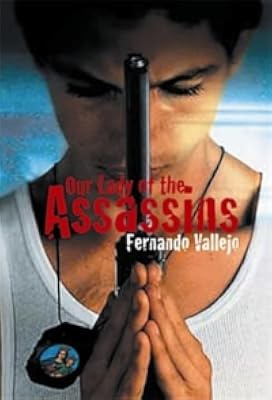
Our Lady of the Assassins
by Fernando Vallejo
On This Page
Description
"A point in case is his Our Lady of the Assassins, based on the autobiographical novel of one of Colombia's best writers, Fernando Vallejo, whose work has yet to be translated into English and published in the United States. One of the most important new Latin American writers, Vallejo is famous in Colombia and Mexico, of course, and in France as well (where his writing has been compared to the best of Jean Genet's), but is unknown in America. "Schroeder's [film] Our Lady of the Assassins show more takes place in Medellin, Colombia, where Schroeder spent four years of his childhood, from age 6 to 10. It's the story of a homosexual writer, possessed of a saturnine temperament, who, after living most of his life abroad, returns to his hometown to revisit the places of his youth. He falls in love with a young boy who packs a pistol but who would sooner kill a stranger than an injured dog. It's a courageous picture about the pathology of indifference, set against the backdrop of the narco-violence of the murder capital of South America." --Steve Wasserman, Book Editor of the Los Angeles Times. o Film tie-in with Barbet Schroeder's new film o Postcard mailing to key Consortium accounts o Mailing to Latin American departments o Mailing to Latin American departments o News of film and book at www.filmsdulosange.fr Born in Medellin in 1942, Fernando Vallejo moved to Mexico City, where he now lives, in 1971. Our Lady of the Assassins is the first novel to be translated into English of an author who is considered the rising star of Latin American writing. show lessTags
Recommendations








































Member Reviews
Telling of his love affair with Alexis, a young teenager from Medellín (one of the poorest and most violent neighbourhood in Colombia) the narrator does more than delivering a sensual novel, woven with homo-erotic passion. He gives us to see how life is in such an area, where drug lords rule unchallenged, politicians are powerless, police absent or useless, and the entire society in agony -tightly embraced by poverty, violence and death.
Alexis is a 'sicario', one of these countless kids without childhood and who will never grow up, cruising streets with guns, spreading terror and killing not only to survive, but, also, to satisfy their ego, when not for reasons as futile as a radio played too loud or a single pair of shoes.
With a show more laconic writing style made of revolts barely restrained, we are plunged here into a crazy and horrible reality; a reality we struggle to believe it actually affects the narrator, he who blindly follows Alexis in his murderous path in the name of love.
A chilling novel. show less
Alexis is a 'sicario', one of these countless kids without childhood and who will never grow up, cruising streets with guns, spreading terror and killing not only to survive, but, also, to satisfy their ego, when not for reasons as futile as a radio played too loud or a single pair of shoes.
With a show more laconic writing style made of revolts barely restrained, we are plunged here into a crazy and horrible reality; a reality we struggle to believe it actually affects the narrator, he who blindly follows Alexis in his murderous path in the name of love.
A chilling novel. show less
A very sad, sad story about a horrible situation but the way it was told with the first person narrative of the old grammarian made the violence less so and easier to accept. It did not inspire any desire to visit Columbia because that would be scary if this book has any bearing on truth and this book is not couched in any magical realism.
"And three of the onlookers in the crowd sticking up for him. They were the kind of champions of 'human rights', or delinquents' rights, who spring up spontaneously around here and lay claim to that 'defender of the people' role instituted by the new Constitution convoked by the idiot queer."
"The policeman, on of those ultra-young rookies they're recruiting these days to cast into the lions' den show more unarmed and with their hands tied by the whoremongering of the law, didn't know what to say or what to do."
"...protected by the cowardly boldness of the mob, were apparently ready to apparently let themselves be killed, if it were apparently necessary, by a man who carried no weapons."
It was interesting to learn that the narrator's name is the same as the authors "Fernando". The narrator was gone and is now returned. In his diatribe we are introduced to such topics as Columbia's president, the drug culture, priests, communists, sociologists, television, and soccer". It is a picture of social collapse, a "city where death rules supreme but where nobody will ever die of boredom." show less
"And three of the onlookers in the crowd sticking up for him. They were the kind of champions of 'human rights', or delinquents' rights, who spring up spontaneously around here and lay claim to that 'defender of the people' role instituted by the new Constitution convoked by the idiot queer."
"The policeman, on of those ultra-young rookies they're recruiting these days to cast into the lions' den show more unarmed and with their hands tied by the whoremongering of the law, didn't know what to say or what to do."
"...protected by the cowardly boldness of the mob, were apparently ready to apparently let themselves be killed, if it were apparently necessary, by a man who carried no weapons."
It was interesting to learn that the narrator's name is the same as the authors "Fernando". The narrator was gone and is now returned. In his diatribe we are introduced to such topics as Columbia's president, the drug culture, priests, communists, sociologists, television, and soccer". It is a picture of social collapse, a "city where death rules supreme but where nobody will ever die of boredom." show less
I did not expect, that it would take me 2 days to struggle through a book of only 132 pages...
From what I read on the back cover, it seemed an interesting enough book. Okay, way out of my comfort zone because it is written by a Latin American author and is placed in South America, but close enough (kind of mystery or thriller) to still try it.
Apart from a few passages I completely missed out on the irony. I think that is caused by lack of more than superficial knowlegde about the local situation in Colombia, combined with apparently a more limited English knowlegde than I assumed.
All in all this book without any chapters was to me one long story, leading from one murder to another, with some coleur locale.
What shocked me most about show more the book is, the (seemingly) complete indifference the main character (author?) and the passers by watch the killings. I think therefor, this book will stick with me for some time. show less
From what I read on the back cover, it seemed an interesting enough book. Okay, way out of my comfort zone because it is written by a Latin American author and is placed in South America, but close enough (kind of mystery or thriller) to still try it.
Apart from a few passages I completely missed out on the irony. I think that is caused by lack of more than superficial knowlegde about the local situation in Colombia, combined with apparently a more limited English knowlegde than I assumed.
All in all this book without any chapters was to me one long story, leading from one murder to another, with some coleur locale.
What shocked me most about show more the book is, the (seemingly) complete indifference the main character (author?) and the passers by watch the killings. I think therefor, this book will stick with me for some time. show less
Massive machine gum misanthropy levels this flaming response to life in Bogota. I read this on the flight from London to DC. The author emitted a great deal of bile. The film, shot on video, was much more effective in framing the monologue.
long suffering diatribe over the political woes of Colombia, especially Medellin. The ugly underbelly of a culture producing amorality.
Après ma lecture de L’autre visage de Rock Hudson de Guillermo Fadanelli parlant des violences actuelles au Mexique, il était intéressant pour moi de lire un livre sur les violences qu’a connu la Colombie il y a quelques années (pour honnête, je ne sais même pas si c’est terminé) car on lit souvent dans les journaux que c’est comparable. Après quelques petites recherches internet, j’ai pris ce livre à la bibliothèque (il paraît qu’il y a même un film qui a été adapté du livre).
L’histoire est assez simple. Elle se passe au milieu des années 90. Un écrivain revient après une longue absence dans sa ville natale de Medellín. Il la trouve bien changé car les gens sont devenus vulgaires à son goût. En plus, show more elle est à feu et à sang (il est à deux doigts de penser que ce n’est que ce que les gens méritent). On comprend très vite que la seule manière dont peut parler cet écrivain est la diatribe. Il ne fait que cela comme dans le livre de Horacio Castellanos Moya Le dégoût. Mais là où ce dernier était violent sans porter atteinte à l’intégrité de la personne humaine, Fernando Vallejo lui n’hésite pas. Je continue l’histoire. L’auteur rencontre chez un ami un jeune garçon dont il tombe amoureux de suite. Son nom est Alexis. Sa profession sicaire. Il est donc tueur à gage. Il tue comme vous allez faire les courses, sur commande ou bien juste comme cela (quand les deux hommes se promènent dans la rue et que l’écrivain formule une critique ou un agacement face à quelqu’un, Alexis le tue d’une balle entre les deux yeux et continue son chemin). C’est cela l’histoire du livre : les promenades en ville des deux hommes qui se soldent par énormément de morts. Forcément, Alexis finit par se faire tuer. Fernando veut le venger. Il rencontre un garçon dans la rue et le ramène chez lui.
Dans le livre, on voit le glissement de Fernando : de la haine, il passe à l’action. Du doute et de l’incompréhension sur sur le bien-fondé des actions d’Alexis, il passe à une approbation totale et à une certaine admiration.
Si j’ai bien lu, le ton est caractéristique de Vallejo. Il ne fait pas dans le sentiment. Il ne cherche pas à vous faire ressentir de l’empathie pour ses personnages, ni à ce que vous vous y identifiez, il ne cherche pas non plus la compréhension des événements. Ce qu’à mon avis, il cherche à vous faire sentir, c’est un rythme qu’il imprime par sa narration (il y a un mort toutes les pages tout de même) mais surtout par son style. En une phrase, il peut développer plusieurs idées avec son sens de la formule incroyable. Par exemple, quand il parle des sicaires, promis à une mort précoce, il dit que ce sont
de jeunes assassins assassinés, exemptés de l’ignominie de vieillir par le scandale d’un poignard ou la miséricorde d’une balle.
Pour le premier livre que je lis de lui, je dirais que c’est clairement une voix à découvrir car elle ne ressemble à aucune autre. Cela pourra vous choquer ou vous faire peur mais c’est un peu aussi le but de la littérature. show less
L’histoire est assez simple. Elle se passe au milieu des années 90. Un écrivain revient après une longue absence dans sa ville natale de Medellín. Il la trouve bien changé car les gens sont devenus vulgaires à son goût. En plus, show more elle est à feu et à sang (il est à deux doigts de penser que ce n’est que ce que les gens méritent). On comprend très vite que la seule manière dont peut parler cet écrivain est la diatribe. Il ne fait que cela comme dans le livre de Horacio Castellanos Moya Le dégoût. Mais là où ce dernier était violent sans porter atteinte à l’intégrité de la personne humaine, Fernando Vallejo lui n’hésite pas. Je continue l’histoire. L’auteur rencontre chez un ami un jeune garçon dont il tombe amoureux de suite. Son nom est Alexis. Sa profession sicaire. Il est donc tueur à gage. Il tue comme vous allez faire les courses, sur commande ou bien juste comme cela (quand les deux hommes se promènent dans la rue et que l’écrivain formule une critique ou un agacement face à quelqu’un, Alexis le tue d’une balle entre les deux yeux et continue son chemin). C’est cela l’histoire du livre : les promenades en ville des deux hommes qui se soldent par énormément de morts. Forcément, Alexis finit par se faire tuer. Fernando veut le venger. Il rencontre un garçon dans la rue et le ramène chez lui.
Dans le livre, on voit le glissement de Fernando : de la haine, il passe à l’action. Du doute et de l’incompréhension sur sur le bien-fondé des actions d’Alexis, il passe à une approbation totale et à une certaine admiration.
Si j’ai bien lu, le ton est caractéristique de Vallejo. Il ne fait pas dans le sentiment. Il ne cherche pas à vous faire ressentir de l’empathie pour ses personnages, ni à ce que vous vous y identifiez, il ne cherche pas non plus la compréhension des événements. Ce qu’à mon avis, il cherche à vous faire sentir, c’est un rythme qu’il imprime par sa narration (il y a un mort toutes les pages tout de même) mais surtout par son style. En une phrase, il peut développer plusieurs idées avec son sens de la formule incroyable. Par exemple, quand il parle des sicaires, promis à une mort précoce, il dit que ce sont
de jeunes assassins assassinés, exemptés de l’ignominie de vieillir par le scandale d’un poignard ou la miséricorde d’une balle.
Pour le premier livre que je lis de lui, je dirais que c’est clairement une voix à découvrir car elle ne ressemble à aucune autre. Cela pourra vous choquer ou vous faire peur mais c’est un peu aussi le but de la littérature. show less
Aug 30, 2012French
Members
- Recently Added By
Lists

Las 100 mejores novelas de la literatura hispanoamericana
96 works; 1 member

Canon de la narrativa universal del s. XX (cicutadry)
499 works; 3 members
Las 100 mejores novelas de la literatura hispanoamericana (cicutadry)
100 works; 1 member
Author Information

45 Works 962 Members
Some Editions
Awards and Honors
Work Relationships
Has the adaptation
Common Knowledge
- Canonical title*
- La virgen de los sicarios
- Original title
- La Virgen de los Sicarios
- Original publication date
- 1994
- People/Characters
- Alexis; Wílmar
- Important places
- Medellín, Antioquia, Colombia
- Related movies
- La virgen de los sicarios (2000 | IMDb)
- First words
- Había en las afueras de Medellín un pueblo silencioso y apacible que se llamaba Sabaneta.
- Last words
- (Click to show. Warning: May contain spoilers.)Y que te vaya bien,
que te pise un carro
o que te estripe un tren. - Disambiguation notice
- book
*Some information comes from Common Knowledge in other languages. Click "Edit" for more information.
Classifications
- Genres
- Fiction and Literature, General Fiction, LGBTQ+
- DDC/MDS
- 863.64 — Literature & rhetoric Spanish Literature Spanish fiction 20th Century 1945-2000
- LCC
- PQ8180.32 .A4277 .V57 — Language and Literature French, Italian, Spanish and Portuguese literatures Spanish literature Provincial, local, colonial, etc. Spanish America
- BISAC
Statistics
- Members
- 350
- Popularity
- 90,485
- Reviews
- 11
- Rating
- (3.42)
- Languages
- 9 — Dutch, English, French, German, Italian, Polish, Portuguese (Portugal), Russian, Spanish
- Media
- Paper, Audiobook, Ebook
- ISBNs
- 34
- UPCs
- 1
- ASINs
- 4