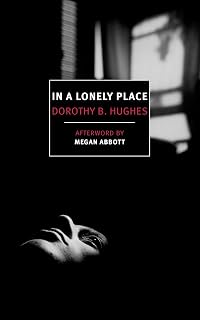
In a Lonely Place
by Dorothy B. Hughes
On This Page
Description
A classic California noir with a feminist twist, this prescient 1947 novel exposed misogyny in post-World War II American society, making it far ahead of its time. Los Angeles in the late 1940s is a city of promise and prosperity, but not for former fighter pilot Dix Steele. To his mind nothing has come close to matching "that feeling of power and exhilaration and freedom that came with loneness in the sky." He prowls the foggy city night--bus stops and stretches of darkened beaches and show more movie houses just emptying out--seeking solitary young women. His funds are running out and his frustrations are growing. Where is the good life he was promised? Why does he always get a raw deal? Then he hooks up with his old Air Corps buddy Brub, now working for the LAPD, who just happens to be on the trail of the strangler who's been terrorizing the women of the city for months... Written with controlled elegance, Dorothy B. Hughes's tense novel is at once an early indictment of a truly toxic masculinity and a twisty page-turner with a surprisingly feminist resolution. A classic of golden age noir, In a Lonely Place also inspired Nicholas Ray's 1950 film of the same name, starring Humphrey Bogart. show lessTags
Recommendations





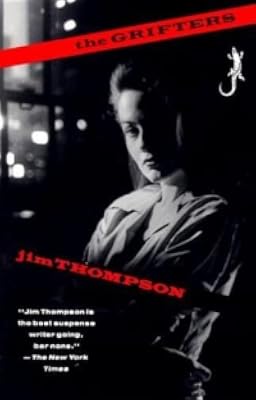
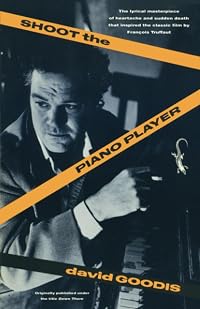
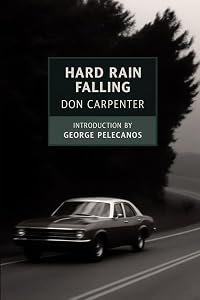


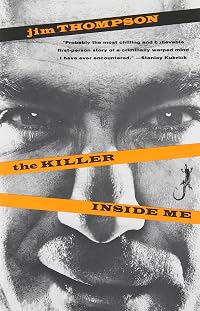
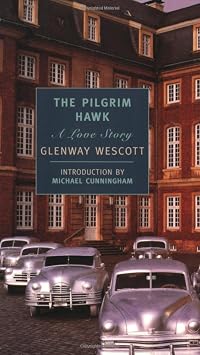
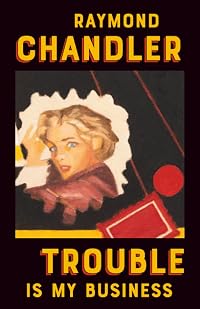

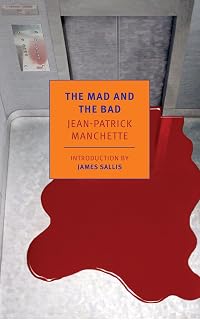
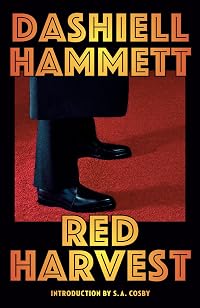
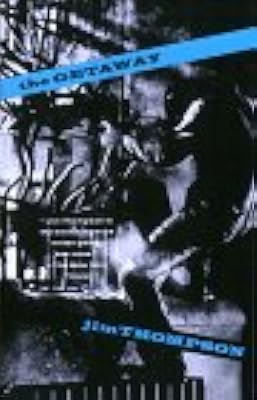
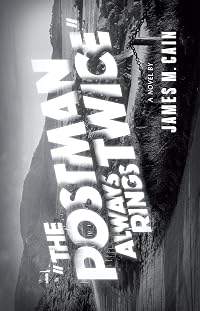
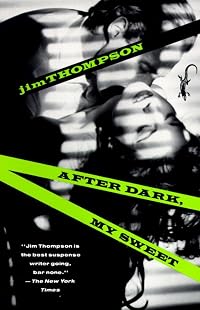

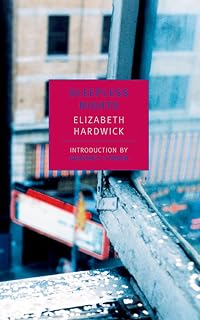
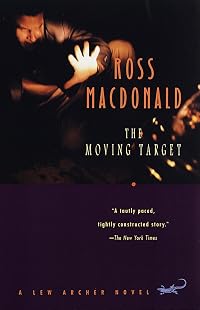
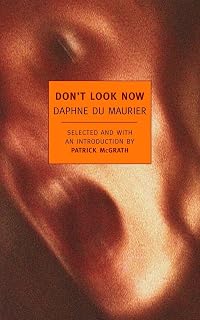
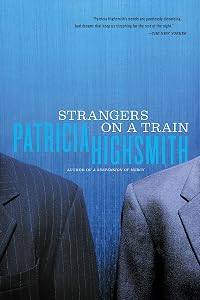
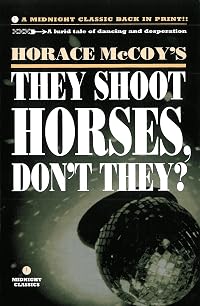




Member Recommendations

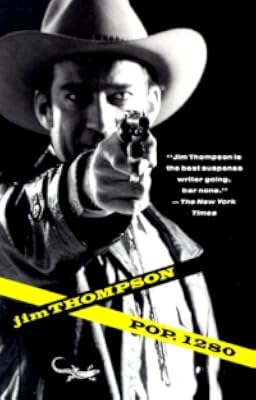
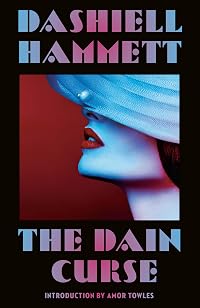
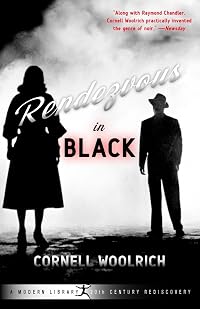
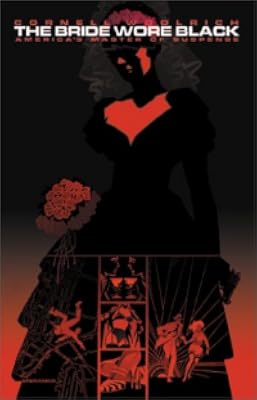
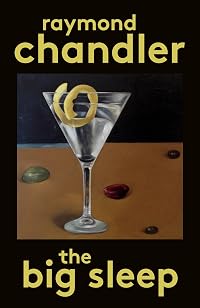
mambo_taxi This Sweet Sickness is a good one to pick up if you enjoyed the fact that In a Lonely Place follows the activities of the killer/sociopath...and not just any sociopath, but a sociopath who by all appearance gets along well with others, has a pathological eye for detail, and is characterized by an obsessive nature.
11
Member Reviews
Before it was included in the Women Crime Writers collection published by Library of America, this book was on my radar. It is one of the earliest depictions of that thriller mainstay; the serial killer. While the narration doesn’t specifically name Dex as the killer, the reader is in no doubt. He purposely re-enters the life of an old friend from his military days only to find out that friend, Brub Nicolai, has become an L.A. Detective. Instead of disappearing or failing to pursue the friendship, Dex insinuates himself more firmly in his life, setting up a game that only Dex knows they’re playing. Oh sure, Brub is aware of a killer on the loose and he’s tortured by it and afraid for his wife Sylvia, but he has no idea the show more strangler is Dex. It’s kind of delicious. Dex alternately is jealous of their marriage and despises them for their cozy conventionality. Sylvia is at turns the most desirable and elegant woman and a vapid, colorless ball and chain. Brub is hero then dupe.
The title comes from a void in Dex’s life that he’s tried to fill with the wrong woman before. When he fails he kills. It isn’t an excuse, but a reason and his latest attempt is in the shape of Laurel Gray. At first she’s depicted as fairly reasonable and decent, but she becomes an unsatisfied woman who harps and nags; typical for its time. The misogyny and sexism was surprising to me given that a woman wrote this book. I don’t know if Hughes was including it as an indictment or if it was just such the conventional view of women that she wasn’t aware of doing it.
Things get a bit spoilery if you can't spot the obvious.
Dex is a typically arrogant male who thinks every woman’s reaction to him must be intense attraction. I made a note that Sylvia’s reaction on first meeting Dex, which he mistook, was actually wariness or fear, and it was. She sensed his wrongness and in the end it undoes him. He takes chances and liberties that only a psychopath would. In that sense he reminded me of Ripley, justifying his every crime and killing with the idea that because it’s him it’s ok and that his victims deserve whatever they get. He’s repulsive. A modern writer would surely blame Dex’s mother, but Hughes doesn’t offer any reason for Dex’s defects. They just are. There’s a great sense of dissipation about him and Hughes wrote a great scene for him acting the distraught innocent when he “learns” of a woman’s death in England.
Overall the book works really well and is told with a light detachment that keeps things from being too desperate. There is no victim in his sights as such, but an overall sense of danger and dread permeates the book. That and we want him to be caught, punished and thoroughly brought down. That’s kind of where things get a bit iffy though with some plot holes and oddities I just can’t imagine happening. Like when Brub (oh what a name!) and his boss get involved in the murder in England, the one Dex reacted so histrionically to. They lay out the case and note similarities to the current killings. Every conversation they have had with Dex about the crimes paints a picture of a killer that is a dead ringer for Dex himself, but suspicion never turns his way.
Then it does and Hughes sets up a few subtle clues for the reader to know that finally, Dex is in a net. There’s a lovely set up and then they have him. Fingerprints come to light and other evidence and he’s caught, becoming a blubbering idiot bitten by the confessional bug. It’s a nice way to end it and satisfying both in the villain getting nabbed and from a dramatic perspective. It reminded me a lot of crime movies of this era; no coda, just a solid collar and scene.
In tone and style it reminded me of A Kiss Before Dying by Ira Levin that came out some years later. They both feature a sociopathic young man trying to get above his station no matter the cost. Working is below them. They despise the idle rich but long to be one. Both use and abuse the women in their orbits, but have skill in hiding who they are and keeping the women compliant. There are swishy clubs, money, sex and increasing desperation. Levin’s has a more clever construction, but both are excellent. show less
The title comes from a void in Dex’s life that he’s tried to fill with the wrong woman before. When he fails he kills. It isn’t an excuse, but a reason and his latest attempt is in the shape of Laurel Gray. At first she’s depicted as fairly reasonable and decent, but she becomes an unsatisfied woman who harps and nags; typical for its time. The misogyny and sexism was surprising to me given that a woman wrote this book. I don’t know if Hughes was including it as an indictment or if it was just such the conventional view of women that she wasn’t aware of doing it.
Things get a bit spoilery if you can't spot the obvious.
Dex is a typically arrogant male who thinks every woman’s reaction to him must be intense attraction. I made a note that Sylvia’s reaction on first meeting Dex, which he mistook, was actually wariness or fear, and it was. She sensed his wrongness and in the end it undoes him. He takes chances and liberties that only a psychopath would. In that sense he reminded me of Ripley, justifying his every crime and killing with the idea that because it’s him it’s ok and that his victims deserve whatever they get. He’s repulsive. A modern writer would surely blame Dex’s mother, but Hughes doesn’t offer any reason for Dex’s defects. They just are. There’s a great sense of dissipation about him and Hughes wrote a great scene for him acting the distraught innocent when he “learns” of a woman’s death in England.
Overall the book works really well and is told with a light detachment that keeps things from being too desperate. There is no victim in his sights as such, but an overall sense of danger and dread permeates the book. That and we want him to be caught, punished and thoroughly brought down. That’s kind of where things get a bit iffy though with some plot holes and oddities I just can’t imagine happening. Like when Brub (oh what a name!) and his boss get involved in the murder in England, the one Dex reacted so histrionically to. They lay out the case and note similarities to the current killings. Every conversation they have had with Dex about the crimes paints a picture of a killer that is a dead ringer for Dex himself, but suspicion never turns his way.
Then it does and Hughes sets up a few subtle clues for the reader to know that finally, Dex is in a net. There’s a lovely set up and then they have him. Fingerprints come to light and other evidence and he’s caught, becoming a blubbering idiot bitten by the confessional bug. It’s a nice way to end it and satisfying both in the villain getting nabbed and from a dramatic perspective. It reminded me a lot of crime movies of this era; no coda, just a solid collar and scene.
In tone and style it reminded me of A Kiss Before Dying by Ira Levin that came out some years later. They both feature a sociopathic young man trying to get above his station no matter the cost. Working is below them. They despise the idle rich but long to be one. Both use and abuse the women in their orbits, but have skill in hiding who they are and keeping the women compliant. There are swishy clubs, money, sex and increasing desperation. Levin’s has a more clever construction, but both are excellent. show less
Blimey, what a book this is. Published in 1947, In a Lonely Place is murky, hard boiled, dark and delicious. Set in Los Angeles just after WW2, it’s the story of Dix Steele, a Princeton grad and former fighter pilot. He’s a predatory, angry misogynist and a serial killer. Being inside the head of Dix Steele is unforgettable and deeply unpleasant. His paranoia creates an incredibly claustrophobic novel, the sexual tension jumps off the page. What makes it stand out is Hughes’s ability to link violence and misogyny. The strong characters in the novel are female and they ultimately bring about his downfall. It makes it a compelling read. Noir doesn’t get better than this.
So very noir that I pictured the whole story in black and white.
Dix Steele (how many pornstar wanna-bes are kicking themselves for not thinking up that name?) is a serial killer, and his best friend, Brum, is a cop. So the mystery isn't one of who did it or who will catch the killer as the reader already knows these things. Instead, Hughes keeps us guessing as to which of the three potential victims offered up will Dix choose next. It just boils down to who does he hate more?
Hughes does a commendable job of writing in the voice of a man, and a psychotic one at that. Dix's mind ricochets between anger, hunger and sleep deprivation with the occasional bouts of joy over tricking his cop friend to give him lots of police information. His show more version of falling in love, as he does with a neighbor, shows Dix in full stalker mode and gives the reader another scary aspect of his personality.
I'm glad I've finally discovered Hughes and I'll be reading more from her. show less
Dix Steele (how many pornstar wanna-bes are kicking themselves for not thinking up that name?) is a serial killer, and his best friend, Brum, is a cop. So the mystery isn't one of who did it or who will catch the killer as the reader already knows these things. Instead, Hughes keeps us guessing as to which of the three potential victims offered up will Dix choose next. It just boils down to who does he hate more?
Hughes does a commendable job of writing in the voice of a man, and a psychotic one at that. Dix's mind ricochets between anger, hunger and sleep deprivation with the occasional bouts of joy over tricking his cop friend to give him lots of police information. His show more version of falling in love, as he does with a neighbor, shows Dix in full stalker mode and gives the reader another scary aspect of his personality.
I'm glad I've finally discovered Hughes and I'll be reading more from her. show less
I went into this expecting a noir crime novel. What I found was one of the most compelling psychological portraits I've read in a long time.
The genius of the book is Dix Steele. We know from the beginning that something is wrong with him, but Dorothy B. Hughes reveals who he really is gradually, through his observations, reactions, and relationships. The result is a character who is far more complex than the average fictional killer. Dix is intelligent, charming, socially perceptive, lonely, jealous, entitled, misogynistic, and occasionally capable of surprising tenderness. He understands people remarkably well, which only makes him more frightening.
What impressed me most was how Hughes allows the reader to discover Dix rather than show more explaining him. There are several moments where a single sentence completely changes your understanding of him. Looking back, I spent less time wondering who committed the crimes than trying to understand what was happening inside Dix's head.
The novel is also surprisingly modern. Rather than presenting a puzzle to solve, Hughes invites us to inhabit a deeply unsettling consciousness and watch it unravel. Dix's contradictions are the story.
My only reservation is the ending. It works perfectly well as the conclusion to a crime novel. I wanted the final pages to stay focused on his deteriorating mental state. The ending provides plot resolution, but I was left wanting one last psychological insight into the man himself. show less
The genius of the book is Dix Steele. We know from the beginning that something is wrong with him, but Dorothy B. Hughes reveals who he really is gradually, through his observations, reactions, and relationships. The result is a character who is far more complex than the average fictional killer. Dix is intelligent, charming, socially perceptive, lonely, jealous, entitled, misogynistic, and occasionally capable of surprising tenderness. He understands people remarkably well, which only makes him more frightening.
What impressed me most was how Hughes allows the reader to discover Dix rather than show more explaining him. There are several moments where a single sentence completely changes your understanding of him. Looking back, I spent less time wondering who committed the crimes than trying to understand what was happening inside Dix's head.
The novel is also surprisingly modern. Rather than presenting a puzzle to solve, Hughes invites us to inhabit a deeply unsettling consciousness and watch it unravel. Dix's contradictions are the story.
My only reservation is the ending. It works perfectly well as the conclusion to a crime novel. I wanted the final pages to stay focused on his deteriorating mental state. The ending provides plot resolution, but I was left wanting one last psychological insight into the man himself. show less
In A Lonely Place by Dorothy Hughes is a classic psychological suspense story that is considered one of the finest examples of Noir. It stands the test of time with it’s setting of post-war Los Angeles as it exposes the main character as one of the most memorable villains of all time.
With it’s hard-boiled prose, intense characters, and dark atmosphere the story pulls the reader into the world of Dixon Steele. He is unemployed but educated, dependant upon the allowance that his uncle provides while he pretends to be writing a book when in fact, he is a hunter of young women. He lives in an absent friend’s apartment, drives the friend’s car, uses his charge cards and even wears his clothes. He looks up an old friend and finds to show more his surprise the friend is now a police detective who is working on the ongoing case of a serial killer. Dix decides to encourage the friendship so that he can obtain information of how the police are working this case.
In a Lonely Place was a stellar read. The author, Dorothy Hughes, delves into the mind of a psychopath and we are treated to a dark but fascinating character study. The story unfolds entirely from Dixon’s viewpoint. What he sees and feels is expressed through his narration and the author does an amazing job of showing the various layers of this man’s personality. show less
With it’s hard-boiled prose, intense characters, and dark atmosphere the story pulls the reader into the world of Dixon Steele. He is unemployed but educated, dependant upon the allowance that his uncle provides while he pretends to be writing a book when in fact, he is a hunter of young women. He lives in an absent friend’s apartment, drives the friend’s car, uses his charge cards and even wears his clothes. He looks up an old friend and finds to show more his surprise the friend is now a police detective who is working on the ongoing case of a serial killer. Dix decides to encourage the friendship so that he can obtain information of how the police are working this case.
In a Lonely Place was a stellar read. The author, Dorothy Hughes, delves into the mind of a psychopath and we are treated to a dark but fascinating character study. The story unfolds entirely from Dixon’s viewpoint. What he sees and feels is expressed through his narration and the author does an amazing job of showing the various layers of this man’s personality. show less
All killer, no filler noir with the double-satisfaction of a serial strangler POV and a case solved by a pair of cool dames.
Great character names (Dix Steele!), perfect title, ideal setting in the clammy, foglit environs of Hollywood and Santa Monica. Hughes nails the two noir essentials of atmosphere and moral ambiguity and doesn't waste a word in doing so.
Now for the film version!
Great character names (Dix Steele!), perfect title, ideal setting in the clammy, foglit environs of Hollywood and Santa Monica. Hughes nails the two noir essentials of atmosphere and moral ambiguity and doesn't waste a word in doing so.
Now for the film version!
This is an underrated noir classic that for me surpassed such better known novels as The Killer Inside Me or The Postman Always Rings Twice. Hughes writes from the point of a view of a serial killer who won't quite admit to himself what he is, depicting his breakdown as the police close in. Two things I appreciated: she never shows a murder on the page but instead lets the reader read between the lines, and the two female characters in the novel--although the killer views them as opposite "types"--are both real women who are instrumental in bringing him to justice . I recommend the edition with the excellent afterword by Megan Abbott.
Members
- Recently Added By
Lists

Noirvember: The Best Noir
113 works; 56 members

Best Noir Fiction
160 works; 14 members

Recommend the 20 best books you've read in the last five years
2,168 works; 608 members
Books Set in California
112 works; 15 members

Books Read in 2016
4,666 works; 197 members
Books Set in Los Angeles
40 works; 8 members

Books Read in 2019
4,052 works; 108 members

1940s
221 works; 25 members

Books Read in 2020
4,379 works; 124 members

Noirvember: Potential Reads
23 works; 1 member

Franklit
95 works; 1 member

The Atlantic's The Great American Novel
136 works; 12 members

The 100 Best Crime Novels and Thrillers since 1945
100 works; 6 members

Art Bourgeau's Favorites [Mystery Lovers Companion, 1986]
124 works; 2 members

20th-Century American Women Writers Reading List
15 works; 1 member

Reading LIst
648 works; 1 member
Talk Discussions
Past Discussions
142. In a Lonely Place by Dorothy B. Hughes in Backlisted Book Club (March 2022)
Author Information

34+ Works 2,964 Members
Some Editions
Awards and Honors
Series
Belongs to Publisher Series
Work Relationships
Is contained in
Has the adaptation
Is abridged in
Common Knowledge
- Canonical title
- In a Lonely Place
- Original title
- In a Lonely Place
- Original publication date
- 1947
- People/Characters
- Dix Steele; Laurel Gray; Brub Nicolai
- Important places
- Santa Monica, California, USA; Los Angeles, California, USA
- Related movies
- In a Lonely Place (1950 | IMDb)
- Epigraph
- It's in a lonesome place you do have to be talking with someone, and looking for someone, in the evening of the day.
-J. M. Synge - Dedication
- For Charlotte
- First words
- It was good standing there on the promontory overlooking the evening sea, the fog lifting itself like gauzy veils to touch his face. There was something in it akin to flying; the sense of being lifted high above the crawling ... (show all)earth, of being part of the wilderness of air. Something too of being closed within an unknown and strange world of mist and cloud and wind. He'd liked flying at night; he'd missed it after the war had crashed to a finish and dribbled to an end. It wasn't the same flying a little private crate He'd tried it; it was like returning to the stone ax after precision tools. He had found nothing yet to take the place of flying wild. -Chapter 1
- Last words
- (Click to show. Warning: May contain spoilers.)He wept, "I killed Brucie."
- Blurbers
- Paretsky, Sara; King, Laurie R.; Muller, Marcia; Burke, Jan; McDermid, Val; Maron, Margaret (show all 8); Davis, Dorothy Salisbury; Decharne, Max
- Original language
- English
- Canonical DDC/MDS
- 813.54
- Canonical LCC
- PS3515.U268
Classifications
Statistics
- Members
- 1,160
- Popularity
- 21,760
- Reviews
- 45
- Rating
- (4.16)
- Languages
- 7 — Catalan, English, Finnish, French, German, Italian, Spanish
- Media
- Paper, Ebook
- ISBNs
- 23
- ASINs
- 11