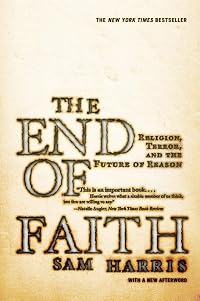
The End of Faith: Religion, Terror, and the Future of Reason
by Sam Harris
On This Page
Description
An impassioned plea for reason in a world divided by faith. This important and timely work delivers a startling analysis of the clash of faith and reason in today's world. Harris offers a vivid historical tour of mankind's willingness to suspend reason in favor of religious beliefs, even when those beliefs are used to justify harmful behavior and sometimes heinous crimes. He asserts that in the shadow of weapons of mass destruction, the world can no longer tolerate views that pit one true show more god against another. Most controversially, he argues that we cannot afford moderate lip service to religion -- an accommodation that only blinds us to the real perils of fundamentalism. While warning against the encroachment of organized religion into world politics, Harris also draws on new evidence from neuroscience and insights from philosophy to explore spirituality as a biological, brain-based need. He calls on us to invoke that need in taking a secular humanistic approach to solving the problems of this world. show lessTags
Recommendations
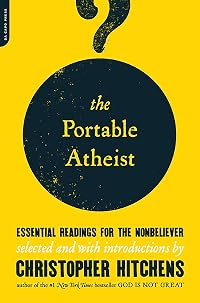
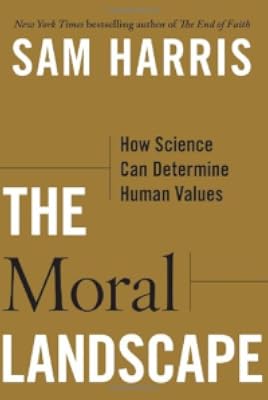
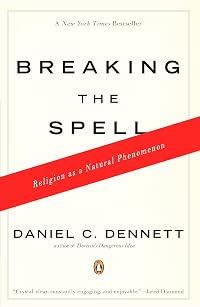
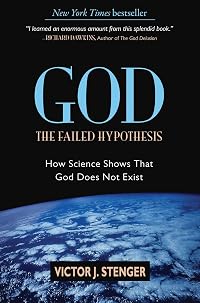





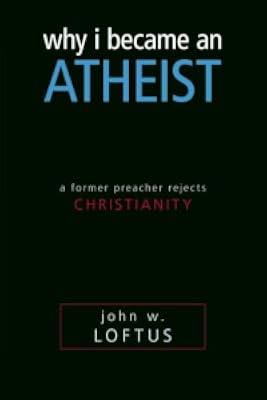
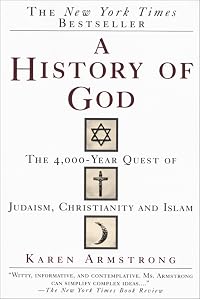
Member Recommendations
Member Reviews
It has been a few years since I read this book, and what stuck with me wasn't the neuroscience, the calls for turning any biological imperatives for a need to believe toward secular humanism, and so on. What stuck with me is two main points that were very thoroughly and intelligently explored, and which fly in the face of liberal (not in the political sense of the term "liberal") ethos of religious tolerance as a "reasonable" policy.
1. The author very convincingly makes the argument that religious moderates are basically "doing it wrong" with regard to religion. True religious faith, Harris argues, demands an extreme perspective. Religious moderates are not among the true faithful of any particular orthodoxy, and do not take their own show more foundational holy writings seriously; they pay lip service to these faiths, in essence, and ignore where the logically necessary requirements of the faiths in question counsel religious extremism.
2. The author points out the logical consequence of truly unswerving faith and devotion to the core doctrines of the major monotheistic salvation-based religions: that the truly faithful must eventually confront the fact that true devotion to the core tenets advanced by their holy books demand outright hostility -- even a policy of destructive physical violence -- toward any belief systems that contradict their own faiths' requirements for salvation.
It seems like pro-atheism writings are the very height of fashion in self-consciously intellectual circles. While some of these writers seem to be having a good time poking fun at religious thinkers, their writings often strike me as mere pandering to an audience. The book The End of Faith by Sam Harris, however, takes a novel approach to attacking religious belief systems and the social consequences of these faiths, accepting their foundations at face value for argument's sake, then following them through a rational chain of reasoning to their necessary conclusions. What the reader finds when led there by the author is an intolerant, dangerous, violent hatred of anything that presents arguments against the "correct" faith, temptations to explore other philosophies, or inducements to question one's devotion to that faith.
Whether you find his reasoning ultimately convincing or not, this polemic is certainly daring, direct, and thorough. If nothing else, it is worth reading to inspire thoughtful consideration of the importance of identifying the real consequences of our belief systems when they are taken as unquestionable truths. show less
1. The author very convincingly makes the argument that religious moderates are basically "doing it wrong" with regard to religion. True religious faith, Harris argues, demands an extreme perspective. Religious moderates are not among the true faithful of any particular orthodoxy, and do not take their own show more foundational holy writings seriously; they pay lip service to these faiths, in essence, and ignore where the logically necessary requirements of the faiths in question counsel religious extremism.
2. The author points out the logical consequence of truly unswerving faith and devotion to the core doctrines of the major monotheistic salvation-based religions: that the truly faithful must eventually confront the fact that true devotion to the core tenets advanced by their holy books demand outright hostility -- even a policy of destructive physical violence -- toward any belief systems that contradict their own faiths' requirements for salvation.
It seems like pro-atheism writings are the very height of fashion in self-consciously intellectual circles. While some of these writers seem to be having a good time poking fun at religious thinkers, their writings often strike me as mere pandering to an audience. The book The End of Faith by Sam Harris, however, takes a novel approach to attacking religious belief systems and the social consequences of these faiths, accepting their foundations at face value for argument's sake, then following them through a rational chain of reasoning to their necessary conclusions. What the reader finds when led there by the author is an intolerant, dangerous, violent hatred of anything that presents arguments against the "correct" faith, temptations to explore other philosophies, or inducements to question one's devotion to that faith.
Whether you find his reasoning ultimately convincing or not, this polemic is certainly daring, direct, and thorough. If nothing else, it is worth reading to inspire thoughtful consideration of the importance of identifying the real consequences of our belief systems when they are taken as unquestionable truths. show less
I found the book rich in quotable sentences, and this review is peppered with them. Perhaps a quarter of the book is devoted to end notes, so the author supports his assertions well, and another quarter is bibliography. The author is militant in tone, which is off-putting, but rich in ideas, which kept me reading. Much of what he said spoke clearly and directly to me, about the place of reason, about belief in how the world works based on evidence, and about ethics in society. It was slow reading, partly because I had to “chew” it carefully before going on. There are only 7 chapters.
The first chapter, “Reason in Exile,” is about how beliefs shape one’s vision of the world. As he puts it, “There seems to be a problem with show more some of our beliefs – they are inexorably leading us to kill one another, because most of the people of the world believe that the Creator of the Universe wrote a book.” There are several versions of this book, each making an exclusive claim to infallibility. And a central tenet of the religions based on these versions, is that all other religions are repositories of error and must be wiped out.
Chapter 2 is “The Nature of Belief”, in which the author explores faith in the absence of evidence, reasonableness, internal coherence, civility, and candor.
Chapter 3, “In the Shadow of God” has vivid accounts of the physical misery perpetrated upon individuals throughout history in the name of Christianity. He brings the witch trials to life, and sets them in the context of religious-based beliefs in a vast, organized conspiracy of witches throughout Europe. His indictment of this Christian mindset, which also led to the Jewish Holocaust of WWII, is very easy to agree with.
Chapter 4, “The Problem with Islam,” does something similar for the Muslim faith, quoting every Koran verse that can be used to justify violence against non-Muslims.
Chapter 5, “West of Eden”, discusses the role of fundamentalist Christian thought in the West, especially America. This chapter particularly spoke to me, and clarified some of my thoughts about the fundamental importance of the separation of Church and State in our country. Since the book was written, we have seen even more of this legislative war on sin. As it says, “The idea of a victimless crime is nothing more than a judicial reprise of the Christian notion of sin…. Because we are a people of faith, taught to concern ourselves with the sinfulness of our neighbors, we have grown tolerant of irrational uses of state power.” Here I found where I agree with the conservative mantra of “Less Government” – but this chapter explained very clearly why the laws restricting homosexuals, drugs, prostitution, and other “victimless crimes” should be repealed, which I don’t think are the government rules that conservatives want less of.
Chapter 6, “A Science of Good and Evil” then goes on to explore a rational code of ethics, one based not on prohibitions against blasphemy or honoring false gods, but rather one based on the “the happiness and suffering of sentient creatures.” I found this chapter also captivating. In his repudiation of religion-based ethics, the author spends some time exploring a Muslim practice that makes me shiver. As he puts it, “Given the requisite beliefs about ‘honor,’ a man will be desperate to kill his daughter upon learning she was raped.”
Chapter 7, “Experiments in Consciousness” brings the author to consideration of spirituality, which he does not reject. He ends the book with, “Clearly, it must be possible to bring reason, spirituality, and ethics together in our thinking about the world. This would be the beginning of a rational approach to our deepest personal concerns. It would also be the end of faith.”
This is a fascinating book, hard to read, slow to read, and dogmatic in its own way. But well worth reading, and I particularly recommend the last three chapters. show less
The first chapter, “Reason in Exile,” is about how beliefs shape one’s vision of the world. As he puts it, “There seems to be a problem with show more some of our beliefs – they are inexorably leading us to kill one another, because most of the people of the world believe that the Creator of the Universe wrote a book.” There are several versions of this book, each making an exclusive claim to infallibility. And a central tenet of the religions based on these versions, is that all other religions are repositories of error and must be wiped out.
Chapter 2 is “The Nature of Belief”, in which the author explores faith in the absence of evidence, reasonableness, internal coherence, civility, and candor.
Chapter 3, “In the Shadow of God” has vivid accounts of the physical misery perpetrated upon individuals throughout history in the name of Christianity. He brings the witch trials to life, and sets them in the context of religious-based beliefs in a vast, organized conspiracy of witches throughout Europe. His indictment of this Christian mindset, which also led to the Jewish Holocaust of WWII, is very easy to agree with.
Chapter 4, “The Problem with Islam,” does something similar for the Muslim faith, quoting every Koran verse that can be used to justify violence against non-Muslims.
Chapter 5, “West of Eden”, discusses the role of fundamentalist Christian thought in the West, especially America. This chapter particularly spoke to me, and clarified some of my thoughts about the fundamental importance of the separation of Church and State in our country. Since the book was written, we have seen even more of this legislative war on sin. As it says, “The idea of a victimless crime is nothing more than a judicial reprise of the Christian notion of sin…. Because we are a people of faith, taught to concern ourselves with the sinfulness of our neighbors, we have grown tolerant of irrational uses of state power.” Here I found where I agree with the conservative mantra of “Less Government” – but this chapter explained very clearly why the laws restricting homosexuals, drugs, prostitution, and other “victimless crimes” should be repealed, which I don’t think are the government rules that conservatives want less of.
Chapter 6, “A Science of Good and Evil” then goes on to explore a rational code of ethics, one based not on prohibitions against blasphemy or honoring false gods, but rather one based on the “the happiness and suffering of sentient creatures.” I found this chapter also captivating. In his repudiation of religion-based ethics, the author spends some time exploring a Muslim practice that makes me shiver. As he puts it, “Given the requisite beliefs about ‘honor,’ a man will be desperate to kill his daughter upon learning she was raped.”
Chapter 7, “Experiments in Consciousness” brings the author to consideration of spirituality, which he does not reject. He ends the book with, “Clearly, it must be possible to bring reason, spirituality, and ethics together in our thinking about the world. This would be the beginning of a rational approach to our deepest personal concerns. It would also be the end of faith.”
This is a fascinating book, hard to read, slow to read, and dogmatic in its own way. But well worth reading, and I particularly recommend the last three chapters. show less
There are religious people who are liberal, moderate, and there are others who are nothing but fanatics. Their credo and interest shouldn't be confused, yet... One of the main argument of this book is that, even moderates carry a dogma; that according to which the path towards peace will be finally paved only once all of us will have learnt to tolerate even the unjustified believes of others. To Sam Harris, such demand for tolerance is, on the contrary indeed, one of the key forces driving us to a moral abyss.
Sharp, enlightening, powerful, brave, here's a book that, even if I disagreed with some of his points, I found impossible to put down. The author not only shows how dangerous it is to refuse putting faith under the microscope of show more critical thinking (as every belief system, especially when making grandiose claims, should be) but, ironically, that a moderate/ liberal approach to the supposed 'holy' texts was rendered possible only in humanistic societies emphasising Reason. In other words, moderate wouldn't be moderate if it were not for the rational outlook of atheists, or, at least, agnostics and/ or deists. But then, so what?
The issue, of course, is that such heritage from the Enlightenment didn't reach (or at least didn't succeed into establishing itself in) all parts of the globe. Islam is a key example, but not only -Hinduism and, even, Christianity are here standing accused too. Now, political instabilities, civil wars, terrorism, and totalitarian theocracies have always been part of human history. The problem however, is that now we are living in an age of chemical, bacteriological, and nuclear weapons... Do we really want to carry on our unquestioning of the mindset underpinning faith, or is the price to pay for such 'tolerance' become far too great? Sam Harris being American, he especially points his finger at the USA, undeniably the leading power to the rest of the world, yet also a country where unquestioned faith has had a disastrous impact, both internally (e.g. Creationism, homophobia...) and externally (Bush's policies towards the Middle-East...).
In the end, there is no 'sacred text' that is not a Pandora box. A religiously faithless world remains, of course, an utopia (at least for the likes of me and him) but it doesn't mean that faith itself, and the dogma that come in its trail, cannot be 'domesticated' (so to speak) to render it as safe as possible. What this book does, though, is to remind us that tolerating the absurd won't help in achieving such endeavour.
A must-read. show less
Sharp, enlightening, powerful, brave, here's a book that, even if I disagreed with some of his points, I found impossible to put down. The author not only shows how dangerous it is to refuse putting faith under the microscope of show more critical thinking (as every belief system, especially when making grandiose claims, should be) but, ironically, that a moderate/ liberal approach to the supposed 'holy' texts was rendered possible only in humanistic societies emphasising Reason. In other words, moderate wouldn't be moderate if it were not for the rational outlook of atheists, or, at least, agnostics and/ or deists. But then, so what?
The issue, of course, is that such heritage from the Enlightenment didn't reach (or at least didn't succeed into establishing itself in) all parts of the globe. Islam is a key example, but not only -Hinduism and, even, Christianity are here standing accused too. Now, political instabilities, civil wars, terrorism, and totalitarian theocracies have always been part of human history. The problem however, is that now we are living in an age of chemical, bacteriological, and nuclear weapons... Do we really want to carry on our unquestioning of the mindset underpinning faith, or is the price to pay for such 'tolerance' become far too great? Sam Harris being American, he especially points his finger at the USA, undeniably the leading power to the rest of the world, yet also a country where unquestioned faith has had a disastrous impact, both internally (e.g. Creationism, homophobia...) and externally (Bush's policies towards the Middle-East...).
In the end, there is no 'sacred text' that is not a Pandora box. A religiously faithless world remains, of course, an utopia (at least for the likes of me and him) but it doesn't mean that faith itself, and the dogma that come in its trail, cannot be 'domesticated' (so to speak) to render it as safe as possible. What this book does, though, is to remind us that tolerating the absurd won't help in achieving such endeavour.
A must-read. show less
Yikes- this may actually be the worst book I've ever finished. It's not totally crap: he's got a perfect argument against people who think torture is somehow a transcendent evil, while backing war in general. But other than that, it's preaching to the choir of the worst kind. To take just two obviously bad arguments:
* he rejects the idea that religion can cause good things by saying that since everyone throughout history has been religious, it's a truism to say that religion has caused some good things. But that argument is equally applicable to his own claim that religion is the cause of almost everything bad: it's not religion. It's people who claim to be religious that are behind the evil.
* he cites a survey which shows that show more support for suicide bombing varies significantly across a number of Islamic nations. His conclusion is that since none of these countries has *no* support for suicide bombing, the cause of suicide bombing must be Islam. But that's obviously not the message of the survey. Rather, the survey shows that a person's reaction to violence is likely to correlate with her *nationality* and culture more than with her religion.
Anyway, this is a great read if you're non-religious and want to find a way to blame all the problems in the world on people other than yourself. Stay turned for my upcoming polemic "The End of Yoghurt: Cultured dairy products, terror and the future of the West." It turns out that the dairy industry is responsible for all the evils perpetrated by Westerners since the 18th century, since Hitler drank milk. A guaranteed best-seller among the intolerant lactose-intolerant. show less
Wow. This book does not hold back on making its stance blindingly obvious. Its whole premise is that religious faith, even of a moderate nature, is an antiquated and baseless notion that must be challenged to see reason. Until this happens, the author says, the world is headed for not only increased political and social instability, but death by our own making through religious-based war.
Islam is presently seen to be the biggest threat to world peace. This, he says, is because it's book advocates for either contempt towards or conversion of non-Muslims. That it promises a place in heaven for those who die in the act of either is the deal-breaker. Many are willing to die a 'martyr' for their belief that they are enacting the literal show more word of god. The author stresses that Muslim extremists are extreme in their religious faith in these situations. He refutes the oft-quoted 'Islam is a religion of peace' statement by arguing that there is just too much in the holy books that proves otherwise. Judaism and Christianity are also critiqued for relying heavily on a book of fiction that has no bearing on or relevance to modern life. Each faith's superiority in its claim to know the truth, he says, is as meaningless as a school yard squabble. He states unequivocally that people of faith are delusional and that it is a travesty that so much weight is given to religion in political decision-making that affects all our lives.
What I liked about this book is that the author is unafraid to make bold statements about what is essentially a taboo subject. He challenges the notion that religion or faith is not to be questioned. He looks past religion to ethics, morals and the larger philosophy of human interaction which gives a broader framework within which to assess how we all might just get along. Although I agree wholeheartedly with the Hitchens quote he endorses: "what can be asserted without evidence can also be dismissed without evidence" (p176), this author took me to a place that was too far from my comfort zone in terms of respect for other people and their way of living. And this, I think, was his intention. show less
Islam is presently seen to be the biggest threat to world peace. This, he says, is because it's book advocates for either contempt towards or conversion of non-Muslims. That it promises a place in heaven for those who die in the act of either is the deal-breaker. Many are willing to die a 'martyr' for their belief that they are enacting the literal show more word of god. The author stresses that Muslim extremists are extreme in their religious faith in these situations. He refutes the oft-quoted 'Islam is a religion of peace' statement by arguing that there is just too much in the holy books that proves otherwise. Judaism and Christianity are also critiqued for relying heavily on a book of fiction that has no bearing on or relevance to modern life. Each faith's superiority in its claim to know the truth, he says, is as meaningless as a school yard squabble. He states unequivocally that people of faith are delusional and that it is a travesty that so much weight is given to religion in political decision-making that affects all our lives.
What I liked about this book is that the author is unafraid to make bold statements about what is essentially a taboo subject. He challenges the notion that religion or faith is not to be questioned. He looks past religion to ethics, morals and the larger philosophy of human interaction which gives a broader framework within which to assess how we all might just get along. Although I agree wholeheartedly with the Hitchens quote he endorses: "what can be asserted without evidence can also be dismissed without evidence" (p176), this author took me to a place that was too far from my comfort zone in terms of respect for other people and their way of living. And this, I think, was his intention. show less
Harris' first and more grand treatise against religion in general and Islam in particular.
One could quickly review this book by declaring that Harris has deleted "God," replaced it with "Reason," and then goes after anything in the name of "God" with great vitriol while apologizing for "Reason." "Reason" and those who are "reasonable" are presented in the best light; "faith" and "religion" always in its worst light. And, as usual, there is no doubting of doubts.
It must be said that Harris, while normally lumped in with the New Atheists and understandably so, is not a carbon copy of the Dawkins type. Harris does not believe in a God but he does recognize some level of spirituality/mysticism, falling over himself in his praise for show more theoretical Buddhism (and Gnosticism, and a bunch of other "mystical" types of "heresy"). He is also not an apologist for Atheism for atheism's sake but really more of an apologist for what he deems "Reason."
This "Reason" is as chimerical as the "faith" against which he argues. No one really entirely acts according to "Reason," and, according to Harris, "Reason" must never be charged with the 'sins' or "irrationality" of those who claim the mantle of Reason (vide: Nazis). Yet, in the end, Reason is the emperor without clothes-- Reason is taken to be self-evident, and there's never a justification given for why we should accept reason as understood by many in the twenty-first century as the standard for everything. It's assumed to be self-evident. Harris would do well to remember that it was not more than 150 years ago that the truth of God in Jesus Christ was similarly assumed to be self-evident by the majority of the population of America-- that, and that black people were inferior to white people (something confessed both theists and atheists/agnostics of the day, to their shame, and all justified on the basis of "rational thinking" and "science").
As usual, Harris' understanding of Christianity is quite distorted. This casts doubt on his understanding of Islam, Judaism, and a bunch of other belief systems, also. Also present is this pervasive myth circulating around the circles of the New Atheists that it is religion that is the source of all sorts of conflict, as if removing religion will somehow make everyone more rational or less tribal. All evidence against this myth is dismissed as still showing irrationality, but such is beside the point. Human beings, having religion or not, will still be irrational. Get rid of Christianity, Judaism, and Islam, and people will still be irrational. Therefore, the entire thesis of the book really falls miserably flat. Sure, militant Islamism is the scourge of the world today-- but there's nothing saying that a group of irrationally tribalistic atheists won't be the next scourge.
There is much to be gained from what is written here, though. Harris is at least willing to admit the limitations of science and the reality that science cannot really explain origin and purpose of our existence, of consciousness, etc. It is valid to demand some kind of evidence for what one believes. The problem, of course, is that Harris denies the existence or ability of existence of anything beyond the natural realm, and demands that all evidence be "empirical." The demand is made only for his opponents, and he will quite often fail to provide such evidence for his own claims, both in his attacks and in his ideology.
This book tells you a lot more about Harris than about anything else-- smug arrogance about the supremacy of modern ideology and modern perspectives and a brutishly cavalier attitude toward the competence and understanding of those before him. Harris may be different from other New Atheists in many ways, but not in his complete acceptance of the Enlightenment ideology of triumphalistic rationalism, something that should have been laid to rest with all the bodies in the Holocaust of which Harris speaks. show less
One could quickly review this book by declaring that Harris has deleted "God," replaced it with "Reason," and then goes after anything in the name of "God" with great vitriol while apologizing for "Reason." "Reason" and those who are "reasonable" are presented in the best light; "faith" and "religion" always in its worst light. And, as usual, there is no doubting of doubts.
It must be said that Harris, while normally lumped in with the New Atheists and understandably so, is not a carbon copy of the Dawkins type. Harris does not believe in a God but he does recognize some level of spirituality/mysticism, falling over himself in his praise for show more theoretical Buddhism (and Gnosticism, and a bunch of other "mystical" types of "heresy"). He is also not an apologist for Atheism for atheism's sake but really more of an apologist for what he deems "Reason."
This "Reason" is as chimerical as the "faith" against which he argues. No one really entirely acts according to "Reason," and, according to Harris, "Reason" must never be charged with the 'sins' or "irrationality" of those who claim the mantle of Reason (vide: Nazis). Yet, in the end, Reason is the emperor without clothes-- Reason is taken to be self-evident, and there's never a justification given for why we should accept reason as understood by many in the twenty-first century as the standard for everything. It's assumed to be self-evident. Harris would do well to remember that it was not more than 150 years ago that the truth of God in Jesus Christ was similarly assumed to be self-evident by the majority of the population of America-- that, and that black people were inferior to white people (something confessed both theists and atheists/agnostics of the day, to their shame, and all justified on the basis of "rational thinking" and "science").
As usual, Harris' understanding of Christianity is quite distorted. This casts doubt on his understanding of Islam, Judaism, and a bunch of other belief systems, also. Also present is this pervasive myth circulating around the circles of the New Atheists that it is religion that is the source of all sorts of conflict, as if removing religion will somehow make everyone more rational or less tribal. All evidence against this myth is dismissed as still showing irrationality, but such is beside the point. Human beings, having religion or not, will still be irrational. Get rid of Christianity, Judaism, and Islam, and people will still be irrational. Therefore, the entire thesis of the book really falls miserably flat. Sure, militant Islamism is the scourge of the world today-- but there's nothing saying that a group of irrationally tribalistic atheists won't be the next scourge.
There is much to be gained from what is written here, though. Harris is at least willing to admit the limitations of science and the reality that science cannot really explain origin and purpose of our existence, of consciousness, etc. It is valid to demand some kind of evidence for what one believes. The problem, of course, is that Harris denies the existence or ability of existence of anything beyond the natural realm, and demands that all evidence be "empirical." The demand is made only for his opponents, and he will quite often fail to provide such evidence for his own claims, both in his attacks and in his ideology.
This book tells you a lot more about Harris than about anything else-- smug arrogance about the supremacy of modern ideology and modern perspectives and a brutishly cavalier attitude toward the competence and understanding of those before him. Harris may be different from other New Atheists in many ways, but not in his complete acceptance of the Enlightenment ideology of triumphalistic rationalism, something that should have been laid to rest with all the bodies in the Holocaust of which Harris speaks. show less
I loved this book, but I'm an atheist and he was preaching to the choir. Like Harris, I was stunned when the world turned TO religion rather than away from it in the aftermath of 9-11. It lead me to become more open and more vocal about religion, so the book voiced most of what I've been feeling for years. Even the section on meditation and mysticism felt familiar to me. I'd love a more scientific version of the transcendence of self, but for now I am content with gardening to achieve it. :)
Members
- Recently Added By
Published Reviews
ThingScore 75
Sam Harris könyve egészen kis alakú, és mindössze 134 oldal, e szempontból tehát találó az alcíme: levél egy keresztény nemzethez. Más tekintetben az alcím kevésbé találó, hiszen ahogy a szerző maga is bevallja, a könyv valójában nem a keresztényeket, sokkal inkább a szekuláris társadalom híveit kívánja megcélozni, felvértezve őket keresztény ellenfeleikkel show more szemben. És valóban ez az, amire alkalmasabbnak mutatkozik.
A könyv sok gondolata ismerős lehet a Richard Dawkins Isteni téveszme c. könyve olvasóinak. Sam Harris is felhozza a "minden hívő ateista a többi vallással szemben" érvet, példákkal mutatja be a Biblia erőszakosságát, amellett érvel, hogy az erkölcs nem a vallásból származik, hosszasan sorolja a kereszténység által okozott károkat, és így tovább. Rövid jellegéből adódóan mindezt azonban Dawkinsnál jóval kevésbé részletesen, olykor már-már kinyilatkoztatásszerűen, és nem ritkán arrogánsan is teszi, ami könnyen elijesztheti a vallásos lelkületű olvasókat.
A hasonló gondolatok ellenére az érdeklődő ateistáknak (vagy kevésbé sértődékeny hívőknek) mégis érdemes lehet kézbe venni a könyvet, a szerző ugyanis több aktuális kérdést is feszeget, hatásos érvekkel vértezve fel olvasóit elsősorban a vallásnak az abortuszhoz, az őssejtkutatáshoz, valamint a tudományhoz fűződő viszonyának kérdéséről. Több helyen kikel például az itthon MTA-s körökben is népszerű érvvel szemben, mely szerint a tudomány és a vallás másról szól, és ezért megférnek egymás mellett. A szerző egyes érvelési módszerei is érdekesek lehetnek az olvasók számára. A kereszténység abszurditásának bemutatásához rendszeresen megjelennek például már kihalt vallásokkal kapcsolatos gondolatkísérletek, illetve más vallások abszurd tanításainak ismertetései.
Összességében véve a könyvre sajnos erőteljesen rányomta a bélyegét a rövidsége. A szerző túl sokat akart mondani túl kicsiny helyen, ezért sokszor csak nagyon érintőlegesen említ dolgokat, illetve olykor csak ismereteket közöl, az érveket elhagyva. Bár nem találtam a könyvben olyan gondolatot, amivel ne tudnék egyetérteni, így a téma iránt érdeklődőknek ajánlani tudom, de ha valaki csak egyetlen könyvet akar elolvasni a témában, annak inkább az Isteni téveszmét nyomnám a kezébe.
Varga Gábor
2009. október 1. show less
A könyv sok gondolata ismerős lehet a Richard Dawkins Isteni téveszme c. könyve olvasóinak. Sam Harris is felhozza a "minden hívő ateista a többi vallással szemben" érvet, példákkal mutatja be a Biblia erőszakosságát, amellett érvel, hogy az erkölcs nem a vallásból származik, hosszasan sorolja a kereszténység által okozott károkat, és így tovább. Rövid jellegéből adódóan mindezt azonban Dawkinsnál jóval kevésbé részletesen, olykor már-már kinyilatkoztatásszerűen, és nem ritkán arrogánsan is teszi, ami könnyen elijesztheti a vallásos lelkületű olvasókat.
A hasonló gondolatok ellenére az érdeklődő ateistáknak (vagy kevésbé sértődékeny hívőknek) mégis érdemes lehet kézbe venni a könyvet, a szerző ugyanis több aktuális kérdést is feszeget, hatásos érvekkel vértezve fel olvasóit elsősorban a vallásnak az abortuszhoz, az őssejtkutatáshoz, valamint a tudományhoz fűződő viszonyának kérdéséről. Több helyen kikel például az itthon MTA-s körökben is népszerű érvvel szemben, mely szerint a tudomány és a vallás másról szól, és ezért megférnek egymás mellett. A szerző egyes érvelési módszerei is érdekesek lehetnek az olvasók számára. A kereszténység abszurditásának bemutatásához rendszeresen megjelennek például már kihalt vallásokkal kapcsolatos gondolatkísérletek, illetve más vallások abszurd tanításainak ismertetései.
Összességében véve a könyvre sajnos erőteljesen rányomta a bélyegét a rövidsége. A szerző túl sokat akart mondani túl kicsiny helyen, ezért sokszor csak nagyon érintőlegesen említ dolgokat, illetve olykor csak ismereteket közöl, az érveket elhagyva. Bár nem találtam a könyvben olyan gondolatot, amivel ne tudnék egyetérteni, így a téma iránt érdeklődőknek ajánlani tudom, de ha valaki csak egyetlen könyvet akar elolvasni a témában, annak inkább az Isteni téveszmét nyomnám a kezébe.
Varga Gábor
2009. október 1. show less
added by lucikutya
It's not often that I see my florid strain of atheism expressed in any document this side of the Seine, but ''The End of Faith'' articulates the dangers and absurdities of organized religion so fiercely and so fearlessly that I felt relieved as I read it, vindicated, almost personally understood. Sam Harris presents major religious systems like Judaism, Christianity and Islam as forms of show more socially sanctioned lunacy, their fundamental tenets and rituals irrational, archaic and, important when it comes to matters of humanity's long-term survival, mutually incompatible. show less
added by jlelliott
Lists

Spirituality
195 works; 1 member

Atheism, humanism, freethought, &c. — Best nonfiction books in favour of
167 works; 14 members

If Books Could Kill Podcast
52 works; 1 member
Author Information

14+ Works 15,618 Members
Sam Harris received a degree in philosophy from Stanford University and a Ph. D in neuroscience from UCLA. His works include Letter to a Christian Nation, The Moral Landscape, and Free Will. The End of Faith won the 2005 PEN Award for Nonfiction. He is the co-founder and CEO of Project Reason, a nonprofit foundation devoted to spreading scientific show more knowledge and secular values in society. His title Waking Up: A Guide to Spirituality Without Religion made The New York Times Best Seller List. (Bowker Author Biography) show less
Awards and Honors
Work Relationships
Common Knowledge
- Original title
- The End of Faith: Religion, Terror and the Future of Reason
- Original publication date
- 2004
- Dedication
- For my mother
- First words
- The young man boards the bus as it leaves the terminal.
- Quotations
- Our situation is this: most of the people in this world believe that the Creator of the universe has written a book.
The very ideal of religious tolerance, born of the notion that every human being should be free to believe whatever he wants about god, is one of the principal forces driving us toward the abyss.
The idea of a victimless crime is nothing more than a judicial reprise of the Christian notion of sin…. Because we are a people of faith, taught to concern ourselves with the sinfulness of our neighbors, we have grown toler... (show all)ant of irrational uses of state power.
Given the requisite beliefs about ‘honor,’ a man will be desperate to kill his daughter upon learning she was raped. - Last words
- (Click to show. Warning: May contain spoilers.)Clearly, it must be possible to bring reason, spirituality, and ethics together in our thinking about the world. This would be the beginning of a rational approach to our deepest personal concerns. It would also be the end of faith.
Classifications
Statistics
- Members
- 5,432
- Popularity
- 2,468
- Reviews
- 95
- Rating
- (3.82)
- Languages
- 14 — Chinese, Danish, Dutch, English, Finnish, German, Greek, Hungarian, Italian, Polish, Portuguese, Romanian, Spanish, Turkish
- Media
- Paper, Audiobook, Ebook
- ISBNs
- 30
- ASINs
- 15