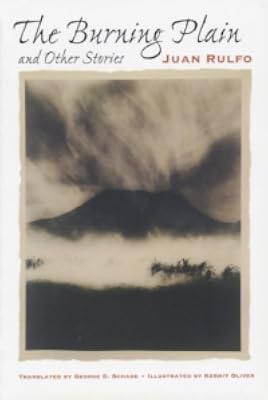
The Burning Plain, and Other Stories
by Juan Rulfo
On This Page
Description
"El Llano en llamas is considered a classic of Mexican literature. The collection of short stories takes place in rural Jalisco where Mexicans struggle to survive after the Mexican Revolution. Juan Rulfo is one of the most important writers of twentieth-century Mexico, though he wrote only two books--the novel Pedro Pr?amo (1955) and the short story collection El Llano en llamas (1953). First translated into English in 1967 as The Burning Plain, these starkly realistic stories create a show more psychologically acute portrait of poverty and dignity in the countryside at a time when Mexico was undergoing rapid industrialization following the upheavals of the Revolution."--Provided by publisher. show lessTags
Recommendations











Member Recommendations
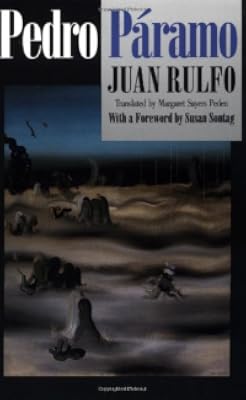
Sergio88 Una vez el lector entra en contacto con el universo de Rulfo en El llano en llamas, puede enriquecer aún más ese universo y retomar elementos ya tratados en esta obra mediante la lectura de Pedro Páramo.
Member Reviews
El "Llano en llamas" es hoy un clásico de la literatura mexicana e hispanoamericana, y probablemente uno de los volúmenes de cuentos más traducido a otros idiomas en el mundo entero. Obra aparentemente sencilla resulta, sin embargo, profundamente desconcertante. En su unidad formal descansa una gran diversidad de lenguajes, registros y tonos con los que Rulfo aborda la problemática de una violencia multiforme (desembozada unas veces, insidiosa otras), hasta tal punto naturalizada que ha dejado de reconocerse como tal. Sin embargo, el autor no la "refleja" ni la "denuncia", ni tampoco la pone en escena: la persigue hasta sus repliegues más recónditos, compenetrándose con el sentir de quienes la ejercen o la padecen, sin alcanzar a show more reconocerla las más de las veces. O más precisamente: antes que la violencia misma, lo que los cuentos de "El Llano en llamas" ponen en escena suele ser ese oscuro y confuso bregar con su impronta en el sentir de quienes se vieron alguna vez envueltos en ella, sin advertir entonces su verdadero rostro. show less
An amazing collection of meticulously created short stories. It's hard to believe that this is all that Juan Rulfo wrote (alongside the excellent [b:Pedro Páramo|38787|Pedro Páramo|Juan Rulfo|https://images.gr-assets.com/books/1500663791s/38787.jpg|1786290], in total some 240 pages). Either he wrote tons and tons and threw almost everything out, or his hit rate is astronomically higher than everybody else. These stories give me the feeling I get when I take in a small but perfect piece of art, that sweeps me up totally in its world, something grand suggested though all the mundane details.
A few thoughts on the stories I liked the most. "The Man" is a story that plays with time brilliantly, alternatively superimposing and distancing show more events together and apart. "Macario" is a great exploration from stream of consciousness, and quite disturbing. "You Don't Hear Dogs Barking" is like that quintessential painting I mentioned above - not a brushstroke out of place. "Analecto Morones" closes out the volume: a story of 10 women who beg the son-in-law of a dead felon to help them get him canonized as a saint.
However, I also feel that all the stories equally deserve at least one more time through, and I see myself reading this again within a few years. This is definitely a must read. show less
A few thoughts on the stories I liked the most. "The Man" is a story that plays with time brilliantly, alternatively superimposing and distancing show more events together and apart. "Macario" is a great exploration from stream of consciousness, and quite disturbing. "You Don't Hear Dogs Barking" is like that quintessential painting I mentioned above - not a brushstroke out of place. "Analecto Morones" closes out the volume: a story of 10 women who beg the son-in-law of a dead felon to help them get him canonized as a saint.
However, I also feel that all the stories equally deserve at least one more time through, and I see myself reading this again within a few years. This is definitely a must read. show less
I feel like I say this every time I review a book of short stories, but I'll say it again anyway: I'm not much of a short story fan. I often feel like I'm left hanging at the end of a story, and not in a good, "I'm going to think about what I think might have happened next" sort of way, but in a "well, that seemed pointless" sort of way. This collection drew me in with the first story, which takes place inside the mind of a child who is waiting next to a drain to kill frogs.
The stories are about people with hard lives, living in harsh landscapes. Violence and deprivation are common to the stories, but they don't read like a litany of woes. Few of the characters have given up, even when faced with injustice or seemingly insurmountable show more odds. But the characters themselves are often not angelic or blameless in their circumstances either - the criminal element is explored as well. The stories seemed steeped in masculinity to me, and the collection reminded me of a south of the border Cormac McCarthy. (Disclaimer: I do not like Cormac McCarthy, so I guess I'm saying for myself, I found Rulfo to be a more successful version of McCarthy.)
I think in addition to the first story, "Macario," my favorite was "Paso del Norte," about a man who attempts to cross the border into the US.
Recommended for: Cormac McCarthy fans, viewers of Breaking Bad, people interested in snapshots of mid-century Mexico.
Quote: "When she calls me to eat, it's to give me my part of the food. She's not like other people who invite me to eat with them and then when I get close throw rocks at me until I run away without eating anything." (Macario) show less
The stories are about people with hard lives, living in harsh landscapes. Violence and deprivation are common to the stories, but they don't read like a litany of woes. Few of the characters have given up, even when faced with injustice or seemingly insurmountable show more odds. But the characters themselves are often not angelic or blameless in their circumstances either - the criminal element is explored as well. The stories seemed steeped in masculinity to me, and the collection reminded me of a south of the border Cormac McCarthy. (Disclaimer: I do not like Cormac McCarthy, so I guess I'm saying for myself, I found Rulfo to be a more successful version of McCarthy.)
I think in addition to the first story, "Macario," my favorite was "Paso del Norte," about a man who attempts to cross the border into the US.
Recommended for: Cormac McCarthy fans, viewers of Breaking Bad, people interested in snapshots of mid-century Mexico.
Quote: "When she calls me to eat, it's to give me my part of the food. She's not like other people who invite me to eat with them and then when I get close throw rocks at me until I run away without eating anything." (Macario) show less
These stories about a small village on promised land that turned out to be desert waste sound deep, authentic notes in which humanity stands against a grinding poverty that would mill them all to powder. What harsh and gentle forms can defiance take? How did Juan Rulfo dig so deep to release this wondrous evocation of Mexican soul?
Los diecisiete relatos que conforman “El llano en llamas”, comparten el mismo ambiente terroso y desolador que Juan Rulfo decidió elegir como escenario para el desfile de los monólogos introspectivos de sus personajes; entre el polvo y la miseria, el realismo mágico surge y explota en Comala, ante el fracaso doloroso de la revolución mexicana.
Publicado por primera vez en 1953 por el Fondo de Cultura Económica, la obra de Rulfo en su momento fue innovadora en la narrativa mexicana, eliminando al narrador omnisciente para darle voz directa a la idiosincrasia campesina y al drama social, narrando injusticias que descubren un terco tiempo circular en el que nada cambia y los vapuleados personajes están expuestos a un destino show more desolador.
Juan Rulfo al principio pensó en llamar a su compendio “Los cuentos del tío Celerino”, como un homenaje al familiar que le contaba toda clase de historias después de visitar diferentes poblaciones del campo mexicano; el autor, mezcló aquellas memorias con su conocimiento de la historia de México y muchas charlas con arrieros y mozos rurales, creando un lenguaje popular y rasposo, trascendental para la literatura de este país.
“Luvina” y la poesía de un pueblo fantasmal; “Nos han dado la tierra” con la decepción de la reforma agraria; “Paso del norte” donde la migración es una salida a la miseria; “Talpa” con el remordimiento y la fe religiosa como ejes de acción; los delirios mentales de “Macario” y “Es que somos muy pobres”, brutal crónica que tiene como única esperanza a una vaca para evitar que el futuro de una jovencita sea la prostitución.
Los surcos de lágrimas y tierra que atraviesan la cara de algún personaje de “El llano en llamas”, son la síntesis de su esencia misma. La tristeza de un México rural que sigue tratando de sobrevivir. show less
Publicado por primera vez en 1953 por el Fondo de Cultura Económica, la obra de Rulfo en su momento fue innovadora en la narrativa mexicana, eliminando al narrador omnisciente para darle voz directa a la idiosincrasia campesina y al drama social, narrando injusticias que descubren un terco tiempo circular en el que nada cambia y los vapuleados personajes están expuestos a un destino show more desolador.
Juan Rulfo al principio pensó en llamar a su compendio “Los cuentos del tío Celerino”, como un homenaje al familiar que le contaba toda clase de historias después de visitar diferentes poblaciones del campo mexicano; el autor, mezcló aquellas memorias con su conocimiento de la historia de México y muchas charlas con arrieros y mozos rurales, creando un lenguaje popular y rasposo, trascendental para la literatura de este país.
“Luvina” y la poesía de un pueblo fantasmal; “Nos han dado la tierra” con la decepción de la reforma agraria; “Paso del norte” donde la migración es una salida a la miseria; “Talpa” con el remordimiento y la fe religiosa como ejes de acción; los delirios mentales de “Macario” y “Es que somos muy pobres”, brutal crónica que tiene como única esperanza a una vaca para evitar que el futuro de una jovencita sea la prostitución.
Los surcos de lágrimas y tierra que atraviesan la cara de algún personaje de “El llano en llamas”, son la síntesis de su esencia misma. La tristeza de un México rural que sigue tratando de sobrevivir. show less
The stories in El Llano en Llamas are perhaps described best as "la literatura de la tierra." Some are haunting, some bizarre, and some a bit too long. Rulfo incites a desperate, sparse mood, where one can imagine the pesky fine desert particles invading every orifice, the bloody, peeling skin on the feet of poor people in pilgrimage to remote lands for salvation, god forsaken people in god forsaken places named only to remain remote... And there is always a murder, if not a death of some sort. Diles que no me maten, Talpa, No oyes ladrar los perros, and Anacleto Morones are my favorites in this collection.
Truly remarkable writing. There are images that are indelibly imprinted in my mind: viz., the idea of crickets chirping to stifle the sounds of screams emanating from purgatory.
Members
- Recently Added By
Lists

The Top Ten: Writers Pick Their Favorite Books
240 works; 32 members

1950s
340 works; 22 members

Books and authors mentioned by Le Clézio in his Nobel Prize speech
87 works; 3 members
Author Information

77+ Works 7,109 Members
Some Editions
Awards and Honors
Awards
Distinctions
Series
Belongs to Publisher Series
Work Relationships
Is contained in
Common Knowledge
- Canonical title
- The Burning Plain, and Other Stories
- Original title
- El Llano en llamas
- Alternate titles*
- Der Llano in Flammen
- Original publication date
- 1953
- Important places
- Mexico
- Important events
- Guerra Cristera (1926-1929)
- Dedication
- a Clara
- First words
- Después de tantas horas de caminar sin encontrar ni una sombra de árbol, ni una semilla de árbol, ni una raíz de nada, se oye el ladrar de los perros.
- Last words
- (Click to show. Warning: May contain spoilers.)El Niño Anacleto. Él si que sabía hacer el amor.
- Original language
- Spanish
- Canonical DDC/MDS
- 868.99
*Some information comes from Common Knowledge in other languages. Click "Edit" for more information.
Classifications
- Genres
- General Fiction, Fiction and Literature
- DDC/MDS
- 868.99 — Literature & rhetoric Spanish Literature Spanish miscellaneous writings Spanish language literature outside of Spain
- LCC
- PQ7297 .R89 .L46 — Language and Literature French, Italian, Spanish and Portuguese literatures Spanish literature Provincial, local, colonial, etc. Spanish America
- BISAC
Statistics
- Members
- 1,301
- Popularity
- 18,693
- Reviews
- 32
- Rating
- (4.08)
- Languages
- 13 — Danish, Dutch, English, Finnish, French, German, Greek, Hungarian, Italian, Norwegian (Bokmål), Spanish, Swedish, Portuguese (Portugal)
- Media
- Paper, Audiobook, Ebook
- ISBNs
- 59
- ASINs
- 12