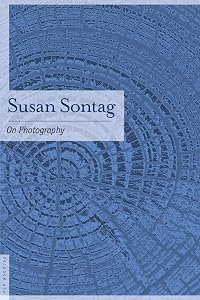
On Photography
by Susan Sontag 
On This Page
Description
One of the most highly regarded books of its kind, Susan Sontag's On Photography first appeared in 1977 and is described by its author as "a progress of essays about the meaning and career of photographs." It begins with the famous "In Plato's Cave" essay, then offers five other prose meditations on this topic, and concludes with a fascinating and far-reaching "Brief Anthology of Quotations".--Tags
Recommendations


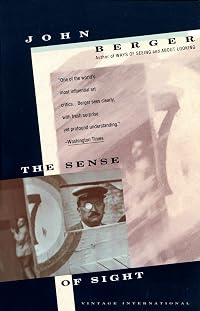
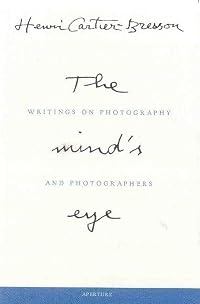

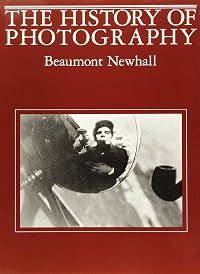
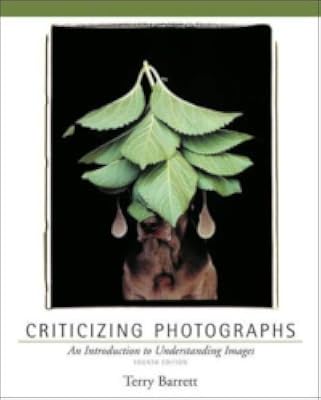



Member Recommendations
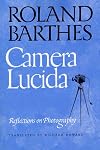
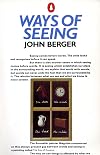
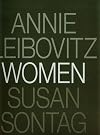
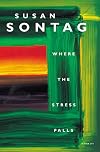
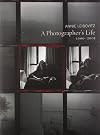
JuliaMaria Die Essayistin und Schriftstellerin Susan Sontag war die Partnerin der Fotografin Annie Leibovitz.
Member Reviews
Duboka studija o fotografiji i uticaju fotografije. Na trenutke pomalo depresivna i pristrasna, ali postavlja prava pitanja, obrađuje prave teme. Svaka rečenica je vatrena misao, toliko dobro skrojena da prosto nisam u stanju da izdvojim neki odgovarajući citat. Moraću negde da kupim ovu knjigu, pošto već planiram ponovno pažljivo čitanje i analizu.
Izdanje koje sam čitao je neko prastaro iz Univerzitetske biblioteke, koje ne sadrži čak ni ISBN(⁉). Međutim, bilo je jako zanimljivo gledati šta su drugi čitaoci podvlačili i izdvajali (npr. potreba da se „prošli vek“ eksplicitno obeleži kao XIX… postajem mator…).
Izdanje koje sam čitao je neko prastaro iz Univerzitetske biblioteke, koje ne sadrži čak ni ISBN(⁉). Međutim, bilo je jako zanimljivo gledati šta su drugi čitaoci podvlačili i izdvajali (npr. potreba da se „prošli vek“ eksplicitno obeleži kao XIX… postajem mator…).
There’s at least one photo project on every page of this classic work on photography and there’s good reason for that. Sontag writes eloquently and persuasively about the medium and its influence on our societies. Despite being written in the late 1970s, it’s also extremely accurate about the current state of the art with the rise in mobile phone camera use.
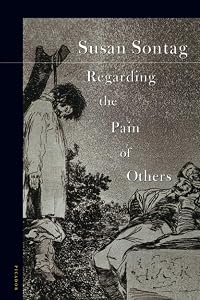
Some of her ideas she repudiated apparently in her later essay On Regarding the Pain of Others. But almost all her musings have become entrenched in how photography is now seen and critiqued. In short, judging from how others have written about On Photography, it seems it had more of an influence than even she could have realised.
The influence of this work is reflected below in show more the rating I awarded for Legacy. Very few books attain 100% in this category, but Sontag’s work deserves this.
No one is going to agree with all the opinions she puts forward here, but by writing in the style that she did, at the time that she did, and being the contraversial character that she was, she sparked untold myriad of discussions about the art and photography has never been the same since.
The book isn’t an easy read. Sontag was an intellectual giant and it can be hard to keep up with her references at times. Right off the bat, you need a familiarity with Plato, and Wikipedia will be your friend and companion throughout the journey.
It is, however, a very rewarding read. For those of us involved in photography, there’s an assignment on virtually every page. You could spend an entire photographic life exploring all the questions her writing demands we attempt to answer.
There are plenty of people out there who feel Sontag was wide of the mark with some of her observations, but there are also so many who feel she was spot on. Again, the importance of On Photography lies not in the definitive answers it gives us but the very important questions it asks. show less
Some of her ideas she repudiated apparently in her later essay On Regarding the Pain of Others. But almost all her musings have become entrenched in how photography is now seen and critiqued. In short, judging from how others have written about On Photography, it seems it had more of an influence than even she could have realised.
The influence of this work is reflected below in show more the rating I awarded for Legacy. Very few books attain 100% in this category, but Sontag’s work deserves this.
No one is going to agree with all the opinions she puts forward here, but by writing in the style that she did, at the time that she did, and being the contraversial character that she was, she sparked untold myriad of discussions about the art and photography has never been the same since.
The book isn’t an easy read. Sontag was an intellectual giant and it can be hard to keep up with her references at times. Right off the bat, you need a familiarity with Plato, and Wikipedia will be your friend and companion throughout the journey.
It is, however, a very rewarding read. For those of us involved in photography, there’s an assignment on virtually every page. You could spend an entire photographic life exploring all the questions her writing demands we attempt to answer.
There are plenty of people out there who feel Sontag was wide of the mark with some of her observations, but there are also so many who feel she was spot on. Again, the importance of On Photography lies not in the definitive answers it gives us but the very important questions it asks. show less
I was fascinated by Sontag's insights and the way these essays appear unconstructed. While reading them, it struck me that they didn't appear to have been outlined or organized on paper, but rather seemed to be the comments of a brilliant person, almost just off the top of her head. Do all of these strokes of genius ring true? Are any of them provable? It doesn't seem to matter. I am reminded of Michael Keaton's character in the movie Night Shift when he tells Henry Winkler's character I'm an idea man, Chuck ...here's an example ... edible paper... Sontag was an idea person and I couldn't read more than a page or two of these essays without underlining something that startled me, either with its perspicacity or its novelty (yes, it's show more still novel 50 years later). show less
The first essay was truly dazzling. The breadth and depth that Sontag plumbs in her analysis of our constantly changing relationship with photography, the cultural impact, the symbolism, the connections she makes between photography and various ideas are just remarkable, the precision of her words a quoter's delight. All this makes the first essay an absolute revelation.
Every essay afterwards gave diminishing returns for me. They were still good, but in a very strictly academic feel. They got so increasingly artistic and intellectual in its subjects, that they lost the appeal of the first essay (and indeed the general appeal of photography) in being accessible and revealing.
Aside: If it doesn't exist already, there should be a companion show more photography book/website that has the corresponding photographers+photographs in the order they were referenced in the book. show less
Every essay afterwards gave diminishing returns for me. They were still good, but in a very strictly academic feel. They got so increasingly artistic and intellectual in its subjects, that they lost the appeal of the first essay (and indeed the general appeal of photography) in being accessible and revealing.
Aside: If it doesn't exist already, there should be a companion show more photography book/website that has the corresponding photographers+photographs in the order they were referenced in the book. show less
Hayat, bir an yakalanıp ebediyen sabitlenen önemli ayrıntılardan ibaret değildir. Ama fotoğraflar öyledir.
Fotoğraf toplum, politika ve tarih hakkında çok şey anlatır. Sontag ilk olarak 1973'te yayımlanan bu kitapta fotoğrafı ne yüceltir ne de küçümser. Tarihsel ve toplumsal bakış açısıyla onun avantajlarıyla dezavantajlarını karşılaştırırken, görüntü ile gerçeklik arasındaki ilişkiyi irdeler. Görüntülerin medyadaki kullanımının belirli siyasi, kültürel veya dinî amaçlara ve çıkarlara hizmet edip etmediğini sorgular, resim ile fotoğraf arasındaki ayrım üzerinde durur ve fotoğrafın bir sanat dalı olarak meşruiyetini tartışmaya açar.
Alanının kült kitaplarından biri kabul show more edilen ve yazarına dünya çapında büyük bir ün kazandıran Fotoğraf Üzerine’deki denemeler eski zamanlardan günümüze ünlü ve önemli fotoğrafçıların çalışmalarını ele alırken bir dizi estetik ve ahlaki soru da ortaya koyuyor.
“Bu konuda şimdiye dek yazılmış en mühim ve en özgün kitap… Müreffeh kitle iletişim toplumlarında fotoğrafın rolüne ilişkin gelecekteki tüm tartışmalar yahut analizler bundan böyle muhakkak onun kitabı üzerinden ilerleyecek.”
John Berger show less
Fotoğraf toplum, politika ve tarih hakkında çok şey anlatır. Sontag ilk olarak 1973'te yayımlanan bu kitapta fotoğrafı ne yüceltir ne de küçümser. Tarihsel ve toplumsal bakış açısıyla onun avantajlarıyla dezavantajlarını karşılaştırırken, görüntü ile gerçeklik arasındaki ilişkiyi irdeler. Görüntülerin medyadaki kullanımının belirli siyasi, kültürel veya dinî amaçlara ve çıkarlara hizmet edip etmediğini sorgular, resim ile fotoğraf arasındaki ayrım üzerinde durur ve fotoğrafın bir sanat dalı olarak meşruiyetini tartışmaya açar.
Alanının kült kitaplarından biri kabul show more edilen ve yazarına dünya çapında büyük bir ün kazandıran Fotoğraf Üzerine’deki denemeler eski zamanlardan günümüze ünlü ve önemli fotoğrafçıların çalışmalarını ele alırken bir dizi estetik ve ahlaki soru da ortaya koyuyor.
“Bu konuda şimdiye dek yazılmış en mühim ve en özgün kitap… Müreffeh kitle iletişim toplumlarında fotoğrafın rolüne ilişkin gelecekteki tüm tartışmalar yahut analizler bundan böyle muhakkak onun kitabı üzerinden ilerleyecek.”
John Berger show less
A fascinating and particularly erudite collection of essays about the 'art' of photography. The first essay is essential reading, and I found myself making a lot of notes here - appropriately enough by taking photos of each paragraph that really interested me.
From the perspective of someone who is an enthusiastic photographer, this book helped me to work through why I like to take pictures. Sontag discusses many of the purposes that photography has been identified with and used for, as a replacement for painting, for cataloguing the world around us, for attempting to replicate or copy the thing photographed.
She died before the real digital age of photography so many of her thoughts are only hints at the slightly strange reality that has unfolded, where billions of people now have an excellent camera in their pockets and can share their experiences and pictures instantly with each other. What would she have made of this I wonder? Photography is no longer attempting at being art for most show more people, it is simply
Sharing their lives with each other, frankly and unashamedly, even when often the things that are shared are not really worthy of attention.
Narcissism appears to be rife among younger people who pose and share images to each other and to the world as though to suggest that their value is related to their looks and not to their ideas. Sontag would have had a field day with Instagram, it’s a pity she isn’t here to see it. show less
She died before the real digital age of photography so many of her thoughts are only hints at the slightly strange reality that has unfolded, where billions of people now have an excellent camera in their pockets and can share their experiences and pictures instantly with each other. What would she have made of this I wonder? Photography is no longer attempting at being art for most show more people, it is simply
Sharing their lives with each other, frankly and unashamedly, even when often the things that are shared are not really worthy of attention.
Narcissism appears to be rife among younger people who pose and share images to each other and to the world as though to suggest that their value is related to their looks and not to their ideas. Sontag would have had a field day with Instagram, it’s a pity she isn’t here to see it. show less
Members
- Recently Added By
Lists

Top Five Books of 2020
982 works; 350 members

Tablet Magazine's List of 101 Great Jewish Books
103 works; 9 members

The Great Courses: Visual Literacy Skills
53 works; 1 member

Vlogbrothers Book Recommendations
307 works; 4 members

Books Read in 2026
1,930 works; 66 members
Author Information

111+ Works 21,350 Members
Susan Sontag was born in New York City on January 16, 1933. She received a B.A. from the University of Chicago and did graduate work in philosophy, literature and theology at Harvard University and Saint Anne's College, Oxford University. She was the author of 17 books including four novels, a collection of short stories, several plays, and eight show more works of nonfiction. Her novels are The Benefactor, Death Kit, The Volcano Lover, and In America, which won the 2000 National Book Award for fiction. On Photography received the 1978 National Book Critics Circle Award. Her stories and essays have appeared in numerous magazines including The New Yorker, The New York Review of Books, The Times Literary Supplement, and Art in America. She also wrote and directed four feature films and stage plays in the United States and Europe. She died from leukemia on December 28, 2004 at the age of 71. (Bowker Author Biography) show less
Susan Sontag has a Legacy Library. Legacy libraries are the personal libraries of famous readers, entered by LibraryThing members from the Legacy Libraries group.
Some Editions
Awards and Honors
Awards
Distinctions
Notable Lists
Work Relationships
Is contained in
Common Knowledge
- Canonical title
- On Photography
- Original title
- On Photography
- Original publication date
- 1977
- People/Characters
- Diane Arbus; Michelangelo Antonioni; Michael Powell; Mathew Brady; Dorothea Lange; Jacob Riis (show all 47); Edward Steichen; Walker Evans; Alfred Stieglitz; Lewis Hine; Brassai; Tod Browning; Ghitta Carell; Cecil Beaton; August Sander; Adam Clark Vroman; Berenice Abbott; Clarence John Laughlin; Henry Peach Robinson; Fox Talbot; Walter Benjamin; Paul Strand; Aaron Siskind; Eugène Atget; Ansel Adams; Andreas Feininger; Helmar Lerski; W. Eugene Smith; Henri Cartier-Bresson; Minor White; Nadar; Robert Frank; Victor Shklovsky; László Moholy-Nagy; Harold Edgerton; Lennart Nilsson; Alvin Langdon Coburn; Irving Penn; George Tice; John Szarkowski; Frederick Sommer; Oscar Gustav Rejlander; Robert Demachy; David Octavius Hill; Benno Friedman; Richard Avedon; Louis Daguerre
- Dedication
- For Nicole Stéphane
- Publisher's editor*
- Tulkojumu sērija
*Some information comes from Common Knowledge in other languages. Click "Edit" for more information.
Classifications
Statistics
- Members
- 3,935
- Popularity
- 3,981
- Reviews
- 48
- Rating
- (3.99)
- Languages
- 24 — Albanian, Catalan, Chinese, Czech, Dutch, English, Estonian, Finnish, French, German, Greek, Hungarian, Italian, Japanese, Latvian, Lithuanian, Norwegian (Bokmål), Polish, Portuguese, Romanian, Russian, Spanish, Swedish, Turkish
- Media
- Paper, Audiobook, Ebook
- ISBNs
- 80
- ASINs
- 21