If Grace Is True: Why God Will Save Every Person
by Philip Gulley, James Mulholland
On This Page
Description
Why Everyone Will Be in Heaven. Two pastors present their controversial belief in eternal salvation for all through God's perfect grace. Long disturbed by the church's struggle between offering both love and rejection, they discover what God wants from us and for us: grace for everyone.Tags
Recommendations
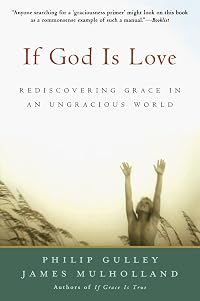


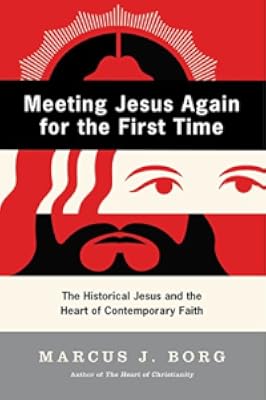

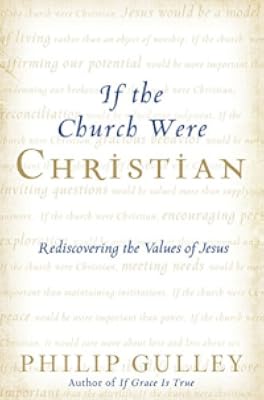




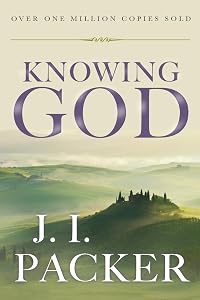































Member Reviews
This isn't the first universalist book I've read, but it's the first to disregard certain parts of Scripture to make its argument. These authors choose certain parts of the Bible to support their claims, and they choose other parts to disregard. It's a strange mix.
Leaving aside the nature of their argument, this book is a well-written, unpretentious, and deeply moving account of two ministers' spiritual journey. It offers a nontradional view of God, encouraging readers to explore new perspectives on ideas of faith. It is a worthwhile read even for people who are not persuaded by all of the specific beliefs the book sets forth.
As for the beliefs laid out here, perhaps the most controversial claim is the suggestion that Jesus' death show more wasn't the means of atonement for sin, that God is able to forgive without sacrifice, that Jesus didn't need to die. Jesus is portrayed here as having enjoyed a special relationship with God, but not as being divine. The Resurrection is important as a sign of God's power and favor, but the nature of the crucifixion and of Jesus are very different from the traditional view. I found it strange to find so much emphasis on the Resurrection in a context in which Jesus is not seen as the Son of God, as a Person of the Trinity, or as the Savior (in the usual understanding of the phrase). It's like having Easter without Christmas. The events are there, but their meaning has shifted.
This book certainly offered a lot to think about. show less
Leaving aside the nature of their argument, this book is a well-written, unpretentious, and deeply moving account of two ministers' spiritual journey. It offers a nontradional view of God, encouraging readers to explore new perspectives on ideas of faith. It is a worthwhile read even for people who are not persuaded by all of the specific beliefs the book sets forth.
As for the beliefs laid out here, perhaps the most controversial claim is the suggestion that Jesus' death show more wasn't the means of atonement for sin, that God is able to forgive without sacrifice, that Jesus didn't need to die. Jesus is portrayed here as having enjoyed a special relationship with God, but not as being divine. The Resurrection is important as a sign of God's power and favor, but the nature of the crucifixion and of Jesus are very different from the traditional view. I found it strange to find so much emphasis on the Resurrection in a context in which Jesus is not seen as the Son of God, as a Person of the Trinity, or as the Savior (in the usual understanding of the phrase). It's like having Easter without Christmas. The events are there, but their meaning has shifted.
This book certainly offered a lot to think about. show less
“What is your name besides Burns?”
“Helen.”
I think that eventually even the devils will be converted, something that has been good to me, for many are those who are like devils, and it does not do to hate them. It certainly does not make one like Christ.
...........................
I’m not technically or intellectually exclusionary, but I also need the reminder that God loves people who treat people like crap. “When I am the winter, You are the fire, that burns.”
............................
The description of heaven is haunting; I know of no other word for it. ‘Tis a beauty worth seeing for those who think it all candy-floss dross.
It is almost a terrible beauty; perhaps our training is the very turning of learning to see show more it as good.
.... People think heaven is like being rich, you know. “I could get expensive ice cream that doesn’t kill me and live in an expensive house that would put me far, far away from fucked-up people.” The gospel doesn’t call us far, far away from fucked-up people. show less
“Helen.”
I think that eventually even the devils will be converted, something that has been good to me, for many are those who are like devils, and it does not do to hate them. It certainly does not make one like Christ.
...........................
I’m not technically or intellectually exclusionary, but I also need the reminder that God loves people who treat people like crap. “When I am the winter, You are the fire, that burns.”
............................
The description of heaven is haunting; I know of no other word for it. ‘Tis a beauty worth seeing for those who think it all candy-floss dross.
It is almost a terrible beauty; perhaps our training is the very turning of learning to see show more it as good.
.... People think heaven is like being rich, you know. “I could get expensive ice cream that doesn’t kill me and live in an expensive house that would put me far, far away from fucked-up people.” The gospel doesn’t call us far, far away from fucked-up people. show less
Quaker pastors Philip Gulley, author of the Harmony novels, and James Mulholland make the case for the controversial belief in universal salvation in "If Grace Is True." Grappling with the perceived dichotomy between God's love and God's justice, and in the face of some hard real world experiences, they insist, "I believe God will save every person."
From the beginning, they recognize that this is neither a common nor popular belief among Christians. Indeed, it is likely to inspire passionate, even rabid, opposition from those who believe it is unbiblical and heretical. At its root, universal salvation contradicts the common Christian understanding that those who believe in Christ will go to heaven and those who do not will go to show more hell.
Contrary to this emphasis on human will in responding to God to receive salvation, Gulley and Mulholland ultimately focus on the divine will to offer salvation. The rationale for universal salvation, clearly implicit in their argument, is this: if God wills to save, and if God's grace extends to all of humankind, why would God allow any not be saved? Believing that God's grace does extend to all human beings, Gulley and Mulholland argued that God does will to save and, thus, God will save everyone.
In their argument, Gulley and Mulholland parse "I believe God will save every person" in detail, using scriptural references and stories from their ministries, and heavily relying on the image of God as a loving parent. At times, the argument is more emotional than rational, though given the significant emotions involved in the debate, that is understandable and probably wise. Given that their intended audience is general Christians, rather than pastors or academic theologians, the argument is much more anecdotal than rigorous and detailed.
As such, Gulley and Mulholland, while clearly empathetic and sympathetic with the beliefs of those who disagree with them, do not seriously consider the counter arguments to their claim. Though understandable, this is ultimately the book's greatest weakness. The challenge of theology is that there are multiple metaphors for God which do not easily co-relate. Gulley and Mulholland emphasize a couple at the expense of others. While few would argue with the significance of divine love or divine grace, one wonders where divine creation, divine revelation, divine justice, or divine suffering fit into the argument of universal salvation.
Still, the book is worth reading and discussing. It is well-written and engaging, and it takes Christians and their beliefs seriously, particularly about love and grace. If there are logical flaws in the argument, such as an unspoken belief in a kind of post-death purgatory to make universal salvation feasible, there is great merit in attempting to push the concepts of love, mercy, and grace to the fullest extent possible. show less
From the beginning, they recognize that this is neither a common nor popular belief among Christians. Indeed, it is likely to inspire passionate, even rabid, opposition from those who believe it is unbiblical and heretical. At its root, universal salvation contradicts the common Christian understanding that those who believe in Christ will go to heaven and those who do not will go to show more hell.
Contrary to this emphasis on human will in responding to God to receive salvation, Gulley and Mulholland ultimately focus on the divine will to offer salvation. The rationale for universal salvation, clearly implicit in their argument, is this: if God wills to save, and if God's grace extends to all of humankind, why would God allow any not be saved? Believing that God's grace does extend to all human beings, Gulley and Mulholland argued that God does will to save and, thus, God will save everyone.
In their argument, Gulley and Mulholland parse "I believe God will save every person" in detail, using scriptural references and stories from their ministries, and heavily relying on the image of God as a loving parent. At times, the argument is more emotional than rational, though given the significant emotions involved in the debate, that is understandable and probably wise. Given that their intended audience is general Christians, rather than pastors or academic theologians, the argument is much more anecdotal than rigorous and detailed.
As such, Gulley and Mulholland, while clearly empathetic and sympathetic with the beliefs of those who disagree with them, do not seriously consider the counter arguments to their claim. Though understandable, this is ultimately the book's greatest weakness. The challenge of theology is that there are multiple metaphors for God which do not easily co-relate. Gulley and Mulholland emphasize a couple at the expense of others. While few would argue with the significance of divine love or divine grace, one wonders where divine creation, divine revelation, divine justice, or divine suffering fit into the argument of universal salvation.
Still, the book is worth reading and discussing. It is well-written and engaging, and it takes Christians and their beliefs seriously, particularly about love and grace. If there are logical flaws in the argument, such as an unspoken belief in a kind of post-death purgatory to make universal salvation feasible, there is great merit in attempting to push the concepts of love, mercy, and grace to the fullest extent possible. show less
Writing: 4.0; Theme: 4.0; Content: 2.5; Language: 5.0; Overall: 2.5
The author believes and makes the claim that every person will be saved, even after death, because God's grace never ends. This belief violates many verses in Scripture. God's grace is wonderful, but the Bible teaches that when a person dies, he will face the judgment. I believe the author's greatest error in this belief is that "every person" is a child of God. Every person is a created being by the Creator of the universe, but nowhere does the Bible claim that every person is a child of God. You enter into God's family by being adopted into His family through a personal relationship with His Son, Jesus Christ.
*Note: I totally disagree with Gulley and Mulholland's view show more of salvation (universalism), but I do like Gulley's downhome spun in his several fictional series.
***February 6, 2024*** show less
The author believes and makes the claim that every person will be saved, even after death, because God's grace never ends. This belief violates many verses in Scripture. God's grace is wonderful, but the Bible teaches that when a person dies, he will face the judgment. I believe the author's greatest error in this belief is that "every person" is a child of God. Every person is a created being by the Creator of the universe, but nowhere does the Bible claim that every person is a child of God. You enter into God's family by being adopted into His family through a personal relationship with His Son, Jesus Christ.
*Note: I totally disagree with Gulley and Mulholland's view show more of salvation (universalism), but I do like Gulley's downhome spun in his several fictional series.
***February 6, 2024*** show less
Two theologians from the Society of Friends explain why they believe God will save every person. This is an accessible apology for Universalism based on their experience, the character, will and persistence of God. Two appendices include Biblical and historical quotations supporting their belief.
Very good book. The premise that all will be saved I do believe, but not all at once like these authors portend. Evil people non repentant of their sins do not go to heaven. I once believed this was so, but in time, observation and investigation of those who died and returned the hereafter does not have calenders and clocks like we do. There are repentant souls who through cleansing and time do eventually go to the first level of heaven, but this after eons of time, but they would have to repent first, until then they would go to an unhappy place.
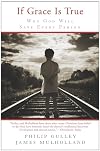
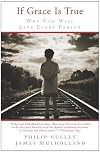
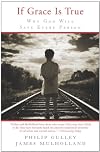
Two Quaker pastors present their controversial beliefs in eternal salvation for all through God's perfect grace. Long disturbed by the Church's struggle between offering both love and rejection, they discover what God wants from us and for us: grace for everyone. - from book cover
Members
- Recently Added By
Lists

Mike's Theology Books
74 works; 2 members

Books That Changed Our Perspective
423 works; 168 members
Author Information

35+ Works 5,717 Members
Philip Gulley is a Quaker minister, writer, husband, and father. He and his wife, Joan, live in Indiana with their sons, Spencer and Sam
18 Works 750 Members
James Mulholland is an associate professor of English at North Carolina State University. He is the author of Sounding Imperial Poetic Voice and the Politics of Empire, 1730-1820.
Common Knowledge
- Canonical title
- If Grace Is True: Why God Will Save Every Person
- Original publication date
- 2003
- Original language
- English
Classifications
Statistics
- Members
- 500
- Popularity
- 60,526
- Reviews
- 11
- Rating
- (3.89)
- Languages
- English
- Media
- Paper, Ebook
- ISBNs
- 5
- ASINs
- 3