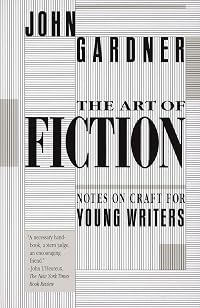
The Art of Fiction
by John Gardner
On This Page
Description
HTML:This classic guide, from the renowned novelist and professor, has helped transform generations of aspiring writers into masterful writers—and will continue to do so for many years to come.John Gardner was almost as famous as a teacher of creative writing as he was for his own works. In this practical, instructive handbook, based on the courses and seminars that he gave, he explains, simply and cogently, the principles and techniques of good writing. Gardner’s lessons, show more exemplified with detailed excerpts from classic works of literature, sweep across a complete range of topics—from the nature of aesthetics to the shape of a refined sentence. Written with passion, precision, and a deep respect for the art of writing, Gardner’s book serves by turns as a critic, mentor, and friend. Anyone who has ever thought of taking the step from reader to writer should begin here. . Language Arts. Nonfiction. Writing. show less
Tags
Recommendations
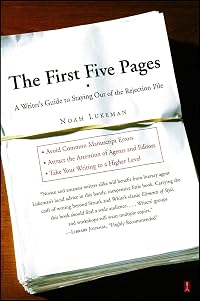
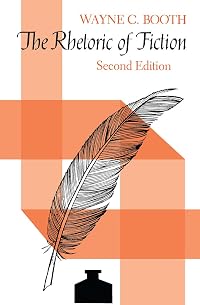
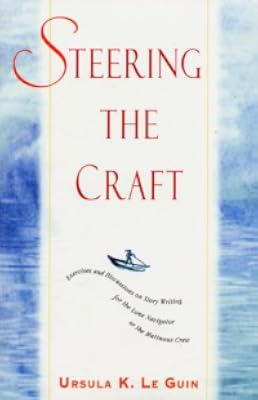
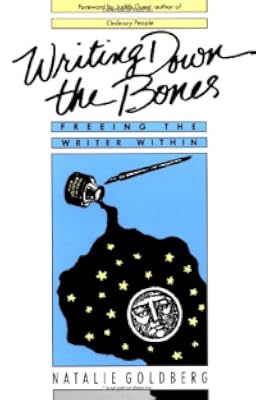


Member Reviews
A demanding and challenging book on writing that makes no apologies for assuming the reader is aiming at a high level and pulls no punches in its assertions about what is required. In that way it's refreshingly no-nonsense and unashamedly intellectual in its approach to literary aesthetics. You don't have to agree or even like his ideas of fiction, but it's a powerful model to work around or against, and it demands and rewards attention and thought. If writing manuals seem to you to be either too cuddly or too prosaic, this is certainly what you're looking for.
In the realm of books on “how to become a writer,” this seminal work has been touted by many successful writers. So who am I—an unpublished writer—to criticize it? Yet, criticize it I must. With the availability of writing books that are both conversational and inspiring, The Art of Fiction is a complete drag to read. Gardner condescends to his audience; he is pompous and dismissive. While there is some excellent material buried in this book, it is difficult to extract it from his pretentious writing. My favourite sentence to hate was: “The writer who can’t distinguish truth from a peanut-butter sandwich can never write good fiction.” Yeah, that’s helpful and inspiring. Not.
The title of the book is also misleading: The show more Art of Fiction: Notes on Craft for Young Writers. Well, perhaps if that young writer has completed a bachelor’s degree in English literature. He assumes the reader has a deep understanding of the western canon. Throughout the book, Gardner alludes to, and uses examples from, a vast range of writers that many in his audience (even older readers) probably haven’t read.
A few years ago, after reading (and loving) Beowulf, I read Gardner’s Grendel. I was very disappointed. Now I know why—John Gardner is a lousy writer.
If you like to read books that recreate the experience of being lectured at by an arrogant, snobby professor, then this is the book for you. Maybe when this was published in 1983 it was the best book available to the aspiring writer. However, it’s now twenty-five years later, and there are so many better books out there. show less
The title of the book is also misleading: The show more Art of Fiction: Notes on Craft for Young Writers. Well, perhaps if that young writer has completed a bachelor’s degree in English literature. He assumes the reader has a deep understanding of the western canon. Throughout the book, Gardner alludes to, and uses examples from, a vast range of writers that many in his audience (even older readers) probably haven’t read.
A few years ago, after reading (and loving) Beowulf, I read Gardner’s Grendel. I was very disappointed. Now I know why—John Gardner is a lousy writer.
If you like to read books that recreate the experience of being lectured at by an arrogant, snobby professor, then this is the book for you. Maybe when this was published in 1983 it was the best book available to the aspiring writer. However, it’s now twenty-five years later, and there are so many better books out there. show less
I suspect those who accuse Gardner of being arrogant, egotistical, condescending, etc., ad nauseum are likely to be the sort who either have an ideological agenda of their own, or prefer their egalitarianism served with a thoroughgoing relativism. Gardner was never soft-spoken in stating his opinions, and he had the good sense not to qualify every opinion with "that's just my opinion," or "ymmv," or "but what do I know."
I find Gardner's opinions welcome and often enlightening. His allusions to numberless works which I have yet to read -- and some I only learned about from him -- are an inspiring challenge to read more. The fact that he doesn't water down his message to spare the ego of his less experienced readers is a sign of respect show more for them -- they can take it, because the alternative is a vapid mediocrity. And if they can't take it, well, they're free to write scathing reviews castigating the hubris of a dead man.
The theoretical and practical concepts and techniques discussed in the book are reasonably thorough and engaging. It is clear that his purpose is to challenge would-be writers to aim for the very best, while making clear -- for those actually paying attention -- that good-enough-for-publication writing is achievable by most anyone willing to put in the time. The implicit idea here is that if you want to be a writer, you will have to put in the time anyway, so why not aim to be a very good writer? I fail to see how this is anything but an inspiring affirmation to anyone who really wants to write. show less
I find Gardner's opinions welcome and often enlightening. His allusions to numberless works which I have yet to read -- and some I only learned about from him -- are an inspiring challenge to read more. The fact that he doesn't water down his message to spare the ego of his less experienced readers is a sign of respect show more for them -- they can take it, because the alternative is a vapid mediocrity. And if they can't take it, well, they're free to write scathing reviews castigating the hubris of a dead man.
The theoretical and practical concepts and techniques discussed in the book are reasonably thorough and engaging. It is clear that his purpose is to challenge would-be writers to aim for the very best, while making clear -- for those actually paying attention -- that good-enough-for-publication writing is achievable by most anyone willing to put in the time. The implicit idea here is that if you want to be a writer, you will have to put in the time anyway, so why not aim to be a very good writer? I fail to see how this is anything but an inspiring affirmation to anyone who really wants to write. show less
I've read this through several times over the years, continue to find useful bits and help. Only negative I would offer is that he offers up the works of surrealist, "jazzing", metafictional writers such as William H. Gass and Donald Barthelme throughout, when solid mainstream fiction is what is being taught here. I remember when I first read this as a young man, thinking that the writers he mentions must be good to read for examples and inspiration. Instead, I realized over time that they were not popular authors or even particularly good ones. Certainly not authors to read if one's aim is mainstream literary fiction. So, take the odd author choices with a grain of salt, and what remains is one of the best books on writing ever written.
This book is sometimes harsh, but always practical about what fiction is and isn't, and how to write it well. It takes you from the broadest points of fiction to the small points of grammar and diction, with examples and useful terminology along the way. I'd like to hand a copy of it to every beginning writer.
I don't like craft books (books on 'how to write') as a rule, but this one is well worth reading.
I don't like craft books (books on 'how to write') as a rule, but this one is well worth reading.
Duties, responsibilities and the author's obligation to tell the truth
The Art of Fiction - Notes on Craft for Young Writers
By John Gardner
One of the most interesting things about this book is how attitudes have changed in regards to what it means to be an author.
The Art of Fiction - Notes on Craft for Young Writers by John Gardner, was published in 1984, long before the advent of online platforms that make self-publishing free and easy to any and everyone.
This is not your "How to Write a Novel for Dummies" and Gardner definitely would not have supported "everyone's right to publish" as proclaimed by many indie authors and the entire self-publishing industry.
Gardner felt that aspiring to be an author was almost akin to a "higher calling" show more and required rigorous study and practice. As well as hard work and sacrifice such a career choice came with duties and responsibilities.
The most important of which is telling the truth, and not just getting facts right, but making sure your fiction is believable and not perceived by the reader as a lie. Foremost it must "affirm moral truths about human existence".
Good fiction according to Gardner "creates a vivid and continuous dream" for the reader.
Though the book contains good suggestions on craft they're not presented point by point but rather embedded within the text. That means enduring a lot of with Gardner's rather academic, elitist attitude.
Is it worth it? Definitely - if you're serious about becoming an accomplished author. show less
The Art of Fiction - Notes on Craft for Young Writers
By John Gardner
One of the most interesting things about this book is how attitudes have changed in regards to what it means to be an author.
The Art of Fiction - Notes on Craft for Young Writers by John Gardner, was published in 1984, long before the advent of online platforms that make self-publishing free and easy to any and everyone.
This is not your "How to Write a Novel for Dummies" and Gardner definitely would not have supported "everyone's right to publish" as proclaimed by many indie authors and the entire self-publishing industry.
Gardner felt that aspiring to be an author was almost akin to a "higher calling" show more and required rigorous study and practice. As well as hard work and sacrifice such a career choice came with duties and responsibilities.
The most important of which is telling the truth, and not just getting facts right, but making sure your fiction is believable and not perceived by the reader as a lie. Foremost it must "affirm moral truths about human existence".
Good fiction according to Gardner "creates a vivid and continuous dream" for the reader.
Though the book contains good suggestions on craft they're not presented point by point but rather embedded within the text. That means enduring a lot of with Gardner's rather academic, elitist attitude.
Is it worth it? Definitely - if you're serious about becoming an accomplished author. show less
Gardner is a bit of a gasbag. When not being pompous, he was being non-productive. Apart from Grendel, his notable literary achievements are rather thin on the ground. Having read him in a creative writing class, adoring this schmuck is a reason for my dislike and dismay at creative writing classes and their skewed priorities. Basically, if you don't know the Western Canon from top to bottom, you have no business in the creative writing field. His disdain for genre fiction seems rather obtuse, considering where the money is in fiction writing. Considering the success of writers like James Patterson, Stephanie Meyer, and Kevin J. Anderson, they seem obvious counter-examples to this book, since those three can't write that well at all, show more crafting sentences that would make an eighth grade English composition teacher gnash her teeth. show less
Members
- Recently Added By
Lists

Craft Books
41 works; 1 member

N.T. McQueen's Inspiration List
23 works; 1 member

Literature and Criticism
12 works; 1 member
Author Information

47+ Works 15,779 Members
Common Knowledge
- Canonical title
- The Art of Fiction
- Alternate titles
- The Art of Fiction: Notes on Craft for Young Writers
- Original publication date
- 1984-01-12
- Dedication
- To all my creative-writing students, and to all my fellow teachers of creative writing
- First words
- What the beginning writer ordinarily wants is a set of rules on what to do and what not to do in writing fiction.
Classifications
- Genres
- Nonfiction, Literature Studies and Criticism
- DDC/MDS
- 808.3 — Literature & rhetoric Literature, rhetoric & criticism Rhetoric and collections of literary texts from more than two literatures Rhetoric of fiction
- LCC
- PN3355 .G34 — Language and Literature Literature (General) Literature (General) Prose. Prose fiction Technique. Authorship
- BISAC
Statistics
- Members
- 2,249
- Popularity
- 8,994
- Reviews
- 27
- Rating
- (4.05)
- Languages
- Dutch, English, Portuguese, Spanish
- Media
- Paper, Ebook
- ISBNs
- 9
- ASINs
- 10